Battery Pack Lifespan: Factors Influencing How Long They Last
How long does a battery pack last? This question often pops up for anyone using electronic devices, from smartphones to electric vehicles. Understanding battery longevity can save you money and enhance your usage experience, making it a practical topic worth exploring.
The lifespan of a battery pack varies based on type, usage, and maintenance. On average, most lithium-ion batteries last 2 to 10 years, depending on factors like charging habits and environmental conditions.
Average Lifespan of Battery Packs
The lifespan of a battery pack varies significantly based on its type and usage. Understanding the common lifespan ranges can help in making informed choices regarding battery use and replacement. Different battery technologies, such as lithium-ion, nickel-metal hydride (NiMH), and lead-acid, each have their unique life expectancies.
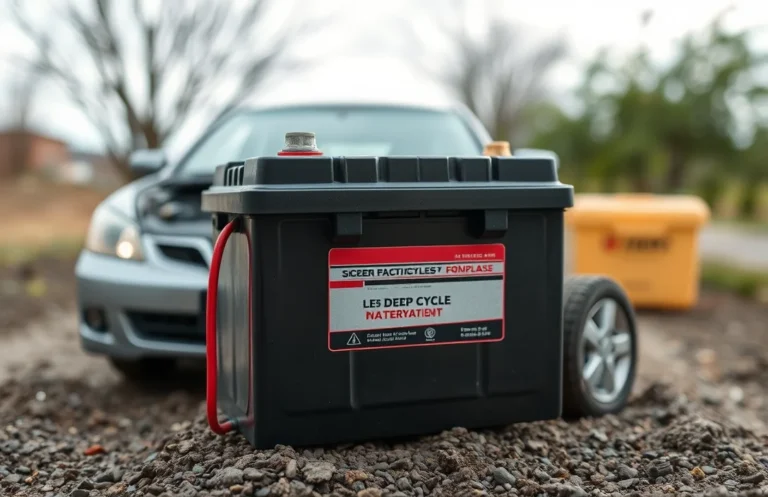
Lithium-ion battery packs, commonly used in smartphones and electric vehicles, typically last between 2 to 5 years or about 300 to 500 charge cycles. Their longevity largely depends on how they are charged and discharged. NiMH batteries, often found in hybrid vehicles and power tools, can last around 3 to 5 years, with a cycle life of 500 to 1,000 charges. Lead-acid batteries, frequently used in automotive applications, generally have a shorter lifespan of 3 to 5 years, with a cycle life of about 300 to 1,000 cycles depending on maintenance and usage conditions.
Recognizing these lifespan ranges is crucial for effective planning and maintenance, ensuring optimal performance and reliability of the devices that rely on these battery packs.
Impact of Usage Patterns
Usage patterns significantly influence the longevity of battery packs. Understanding how different practices can either extend or diminish battery life is crucial for maximizing performance. Here are key habits that affect how long a battery pack lasts:
- Charge Cycles: Frequent, shallow charging—such as topping off your battery throughout the day—can lead to a higher number of charge cycles. Limiting this can enhance battery life.
- Deep Discharge: Regularly allowing a battery to fully discharge before recharging can reduce its lifespan. Instead, aim to recharge when it reaches around 20-30% capacity.
- Usage Intensity: High-demand applications, such as gaming or video streaming, can drain batteries quickly. Reducing the intensity or duration of such activities can help maintain battery health.
- Battery Management: Using built-in battery-saving features or apps can optimize performance and extend the life of the battery by limiting unnecessary background activity.
By adopting mindful usage habits, it is possible to significantly prolong the effective lifespan of battery packs.
Temperature Effects on Lifespan
Temperature plays a significant role in determining how long a battery pack lasts. Extreme heat or cold can negatively impact performance and longevity. Understanding these effects can help users maintain their battery health and extend its lifespan.
- High Temperatures: Exposure to high temperatures can accelerate chemical reactions within the battery, leading to increased wear and tear. It can cause the electrolyte to evaporate, reducing capacity and potentially resulting in thermal runaway, where the battery overheats uncontrollably. Aim to keep battery packs in environments below 30°C (86°F) for optimal performance.
- Low Temperatures: Low temperatures can slow down the chemical reactions necessary for the battery to function efficiently. This can lead to decreased capacity and increased internal resistance, resulting in shorter usage times. Keeping battery packs at temperatures above 0°C (32°F) is ideal to maintain their effectiveness.
- Temperature Fluctuations: Frequent changes in temperature can cause expansion and contraction of battery components, leading to physical stress and potential damage. Avoid exposing battery packs to environments with rapid temperature shifts, such as leaving them in a hot car or moving them directly from cold to warm conditions.
By managing temperature exposure, you can significantly influence how long your battery pack lasts and maintain its reliability for your devices.
Charging Practices and Their Influence
Charging practices significantly impact the lifespan of battery packs. Understanding how to charge correctly can enhance performance and longevity. Below are essential practices that influence how long a battery pack lasts:
- Avoid Full Discharges: Deeply discharging a battery frequently can shorten its lifespan. Aim to recharge when the battery level drops to around 20-30%.
- Use the Right Charger: Always use the manufacturer-recommended charger. Using incompatible chargers can lead to overheating and damage.
- Maintain Moderate Charge Levels: Keeping the battery between 20% and 80% charged is ideal. Constantly charging it to 100% or letting it drop to 0% can degrade its cells.
- Charge at Room Temperature: Charging in extreme temperatures can impact battery health. Charge at room temperature to ensure optimal conditions.
- Avoid Overnight Charging: Leaving a battery plugged in overnight can lead to overcharging, which can harm the battery’s chemistry over time.
Implementing these charging strategies will help prolong the life of your battery pack and ensure it performs efficiently throughout its use.
Quality of Battery Materials
The quality of materials used in battery construction significantly impacts durability and overall lifespan. High-grade materials can enhance the efficiency and longevity of a battery pack, while inferior components may lead to quicker degradation. Here are the key aspects to consider regarding battery materials:
- Electrode Composition: The active materials in the electrodes, such as lithium, cobalt, and nickel, determine energy density and stability. High-purity materials often yield better performance and longevity.
- Separator Quality: The separator keeps the anode and cathode apart, preventing short circuits. High-quality separators can withstand higher temperatures and are less prone to degradation, enhancing safety and lifespan.
- Electrolyte Formulation: The electrolyte facilitates ion movement between electrodes. Advanced formulations can improve conductivity and reduce internal resistance, contributing to a longer-lasting battery.
- Build Integrity: The manufacturing process influences the consistency and reliability of the materials used. Precision engineering and quality control are essential for lasting performance.
Investing in batteries made with superior materials can result in a longer-lasting product, impacting how long the battery pack will function effectively.
Environmental Factors to Consider
Environmental conditions play a crucial role in determining how long a battery pack lasts. Factors such as temperature, humidity, and exposure to elements can significantly affect its performance and longevity. Understanding these factors can help you take better care of your battery and extend its life.
- Temperature: Extreme heat can accelerate battery degradation, while cold temperatures can reduce its efficiency. Ideally, store and use battery packs in a temperature range of 20 to 25 degrees Celsius (68 to 77 degrees Fahrenheit).
- Humidity: High humidity levels can lead to corrosion and electrical shorts. Ensure battery packs are kept in dry areas to minimize this risk.
- Exposure to Elements: Protect your battery from direct sunlight, rain, or snow. Use protective cases or covers to shield it from harsh weather conditions.
- Vibration and Impact: Excessive movement or shocks can damage battery cells. Avoid dropping or jarring the battery pack during use or storage.
By considering these environmental factors, you can help maximize the lifespan of your battery pack and ensure it operates efficiently over time.
Maintenance Tips for Longevity
Regular maintenance can significantly enhance the lifespan of battery packs. Implementing simple care practices will ensure they perform efficiently for longer periods. By following these tips, you can maximize the utility of the battery and reduce the frequency of replacements.
One crucial tip is to maintain optimal charging habits. Avoid letting the battery fully discharge before recharging, as this can strain the cells and shorten their lifespan. Instead, aim to recharge the battery when it reaches around 20% capacity. Additionally, try not to keep it plugged in continuously after it reaches 100%, as this can lead to overheating and damage. Use the manufacturer’s recommended charger to avoid compatibility issues that could affect performance.
Another aspect to consider is temperature control. Store and use the battery pack in environments with moderate temperatures, ideally between 20°C and 25°C (68°F and 77°F). Extreme heat or cold can negatively impact battery chemistry and lead to premature aging. Regularly inspect the battery for any signs of swelling or leakage, as these can indicate damage and should be addressed immediately.
By adhering to these maintenance practices, you can help ensure your battery pack lasts as long as possible, giving you reliable performance when you need it most.
Quick Summary
- The lifespan of a battery pack varies based on its type, usage, and environmental conditions.
- Most lithium-ion batteries last between 2 to 10 years, depending on charging cycles and maintenance.
- High-quality battery packs generally provide better longevity compared to cheaper alternatives.
- Factors such as temperature, discharge rates, and charging habits significantly impact battery life.
- Regular maintenance and proper charging practices can extend the lifespan of a battery pack.
- Battery management systems (BMS) can help optimize performance and longevity.
- Monitoring battery health and replacing it when necessary is essential for maintaining device performance.
Frequently Asked Questions
How long does a typical battery pack last on a single charge?
The lifespan of a battery pack on a single charge varies widely depending on its capacity and the device it’s powering. Generally, smaller devices may last anywhere from 2 to 10 hours, while larger battery packs can last up to 24 hours or more.
What factors affect the lifespan of a battery pack?
Several factors influence a battery pack’s lifespan, including its capacity, the power consumption of the connected devices, and environmental conditions such as temperature. Frequent charging and discharging cycles can also affect overall longevity.
Can I extend the life of my battery pack?
Yes, you can extend the life of your battery pack by avoiding complete discharges and not overcharging it. Keeping it in a cool, dry place and using it within the recommended temperature range can also help maintain its performance.
How do I know when my battery pack needs to be replaced?
Signs that your battery pack may need replacement include significantly reduced usage time, overheating, or physical damage. If it no longer holds a charge effectively or shows erratic behavior, it’s time to consider a replacement.
Are there different types of battery packs, and do they last differently?
Yes, there are various types of battery packs, including lithium-ion, nickel-metal hydride, and lead-acid batteries. Each type has its own characteristics, with lithium-ion generally offering longer life and better energy density compared to others.

- 10 Best 123A Battery: Power Solutions for High-Tech Devices 2026 - March 23, 2026
- 10 Best 123 Lithium Battery Options For Reliable Power Solutions 2026 - March 23, 2026
- 10 Best 12 Volt Trolling Motor Battery: Choose the Right Power Source 2026 - March 23, 2026