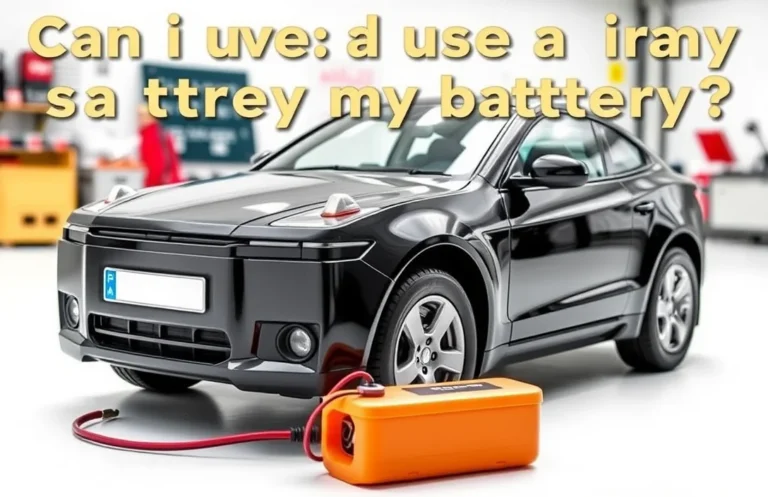
Jump-Starting a Motorcycle Battery with a Car Battery: Is It Safe?
If you find yourself with a dead motorcycle battery, you might wonder if you can jump it using a car battery. This common scenario raises interesting questions about compatibility, safety, and proper techniques. Understanding these aspects can help you get back on the road quickly.
Yes, you can jump a motorcycle battery with a car battery, but there are important precautions to consider. Ensure both batteries are compatible and follow the right procedures to avoid damage or injury. Always consult your motorcycle’s manual for specific guidelines.
Compatibility of Motorcycle and Car Batteries
Understanding whether a motorcycle battery can be jumped with a car battery involves recognizing their differences and similarities. Both types of batteries serve the same fundamental purpose: providing electrical energy to start the engine and power electrical components. However, they differ significantly in size, capacity, and design.
Typically, motorcycle batteries are smaller and have lower cold cranking amps (CCA) compared to car batteries. This difference means that while a motorcycle can technically be jumped with a car battery, caution is essential. The higher voltage and capacity of a car battery can potentially damage a motorcycle’s electrical system if not handled properly. Furthermore, the connection process must be managed with care to avoid short-circuiting or overloading the motorcycle battery.
It is advisable to consult the motorcycle’s manual for specific guidelines regarding jump-starting procedures and compatibility. If you proceed, ensure that the motorcycle is turned off before connecting the cables and only use the car battery for a brief period to avoid overwhelming the smaller motorcycle battery.
Necessary Tools for Jump-Starting
To safely jump-start a motorcycle battery with a car battery, specific tools are essential. Having the right equipment not only ensures a successful start but also minimizes risks associated with the process. Below is a list of necessary tools you will need to perform this task effectively.
- Jumper Cables: Ensure they are in good condition with heavy-duty clamps for a secure connection.
- Gloves: Protect your hands from any potential acid spills or electrical shocks.
- Safety Glasses: Shield your eyes from any sparks or debris during the jump-start process.
- Voltage Tester: Verify the battery voltage to confirm compatibility before proceeding.
- Car with a Functional Battery: Ensure the vehicle is in good working condition and has a battery that can provide sufficient power.
Gathering these tools beforehand will streamline your efforts and enhance safety during the jump-starting procedure. Proper preparation is key to successfully reviving your motorcycle battery with the aid of a car battery.
Step-by-Step Jump-Starting Process
To successfully jump-start a motorcycle battery with a car battery, follow these straightforward steps. This process ensures that you connect the batteries safely and effectively, minimizing the risk of damage to either vehicle.
- Position the Vehicles: Park the car close enough to the motorcycle so that the jumper cables can reach both batteries. Ensure both vehicles are turned off.
- Open the Hoods: Open the hoods of both vehicles to access the batteries. Locate the positive (+) and negative (-) terminals on each battery.
- Connect the Jumper Cables: Take the red (positive) jumper cable and connect one end to the positive terminal of the motorcycle battery. Connect the other end to the positive terminal of the car battery.
- Attach the Negative Cable: Connect the black (negative) jumper cable to the negative terminal of the car battery. Instead of connecting it to the motorcycle’s negative terminal, attach it to an unpainted metal surface on the motorcycle, such as the frame. This reduces the risk of sparks near the battery.
- Start the Car: Start the car and let it run for a few minutes. This allows the car battery to charge the motorcycle battery.
- Start the Motorcycle: Attempt to start the motorcycle. If it doesn’t start immediately, wait a few more minutes and try again.
- Disconnect the Cables: Once the motorcycle starts, disconnect the cables in the reverse order of connection, starting with the negative cable from the motorcycle, then the negative from the car, followed by the positive from the car, and finally the positive from the motorcycle.
Potential Risks Involved
Using a car battery to jump-start a motorcycle battery can expose you to several risks, primarily due to the differences in voltage and current. Car batteries typically have a higher cranking amperage, which can overwhelm the motorcycle’s electrical system.
One major concern is the potential for damage to the motorcycle’s components. The excess power from a car battery can lead to overheating, damaging sensitive electronics, such as the ignition system or the fuel injection unit. Additionally, the motorcycle’s regulator-rectifier, designed to handle lower voltages, may fail if subjected to the higher output from a car battery.
Another risk is the possibility of reverse polarity connections. If the jumper cables are connected incorrectly, it can cause significant damage to the motorcycle’s electrical system and even result in a battery explosion. This risk is particularly high since motorcycle batteries are often more sensitive than their automotive counterparts.
Lastly, there is the danger of personal injury. If cables are not properly connected or handled, there is a risk of sparks or short circuits, which could potentially lead to burns or electrical shock. Always consider these risks carefully before attempting to jump-start a motorcycle battery with a car battery.
Safety Precautions to Take
Before attempting to jump-start a motorcycle battery with a car battery, several critical safety measures should be taken to minimize risks. Proper precautions can prevent accidents and ensure that both the motorcycle and the car battery remain unharmed during the process.
Always wear protective gear, including safety goggles and gloves, to shield against potential acid splashes or electrical sparks. Ensure that both vehicles are turned off before connecting any cables. This reduces the risk of short-circuiting the system. Keep the jumper cables in good condition, as frayed or damaged cables can lead to faulty connections and even fires. Position the vehicles so that they do not touch each other, as metal contact can create a hazardous situation.
Finally, be aware of the battery types involved. For instance, if the motorcycle uses a gel or AGM battery, refer to its specific requirements, as these batteries may have different jump-starting protocols. Taking these precautions can make the process safer and more effective, allowing you to jump-start the motorcycle with confidence.
Signs of a Bad Motorcycle Battery
Recognizing the signs of a failing motorcycle battery is crucial for maintaining your bike’s performance. Several symptoms can indicate that the battery is no longer functioning effectively and may need replacement. Pay attention to these warning signs to ensure you address any battery issues promptly.
One of the most common indicators is a slow engine crank when starting the motorcycle. If the engine hesitates or struggles to start, it may signify a weak battery. Additionally, check for dim lights or electrical issues; if the headlights or dashboard lights appear dull, it could indicate insufficient battery power. Also, monitor the age of your battery; most motorcycle batteries last around three to five years. If your battery is approaching this age and displaying any of the aforementioned signs, consider replacing it. Lastly, if you notice any corrosion around the battery terminals, this could affect performance and may require immediate attention.
Alternative Solutions for Battery Issues
When faced with motorcycle battery problems, there are several alternative methods you can consider beyond jump-starting with a car battery. Each method has its own advantages and may better suit your situation. Explore these options to find the right solution for your needs.
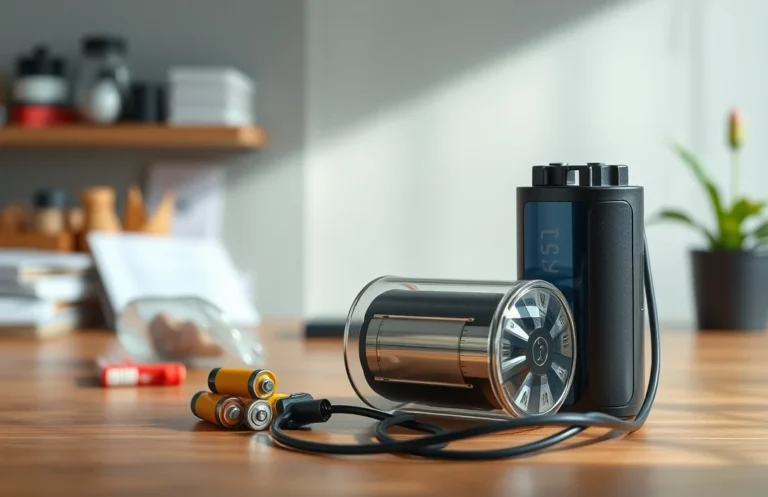
One effective alternative is using a portable jump starter specifically designed for motorcycles. These compact devices are lightweight and easy to carry, making them ideal for riders. They are safe to use and eliminate the risk of damage that can occur when connecting to a car battery. Simply connect the jump starter to your motorcycle’s battery terminals as per the instructions, and you’ll be ready to ride in no time.
If your motorcycle battery is still not holding a charge after a jump, consider charging it with a smart battery charger. These chargers can automatically adjust the charge rate and are designed to prevent overcharging, prolonging the life of your battery. If the battery is old or damaged, replacing it may be necessary. Always choose a battery that matches your motorcycle’s specifications for optimal performance.
Lastly, regular maintenance can prevent battery issues. Keep terminals clean, check the fluid levels in lead-acid batteries, and ensure that connections are tight. This proactive approach can extend the life of your battery and reduce the likelihood of future problems.
Quick Summary
- A motorcycle battery can be jumped with a car battery, but precautions are necessary.
- Ensure both vehicles are turned off before connecting the jumper cables.
- Use jumper cables with appropriate gauge to handle the power requirements.
- Connect the positive terminal of the motorcycle battery to the positive terminal of the car battery.
- Connect the negative terminal of the car battery to a ground point on the motorcycle.
- Start the motorcycle after a few minutes of connection to allow the battery to charge.
- Disconnect the cables in the reverse order to avoid sparks and damage.
Frequently Asked Questions
Can a motorcycle battery be jumped with a car battery?
Yes, a motorcycle battery can be jumped with a car battery, but it requires some precautions. The car battery’s higher amperage can damage the motorcycle’s electrical system if not done correctly.
What precautions should I take when jumping a motorcycle battery?
Always ensure the car is turned off before connecting the cables, and use jumper cables designed for both vehicles. Additionally, connect the positive terminals first, followed by the negative terminals, and ensure a secure connection to avoid sparks.
How do I connect the jumper cables properly?
Start by connecting the positive (+) terminal of the motorcycle battery to the positive (+) terminal of the car battery. Then connect the negative (-) terminal of the car battery to a grounded metal part of the motorcycle, keeping it away from the battery to prevent sparks.
Can I jump my motorcycle battery without a car?
Yes, you can jump-start a motorcycle battery using a portable jump starter specifically designed for motorcycle batteries. These devices are safer and easier to use than traditional car batteries.
What should I do after successfully jumping the motorcycle battery?
Once the motorcycle starts, let it run for a few minutes to allow the battery to recharge. It’s also a good idea to check your battery’s health and connections to prevent future issues.

- How to Jump-Start a Motorcycle with a Car Battery Safely - February 22, 2026
- Does Life360 Really Drain Your Battery? What You Should Know - February 22, 2026
- Do Hardwired Smoke Detectors Need Batteries for Backup Support? - February 22, 2026