Using a Car Battery for a Trolling Motor: Safety and Efficiency Ins…
If you’re considering alternatives for powering your trolling motor, the idea of using a car battery might cross your mind. Understanding the compatibility and practicalities can save you time and money while ensuring your fishing experience goes smoothly.
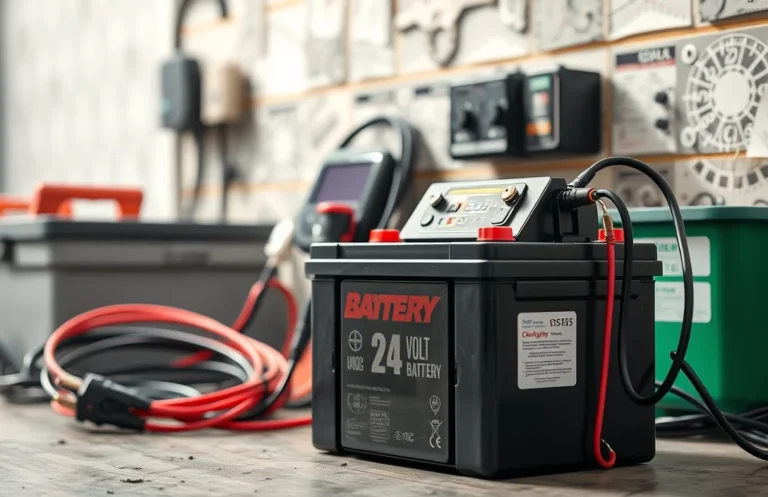
Yes, you can use a car battery for a trolling motor, but consider voltage requirements, weight, and run time. Car batteries are typically heavier and may not provide the same efficiency as dedicated trolling motor batteries.
Compatibility of Car Batteries
Understanding the compatibility of car batteries with trolling motors begins with two key specifications: voltage and amperage. Most car batteries operate at 12 volts, which aligns with the voltage requirements of many trolling motors. However, the amperage rating is critical as it determines how long the battery can power the motor effectively.
A typical car battery has a higher cold cranking amp (CCA) rating than the deep-cycle batteries often recommended for trolling motors. While you can use a car battery, it’s essential to consider how the battery’s design affects performance. Car batteries are built for short bursts of energy, whereas trolling motors require sustained power. This difference can lead to quicker depletion of the car battery when used in this application.
To summarize, while a car battery can technically power a trolling motor due to matching voltage, the differences in design and intended usage can lead to inefficiencies. For optimal performance and longevity, particularly for extended use, a deep-cycle battery is generally a more suitable choice.
Safety Considerations for Use
Using a car battery for a trolling motor can pose several safety risks that need to be understood and mitigated. These risks primarily stem from the differences in design and intended use between car batteries and marine batteries. Recognizing these factors is crucial for safe operation.
One significant concern is the risk of overloading the battery. Car batteries are designed for short bursts of high power, such as starting an engine, while trolling motors require sustained power over longer periods. This can lead to overheating, which increases the risk of battery failure or even fire. Ensure that the battery is rated for deep cycle use if you decide to use it in a marine environment.
Additionally, improper connections can lead to electrical shorts, which can cause sparks or potentially damage equipment. Always use appropriate connectors and ensure that all wiring is securely fastened and insulated. Water exposure is another hazard; car batteries are not typically sealed against moisture, which can lead to corrosion or leakage of harmful chemicals.
Lastly, always wear protective gear, such as gloves and goggles, when handling batteries. This minimizes the risk of injury from acid spills or electric shock. Understanding these safety considerations helps ensure that using a car battery in a trolling motor is executed safely and effectively.
Efficiency Compared to Marine Batteries
Understanding the efficiency of car batteries versus dedicated marine batteries is crucial for optimal performance in a trolling motor. While both types of batteries provide power, their design and intended use significantly affect their efficiency and lifespan in marine applications.
Car batteries, primarily designed for short bursts of high power to start an engine, are not optimized for the prolonged, steady discharge required by trolling motors. This difference in design means that using a car battery may lead to quicker depletion and potential damage to the battery. On the other hand, marine batteries, particularly deep cycle types, are built to handle consistent, extended use, making them more efficient for trolling motors.
Marine batteries typically have a higher amp-hour rating compared to car batteries of similar size, allowing for longer run times. Additionally, they are constructed to withstand the rigors of a marine environment, including vibrations and exposure to moisture. This resilience contributes to their efficiency and longevity when used in boating applications.
In summary, while a car battery can technically power a trolling motor, it will not perform as efficiently or last as long as a dedicated marine battery designed for such use. Choosing the right battery type is essential for maintaining performance and safety on the water.
Battery Size and Weight Factors
The size and weight of a car battery significantly influence the performance of a trolling motor. Understanding these factors can help ensure that the setup operates efficiently and safely. Here are key considerations regarding size and weight:
- Weight Capacity: Check the weight capacity of your trolling motor and boat. A car battery is typically heavier than a marine battery, which may affect the boat’s balance and maneuverability. Ensure the total weight doesn’t exceed the limits.
- Space Availability: Assess the available space in your boat for the battery. Car batteries can be bulkier, which may complicate installation or limit your options for battery placement.
- Compatibility with Motor: Verify that the dimensions of the car battery fit within the specifications required by your trolling motor. An ill-fitting battery may lead to performance issues or potential damage.
- Weight Distribution: Proper weight distribution is crucial for stability on the water. A heavier battery can shift the center of gravity, so consider how it will affect handling and steering.
By carefully evaluating these factors, you can make an informed decision about using a car battery for your trolling motor setup.
Charging and Maintenance Needs
Car batteries require specific charging and maintenance to ensure they operate efficiently when used for a trolling motor. Understanding these needs is crucial to prolonging battery life and ensuring optimal performance.
Regular charging is essential. A car battery should be charged after each use, especially if it has been heavily discharged. This helps prevent sulfation, a process that can diminish battery capacity over time. Use a quality charger designed for lead-acid batteries, and avoid overcharging, which can lead to overheating and damage.
Maintenance tasks include checking the battery terminals for corrosion. Clean the terminals using a mixture of baking soda and water if corrosion is present, as this can hinder electrical connections. Additionally, regularly inspect the battery for any signs of physical damage or leaks. Keeping the battery clean and securely mounted will also enhance its performance.
Lastly, store the battery in a cool, dry place when not in use. Extreme temperatures can adversely affect battery life. If the battery will be stored for an extended period, consider using a trickle charger to maintain its charge level.
Legal and Warranty Implications
Using a car battery for a trolling motor can have legal and warranty consequences. Many manufacturers specify using particular types of batteries in their products, and deviating from these recommendations may void warranties. It’s crucial to read the warranty terms and conditions for both the trolling motor and the battery.
Additionally, some local laws govern the types of batteries allowed for watercraft. These regulations are often in place to ensure safety and environmental protection. Using a battery that does not comply with these laws could result in fines or other legal issues.
Before proceeding, verify that your chosen battery meets the specifications set by the motor’s manufacturer. Document any modifications or usage outside of standard guidelines, as this information may be necessary if warranty claims arise. Always prioritize compliance with safety standards to avoid complications down the line.
Quick Summary
- Car batteries can be used for trolling motors, but they are not the ideal choice.
- Trolling motors typically require deep cycle batteries for optimal performance.
- Car batteries are designed for short bursts of high power, while trolling motors need sustained power over longer periods.
- Using a car battery may lead to quicker depletion and reduced lifespan due to deep discharges.
- Deep cycle batteries can be recharged more effectively after being drained compared to car batteries.
- Consider the weight and size of the battery when mounting it on your boat.
- Always check the voltage and amp-hour ratings to ensure compatibility with your trolling motor.
Frequently Asked Questions
Can I use a car battery for a trolling motor?
Yes, you can use a car battery for a trolling motor, but it’s not the best option. Car batteries are designed for short bursts of high power, while trolling motors require a steady output over longer periods.
What type of battery is best for a trolling motor?
Deep-cycle marine batteries are the best choice for trolling motors. These batteries are designed to provide a steady amount of power over extended periods, making them more suitable for prolonged use.
How long will a car battery last when used with a trolling motor?
The duration a car battery lasts with a trolling motor depends on the motor’s power and the battery’s capacity. Typically, you can expect a car battery to last a few hours, but this varies widely and is usually less than a deep-cycle battery.
Can using a car battery damage my trolling motor?
Using a car battery won’t necessarily damage your trolling motor, but it can lead to inconsistent performance. If the battery doesn’t provide the required consistent power, it might cause the motor to overheat or fail prematurely.
What are the advantages of using a deep-cycle battery over a car battery?
Deep-cycle batteries provide a consistent power output and are designed for repeated deep discharges, making them ideal for trolling motors. They have a longer lifespan and better performance in situations where prolonged usage is required.