How Low Battery Levels in Your Thermostat Impact Heating Performance
Have you recently moved into your new home and found yourself puzzled by the thermostat? You’re not alone. Many new homeowners wonder how low battery levels can affect their heating system and overall comfort. Understanding this can help you maintain a cozy environment and save on energy costs.
Low battery levels can disrupt communication between your thermostat and heating system, leading to inconsistent temperatures or even complete system failure. Keeping an eye on your battery status is essential for optimal performance and energy efficiency.
Symptoms of Low Battery
Recognizing the signs of low battery levels in your thermostat is crucial to maintaining effective heating in your home. When the battery is running low, the thermostat may not function properly, leading to discomfort and energy inefficiency. Here are some common symptoms to watch for.
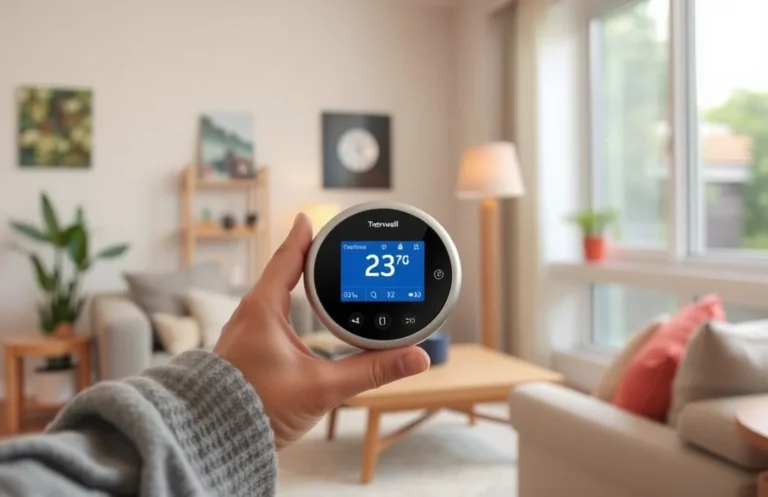
One of the most noticeable signs is a blank or dim display on the thermostat. If you notice that the screen is not lit or only partially visible, it may be time to replace the batteries. Additionally, the thermostat may become unresponsive to changes in temperature settings. If you adjust the temperature but the heating system doesn’t react, it could indicate low battery levels. Lastly, frequent short cycling of the heating system—turning on and off quickly—may also be related to battery issues, as the thermostat struggles to communicate with the heating unit effectively.
Impact on Heating Efficiency
Low battery levels can significantly hinder the efficiency of your heating system. A thermostat relies on a stable power supply to communicate accurate temperature readings and maintain desired settings. When the battery is low, it may struggle to perform these functions effectively, leading to inconsistent heating and increased energy consumption.
- Monitor Battery Levels: Regularly check the battery status of your thermostat. Many models have indicators that alert you when the battery is running low.
- Replace Batteries Promptly: If you notice a low battery alert, replace the batteries immediately. This ensures your thermostat operates at peak efficiency.
- Check Connections: After changing the batteries, ensure all connections are secure. Loose connections can also affect performance.
- Test Functionality: Once the batteries are replaced, adjust the temperature settings and observe if the heating system responds promptly. Delays may indicate other issues.
By keeping an eye on battery levels and replacing them when necessary, you can help ensure your heating system operates smoothly, maintaining comfort and energy efficiency in your home.
Temperature Fluctuations Explained
Low battery levels in your thermostat can lead to inconsistent temperature readings, which directly impacts how effectively your heating system operates. When the battery is low, it may not provide accurate data to the heating system, resulting in temperature swings that can cause discomfort and increase energy costs. Here’s how to understand and address this issue:
- Check the battery level regularly. Most thermostats will display a low battery warning. If you see this alert, replace the batteries immediately.
- Monitor temperature readings. If your home feels warmer or colder than the set temperature, it may indicate that your thermostat is malfunctioning due to low battery levels.
- Calibrate your thermostat if possible. Some models allow for calibration adjustments to improve accuracy. Refer to your thermostat’s manual for specific instructions.
- Consider the age of your thermostat. Older models may be more susceptible to inaccuracies, so keep this in mind when troubleshooting temperature issues.
By paying attention to your thermostat’s battery levels and performance, you can maintain a comfortable environment and avoid unnecessary heating costs.
Delayed Heating Response
Low battery levels can significantly delay the activation of your heating system. When the battery in your thermostat is running low, it may not send the proper signals to your heating unit, causing a lag in response time. This can lead to uncomfortable temperature fluctuations in your home.
- Check the battery status regularly. Keep an eye on the battery indicator, if available, to catch low levels before they impact performance.
- Test the thermostat by adjusting the temperature setting. If there’s a noticeable delay in the heating system activating, it might indicate that the battery is low.
- Listen for any unusual noises from the heating unit. If it struggles to start or seems to hesitate, the thermostat’s battery could be the culprit.
- Replace the battery promptly. If you suspect low battery levels, change the battery to ensure your heating system operates efficiently.
- Monitor the heating response after replacing the batteries. If the system activates promptly, the battery was indeed the issue.
By staying proactive about battery maintenance, you can prevent delays in your heating system’s performance and maintain a comfortable home environment.
Battery Replacement Frequency
Regularly checking and replacing your thermostat’s batteries is crucial for maintaining effective heating performance. Low battery levels can lead to inconsistent heating and other performance issues. Follow these steps to ensure your thermostat operates optimally:
- Check the batteries every three months. Set a reminder on your calendar to make this a routine part of your home maintenance.
- Replace batteries at least once a year, even if the thermostat appears to be functioning normally. This proactive approach can prevent unexpected failures.
- Monitor the battery indicator. Many modern thermostats have a low battery alert. Pay attention to these notifications and replace batteries promptly.
- Keep spare batteries on hand. Having compatible batteries available will save you time when it’s necessary to replace them.
By maintaining a consistent battery replacement schedule, you can avoid the pitfalls associated with low battery levels in your thermostat, ensuring reliable heating performance throughout your home.
Choosing the Right Batteries
Selecting compatible batteries for your thermostat is crucial for maintaining optimal heating performance. Using the correct type and size ensures that your thermostat operates effectively, which directly impacts your comfort and energy efficiency. Here are some key tips for choosing the right batteries:
- Check the owner’s manual for the specific battery type and size required by your thermostat model.
- Choose high-quality batteries from reputable brands, as these tend to have better longevity and reliability.
- Consider lithium batteries for longer-lasting performance, especially in digital thermostats that consume more power.
- Avoid mixing old and new batteries, or different brands, as this can lead to uneven power distribution and malfunction.
- Purchase batteries in bulk to ensure you have spares on hand when replacement is needed.
By selecting the right batteries, you reduce the likelihood of low battery issues that can affect heating performance and keep your home comfortable.
Preventive Maintenance Tips
Proper maintenance of your thermostat is crucial to avoid low battery issues that can impact heating performance. By following a few simple steps, you can ensure your heating system operates efficiently and comfortably throughout the year.
- Regular Battery Checks: Schedule a monthly check of your thermostat batteries. This can prevent unexpected failures that affect temperature regulation.
- Replace Batteries Promptly: If you notice the battery indicator is low, replace the batteries immediately to maintain optimal function.
- Keep the Thermostat Clean: Dust and debris can interfere with the thermostat’s sensors. Gently clean the unit with a soft cloth to ensure it operates correctly.
- Inspect Wiring Connections: Periodically check for loose or corroded wiring connections. Secure connections are essential for proper signal transmission.
- Use Quality Batteries: Invest in high-quality batteries that have a longer lifespan and better performance. This can reduce the frequency of replacements.
- Program Settings: Utilize programmable settings to optimize energy use and reduce battery drain during periods of low activity.
- Consult a Professional: If you’re unsure about maintenance or troubleshooting, consider hiring a professional to inspect and service your HVAC system.
By implementing these tips, you can maintain your thermostat effectively and minimize the risk of low battery levels impacting your heating system.
Quick Summary
- Low battery levels in a thermostat can disrupt the communication between the thermostat and the heating system.
- A thermostat with low batteries may fail to signal the heating system to turn on, leading to inadequate heating.
- Some thermostats may display warning signs or errors when battery levels are low, prompting users to replace them.
- Maintaining fresh batteries in a thermostat ensures reliable performance and consistent heating control.
- Regularly checking and replacing batteries can prevent unexpected heating issues during cold weather.
- Smart thermostats may have battery life indicators that help users monitor and manage battery health effectively.
- In case of heating problems, checking the thermostat battery should be one of the first troubleshooting steps.
Frequently Asked Questions
1. Can a low battery in my thermostat affect the heating system?
Yes, a low battery can impact your thermostat’s ability to function properly. If the battery is too low, the thermostat may not send signals to the heating system, leading to inconsistent temperatures or the system not turning on at all.
2. How do I know if the battery in my thermostat is low?
Most digital thermostats have a low battery indicator on the display. If you notice the display is dim or there are warning messages, it’s a good idea to check and replace the batteries to ensure proper operation.
3. What type of batteries do thermostats typically use?
Most thermostats use AA or AAA batteries, but some may require specialized batteries. Always refer to your thermostat’s manual for the correct battery type and replacement instructions.
4. Will changing the battery in my thermostat improve heating efficiency?
Yes, replacing a low or dead battery can restore the thermostat’s functionality, allowing it to accurately regulate the temperature. This can lead to more efficient heating and improved comfort in your home.
5. How often should I check or change the batteries in my thermostat?
It’s a good practice to check the batteries at least twice a year, ideally during seasonal changes. Regular maintenance can help prevent unexpected heating issues and ensure your system runs efficiently.

- How to Jump-Start a Motorcycle with a Car Battery Safely - February 22, 2026
- Does Life360 Really Drain Your Battery? What You Should Know - February 22, 2026
- Do Hardwired Smoke Detectors Need Batteries for Backup Support? - February 22, 2026