How to Safely Jump a Bike Battery Using a Car
Have you ever found yourself stranded with a dead bike battery and wondered if a car could help? Many riders face this dilemma, and knowing how to jump-start a bike with a car can save you time and hassle when you’re on the road.
Yes, you can jump a bike battery with a car. Just remember these key points: ensure both vehicles are off, connect the positive terminals first, then the negative terminals, and allow the bike to charge briefly before attempting to start it.
Compatibility of Car and Bike Batteries
Understanding whether you can jump a bike battery with a car is essential for safe and effective battery jumping. Car batteries generally have a higher voltage and capacity than bike batteries. A standard car battery is typically 12 volts, while most motorcycle batteries are also 12 volts, which means they can theoretically be compatible. However, the difference in amperage can create risks.
When using a car to jump a bike battery, consider the power output. Car batteries can supply much higher amperage, which may damage the smaller bike battery if not done cautiously. To mitigate this risk, always connect the jumper cables properly and ensure the car is turned off during the initial connection. Start the car only after the connections are secure to prevent a sudden surge of power that could harm the bike battery.
Required Tools for Jump Starting
Before attempting to jump a motorcycle battery with a car, it’s essential to gather the necessary tools to ensure a safe and effective process. Having the right equipment will help you avoid complications and make the jump start easier. Here’s what you need:
- Jumper Cables: A set of heavy-duty jumper cables is crucial. Ensure they are long enough to connect the car and bike without strain.
- Safety Gloves: Wearing gloves protects your hands from any accidental sparks or battery acid.
- Safety Goggles: Protect your eyes from any potential battery leaks or sparks during the process.
- Multimeter: A multimeter can help check the voltage of the bike battery before and after the jump.
- Car with a Functional Battery: A fully charged car battery is necessary to provide the jump needed for the bike.
Having these tools on hand will prepare you for the next steps in safely jump starting your bike’s battery using a car.
Step-by-Step Jumping Process
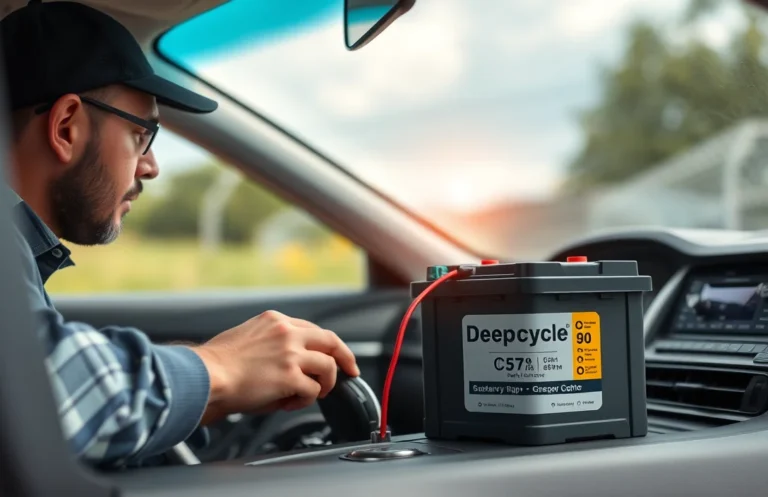
Once you have gathered the necessary tools and equipment, it’s time to proceed with the actual process of jumping a bike battery. This step involves connecting the jumper cables correctly to ensure a successful jump start while minimizing any risks. Follow these detailed steps to accomplish this safely and effectively.
- Position the Vehicles: Park the car next to the bike, ensuring they are close enough for the jumper cables to reach both batteries. Turn off both vehicles and engage the parking brakes.
- Identify the Battery Terminals: Locate the positive (+) and negative (-) terminals on both the bike battery and the car battery. Clean any corrosion if necessary.
- Connect the Jumper Cables: Begin by attaching one end of the red (positive) jumper cable to the positive terminal of the bike battery. Then, connect the other end of the red cable to the positive terminal of the car battery.
- Attach the Negative Cable: Connect one end of the black (negative) jumper cable to the negative terminal of the car battery. Finally, attach the other end to a grounded metal surface on the bike, away from the battery. This reduces the risk of sparks igniting any hydrogen gas released from the battery.
- Start the Car: Start the engine of the car and let it run for a few minutes. This allows the car battery to transfer power to the bike battery.
- Attempt to Start the Bike: After a few minutes, try starting the bike. If it doesn’t start, wait a bit longer, then attempt again.
Safety Precautions to Follow
Before proceeding with jumping a bike battery using a car, ensuring your safety and the safety of your equipment is paramount. Following proper precautions can prevent accidents and damage to both vehicles. Here’s a crucial safety measure to keep in mind.
Always wear appropriate personal protective equipment (PPE) while working with batteries. This includes safety goggles to protect your eyes from acid splashes and gloves to shield your hands from any harmful substances. Additionally, wearing long sleeves and closed-toe shoes helps protect your skin and feet from potential spills or sparks. Make sure to work in a well-ventilated area to avoid inhaling any harmful gases that may escape from the battery. If you notice any swelling or leaks on the battery, do not attempt to jump-start it; instead, seek professional assistance. This simple precaution can significantly reduce the risk of injury or damage.
Signs of a Bad Bike Battery
Recognizing the signs of a failing battery is crucial before attempting to jump it with a car. A bad battery may impact your ability to start the bike and can even cause damage to electrical components. Look out for these common indicators of battery issues.
One of the most obvious signs is a slow or weak cranking sound when you try to start the bike. If the engine turns over sluggishly or not at all, the battery may not have sufficient voltage. Additionally, if you notice corrosion around the battery terminals, this can indicate a bad connection or deterioration. Check for any swelling or bulging in the battery casing, which suggests internal damage. Finally, if your bike’s electrical systems, such as lights or indicators, are flickering or not functioning properly, this could also point to battery failure.
Post-Jump Battery Care
After successfully jump-starting your bike battery with a car, proper care is essential to ensure its longevity and performance. Following a few simple steps can help maintain the battery’s health and prevent future issues. Here are key actions to take post-jump:
- Check the battery terminals: Ensure the connections are clean and tight. Corrosion can develop, impacting performance.
- Inspect the battery: Look for any visible damage or leaks. If the battery casing is cracked or swollen, consider replacing it.
- Charge the battery: If possible, use a battery charger to fully recharge the bike battery. This can help restore its capacity and prevent drain.
- Test the battery: After charging, use a multimeter to check the voltage. A healthy battery should read around 12.6 volts or more when fully charged.
- Monitor usage: Pay attention to how the battery performs in the following weeks. If you experience frequent issues starting the bike, further investigation may be needed.
- Store properly: If the bike will not be used for an extended period, remove the battery and store it in a cool, dry place, ideally on a battery maintainer.
By implementing these steps, you can significantly extend the life of your battery and ensure your bike is ready to ride whenever you are.
Alternatives to Jump Starting
If you’re unable to jump a bike battery with a car or prefer not to, there are several practical alternatives to consider. These methods can help you get your bike operational without the risks associated with connecting to a car battery.
One effective alternative is using a dedicated battery charger designed for motorcycle batteries. These chargers are specifically built to handle the lower voltage and different chemistry of bike batteries, ensuring a safe and efficient charge. Simply connect the charger to the battery terminals, plug it in, and let it charge according to the manufacturer’s instructions.
Another option is to use a portable jump starter. These compact devices are easy to carry and can provide enough power to start your bike without the need for another vehicle. Ensure the jump starter is compatible with your bike’s battery type, and follow the instructions for connecting it properly.
Lastly, consider a push start if your bike is equipped for it. This method involves rolling the bike to gain momentum and then engaging the clutch and shifting into gear to start the engine. Ensure the bike is on a flat surface and that you have enough assistance for safety.
Quick Summary
- Jumping a bike battery with a car battery is possible but requires caution.
- Ensure the bike battery is 12 volts; most car batteries are also 12 volts.
- Connect the jumper cables in the correct order: positive to positive, negative to a ground on the bike.
- Start the car and let it run for a few minutes to charge the bike battery.
- Disconnect the cables in reverse order to prevent electrical shorts.
- Always check the bike’s manual for any specific recommendations or warnings.
- Using a car battery can potentially damage a smaller bike battery if not done carefully.
Frequently Asked Questions
Can you jump a bike battery with a car?
Yes, you can jump a bike battery with a car, but it requires careful handling. Make sure the voltage of the bike battery is compatible with the car’s battery, as most bike batteries are 12V. Always follow safety precautions to avoid damage or injury.
What precautions should I take when jumping a bike battery?
Always wear safety goggles and gloves to protect yourself from sparks or acid. Ensure both vehicles are turned off before connecting the cables, and follow the correct order when attaching and disconnecting the jumper cables.
Do I need special cables for jumping a bike battery?
Standard jumper cables are typically sufficient for jumping a bike battery. However, using shorter cables can sometimes make the process easier, especially in tight spaces. Just ensure the cables are in good condition and rated for the necessary amperage.
What if the bike battery does not hold a charge after jumping?
If the bike battery does not hold a charge after being jumped, it may be damaged or too old to hold a charge effectively. Consider testing the battery with a multimeter or taking it to a professional for further evaluation.
Can jumping a bike battery with a car cause any damage?
Jumping a bike battery with a car can potentially cause damage if the cables are connected incorrectly or if the car battery delivers too much current. Always follow the proper procedure and check the compatibility of the batteries to minimize the risk of damage.

- How to Jump-Start a Motorcycle with a Car Battery Safely - February 22, 2026
- Does Life360 Really Drain Your Battery? What You Should Know - February 22, 2026
- Do Hardwired Smoke Detectors Need Batteries for Backup Support? - February 22, 2026