How to Jump-Start a Motorcycle with a Car Battery Safely
Jump-starting a motorcycle using a car battery can seem daunting, especially for new riders. Many worry about damaging their bike or battery. However, with the right knowledge and precautions, you can safely revive your motorcycle and get back on the road quickly.
Yes, you can jump a motorcycle with a car battery. Just remember to match the voltage, connect cables correctly, and follow safety precautions to avoid damage. Always consult your motorcycle’s manual for specific instructions before proceeding.
Is It Safe to Jump-Start?
Using a car battery to jump-start a motorcycle can be safe if done correctly. However, there are key considerations to keep in mind to prevent damage to either vehicle. Motorcycles typically have smaller batteries and electrical systems that may not handle the higher voltage of a car battery well.
Ensure that the motorcycle’s battery is 12 volts, which is standard. Using a car battery is generally acceptable for jump-starting, but you must connect the cables properly to avoid short circuits or other electrical issues. Always connect the positive terminal first, followed by the negative terminal, and ensure that the car is turned off while you make the connections. Once everything is securely connected, start the car and allow it to run for a few minutes before attempting to start the motorcycle.
Be cautious of the motorcycle’s electrical system. If you notice any unusual sounds or smells while jump-starting, disconnect immediately. Proper precautions will help you safely start your motorcycle without causing harm to its battery or electrical components.
Required Equipment for Jump-Starting
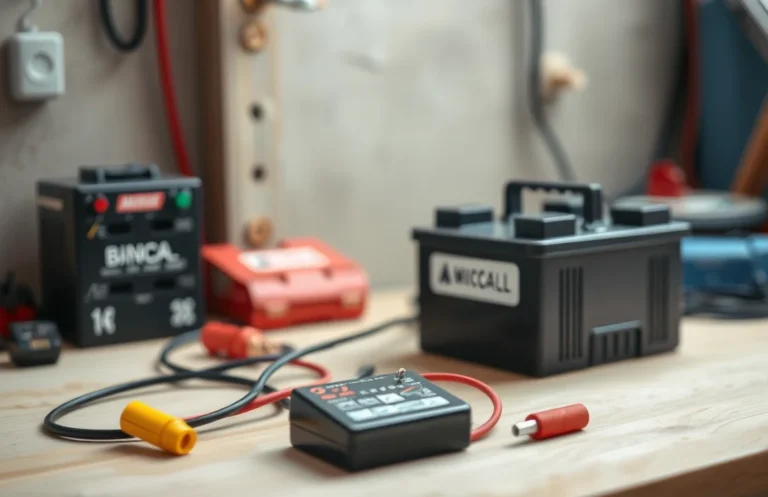
Before attempting to jump-start your motorcycle, gather the necessary tools to ensure a safe and effective process. Having the right equipment on hand not only makes the task easier but also minimizes the risk of damaging either vehicle. Here’s what you’ll need:
- Jumper Cables: Heavy-duty jumper cables are essential for connecting the car battery to your motorcycle battery. Ensure they are in good condition with no fraying or corrosion.
- Car with a Functional Battery: A running vehicle is required to provide the necessary power. Make sure it’s compatible with your motorcycle’s battery voltage.
- Protective Gear: Gloves and safety glasses are recommended to protect yourself from any potential sparks or acid leakage.
- Multimeter (Optional): This tool can help you check the voltage of your motorcycle battery before and after jump-starting.
Having these items readily available will streamline the process and enhance your safety while jump-starting your motorcycle with a car battery.
Correct Jumper Cable Connection
Properly connecting jumper cables is crucial for safely jump-starting your motorcycle. Incorrect connections can damage the motorcycle’s electrical system or pose safety hazards. Follow these steps to ensure a correct and safe connection between the motorcycle and the car battery.
- Identify the positive and negative terminals: Locate the positive terminal (often marked with a “+” symbol) and the negative terminal (marked with a “-” symbol) on both the motorcycle and car battery.
- Connect the positive cable: Attach one end of the red jumper cable to the positive terminal of the car battery. Then, connect the other end to the positive terminal on the motorcycle.
- Connect the negative cable: Attach one end of the black jumper cable to the negative terminal of the car battery. Instead of connecting it directly to the motorcycle’s negative terminal, find a metal ground point on the motorcycle frame (like a bolt) and attach the other end there. This reduces the risk of sparks near the battery.
Following these steps carefully will help you establish a safe connection for jump-starting your motorcycle without damaging it or the battery.
Steps to Jump-Start a Motorcycle
Once you have connected the jumper cables correctly, it’s time to jump-start the motorcycle. This process involves using the car battery to provide the necessary power to start your bike. Follow these steps carefully to ensure a safe and effective jump-start.
- Start the Car: Turn on the vehicle that has the good battery. Allow it to run for a few minutes. This will recharge the motorcycle battery.
- Check Connection: Ensure that the connections are secure and there is no sparking at the terminals. Safety is paramount.
- Attempt to Start the Motorcycle: After a few minutes, try to start the motorcycle. If it doesn’t start immediately, wait another minute and try again.
- Listen for Signs: If the bike makes a clicking sound but doesn’t start, the battery may be too weak. Let the car run longer before trying again.
- Once Started, Disconnect: As soon as the motorcycle starts, carefully disconnect the jumper cables in the reverse order of connection. Start with the negative cable from the motorcycle, followed by the negative cable from the car, then the positive cable from the motorcycle, and lastly, the positive cable from the car.
- Let the Motorcycle Run: Allow the motorcycle to run for at least 10-15 minutes to recharge its battery before turning it off.
Potential Risks to Avoid
Jump-starting a motorcycle with a car battery can be straightforward, but several risks can lead to damage or injury if not managed properly. Awareness of common mistakes will help ensure a safe and effective process. Here are the main risks to watch for.
One critical mistake is connecting the jumper cables incorrectly. Always ensure the positive cable (red) is connected to the positive terminal of both the car and the motorcycle, while the negative cable (black) should be connected to the car’s negative terminal and the motorcycle’s ground point. Misconnections can cause sparks, damage electrical components, or even lead to battery explosions.
Another risk is attempting to jump-start a motorcycle with a dead battery that has other underlying issues, such as a faulty alternator or wiring problems. It’s essential to diagnose the problem accurately before trying to jump-start. If the battery is leaking or swollen, avoid jump-starting altogether and replace it instead.
Lastly, ensure that both vehicles are off before making connections. Starting the car while connected can send a surge of power that may damage the motorcycle’s electrical system. Always double-check your connections and steps to prevent accidents and ensure a smooth jump-starting process.
After Jump-Starting Care
Once your motorcycle has been successfully jump-started, it’s essential to perform a few follow-up tasks to ensure its health and reliability. Neglecting these steps could lead to further battery issues or even damage to the electrical system. Here’s what you should do immediately after jump-starting.
First, let the motorcycle run for at least 15-20 minutes. This allows the charging system to replenish the battery’s charge and gives the battery a chance to recover. If possible, ride the motorcycle during this time rather than letting it idle. Riding helps maintain a consistent charge and can prevent overheating.
Next, check the battery terminals for any corrosion or loose connections. Clean any corrosion with a mixture of baking soda and water if necessary, and ensure all terminals are securely tightened. This can help avoid future starting issues.
Finally, consider testing the battery’s voltage with a multimeter after the ride. A healthy motorcycle battery should read around 12.6 volts or higher when fully charged. If the voltage is low, it may indicate that the battery needs replacing or further diagnostics are required.
When to Call a Professional
If you’re uncertain about jump-starting your motorcycle with a car battery, it’s best to seek professional help. This is especially crucial if your motorcycle’s electrical system shows signs of damage, such as blown fuses or frayed wires. Attempting to jump-start a bike with existing electrical issues can lead to further complications or even permanent damage.
Additionally, if the battery is old or has not been maintained properly, it may not hold a charge regardless of jump-starting attempts. A professional can assess the battery’s condition and determine whether it needs replacement. Always prioritize safety; if you feel uncomfortable or lack the necessary tools, it’s wise to leave it to the experts.
Quick Summary
- Jump-starting a motorcycle with a car battery is generally possible but requires caution.
- Ensure both vehicles are turned off before connecting the jumper cables.
- Use the correct jumper cable connections: positive to positive and negative to negative.
- Be aware of the voltage differences; most motorcycles use a 12V battery like cars.
- Monitor for sparks and potential battery damage; motorcycles may have sensitive electronics.
- Disconnect the cables in reverse order to avoid sparks and short circuits.
- Consult the owner’s manual for specific recommendations related to your motorcycle model.
Frequently Asked Questions
Can I jump a motorcycle with a car battery?
Yes, you can jump-start a motorcycle using a car battery, but it’s important to take precautions. Ensure the car is turned off and the motorcycle battery voltage matches the car battery voltage, typically 12 volts.
What safety precautions should I take?
Before attempting to jump-start your motorcycle, wear safety goggles and gloves. Make sure both batteries are in good condition, and avoid letting the battery terminals touch each other to prevent a short circuit.
How do I properly connect the jumper cables?
Connect the positive (red) cable to the positive terminal of the motorcycle battery first, then connect the other end to the positive terminal of the car battery. Next, connect the negative (black) cable to the negative terminal of the car battery, and finally connect the other end to a grounded metal part of the motorcycle, away from the battery.
What should I do after jump-starting the motorcycle?
Once the motorcycle starts, remove the jumper cables in the reverse order of connection. Let the motorcycle run for a while to allow the battery to recharge, and consider checking the battery condition to ensure it’s functioning properly.
Can jump-starting damage my motorcycle?
If done incorrectly, jump-starting can potentially damage your motorcycle’s electrical system. To minimize risks, always follow proper procedures, avoid over-revving the motorcycle after starting, and ensure your motorcycle battery is compatible with the car battery.

- How to Jump-Start a Motorcycle with a Car Battery Safely - February 22, 2026
- Does Life360 Really Drain Your Battery? What You Should Know - February 22, 2026
- Do Hardwired Smoke Detectors Need Batteries for Backup Support? - February 22, 2026