How to Safely Jumpstart a Motorcycle with a Car Battery
If your motorcycle won’t start, you might be wondering if you can jumpstart it using a car battery. This common question can feel overwhelming, especially for beginners. Understanding the right process can help you get back on the road without damaging your bike.
Yes, you can jumpstart a motorcycle with a car battery, but there are key precautions to take. Make sure to connect the cables correctly and avoid overloading the motorcycle’s electrical system. Following the right steps can ensure a safe start.
Compatibility of Car Battery
Using a car battery to jumpstart your motorcycle can be effective, but there are key compatibility factors to consider. Car batteries typically have a higher voltage and capacity than motorcycle batteries. While both are generally 12 volts, the amperage difference can affect how the jumpstart process works. Understanding this compatibility helps ensure you don’t damage your bike’s electrical system.
Car batteries are designed to deliver a large amount of current for a short period, which is ideal for starting a vehicle with a larger engine. Motorcycles, however, require less current to start. If the connection is not made correctly, or if the car battery has too much power, it could potentially overwhelm your motorcycle’s electrical components. Always ensure that the battery’s specifications are similar to your motorcycle’s to avoid any mishaps during the jumpstart process.
Required Equipment and Tools
Before you attempt to jumpstart your motorcycle, gather the necessary equipment and tools to ensure the process is safe and effective. Having everything at hand not only simplifies the task but also minimizes the risk of damaging your bike or the car battery.
Here’s what you’ll need:
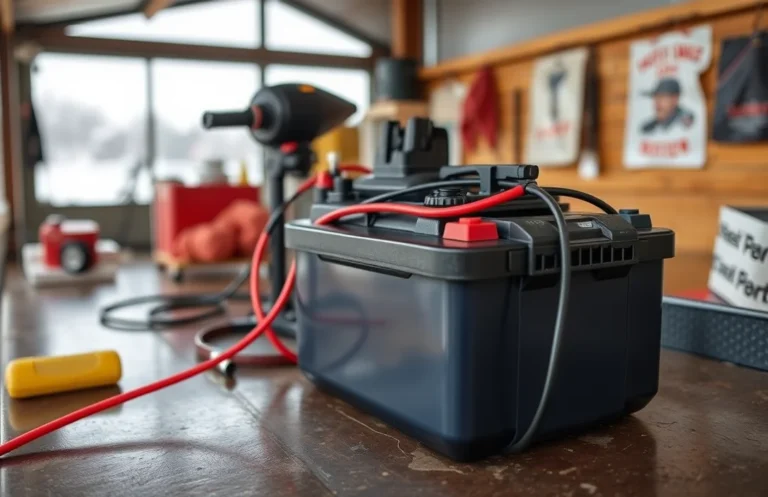
- Jumper Cables: A good set of jumper cables is essential. Make sure they are thick and long enough to reach from the car battery to your motorcycle.
- Safety Gloves: Wearing gloves protects your hands from any accidental contact with battery acid or sparks.
- Safety Glasses: Protect your eyes from any potential battery acid splashes or sparks that might occur during the jumpstart process.
- Car with a Charged Battery: Ensure the vehicle you’re using has a fully charged battery, as it will provide the necessary power to jumpstart your motorcycle.
- Owner’s Manual: Keep your motorcycle’s owner manual nearby. It may provide specific instructions or warnings related to jumpstarting.
With these items ready, you can move on to the next steps without unnecessary delays or complications.
Proper Connection Steps
Connecting the batteries properly is crucial for safely jumpstarting a motorcycle with a car battery. Follow these steps to ensure that you make the connections correctly, minimizing the risk of damage to either battery.
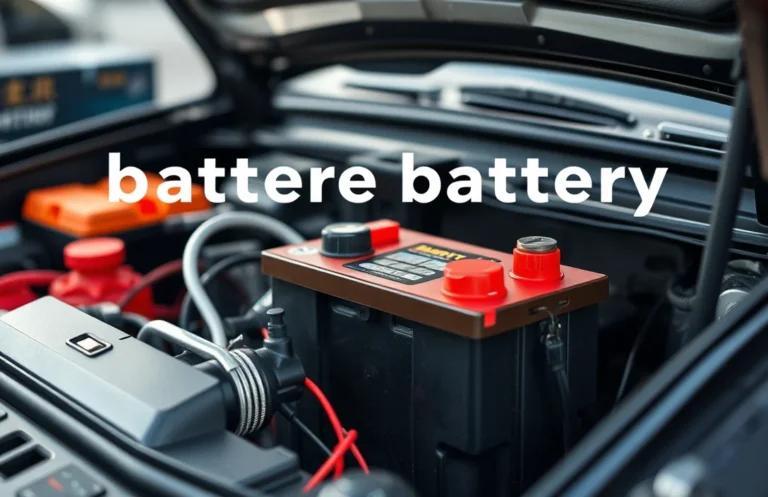
- Locate the terminals: Identify the positive (+) and negative (-) terminals on both the motorcycle and the car battery. The positive terminal is usually marked with a red cover or line.
- Connect the positive cable: Take the red jumper cable and attach one end to the positive terminal of the motorcycle battery. Then, connect the other end of the same cable to the positive terminal of the car battery.
- Connect the negative cable: Next, take the black jumper cable and attach one end to the negative terminal of the car battery. For the other end, connect it to a metal ground point on the motorcycle, such as an unpainted bolt or frame, rather than directly to the motorcycle’s negative terminal.
- Check your connections: Before proceeding, double-check that all connections are secure and that the cables are not touching anything that could cause a short circuit.
Following these steps will help you make the necessary connections correctly, ensuring a safe jumpstart for your motorcycle.
Safety Precautions to Follow
Before attempting to jumpstart your motorcycle with a car battery, ensure you are aware of the specific safety measures. One of the most crucial steps is to confirm that both the motorcycle and the car are turned off before you connect any cables. This prevents any electrical surge that could potentially damage the electrical systems of either vehicle.
Additionally, check the battery terminals for corrosion or dirt. Clean terminals will allow for better connectivity and reduce the risk of sparks. Always wear safety goggles and gloves to protect your eyes and hands from any accidental battery acid exposure or electrical shorts. Lastly, ensure that the motorcycle is in neutral and on stable ground to prevent it from rolling during the process. Following these precautions minimizes the risk of accidents and ensures a smoother jumpstart experience.
Signs of Potential Damage
Improperly jumpstarting your motorcycle can lead to several issues, potentially damaging critical components. It’s crucial to be aware of these signs so that you can act quickly and avoid further problems. Here are the key indicators to watch for right after you attempt to jumpstart it.
First, check for any unusual smells, particularly burning or electrical odors. These can indicate overheating wires or damaged components. Next, listen for strange noises from the electrical system, such as popping, crackling, or excessive clicking sounds. This could suggest that the battery or other electronic components are under stress.
Additionally, if your motorcycle’s lights flicker or fail to operate correctly after the jumpstart, it may signal an electrical issue. Take note if the bike struggles to start or if the engine turns over too slowly; these can be signs of battery damage or a malfunctioning starter system.
Lastly, if you notice any dashboard warning lights staying illuminated or new ones appearing, it’s essential to investigate further. Addressing these signs early can save you from costly repairs and keep your motorcycle in top condition.
Post-Jumpstart Maintenance
After successfully jumpstarting your motorcycle with a car battery, it’s crucial to perform some maintenance checks to ensure everything is functioning correctly. This step helps you identify any potential issues that may arise from the jumpstart process and ensures your bike is in good condition for your next ride.
Begin by inspecting the battery terminals for any corrosion or damage. Clean any corrosion using a mixture of baking soda and water, applying it with a brush if needed. Rinse the area with water and dry it thoroughly. Next, check the battery connections to ensure they are tight and secure. Loose connections can lead to poor electrical performance.
Then, take a moment to inspect the motorcycle’s electrical system. Look for any blown fuses or damaged wiring that may have been affected during the jumpstart. It’s also wise to check the battery’s charge level. If it appears low, consider charging it fully or replacing it if it’s old or failing.
Lastly, take your motorcycle for a short ride to see how it performs. Pay attention to any unusual noises or warning lights on the dashboard. This test will help you verify that everything is functioning as it should after the jumpstart process.
When to Seek Professional Help
If you find that jumpstarting your motorcycle with a car battery doesn’t work, or if your bike displays other electrical issues afterward, it’s time to consult a mechanic. Signs of trouble can include a persistent inability to start, unusual sounds when turning the key, or warning lights that remain illuminated.
Don’t hesitate to seek professional assistance when you’re unsure about your motorcycle’s condition. Taking the bike to a qualified technician can save you from potential damage that might occur from incorrect handling. Mechanics have the tools and expertise to diagnose underlying problems that may not be obvious to a beginner.
Remember, while jumpstarting is a useful skill, your safety and the health of your motorcycle should always come first. If in doubt, it’s better to leave it to the professionals.
Quick Summary
- Jumpstarting a motorcycle with a car battery is possible but requires caution.
- Ensure both vehicles are turned off before connecting the jumper cables.
- Connect the positive terminal of the car battery to the positive terminal of the motorcycle battery.
- Connect the negative terminal of the car battery to a grounded metal part of the motorcycle.
- Start the car and let it run for a few minutes before attempting to start the motorcycle.
- Once the motorcycle starts, remove the cables in the reverse order of connection.
- Consult the motorcycle’s manual for any specific jumpstarting instructions or precautions.
Frequently Asked Questions
1. Can I jumpstart my motorcycle with a car battery?
Yes, you can jumpstart a motorcycle using a car battery, but it’s important to follow the correct procedure. Motorcycles typically have a smaller electrical system, so ensure the car is turned off and do not let the car battery charge the motorcycle for too long.
2. What do I need to jumpstart my motorcycle?
You will need jumper cables and a car with a functioning battery. Make sure to wear gloves and goggles for safety, and check both batteries for any signs of damage before connecting them.
3. How do I connect the cables correctly?
First, connect the red (positive) cable to the positive terminal of the motorcycle battery, then to the positive terminal of the car battery. Next, connect the black (negative) cable to the negative terminal of the car battery and then to an unpainted metal surface on the motorcycle to ground it.
4. What should I avoid while jumpstarting my motorcycle?
Avoid connecting the negative cable directly to the motorcycle battery, as this can cause sparks and potential damage. Also, do not attempt to jumpstart if the motorcycle battery is severely corroded or damaged.
5. How do I know if the jumpstart worked?
After connecting the cables, try to start your motorcycle. If it starts, let it run for a few minutes to recharge the battery. If it does not start after a few attempts, you may need to check the battery’s condition or seek professional help.

- How to Jump-Start a Motorcycle with a Car Battery Safely - February 22, 2026
- Does Life360 Really Drain Your Battery? What You Should Know - February 22, 2026
- Do Hardwired Smoke Detectors Need Batteries for Backup Support? - February 22, 2026