Using a Deep Cycle Battery in a Car: Pros, Cons, and Considerations
Curious about whether you can use a deep cycle battery in your car? This question intrigues many vehicle owners who want to maximize their battery’s performance. Understanding the differences between battery types can help you make informed decisions for your automotive needs.
Yes, you can use a deep cycle battery in a car, but be aware of key differences. Deep cycle batteries are designed for long, steady discharges, while car batteries provide short bursts of power. Compatibility depends on your vehicle’s requirements and usage needs.
Deep Cycle vs. Starting Battery
Understanding the differences between deep cycle and starting batteries is crucial for determining their appropriate applications. While both types serve essential roles in powering vehicles, they are designed for distinct purposes. A starting battery provides a quick burst of energy to crank the engine, while a deep cycle battery is built to deliver sustained power over longer periods.
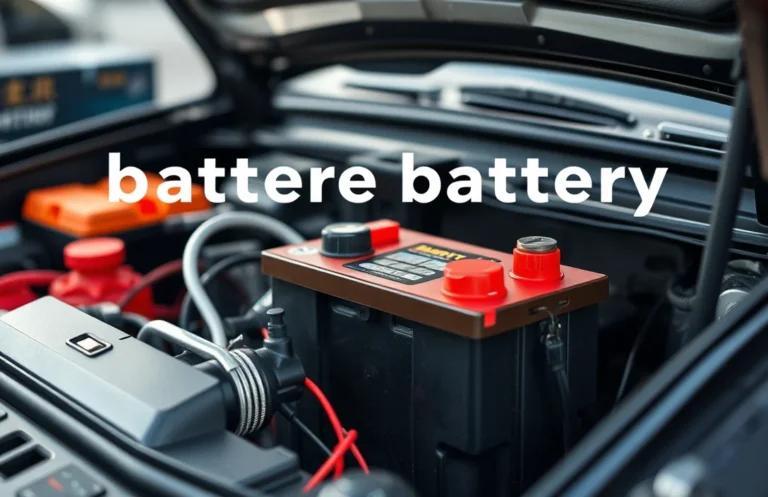
Starting batteries, typically found in most cars, are optimized for high current output. They have thin plates that allow for rapid energy release, necessary for starting an engine. Conversely, deep cycle batteries feature thicker plates and a different internal structure, enabling them to be discharged and recharged repeatedly without significant damage. This design makes them ideal for applications where power is drawn over extended periods, such as in RVs or marine environments.
Using a deep cycle battery in a car may seem feasible, but it can lead to performance issues. The capacity for a slow discharge makes it less effective at providing the quick energy needed for starting a vehicle. Understanding these differences will help in making informed decisions regarding battery use in automotive applications.
Compatibility with Car Systems
Understanding how deep cycle batteries interact with car electrical systems is essential for making informed decisions. These batteries are designed to provide a steady discharge over a long period, but their compatibility with traditional car systems can vary. Here’s what to consider:
- Voltage Compatibility: Ensure the deep cycle battery matches the car’s voltage requirements, typically 12 volts for most vehicles. Mismatched voltage can cause electrical issues.
- Size and Space: Verify that the physical dimensions of the deep cycle battery fit within the battery compartment of the vehicle. Space constraints can lead to improper installation.
- Terminal Configuration: Check the terminal placement and type. The deep cycle battery must connect securely to the vehicle’s existing cables without any risk of short-circuiting.
- Charging System: Understand that most car alternators are designed for starting batteries. A deep cycle battery may require a different charging strategy, potentially necessitating a specialized charger.
- Load Requirement: Assess the vehicle’s electrical load. If the car draws more current than the deep cycle battery can sustain, it may not perform adequately for starting and running the engine.
By evaluating these factors, you can better determine if using a deep cycle battery in your car is feasible and safe.
Pros of Deep Cycle Batteries
Deep cycle batteries offer several advantages for automotive applications, particularly for vehicles that require sustained power over extended periods. These benefits can enhance your driving experience and improve vehicle performance, making them a viable option for certain car uses.
- Longer Lifespan: Deep cycle batteries are designed for repeated discharge and recharge cycles, which can result in a longer operational life compared to standard car batteries.
- Consistent Power Output: They provide a steady voltage over time, ensuring that electrical systems in the car operate smoothly without significant drops in power.
- Better for Accessory Use: Ideal for vehicles with numerous electronic accessories, deep cycle batteries can efficiently power devices like audio systems, lights, and navigation equipment.
- Deep Discharge Capability: Unlike typical car batteries, deep cycle batteries can be discharged to a lower state without damage, making them suitable for applications that require substantial energy over time.
These advantages make deep cycle batteries appealing for specific automotive uses, particularly in situations where sustained power is necessary. However, it’s essential to consider the specific requirements of your vehicle before making a switch.
Installation Considerations
Proper installation of a deep cycle battery in a car is crucial to ensure optimal performance and safety. The following steps outline the key points to consider during the installation process.
Begin by ensuring the vehicle is turned off and the keys are removed from the ignition. Disconnect the negative terminal of the existing battery, followed by the positive terminal to prevent any electrical shorts. If replacing an existing battery, carefully remove it from the vehicle and clean the battery tray and cable connectors to remove any corrosion.
Position the deep cycle battery in the battery tray, ensuring it fits securely. If the battery is a different size or shape, you may need to adjust the tray or use spacers to prevent movement. Connect the positive terminal first, followed by the negative terminal. Ensure that the connections are tight and secure to avoid any electrical issues.
Finally, check the battery’s orientation and secure it with any necessary hold-downs to prevent it from shifting while driving. Once everything is in place, double-check all connections and ensure that the battery is properly secured before starting the vehicle.
Maintenance Requirements
Maintaining a deep cycle battery in a vehicle is essential for ensuring its longevity and performance. Unlike traditional car batteries, deep cycle batteries require specific care to remain effective. Here are some key maintenance practices to consider.
Regularly check the battery terminals for corrosion. Corrosion can impede the battery’s ability to deliver power efficiently. If you notice any buildup, clean the terminals with a mixture of baking soda and water, and ensure they are securely connected.
Monitor the water levels in maintenance-free deep cycle batteries. If your battery is of the flooded type, it’s crucial to keep the electrolyte levels above the plates. Use distilled water for topping off, and do so only when necessary. Over time, the battery can also accumulate dirt and grime; keep it clean to avoid any external issues.
Lastly, periodically test the battery’s charge using a multimeter or battery tester. This helps in identifying any potential issues early, ensuring that the battery remains reliable when you need it most. By adhering to these maintenance practices, you can prolong the life of a deep cycle battery used in a car, allowing for optimal performance and reliability.
Cost Implications
Understanding the financial aspects of using a deep cycle battery in a car is crucial for making an informed decision. While these batteries can offer specific advantages, their cost and value over time must be carefully considered.
Deep cycle batteries typically come with a higher upfront price compared to standard car batteries. This initial investment can range from $100 to $300, depending on the brand and capacity. However, it’s essential to evaluate longevity and performance. Deep cycle batteries are designed for prolonged use and can last significantly longer than conventional batteries, especially in applications where power is drawn frequently.
Additionally, consider the potential costs of installation. If modifications are needed to accommodate the battery type in your car, this can add to the overall expense. Maintenance costs should also be factored in, as deep cycle batteries may require more frequent checks and care to ensure they perform optimally. Ultimately, a cost-benefit analysis should be conducted, weighing the initial purchase against the expected lifespan and maintenance needs to determine if a deep cycle battery is the right choice for your vehicle.
Quick Summary
- Deep cycle batteries are designed for sustained discharge, making them suitable for applications requiring long-term energy use.
- They can be used in cars, but they may not provide the same starting power as traditional lead-acid batteries.
- Using a deep cycle battery for starting a vehicle can lead to faster depletion if not properly managed.
- Deep cycle batteries typically have a longer lifespan when discharged and recharged regularly.
- It’s essential to ensure the battery is compatible with the vehicle’s electrical system to avoid potential damage.
- Consider the specific power requirements of the vehicle before opting for a deep cycle battery.
- Proper charging equipment is necessary to maintain a deep cycle battery’s health and performance in a car application.
Frequently Asked Questions
Can you use a deep cycle battery in a car?
Yes, you can use a deep cycle battery in a car, but it is not recommended as a primary starting battery. Deep cycle batteries are designed for sustained power output and may not provide the high cranking amps needed to start an engine reliably.
What is the difference between a deep cycle battery and a regular car battery?
A regular car battery, or starting battery, is designed to deliver a quick burst of energy for starting the engine, while a deep cycle battery is built to provide a steady amount of power over an extended period. This makes deep cycle batteries more suitable for applications like RVs or boats where sustained power is required.
Can a deep cycle battery damage my car’s electrical system?
Using a deep cycle battery in a car should not damage the electrical system if it is properly installed. However, if the car’s alternator is not designed to charge deep cycle batteries, it may lead to inadequate charging and potentially shorten the battery’s lifespan.
How long can a deep cycle battery last in a car?
The lifespan of a deep cycle battery in a car can vary greatly depending on usage and charging conditions. Generally, it can last 2-5 years, but it may not perform well for starting the engine and could require frequent recharging.
Should I consider a dual battery setup?
A dual battery setup can be a great solution if you want to use a deep cycle battery for accessories while keeping a regular car battery for starting. This setup allows the deep cycle battery to handle power demands without risking the starting capability of the vehicle.

- How to Jump-Start a Motorcycle with a Car Battery Safely - February 22, 2026
- Does Life360 Really Drain Your Battery? What You Should Know - February 22, 2026
- Do Hardwired Smoke Detectors Need Batteries for Backup Support? - February 22, 2026