Using a Marine Battery in Your Car: What You Should Consider
Many people wonder if they can use a marine battery in their car. The idea may seem practical at first, especially if you have a spare marine battery lying around. However, before making that switch, it’s crucial to understand the differences between these two types of batteries.
Marine batteries are designed for deep cycling and can provide a steady power supply for long periods, while car batteries are built for short bursts of power to start the engine. Using a marine battery in a car can lead to performance issues.
What to Know About can you use a marine battery f
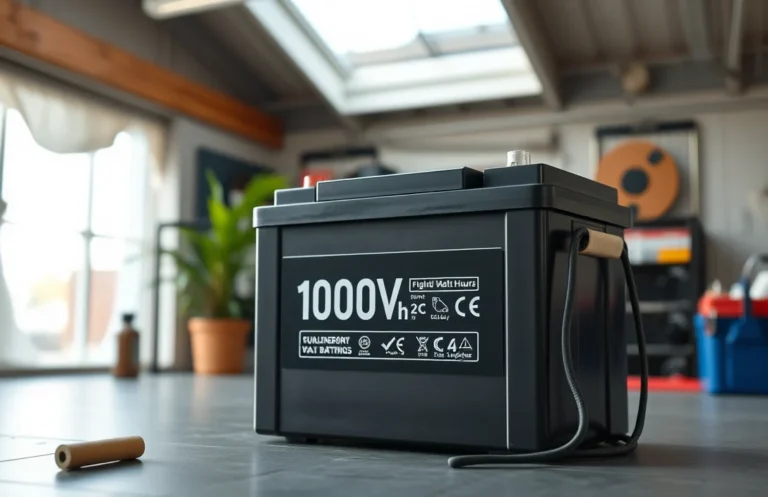
A marine battery is specifically designed to power boats and other watercraft, focusing primarily on durability and performance in wet conditions. These batteries are built to withstand the harsh marine environment, including vibrations, temperature changes, and exposure to water. Typically available in two main types—cranking (starting) batteries and deep-cycle batteries—marine batteries serve distinct functions. Cranking batteries provide a quick burst of energy to start engines, while deep-cycle batteries are designed for longer, sustained energy output.
Due to their construction, marine batteries can be more robust than standard car batteries, often featuring thicker plates and enhanced electrolyte solutions. This design allows them to handle repeated discharges and recharges without significant wear. Consequently, while these batteries can technically function in a car, their performance and compatibility will depend on the specific requirements of the vehicle and the intended use, which is typically more demanding than that of a boat.
Car Battery Requirements
Understanding the specific requirements for car batteries is essential for ensuring optimal performance and reliability. Car batteries must provide a significant amount of power quickly to start the engine and support various electrical systems. Here are the key factors to consider when evaluating what your vehicle needs.
Cold Cranking Amps (CCA): This rating indicates the battery’s ability to start an engine in cold temperatures. A higher CCA is crucial in colder climates, where engines may require more power to start.
Reserve Capacity (RC): This measures how long a battery can run on its own without being charged. A higher RC is beneficial for vehicles with numerous electrical components or for those that may require extra power in emergencies.
Size and Fit: Car batteries come in various sizes and configurations. It is vital to choose a battery that fits securely in the vehicle’s battery tray and connects properly with the terminals to prevent any electrical issues.
Maintenance Considerations: Some batteries require regular maintenance, such as checking water levels, while others are maintenance-free. Choose one that fits your preference and usage habits.
Using a marine battery for a car may not meet these specific requirements, which could lead to performance issues. Understanding these factors will help you select the appropriate battery for your vehicle’s needs.
Comparing Power Sources
Understanding the differences in power output between marine and car batteries is crucial for determining compatibility. Marine batteries are designed for deep cycling, meaning they can discharge their power over an extended period, which is perfect for powering boats and accessories. On the other hand, car batteries prioritize providing a high burst of energy for starting engines.
Car batteries typically have a higher cold cranking amp (CCA) rating, which indicates their ability to start an engine in cold conditions. This is essential for vehicles that require a significant amount of power for a short duration. Conversely, marine batteries often have a higher amp-hour (Ah) rating, making them better suited for applications that need sustained power over time.
While it is possible to use a marine battery in a car, it may not provide the necessary cranking power needed for starting the engine efficiently. Additionally, if a marine battery is frequently discharged to a low state, it may reduce its lifespan and reliability. Therefore, evaluating your vehicle’s power needs and understanding the specifications of both battery types is essential before making a decision.
Size and Fit Considerations
Understanding the size and fit of a marine battery compared to a standard car battery is crucial before making a switch. Marine batteries typically come in different sizes and are designed for specific applications, which may not align with the dimensions of your vehicle’s battery compartment.
Marine batteries often have a larger physical size due to their construction, which may include additional features like thicker plates for durability and deep-cycle capabilities. This size difference can lead to compatibility issues in some vehicles. To ensure proper fit, measure the battery compartment in your car and compare it with the dimensions of the marine battery you intend to use.
Additionally, consider the terminal locations on both types of batteries. The position of the positive and negative terminals can affect cable connections, potentially leading to installation difficulties. If the terminals are not aligned properly, you might need to purchase new cables or adapters. Always check the manufacturer’s specifications for both the car and the battery to confirm compatibility before proceeding.
Cold Cranking Amps Importance
Understanding cold cranking amps (CCA) is essential when considering using a marine battery in your car. CCA measures a battery’s ability to start an engine in cold temperatures, indicating how much current the battery can deliver at 0°F (-18°C) for 30 seconds while maintaining a voltage of at least 7.2 volts. This is crucial for vehicles in colder climates where starting power is vital.
Marine batteries typically have lower CCA ratings compared to automotive batteries. While they excel in deep cycling capabilities for powering accessories, they often fall short in delivering the immediate power required for ignition. A car’s starting system demands high bursts of energy to crank the engine, particularly in adverse weather conditions. If the marine battery does not meet the necessary CCA specifications, it may struggle to start your vehicle, leading to potential reliability issues.
Before opting for a marine battery, check the CCA rating. Ensure it aligns with your car’s engine requirements, particularly in terms of climate and typical usage. If the marine battery’s CCA is significantly lower than your vehicle’s needs, it may be wise to reconsider your options for ensuring dependable starts.
Charging Systems Compatibility
Understanding the differences in charging systems is crucial when considering whether to use a marine battery in your car. Marine batteries and car batteries have distinct charging requirements, which can impact performance and longevity. Here are key points to consider:
- Charging Voltage: Marine batteries typically require a higher charging voltage to reach full capacity, while car batteries operate at standard voltage levels. Ensure your car’s charging system can accommodate the needs of a marine battery.
- Charging Cycle: Marine batteries are designed for deep cycling, meaning they can be discharged and recharged frequently. Car batteries, however, are built for quick bursts of power. If you use a marine battery, monitor the charging cycle to avoid overcharging.
- Charger Compatibility: Not all battery chargers are suitable for both battery types. Check if your charger is compatible with marine batteries to ensure proper charging and avoid damage.
- Connection Type: The connection terminals may differ between marine and car batteries. Verify that the terminals on the marine battery will fit securely in your car’s battery compartment.
By paying attention to these factors, you can better understand the implications of using a marine battery in your vehicle.
Safety and Warranty Issues
Using a marine battery in your car can lead to safety risks and warranty complications. Understanding these factors is crucial for making an informed decision. While marine batteries are designed for durability, their use in vehicles may not align with manufacturer specifications.
One significant concern is the potential for improper fit and performance. Marine batteries generally have different dimensions and terminal configurations compared to standard car batteries. This can lead to poor connections, increasing the risk of electrical issues or even short circuits. Additionally, if the battery fails due to incompatibility, it can void your vehicle’s warranty. Most manufacturers specify the type of battery compatible with their vehicles, and deviating from this can result in costly repairs or replacements not covered under warranty.
Another safety risk involves the discharge rates and charging requirements of marine batteries. Using one in a car can affect how electrical systems operate, potentially leading to overcharging or undercharging, which can damage both the battery and the vehicle’s electrical components.
In summary, while it may be tempting to use a marine battery for its robustness, the associated safety hazards and warranty implications warrant careful consideration before making the switch.
Quick Summary
- Marine batteries are designed for deep cycling and can handle repeated discharges better than standard car batteries.
- They provide a steady power output for extended periods, making them suitable for boats and RVs.
- Using a marine battery in a car is possible, but it may not be the most efficient choice for typical car starting needs.
- Marine batteries tend to be heavier and bulkier than standard car batteries, which can affect vehicle weight and performance.
- Ensure the marine battery’s voltage and terminal configuration match your car’s specifications before installation.
- Consider the warranty and lifespan, as marine batteries may not be optimized for the frequent starting cycles of a car.
- Consult with a professional if unsure about compatibility or installation to avoid potential damage to your vehicle.
Frequently Asked Questions
Can you use a marine battery in a car?
Yes, you can use a marine battery in a car, but it’s not always the best choice. Marine batteries are designed for deep cycling and can handle discharges better than standard car batteries, but they may not provide the same cranking power needed for starting a vehicle.
What are the differences between marine batteries and car batteries?
Marine batteries are often dual-purpose, designed to provide both starting power and deep cycle capabilities. Car batteries, on the other hand, are primarily designed to provide a quick burst of energy for starting the engine, which makes them more suitable for automotive applications.
Will using a marine battery affect my car’s performance?
Using a marine battery may not significantly affect your car’s performance, but it could lead to longer starting times due to lower cold cranking amps. Additionally, if the battery is heavier or larger than a standard car battery, it might affect the vehicle’s weight distribution.
How do I install a marine battery in my car?
To install a marine battery in your car, ensure that the battery terminals are compatible with your vehicle’s wiring. Connect the positive terminal first, followed by the negative, and make sure the battery is securely mounted to prevent movement while driving.
Can I use a marine battery for other applications besides cars?
Yes, marine batteries are versatile and can be used for various applications, including powering boats, RVs, and even solar energy systems. Their deep cycle capabilities make them suitable for situations where prolonged power is needed without frequent recharging.

- How to Jump-Start a Motorcycle with a Car Battery Safely - February 22, 2026
- Does Life360 Really Drain Your Battery? What You Should Know - February 22, 2026
- Do Hardwired Smoke Detectors Need Batteries for Backup Support? - February 22, 2026