Using a Car Battery for Your Trolling Motor: What to Consider
If you’re new to boating and fishing, you might be wondering about the best way to power your trolling motor. Can a car battery do the job? Understanding the options available can make your time on the water more enjoyable and less stressful.
Using a car battery for your trolling motor is possible, but keep in mind that marine batteries are designed for deep cycling and can handle repeated discharges better. Be aware of voltage requirements and safety considerations to ensure optimal performance and longevity.
Power Compatibility with Trolling Motors
Understanding how car batteries compare to marine batteries is crucial for powering your trolling motor effectively. While both types of batteries serve similar functions, their specifications differ significantly, impacting their suitability for your needs.
- Voltage: Most trolling motors operate on a 12-volt system, which matches the voltage of standard car batteries. This means you can connect a car battery to your trolling motor without worrying about voltage compatibility.
- Amperage: The real difference lies in amperage. Car batteries are designed to deliver high bursts of power for short durations, suitable for starting engines. In contrast, marine batteries are built to supply steady power over longer periods, making them ideal for continuous use on the water.
- Deep Cycle vs. Starting Battery: If you consider using a car battery, ensure it’s a deep-cycle battery, which can withstand repeated discharges. Starting batteries, common in cars, can get damaged if used continuously like a deep-cycle battery.
While you can use a car battery for your trolling motor, keep these differences in mind to avoid potential issues and ensure efficient performance.
Size and Weight Considerations
Understanding the physical dimensions and weight of car batteries compared to marine batteries is crucial for practical use. Trolling motors often require a reliable power source that fits well within the confines of your boat. This section will help you visualize how these batteries stack up against one another.
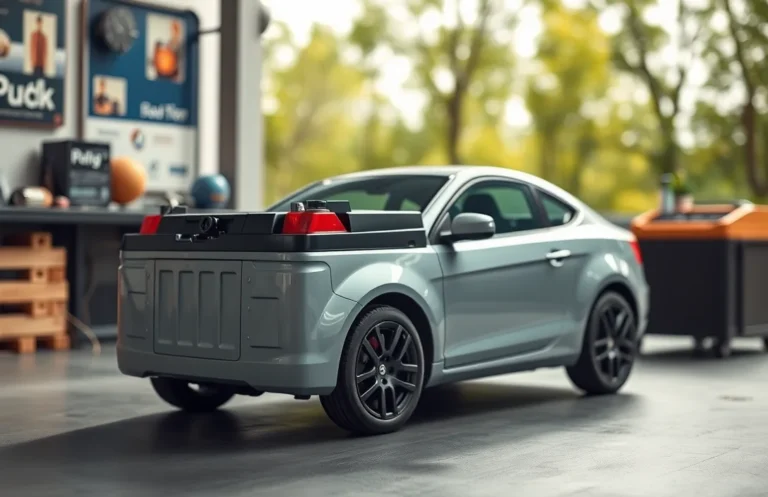
Car batteries are typically heavier and bulkier than marine batteries. For example, a standard 12-volt car battery can weigh between 30 to 50 pounds, depending on the make and model. In contrast, marine batteries, designed specifically for boating applications, often weigh less for the same capacity, making them easier to handle and install. The size difference can also affect how much space is available on your boat, as a larger battery may limit storage options or complicate your setup.
Weight distribution is another factor to consider. A heavy car battery positioned incorrectly can affect your boat’s balance and stability. Marine batteries are designed with this in mind, allowing for safer and more efficient weight distribution. If you’re considering using a car battery for your trolling motor, ensure that your boat can accommodate its size and weight without compromising performance and safety.
Cost-Effectiveness of Car Batteries
Using a car battery for your trolling motor can offer significant cost savings compared to specialized marine batteries. While marine batteries are designed specifically for deep cycling and discharge cycles, the upfront cost of a car battery is often much lower. This makes it an appealing option for beginners who are conscious of their budget.
- Lower initial investment: Car batteries are generally cheaper than marine batteries, making them accessible for those just starting out.
- Availability: Car batteries are widely available at auto parts stores and big-box retailers, making them easy to find.
- Versatility: If you already own a car battery, you can use it for both your vehicle and your trolling motor, maximizing its utility.
- Short-term use: If you’re only going out occasionally, a car battery may meet your needs without the expense of a dedicated marine battery.
However, keep in mind that while car batteries can be a cost-effective solution, they may not provide the same longevity or performance as a marine battery. Understanding these trade-offs is crucial for making an informed decision.
Battery Life and Performance
Understanding how a car battery performs compared to a marine battery is essential for effective use in boating. While car batteries are designed primarily for short bursts of power to start engines, marine batteries are built for longer, sustained use, making them more suitable for trolling motors.
- Discharge Rate: Car batteries typically have a higher discharge rate, which means they lose power quickly when used continuously. This can lead to shorter run times for your trolling motor, especially during extended fishing trips.
- Cycle Life: Marine batteries are constructed to withstand multiple deep discharge cycles, which is crucial for applications like trolling motors. A car battery, on the other hand, can suffer significant degradation if regularly drained below 50% capacity.
- Performance Under Load: Marine batteries maintain voltage better under load, ensuring that your trolling motor operates efficiently. Car batteries may drop voltage significantly when under prolonged use, affecting motor performance.
- Longevity: A marine battery is built for durability and longevity in marine environments, while car batteries may deteriorate faster when exposed to water and humidity, potentially leading to failure.
In summary, while you can use a car battery for your trolling motor, it may not provide the best performance or longevity compared to a dedicated marine battery. Consider your usage patterns and power needs when making a choice.
Charging and Maintenance Differences
Understanding the charging and maintenance requirements for car batteries used in marine applications is crucial for ensuring their longevity and performance. Unlike marine batteries, car batteries are not designed for deep cycling, which can lead to quicker deterioration if not managed properly.
Car batteries typically require a standard charger, but if used for a trolling motor, it is essential to opt for a smart charger that can handle the specific needs of the battery type. Regularly check the fluid levels and keep the terminals clean to prevent corrosion. Charging should be done after each use, and it’s advisable to avoid complete discharges, as this can significantly shorten the battery’s lifespan.
Additionally, store the battery in a cool, dry place when not in use, as extreme temperatures can affect performance. If you’re using it in saltwater, rinse it thoroughly with fresh water after each outing to remove any residue that could cause damage. By following these maintenance tips, you can ensure that your car battery remains reliable when powering your trolling motor.
Legal Regulations and Recommendations
Understanding the legal landscape surrounding the use of car batteries in marine applications is crucial. Regulations can vary depending on your location and the specific type of boating you engage in. Always check local laws and guidelines specific to your area before making any decisions.
Many manufacturers recommend using deep-cycle batteries for trolling motors due to their design, which allows for prolonged use without damage. Car batteries, designed primarily for starting engines, may not meet the performance needs of a trolling motor over extended periods. Additionally, using a car battery could void warranties on your trolling motor if it is not compliant with recommended specifications.
Safety practices are also paramount. Ensure that connections are secure and that the battery is properly housed to prevent spills and leaks. Regularly inspect your battery for signs of wear or damage. If you are uncertain, consult with a marine equipment expert or refer to your trolling motor’s manual for specific power source recommendations.
Quick Summary
- A car battery can be used for a trolling motor, but it may not be the most efficient choice.
- Car batteries are designed for short bursts of high power, while trolling motors require sustained power.
- Using a deep-cycle marine battery is recommended for longer run times and better performance.
- Car batteries can be heavier and less portable compared to specialized trolling motor batteries.
- Always ensure the battery voltage matches the requirements of the trolling motor.
- Consider the weight and capacity of the battery when planning your boating trips.
- Improper use of a car battery can lead to damage and reduced lifespan of the battery.
Frequently Asked Questions
Can I use a car battery for my trolling motor?
Yes, you can use a car battery to power a trolling motor, but it’s not the most efficient choice. Car batteries are designed for short bursts of high power, while trolling motors require sustained power over a longer period.
What type of battery is best for a trolling motor?
The best type of battery for a trolling motor is a deep cycle battery. Deep cycle batteries are designed to be discharged and recharged repeatedly, making them ideal for the continuous use required by trolling motors.
Are there safety concerns when using a car battery?
Using a car battery can present safety issues such as leaking acid or overheating if improperly connected. It’s essential to ensure proper ventilation and secure connections to prevent accidents and ensure safe operation.
How do I determine the right battery size for my trolling motor?
The right battery size depends on the trolling motor’s voltage and your expected usage time. Check the motor’s specifications for recommended battery capacity, usually measured in amp-hours (Ah), to ensure optimal performance.
Is using a car battery cost-effective for my trolling motor?
While a car battery may be cheaper upfront, it may not be the most cost-effective option in the long run due to its shorter lifespan and less efficient power delivery. Investing in a good deep cycle battery can save you money and hassle over time.

- How to Jump-Start a Motorcycle with a Car Battery Safely - February 22, 2026
- Does Life360 Really Drain Your Battery? What You Should Know - February 22, 2026
- Do Hardwired Smoke Detectors Need Batteries for Backup Support? - February 22, 2026