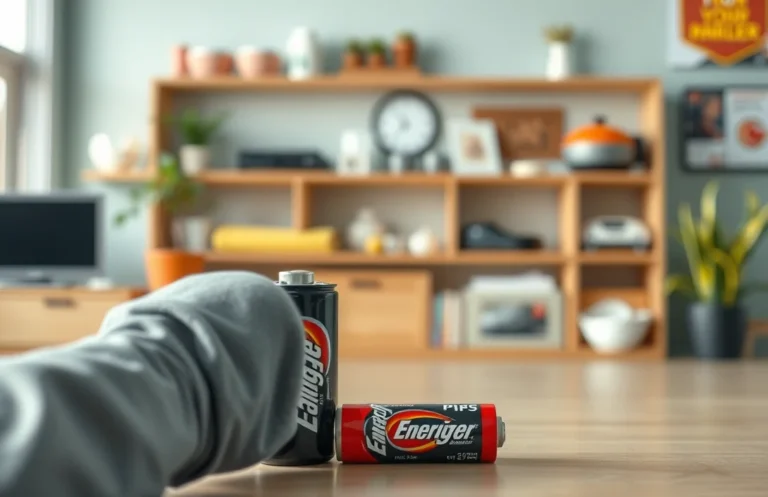
Can You Use Lithium AA Batteries in Any Device? Here’s What to Know
Are you curious about the potential of lithium AA batteries? These compact power sources are becoming increasingly popular, but how versatile are they? Understanding where and how to use them can help you make informed choices for your household devices.
Lithium AA batteries can be used in many devices, including cameras, remote controls, and toys. They offer longer shelf life and better performance in extreme temperatures, but always check for compatibility with your devices to ensure safety.
Compatibility with Devices
Lithium AA batteries can be used in a variety of devices, but compatibility varies. Many household electronics, such as remote controls, digital cameras, and flashlights, typically support lithium batteries. These batteries provide reliable power and longer life compared to traditional alkaline options.
However, some devices may not be suitable for lithium AA batteries. For example, devices designed for alkaline batteries may not function properly with lithium due to differences in voltage output. It’s essential to check the device specifications or user manual to ensure compatibility before making a switch.
In some cases, devices that require high-drain performance, like gaming controllers or high-powered flashlights, can greatly benefit from lithium batteries. Always prioritize safety by following the manufacturer’s recommendations and using batteries that are clearly labeled for your device type.
Advantages of Lithium AA Batteries
Lithium AA batteries offer significant benefits compared to traditional alkaline batteries, making them a popular choice for various devices. Their unique characteristics enhance performance, longevity, and convenience, ensuring they can meet the demands of modern electronics effectively. Here are some key advantages:
- Longer Shelf Life: Lithium batteries can last up to 10 years in storage without losing their charge, making them ideal for emergency devices or infrequently used gadgets.
- Higher Energy Density: They provide more power in a lighter package, which is advantageous for portable devices where weight matters.
- Better Performance in Extreme Temperatures: Lithium batteries function well in both cold and hot conditions, ensuring reliable operation in diverse environments.
- Consistent Voltage Output: They maintain a stable voltage throughout their discharge cycle, resulting in more reliable performance in devices.
- Less Environmental Impact: Many lithium batteries are designed with less harmful materials and are more recyclable than some alkaline options.
Considering these advantages, lithium AA batteries are a versatile choice for a wide range of devices, enhancing user experience while ensuring safety and reliability.
Potential Risks and Concerns
Using lithium AA batteries in certain devices can pose risks due to their different voltage and chemical properties compared to alkaline batteries. It’s essential to understand these concerns to ensure safety and compatibility with your devices.
One significant risk is that lithium batteries typically operate at a higher voltage (1.7V) than standard alkaline batteries (1.5V). This discrepancy can lead to over-voltage in devices designed for alkaline batteries, potentially causing damage or malfunction. For example, high-drain devices may not handle the increased power well, leading to overheating or even failure.
Another concern is the potential for leakage. While lithium batteries are less prone to leakage than alkaline types, if used inappropriately or in devices not designed for them, there remains a risk of battery leakage, which can damage the device and pose safety hazards. Always consult the device manual to ensure compatibility before using lithium AA batteries.
Lastly, certain devices, like smoke detectors or remote controls, may specifically recommend against lithium batteries. Using them in these cases can void warranties or lead to unexpected performance issues. Always prioritize safety and compatibility to make informed choices for your household devices.
Best Uses for Lithium AA Batteries
Lithium AA batteries shine in high-drain devices that require a consistent power supply. Their ability to deliver stable voltage over extended periods makes them ideal for gadgets that demand more energy than average. Here are some specific devices and scenarios where these batteries excel:
- Digital Cameras: The consistent power output helps capture high-quality images without interruption.
- Wireless Mouse and Keyboards: These devices benefit from the longer lifespan and reliability of lithium batteries, reducing the frequency of replacements.
- Handheld GPS Devices: Ideal for outdoor activities, they provide the necessary energy for navigation without quick depletion.
- Flashlights: Especially in emergency situations, lithium batteries ensure bright, dependable lighting.
- Portable Game Consoles: They maintain performance during extended play sessions, enhancing the gaming experience.
Using lithium AA batteries in these applications can improve overall performance and reduce downtime, making them a smart choice for tech-savvy users and households alike.
How to Identify Battery Type
Distinguishing between lithium AA batteries and other types can help ensure you choose the right power source for your devices. Understanding the key characteristics of these batteries will guide you in making informed decisions about usage and compatibility. Follow these steps to easily identify the battery type you have on hand.
- Check the packaging: Lithium AA batteries are usually labeled clearly, indicating their type. Look for “lithium” or “Li” on the package.
- Examine the battery itself: If the packaging is not available, inspect the battery. Lithium batteries typically have a slightly different coloration and may have a metal casing compared to alkaline batteries.
- Look for voltage information: Standard AA alkaline batteries provide 1.5 volts, while lithium AA batteries often deliver 1.7 volts. This can be a helpful indicator.
- Identify the weight: Lithium batteries are generally lighter than their alkaline counterparts. If it feels significantly lighter, it may be a lithium type.
- Note the expiration date: Lithium batteries often have a longer shelf life than alkaline batteries. Check the expiration date to help determine its type.
By following these steps, you can confidently identify whether you are working with lithium AA batteries or another type, ensuring compatibility and safety in your devices.
Environmental Considerations
Disposing of lithium AA batteries responsibly is crucial for minimizing environmental impact. Unlike alkaline batteries, lithium batteries require special handling due to their chemical composition. Many localities have specific regulations for battery disposal, so it’s essential to check local guidelines. Recycling programs can safely process these batteries, recovering valuable materials and preventing harmful chemicals from entering landfills.
Here are some effective disposal options:
- Drop-off Locations: Many retailers and community centers have designated bins for battery recycling. Look for programs at electronics stores or municipal waste facilities.
- Mail-in Programs: Some organizations offer mail-in recycling services for batteries. Ensure you follow their specific instructions for safe packaging.
- Local Hazardous Waste Events: Participate in community hazardous waste collection events where you can drop off batteries along with other hazardous materials.
By choosing appropriate disposal methods, you contribute to environmental protection while ensuring that lithium AA batteries are managed safely and responsibly. This not only helps the planet but also supports the development of sustainable practices in battery technology.
Quick Summary
- Lithium AA batteries have a higher energy density compared to alkaline batteries.
- They are suitable for high-drain devices such as digital cameras and gaming controllers.
- Not all devices are compatible with lithium AA batteries; always check the manufacturer’s recommendations.
- Lithium batteries perform better in extreme temperatures, both hot and cold.
- They usually have a longer shelf life than alkaline batteries, making them ideal for emergency kits.
- Using lithium batteries in devices designed for alkaline may lead to faster power consumption.
- Recharging lithium AA batteries can be risky unless they are specifically designed to be rechargeable.
Frequently Asked Questions
1. Can I use lithium AA batteries in my remote control?
Yes, you can use lithium AA batteries in most remote controls, provided they are compatible with AA batteries. Lithium batteries often provide longer life and better performance compared to alkaline batteries, making them a great choice for devices like remotes.
2. Are lithium AA batteries safe for use in toys?
Lithium AA batteries can be used in many battery-operated toys, but it’s essential to check the manufacturer’s recommendations. Some toys may require specific battery types, and using the wrong battery could pose safety risks.
3. Can I charge lithium AA batteries in a standard battery charger?
No, standard battery chargers are typically designed for nickel-metal hydride (NiMH) or alkaline batteries. Lithium AA batteries require a specific charger designed for lithium batteries to avoid overheating or potential hazards.
4. Will using lithium AA batteries improve the performance of my camera?
Yes, lithium AA batteries can enhance the performance of digital cameras by providing consistent voltage and longer usage times. They are particularly beneficial for high-drain devices like cameras, where reliable power is crucial.
5. Can I mix lithium AA batteries with other types of batteries in the same device?
It’s not recommended to mix lithium AA batteries with other types, such as alkaline or NiMH batteries, in the same device. Mixing battery types can lead to uneven discharge rates, potential leakage, or damage to your device.

- How to Jump-Start a Motorcycle with a Car Battery Safely - February 22, 2026
- Does Life360 Really Drain Your Battery? What You Should Know - February 22, 2026
- Do Hardwired Smoke Detectors Need Batteries for Backup Support? - February 22, 2026