Charging Time for Batteries at 10 Amps: What to Expect
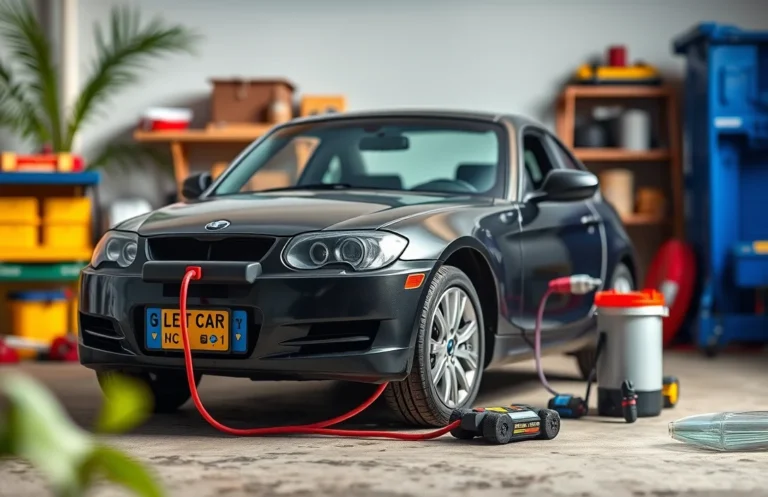
Understanding how long to charge a battery at 10 amps is crucial for any automotive enthusiast or DIYer. Whether you’ve just purchased a new battery or charger, knowing the right charging times can enhance your battery’s performance and longevity, ensuring you’re always ready to hit the road.
Charging a battery at 10 amps typically takes 4 to 10 hours, depending on the battery’s capacity and state of charge. Always check the manufacturer’s guidelines for optimal charging practices to ensure both safety and efficiency.
Calculating Battery Capacity
Understanding battery capacity is essential for determining how long it will take to charge your battery at 10 amps. Battery capacity is typically measured in amp-hours (Ah), which indicates how much current a battery can provide over a specific period. Knowing this helps you plan your charging times effectively.
- Identify the Battery’s Specs: Check the label on your battery or its datasheet for the amp-hour rating. This number indicates how much energy the battery stores.
- Convert to Amp-Hours: If the rating is given in milliamp-hours (mAh), convert it to amp-hours by dividing by 1,000. For example, a battery rated at 5,000 mAh has a capacity of 5 Ah.
- Account for Battery Type: Different battery chemistries (like lead-acid, lithium-ion, etc.) have varying performance characteristics. Ensure you understand the type you have, as this will influence charging time and efficiency.
- Consider Age and Condition: An older or poorly maintained battery may have reduced capacity. Perform a capacity test if you suspect your battery isn’t performing optimally.
With the capacity determined, you will be better equipped to calculate charging times in subsequent sections. Knowing how to gauge capacity is a fundamental step in effective battery management.
Charging Time Formula
Estimating how long to charge a battery at 10 amps can be simplified using a straightforward formula. This calculation involves knowing the battery’s capacity in amp-hours (Ah) and the charging rate. The basic formula is:
Charging Time (hours) = Battery Capacity (Ah) / Charging Rate (A)
For example, if you have a 50Ah battery and you are charging it at 10 amps, the calculation would be:
Charging Time = 50Ah / 10A = 5 hours
This formula helps you set expectations for charging sessions, ensuring you know how long it will take to replenish your battery’s power. Keep in mind that actual charging time can vary based on factors like the battery’s state of charge, age, and the efficiency of the charger. Always monitor the charging process to ensure safety and optimal performance.
10 Amps Charging Rate
Charging at 10 amps means that your charger delivers a consistent current of 10 amperes to the battery. This rate is significant because it influences how quickly a battery can reach its full capacity. Understanding this charging rate helps you anticipate the time required to fully charge different battery sizes.
When you charge a battery at this rate, consider its amp-hour (Ah) capacity. For instance, a 50Ah battery will typically take about 5 hours to charge from empty to full, provided it is designed to accept that charging current efficiently. However, factors like temperature and battery condition can affect these times. A battery’s chemistry also plays a role; lead-acid batteries may have different charging characteristics compared to lithium-ion batteries.
It’s crucial to monitor the battery’s temperature during charging. If the battery gets too hot, it may indicate overcharging or a malfunction. Always refer to the manufacturer’s guidelines for optimal charging rates and safety recommendations. This knowledge will enhance your understanding of how long to charge a battery at 10 amps, ensuring a safe and effective charging experience.
Examples of Battery Sizes
Understanding common battery sizes can help you estimate how long to charge a battery at 10 amps. Different batteries have varying capacities, typically measured in amp-hours (Ah), which directly influences charging time. Here are some examples to consider:
- Car Battery (12V, 50Ah): Charging from empty would take approximately 5 hours at 10 amps.
- Motorcycle Battery (12V, 10Ah): This battery would take about 1 hour to fully charge at the same rate.
- Golf Cart Battery (6V, 200Ah): Charging from a low state could take around 20 hours at 10 amps.
- Deep Cycle Battery (12V, 100Ah): Expect a charging time of about 10 hours under these conditions.
These examples illustrate how battery capacity affects charging duration, helping you plan your charging sessions effectively. Always monitor the charging process for safety and efficiency.
Factors Affecting Charging Time
Charging time can vary significantly based on several key factors. Understanding these influences helps ensure you achieve the best performance and longevity from your battery while charging it at 10 amps.
One major factor is the capacity of the battery, typically measured in amp-hours (Ah). A larger capacity battery will naturally take longer to charge than a smaller one, even at the same current rate. Additionally, the state of charge when you begin charging plays a crucial role. If the battery is deeply discharged, it will require more time to reach full capacity compared to one that is only moderately depleted.
Another important consideration is temperature. Batteries charge most efficiently at moderate temperatures. Extreme cold can slow down the chemical reactions inside the battery, while excessive heat can lead to damage and reduce lifespan. Lastly, the quality and type of charger can also affect charging duration. A smart charger adjusts its output based on the battery’s needs, potentially optimizing the charging process compared to a basic charger.
Safety Precautions During Charging
Charging batteries can involve certain risks if proper safety measures aren’t followed. Ensuring safety while charging is crucial to prevent accidents, damage to the battery, or personal injury. Here are some essential precautions to keep in mind while charging your battery at 10 amps:
- Always charge in a well-ventilated area to prevent gas buildup, especially with lead-acid batteries.
- Use the correct charger designed for your battery type to avoid overcharging or damaging it.
- Monitor the charging process and never leave the battery unattended for long periods.
- Check for any signs of swelling, leakage, or unusual heat in the battery before and during charging.
- Wear safety goggles and gloves to protect yourself from potential acid spills or chemical reactions.
By adhering to these safety tips, you can ensure a smoother charging process and prolong the lifespan of your battery.
Maintaining Battery Life
To prolong the lifespan of your battery while charging, it’s crucial to monitor the charging process and avoid overcharging. Overcharging can lead to excessive heat and damage the battery. Use a smart charger that automatically adjusts the current to prevent overcharging and ensure optimal performance.
Additionally, keep the battery in a cool, dry place during charging. High temperatures can accelerate degradation, while extreme cold can slow down the charging process. If possible, remove the battery from the vehicle during long charging sessions to provide better airflow around it.
Regularly check the battery’s state of charge and disconnect it once it reaches full capacity. This not only enhances the battery’s efficiency but also extends its overall lifespan. By following these best practices, you can maintain battery health and performance effectively.
Quick Summary
- The charging time for a battery at 10 amps depends on its capacity, measured in amp-hours (Ah).
- To estimate charging time, divide the battery’s capacity (in Ah) by the charging current (in amps).
- For example, a 100 Ah battery would take approximately 10 hours to charge at 10 amps.
- Charging efficiency should be considered; actual time may be longer due to losses.
- Temperature and battery condition can also affect charging times and efficiency.
- Always refer to the manufacturer’s specifications for optimal charging practices.
- Using a smart charger can help regulate the charge and extend battery life.
Frequently Asked Questions
How long does it take to charge a battery at 10 amps?
The charging time for a battery at 10 amps depends on its capacity, measured in amp-hours (Ah). For example, a 50Ah battery would take approximately 5 hours to charge fully if charged at a constant 10 amps, assuming no losses in the process.
Is charging at 10 amps safe for all types of batteries?
Not all batteries are designed to be charged at 10 amps. Lead-acid batteries can typically handle this rate, but lithium-ion or AGM batteries may have specific charging recommendations. Always check the manufacturer’s guidelines to ensure safe charging practices.
What happens if I charge a battery too quickly?
Charging a battery too quickly can lead to overheating, reduced lifespan, and even damage. It can also cause gas buildup in sealed batteries, potentially leading to leaks or explosions. It’s essential to follow recommended charging rates for the specific battery type.
Do I need to monitor the battery while charging at 10 amps?
While many modern chargers have built-in safety features, it’s still a good practice to monitor the battery during charging. Checking for unusual heat or swelling can help prevent issues, ensuring both safety and battery longevity.
How can I tell when my battery is fully charged?
Most chargers have an indicator light or readout that shows when the battery is fully charged. Additionally, you can measure the voltage; a fully charged lead-acid battery should read around 12.6 to 12.8 volts, while lithium batteries vary depending on the specific type.

- How to Jump-Start a Motorcycle with a Car Battery Safely - February 22, 2026
- Does Life360 Really Drain Your Battery? What You Should Know - February 22, 2026
- Do Hardwired Smoke Detectors Need Batteries for Backup Support? - February 22, 2026