Do All Cars Use the Same Battery? Understanding Key Differences
The question of whether all cars use the same battery is more complex than it seems. While batteries serve a common purpose, various factors influence the type and specifications of batteries used across different vehicles, making this topic both intriguing and essential for car owners and enthusiasts alike.
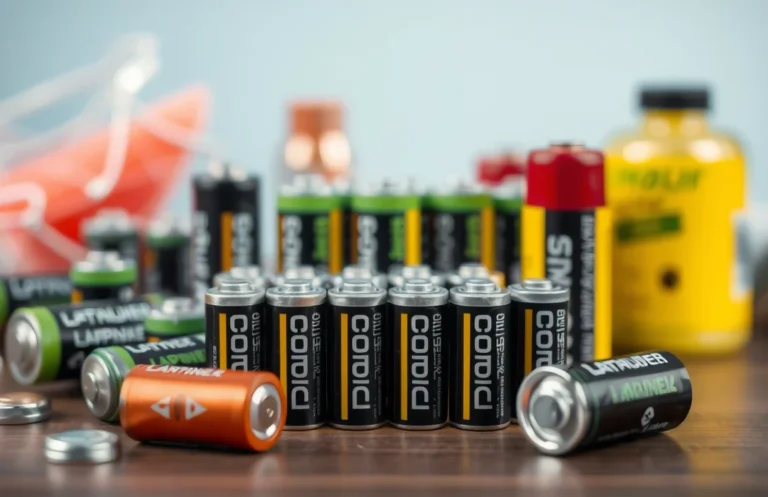
Not all cars share the same battery type. Battery sizes vary based on vehicle requirements, chemistry can differ (lead-acid, lithium-ion), and designs are tailored for specific models. Understanding these differences can help you choose the right battery for your car.
Battery Types in Cars
Vehicles utilize various battery types, each designed to meet specific energy demands and performance characteristics. Understanding these differences is crucial for vehicle maintenance and selection. The most common types of batteries found in cars include lead-acid, lithium-ion, and nickel-metal hydride batteries.
Lead-acid batteries are the traditional choice for most gasoline and diesel vehicles. They are reliable and cost-effective, making them the standard for starting, lighting, and ignition systems. These batteries consist of lead plates submerged in sulfuric acid, allowing them to deliver a high burst of energy when needed. However, they can be heavy and have a limited lifespan compared to newer technologies.
Lithium-ion batteries are increasingly being adopted in electric and hybrid vehicles. They offer a higher energy density, lighter weight, and longer life cycles than lead-acid batteries. Their ability to recharge quickly and sustain energy output over time makes them ideal for modern electric propulsion systems.
Nickel-metal hydride batteries, primarily found in some hybrid vehicles, serve as a middle ground between lead-acid and lithium-ion options. They provide better energy efficiency than lead-acid while being less expensive than lithium-ion alternatives. Each type has its advantages and disadvantages, making it clear that not all cars use the same battery.
Standard vs. Specialty Batteries
Understanding the differences between standard and specialty batteries is crucial for determining compatibility with various vehicles. Standard batteries are designed for everyday use, offering reliable power for conventional cars. Specialty batteries, however, cater to specific needs like high-performance vehicles, hybrids, or electric vehicles, providing unique features that standard batteries lack.
Standard car batteries, typically lead-acid, are built to deliver a consistent amount of power for starting the engine and powering electrical systems. These batteries are generally less expensive and widely available, making them suitable for most vehicles. They have a defined lifespan and are easy to replace.
On the other hand, specialty batteries are engineered for specific applications, such as deep-cycle batteries for electric vehicles or high-output batteries for performance cars. These batteries may use advanced technologies, such as absorbed glass mat (AGM) or lithium-ion, which provide higher energy density and faster charging. Choosing the right battery type is essential, as not all vehicles can accommodate both standard and specialty batteries. Hence, knowing the requirements of your vehicle will help in making a well-informed decision.
Impact of Vehicle Type
Different types of vehicles require specific battery types due to variations in power demands, size constraints, and functionality. Understanding how vehicle type impacts battery choice is crucial for ensuring optimal performance and longevity.
- Passenger Cars: Most standard passenger vehicles utilize lead-acid batteries, which provide sufficient power for starting and running typical electrical systems.
- SUVs and Trucks: These vehicles often require larger batteries with higher capacity to support additional features like towing and off-road capabilities.
- Hybrid Vehicles: Hybrid models use specialized batteries, such as nickel-metal hydride or lithium-ion, to manage the combination of electric and gasoline power sources efficiently.
- Electric Vehicles (EVs): Fully electric cars rely on large lithium-ion battery packs designed to provide extended range and quick charging capabilities.
- Performance Cars: High-performance vehicles may utilize lightweight batteries, such as lithium-ion, to enhance speed and handling without compromising power.
Each vehicle type necessitates a tailored battery solution, highlighting that not all cars use the same battery. Selecting the appropriate battery type based on the vehicle’s specific requirements is essential for optimal performance and reliability.
Battery Sizes and Specifications
Understanding the various sizes and specifications of car batteries is essential, as these differences can directly affect vehicle performance and compatibility. Not all vehicles share the same requirements, leading to a range of battery sizes tailored to specific models and types of cars.
Car batteries are categorized by group size, which is determined by their dimensions and terminal configuration. Common group sizes include 24, 35, 48, and 65, among others. Each size is designed to fit specific vehicles, ensuring proper installation and optimal performance. Additionally, batteries are rated by their Cold Cranking Amps (CCA) and Reserve Capacity (RC). CCA measures a battery’s ability to start an engine in cold temperatures, while RC indicates how long the battery can run electrical systems if the engine fails.
Another important specification is the battery type, with lead-acid, absorbed glass mat (AGM), and lithium-ion being the most common. Lead-acid batteries are prevalent due to their affordability, while AGM batteries offer higher performance and are typically used in vehicles with advanced electronics. Lithium-ion batteries, though less common, are gaining traction in electric vehicles for their lightweight and efficient energy storage.
Technological Advancements
Recent advancements in battery technology have significantly influenced the automotive industry. Innovations in materials and design are enhancing battery performance, efficiency, and lifespan, ultimately impacting the types of batteries used across different vehicles.
One major development is the shift towards lithium-ion batteries, which offer higher energy density compared to traditional lead-acid batteries. This technology allows for lighter batteries with more power, making electric vehicles (EVs) more viable and appealing to consumers. Additionally, solid-state batteries are emerging as a promising alternative. These batteries use a solid electrolyte instead of a liquid one, potentially providing greater safety, faster charging times, and improved longevity.
Manufacturers are also focusing on battery management systems (BMS) that optimize performance and prolong battery life. These systems monitor battery health, manage charge cycles, and ensure safe operation, demonstrating an increasing integration of technology in battery design.
As advancements continue, the question of whether all cars use the same battery becomes more complex. Different technologies and specifications cater to various performance needs and vehicle types, reinforcing the uniqueness of automotive battery solutions.
Environmental Considerations
The environmental impact of different battery types varies significantly, influencing not only car performance but also sustainability. Understanding the differences between traditional lead-acid batteries and modern lithium-ion options is essential for consumers concerned about ecological footprints.
Lead-acid batteries, commonly found in older vehicles, are cheaper but have a more significant environmental burden. Their production involves mining for lead, which poses health risks and environmental challenges. Additionally, improper disposal can lead to soil and water contamination.
On the other hand, lithium-ion batteries, which are prevalent in electric vehicles, offer higher energy densities and longer lifespans. However, they also require the extraction of lithium, cobalt, and nickel, which can result in habitat destruction and pollution if not managed responsibly. Recycling programs are crucial for minimizing waste and reclaiming valuable materials.
Choosing vehicles with less harmful batteries can contribute to reducing overall environmental impact. Consumers should consider not only the immediate performance and cost but also the long-term ecological consequences when selecting a car. This understanding is vital in making informed decisions that align with sustainability goals.
Battery Maintenance and Lifespan
Proper maintenance is crucial for prolonging the lifespan of automotive batteries. Different types of batteries have varying maintenance needs, which can significantly impact their performance and longevity. Regular checks and care can help avoid unexpected failures and ensure reliable operation.
For lead-acid batteries, regularly inspecting for corrosion on terminals and ensuring connections are tight is vital. Keeping the battery clean and free from debris can help prevent discharge issues. Additionally, maintaining the correct electrolyte levels is crucial for flooded batteries. For maintenance-free batteries, monitoring the overall battery health through voltage tests can be beneficial.
Lithium-ion batteries, commonly used in electric vehicles, require less maintenance but still benefit from periodic checks. Avoiding extreme temperatures and ensuring the battery is not completely drained can enhance lifespan. Following the manufacturer’s guidelines for charging practices also plays a critical role in battery longevity.
In summary, while not all cars use the same battery, understanding the specific maintenance requirements for your vehicle’s battery type can significantly extend its lifespan and performance. Regular maintenance checks tailored to the battery type ensure reliable operation and help you avoid potential issues down the line.
Quick Summary
- Not all cars use the same type of battery; battery specifications vary by make and model.
- Common types of car batteries include lead-acid, AGM (Absorbent Glass Mat), and lithium-ion.
- Battery size, terminal placement, and power requirements differ among vehicles.
- Electric vehicles (EVs) and hybrids require specialized batteries that are different from traditional internal combustion engine vehicles.
- Replacement batteries must match the original specifications to ensure compatibility and safety.
- Regular maintenance and testing can help extend the lifespan of car batteries.
- Consulting the vehicle’s manual or a professional can provide guidance on the appropriate battery type.
Frequently Asked Questions
Do all cars use the same type of battery?
No, not all cars use the same type of battery. Different vehicles may require various battery sizes, capacities, and technologies, such as lead-acid, lithium-ion, or AGM batteries, depending on their design and electrical needs.
What is the most common battery type used in cars?
The most common battery type used in conventional cars is the lead-acid battery. These batteries are reliable, cost-effective, and suitable for starting internal combustion engines.
Can I replace my car’s battery with a different brand?
Yes, you can replace your car’s battery with a different brand, as long as the new battery meets the specifications required by your vehicle. It’s important to check the size, terminal configuration, and power ratings to ensure compatibility.
How do I know which battery is right for my car?
You can find the right battery for your car by checking the owner’s manual or looking for a sticker under the hood that lists the battery specifications. Additionally, many auto parts stores can help you find a suitable replacement based on your vehicle’s make and model.
Are electric vehicles’ batteries the same as traditional car batteries?
No, electric vehicles (EVs) use different types of batteries, typically lithium-ion, which are designed for higher energy capacity and longer range compared to traditional lead-acid batteries. EV batteries are also more complex, as they manage energy storage and delivery for electric drivetrains.

- How to Jump-Start a Motorcycle with a Car Battery Safely - February 22, 2026
- Does Life360 Really Drain Your Battery? What You Should Know - February 22, 2026
- Do Hardwired Smoke Detectors Need Batteries for Backup Support? - February 22, 2026