Do Garage Openers Need Batteries? Here’s What You Should Know
Have you ever wondered how your garage door opens and whether it relies on batteries? Understanding the mechanics of garage door openers can help you troubleshoot issues and maintain your system effectively. This knowledge can save you time and money in the long run.
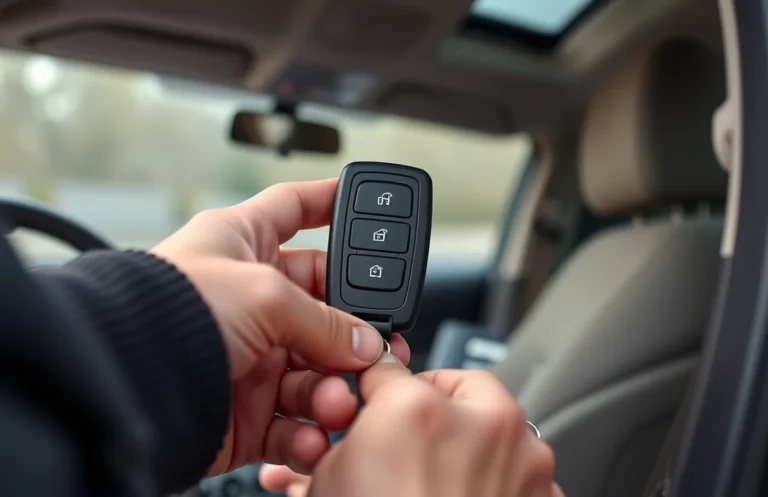
Garage door openers typically use batteries for backup power, especially in remote controls. The opener itself is usually powered by electricity, but batteries are essential for wireless operation and in case of power outages. Regularly check and replace them to ensure functionality.
Battery-Powered Garage Openers
Battery-powered garage openers are designed to operate independently of your home’s electrical system. These openers are particularly useful in situations where hardwiring is impractical or when you want a backup power source in case of outages. They typically use batteries for their primary power source, making them convenient for remote locations.
Some models include rechargeable batteries, allowing for continuous use without frequent replacements. These systems can be particularly advantageous in climates where power outages are common or for those who prefer the flexibility of a portable opener. Additionally, certain smart garage door openers integrate battery power, enabling connectivity features even during power interruptions.
While most garage door openers require a source of electricity, battery-powered versions cater to specific needs and preferences. If you prioritize mobility or expect to face power reliability issues, considering a battery-operated model could be a practical choice.
Wired Garage Door Openers
Wired garage door openers are connected directly to your home’s electrical system. This setup eliminates the need for batteries, ensuring a reliable power source for consistent operation. Unlike battery-powered models, these openers draw energy from your home’s electrical supply, making them a low-maintenance option.
One of the significant advantages of hardwired garage door openers is their reliability. They are less prone to failure due to dead batteries, which can leave you locked out of your garage. This type of opener typically requires less frequent maintenance, as there are no batteries to check or replace. However, installing a wired system may involve more complex installation procedures compared to battery-operated counterparts. It’s essential to ensure the wiring is done correctly, ideally by a professional, to avoid any electrical issues.
Additionally, wired openers often come with enhanced features like smart home integration, allowing for greater control and monitoring of your garage door. As a result, if you value dependability and minimal upkeep, a hardwired garage door opener may be the ideal choice for your home.
Battery Lifespan and Replacement
The lifespan of batteries in garage door openers can vary significantly based on usage and environmental factors. Understanding how long these batteries typically last and when to replace them can prevent unexpected malfunctions. Here are key points to consider:
- Typical Lifespan: Most batteries in garage door openers last between 1 to 3 years. Factors such as frequency of use, temperature extremes, and battery quality can influence this duration.
- Check Battery Type: Identify the battery type in your opener. Common types include lithium and alkaline batteries, each with different lifespans and performance characteristics.
- Regular Testing: Test the battery every few months to ensure it’s functioning properly. This can involve checking the remote control’s responsiveness or observing the opener’s operation.
- Replacement Schedule: Establish a routine replacement schedule, ideally every 2 years, even if the battery seems functional. This proactive approach can avoid unexpected failures.
- Storing Spare Batteries: Keep a set of compatible batteries on hand for quick replacements. Ensure they are stored in a cool, dry place to maintain their effectiveness.
By following these guidelines, you can ensure that your garage door opener remains reliable and ready for use.
Signs of Low Battery Power
Recognizing the signs of low battery power in your garage opener is crucial for maintaining its functionality. If the battery is running low, you may experience various indicators that can help you identify the issue before it becomes a significant problem.
One of the most common signs is a delayed response when you press the remote or wall button. If the garage door takes longer than usual to open or close, it may indicate that the battery is losing its charge. Additionally, if you notice that the lights on the opener are dim or flickering, this could also signal a weakening battery. Another indicator is if the remote requires multiple presses to function properly. If you find yourself repeatedly pressing the button to get the door to respond, it’s time to check the battery.
Lastly, an unusual sound coming from the garage door opener, such as grinding or straining, can also be a sign of low battery power. Addressing these signs promptly can help prevent a complete failure and ensure your garage opener remains operational.
Impact of Batteries on Functionality
The type of battery used in garage openers significantly influences their performance and reliability. Different batteries provide varying levels of power output, longevity, and compatibility with the opener’s design. Understanding these factors can help ensure that your garage door operates smoothly and efficiently.
- Battery Chemistry: Lithium-ion batteries are commonly preferred for their high energy density and longer lifespan compared to alkaline batteries. Choosing the right chemistry can enhance the overall efficiency of the opener.
- Voltage Rating: Ensure the voltage rating of the battery matches the specifications of your opener. Using a battery with the incorrect voltage can lead to malfunction or damage.
- Capacity: Look for batteries with higher milliamp-hour (mAh) ratings, as they offer more energy storage. This means longer operational times before needing a replacement.
- Temperature Performance: Some batteries perform better in extreme temperatures. If you live in a region with harsh weather, select batteries designed to withstand such conditions.
- Rechargeability: Consider rechargeable options if your opener allows it. This not only reduces waste but can also be more cost-effective over time.
Choosing the right battery type is essential for optimal garage opener functionality and longevity.
Choosing the Right Battery
Selecting the appropriate battery for your garage opener is crucial for optimal performance. Different models may require specific batteries that meet their voltage and size requirements. Here’s a simple guide to help you choose the right one.
- Check the Manual: Start by referencing the owner’s manual of your garage opener. It usually specifies the required battery type and size.
- Identify Battery Type: Look for the battery designation, such as 12V or 9V, and the chemistry, like alkaline or lithium. This information will guide your purchase.
- Consider Brand Compatibility: Some garage openers work best with specific brands. Opt for batteries recommended by the manufacturer to ensure reliability.
- Evaluate Battery Life: Research battery life ratings. Higher capacity batteries may provide longer service, reducing the frequency of replacements.
- Purchase from Reputable Sources: Buy batteries from trusted retailers or directly from the manufacturer to avoid counterfeit products that may underperform.
By following these steps, you can ensure that you choose the right battery for your garage opener, enhancing its efficiency and longevity.
Maintenance Tips for Battery Operated Openers
Proper maintenance of battery-operated garage openers ensures their longevity and reliable performance. Regularly checking and maintaining these devices can prevent unexpected failures and save you from inconvenient situations. Here’s a critical tip to keep your opener functioning smoothly.
Periodically inspect and clean the battery compartment of your garage opener. Dust and debris can accumulate over time, potentially causing poor connections or corrosion. Start by removing the battery cover and taking out the batteries. Wipe the compartment with a dry cloth to remove any dust. Use a cotton swab or a small brush to gently clean the terminals, ensuring there’s no residue that could impede electrical flow. After cleaning, check the battery contacts for rust or corrosion; if present, clean them with a small amount of vinegar or baking soda and water. Once everything is clean and dry, reinsert the batteries and secure the cover back in place.
This simple maintenance step can significantly extend the life of your opener and ensure it operates smoothly when you need it. Regular checks every few months, or before seasonal changes, will help maintain its efficiency and reliability.
Quick Summary
- Most garage door openers do have batteries for backup power during outages.
- Batteries in garage door openers typically provide power to the opener’s motor and keypad.
- Battery life can vary, usually lasting between 1 to 3 years depending on usage and model.
- Regular maintenance and testing of the battery are recommended to ensure reliability.
- Some models feature a low battery indicator to alert users when replacement is needed.
- Replacement batteries are often available at hardware stores or directly from the manufacturer.
- Not all garage door openers come with batteries, especially older models.
Frequently Asked Questions
Do garage openers have batteries?
Yes, most garage door openers have batteries, especially the remote controls used to operate them. Some models may also have backup batteries to ensure functionality during power outages.
How long do garage opener batteries last?
The lifespan of garage opener batteries can vary depending on usage and the specific model. Typically, remote control batteries last about 1-2 years, while backup batteries can last anywhere from 1-5 years.
Can I replace the battery in my garage door remote?
Yes, most garage door remotes have a compartment that allows you to easily replace the battery. Consult your remote’s manual for specific instructions on how to open it and replace the battery.
What type of battery do garage door openers use?
Most garage door remotes use standard batteries, such as CR2032 or AA, depending on the model. Backup batteries for the opener itself may vary, so check the manufacturer’s specifications for the correct type.
How do I know if my garage door opener battery is low?
Signs of a low battery in your garage door remote include a weak signal, slower response time, or the remote not working at all. For backup batteries, check the manufacturer’s guidelines for any indicators or testing procedures.

- How to Jump-Start a Motorcycle with a Car Battery Safely - February 22, 2026
- Does Life360 Really Drain Your Battery? What You Should Know - February 22, 2026
- Do Hardwired Smoke Detectors Need Batteries for Backup Support? - February 22, 2026