Do Hard Wired Smoke Alarms Need Batteries for Backup Power?
As a cautious homeowner, ensuring your family’s safety is paramount, especially regarding fire prevention. Understanding the specifics of your smoke alarm system, particularly hard wired options, can make a significant difference in your home’s safety profile.
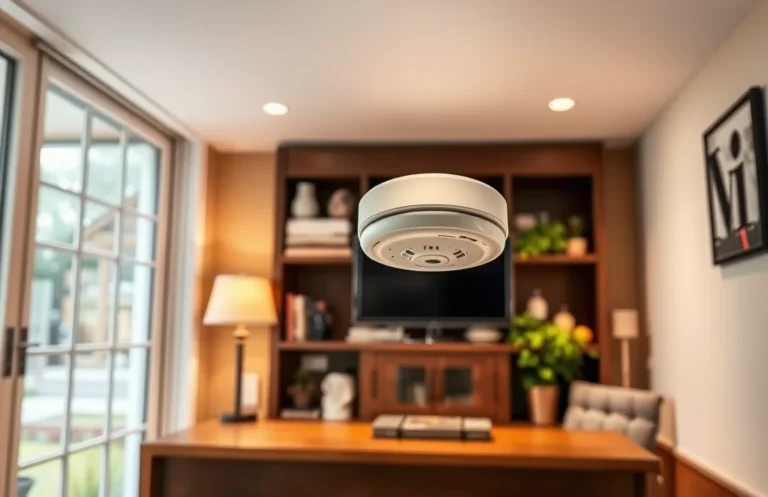
Many homeowners wonder if hard wired smoke alarms need batteries. Yes, they often require a battery backup to maintain functionality during power outages. Regular maintenance is essential to ensure both the hard wired system and the batteries are in optimal condition.
What to Know About do hard wired smoke alarms nee
Hard wired smoke alarms are directly connected to your home’s electrical system, providing a consistent source of power. This means that they do not require batteries for their primary function. However, understanding their power sources is crucial for ensuring your home safety measures are effective.
These alarms are designed to activate when they detect smoke, signaling an alarm to alert you and your family. While the hard wiring allows for continuous operation, it’s essential to note that if there is a power outage, these alarms may not function without additional support. Many hard wired models include a battery backup feature to ensure they remain operational even during power failures. This dual power source can offer peace of mind, knowing that your smoke alarms will still work in critical situations.
Overall, while hard wired smoke alarms do not need batteries for their primary operation, considering a battery backup can enhance your home’s safety. This will ensure that your alarms are always ready to alert you in the event of a fire, regardless of the circumstances.
Battery Backup Importance
Battery backup plays a critical role in the functionality of hard wired smoke alarms. While these alarms are generally connected to your home’s electrical system, they can still fail during a power outage or if the wiring is compromised. Having a battery backup ensures that your alarm continues to operate even in such situations, providing essential protection against fire hazards.
Smoke alarms are designed to detect smoke and alert occupants to potential danger. If a hard wired unit loses power, it becomes ineffective, leaving your home vulnerable. A battery backup acts as an additional safety net, allowing the alarm to function regardless of electrical issues. This is especially important for homes in areas prone to power outages due to storms or other emergencies.
Additionally, battery backups can serve as a reminder for maintenance. Many models emit a low battery chirp when the backup needs replacing, prompting you to check and ensure that your smoke alarm is always ready to respond. By integrating battery backup into your smoke alarm system, you can enhance your home’s safety and maintain peace of mind, knowing you’re protected even when the unexpected occurs.
When Power Fails
During a power outage, hard wired smoke alarms can lose their primary source of power, which raises concerns about their functionality. Understanding how these alarms operate without electricity is crucial for ensuring your home remains safe in all situations.
If your hard wired smoke alarms are equipped with battery backup, they will continue to function even when the power goes out. However, if they lack this feature, they will cease to operate, leaving your home unprotected against potential fire hazards. This is particularly critical during outages caused by severe weather or other emergencies, when the risk of fire may increase due to alternative heating sources or cooking methods being employed.
<pTo ensure your safety, it’s advisable to check whether your smoke alarms have battery backup. If they do, make it a habit to regularly check and replace the batteries as needed. If your alarms do not have this feature, consider upgrading to models that include battery backup to enhance your home’s fire safety system. Regular maintenance and awareness can make a significant difference in protecting your home and family during unexpected power interruptions.
Local Code Requirements
Building codes vary by location, but many jurisdictions require hard-wired smoke alarms to have battery backup. This ensures continuous operation during power outages. Homeowners should check their local fire and building codes to confirm specific requirements regarding smoke alarm installation and battery usage.
For example, the National Fire Protection Association (NFPA) recommends that smoke alarms be interconnected and equipped with a backup power source, such as batteries, to ensure reliability. Some local codes may also mandate that all smoke alarms, whether hard-wired or battery-operated, have a backup system in place.
It’s essential to stay informed about these regulations, as compliance not only enhances safety but may also be necessary for insurance purposes. Regularly reviewing local guidelines can help ensure your home meets safety standards and provides peace of mind regarding fire prevention measures.
Maintenance Considerations
Regular maintenance of hard wired smoke alarms, including their battery backups, ensures they function properly when needed. Here are essential steps to keep your system in optimal condition:
- Test Monthly: Press the test button on your smoke alarm monthly to ensure it’s operational. If the alarm doesn’t sound, check the battery backup and consider replacing it.
- Clean Regularly: Dust and debris can interfere with the sensor. Gently vacuum the exterior of the alarm and use a damp cloth to clean the casing. Avoid using cleaners that could damage the unit.
- Replace Batteries Annually: Even if your alarm is hard wired, change the backup battery at least once a year. This ensures it will function during a power outage.
- Check Expiration Dates: Most smoke alarms have a lifespan of 8-10 years. Replace any units that are reaching the end of their life to ensure your home remains protected.
- Consult the Manual: Familiarize yourself with the manufacturer’s instructions for maintenance and troubleshooting. Specific models may have unique requirements.
By following these maintenance steps, you can ensure your smoke alarms are reliable and effective, providing peace of mind for your home safety.
Choosing the Right Battery
Selecting the appropriate battery for your hard wired smoke alarms is crucial for ensuring they function correctly during a power outage. While these alarms are primarily powered by your home’s electrical system, a reliable battery backup is essential for peace of mind and safety. Here are some key considerations for choosing the right battery.
Opt for batteries specifically designed for smoke detectors, such as 9-volt lithium or alkaline batteries. Lithium batteries typically have a longer shelf life and can provide reliable power for several years, reducing the frequency of replacements. Alkaline batteries are also a viable option, but they may require more frequent changes. Always check your smoke alarm’s user manual for manufacturer recommendations on battery types to ensure compatibility and optimal performance.
Furthermore, consider purchasing batteries in bulk to have replacements readily available when needed. This proactive approach ensures your smoke alarms remain functional and your home stays safe. Remember, even hard wired smoke alarms need batteries to provide backup power, so prioritize this selection to enhance your home safety measures.
Signs of Battery Failure
Recognizing the signs of battery failure in your smoke alarm is crucial for maintaining safety in your home. Even if your smoke alarm is hard-wired, it typically includes a battery backup to ensure functionality during power outages. Here are the key indicators that the battery may need replacing:
- Chirping or Beeping: If your smoke alarm emits chirping sounds, this often signals that the backup battery is low and requires replacement.
- Warning Light: Some models have a warning light that blinks or changes color to indicate battery issues.
- Age of Battery: Batteries should be replaced at least once a year. If you haven’t done so, it’s time to check.
Regularly testing your smoke alarm and replacing batteries promptly will help ensure that your hard-wired smoke alarms remain fully operational, providing you with peace of mind and safety in your home.
Quick Summary
- Hardwired smoke alarms are connected to the home’s electrical system.
- Most hardwired smoke alarms still require a backup battery for safety.
- Battery backups ensure functionality during power outages.
- Regular maintenance includes testing the alarms and replacing batteries as needed.
- It’s important to check local codes and regulations regarding smoke alarm requirements.
- Some newer models come with sealed batteries that last up to 10 years.
- Replacing the entire unit is recommended if the alarm is more than 10 years old.
Frequently Asked Questions
Do hard wired smoke alarms need batteries?
Yes, most hard wired smoke alarms require a backup battery to ensure they function during a power outage. While the hard wired component provides primary power, the battery acts as a safeguard for continuous operation.
How often should I replace the batteries in my hard wired smoke alarms?
You should replace the backup batteries in your hard wired smoke alarms at least once a year. Even if the alarm is hard wired, the battery can lose its charge over time, so regular checks are important for safety.
What type of batteries should I use for hard wired smoke alarms?
Typically, hard wired smoke alarms use 9-volt batteries for backup. However, it’s essential to check the manufacturer’s instructions for the specific type of battery recommended for your alarm model.
How can I tell if my hard wired smoke alarm is working properly?
Test your hard wired smoke alarms monthly by pressing the test button. Additionally, make sure to inspect the batteries and check for any warning chirps, which indicate that the battery is low or the unit needs maintenance.
Should I replace my hard wired smoke alarms, and how often?
It’s recommended to replace hard wired smoke alarms every 10 years, even if they appear to be functioning. Aging alarms may not detect smoke effectively, so regular replacement is crucial for ongoing safety.

- How to Jump-Start a Motorcycle with a Car Battery Safely - February 22, 2026
- Does Life360 Really Drain Your Battery? What You Should Know - February 22, 2026
- Do Hardwired Smoke Detectors Need Batteries for Backup Support? - February 22, 2026