Do All Thermostats Require Batteries? What You Need to Know
As a new homeowner, understanding your heating and cooling systems can seem daunting, especially when it comes to thermostats. One common question that arises is whether all thermostats require batteries and how that impacts their functionality in your home.
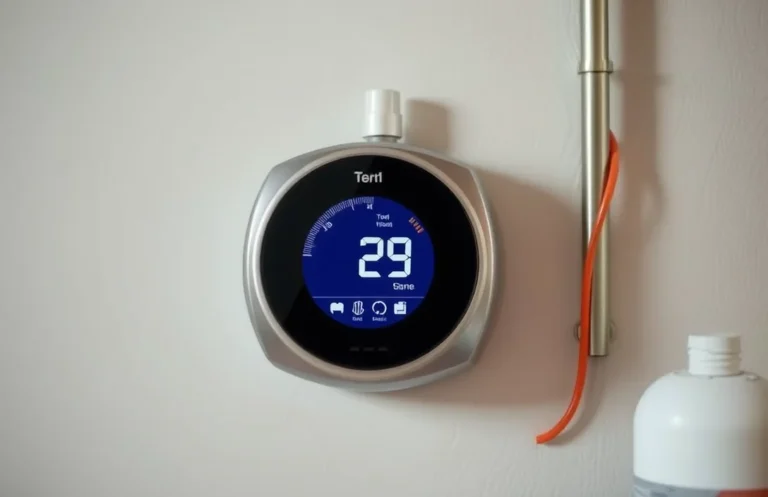
Not all thermostats have batteries. Some are hardwired to your home’s electrical system, while others use batteries for power. Battery-operated models provide flexibility in placement, but you need to replace the batteries regularly to ensure proper operation.
Types of Thermostats
Understanding the different types of thermostats is essential for managing your home’s heating and cooling systems effectively. Each type has its own unique features and functionalities, which can influence whether or not they require batteries. Knowing these differences will help you make informed decisions about your home’s climate control.
There are primarily three types of thermostats: mechanical, digital, and smart. Mechanical thermostats are the traditional type, often using a bimetallic strip to sense temperature changes. They generally do not require batteries, as they operate using simple mechanical components.
Digital thermostats are more modern and provide precise temperature control. Some models may run on batteries, while others are hardwired into the electrical system of your home. Smart thermostats take this a step further, offering advanced features and connectivity options. Most smart thermostats do require batteries, especially if they rely on Wi-Fi for functionality.
By understanding these types, you can better evaluate your options and their battery requirements. This knowledge will be beneficial as you consider which thermostat best suits your needs.
Battery-Powered Thermostats
Battery-powered thermostats are designed to operate independently of your home’s electrical system. They rely on batteries for their functionality, making them a flexible option for various settings. These devices are particularly useful when wiring is not feasible or practical, providing homeowners with an easy installation process.
Typically, these thermostats require AA or AAA batteries, which can last anywhere from a few months to a couple of years, depending on usage and model. Regularly checking and replacing the batteries is crucial to ensure continuous operation. Some advanced models even feature low-battery alerts, so you’ll know when it’s time for a change. Choosing a battery-powered thermostat can be an excellent option for homes without existing wiring or for those who want to easily relocate their thermostat without extensive renovations.
Hardwired Thermostats
Hardwired thermostats connect directly to your home’s electrical system, eliminating the need for batteries. This type of thermostat receives power from the HVAC system, ensuring it operates continuously without interruption. As a result, they are often more reliable and require less maintenance than battery-powered options.
These thermostats are typically installed in homes with central heating and cooling systems. Since they draw power from the electrical system, you won’t have to worry about replacing batteries. However, if there is a power outage, some models may stop working until power is restored. It’s crucial to ensure that your hardwired thermostat is correctly installed and connected to the electrical system for optimal performance.
Before choosing a hardwired thermostat, consider your home’s specific heating and cooling needs. While they are generally more consistent, compatibility with your HVAC system is key. Always consult with a professional if you’re unsure about installation or which model suits your home best.
Smart Thermostats and Batteries
Smart thermostats often integrate advanced features that enhance your home’s energy efficiency and comfort. These devices typically require a power source to function, and many have built-in batteries for backup. Understanding how these batteries work can help you better manage your home heating and cooling systems.
While some smart thermostats are hardwired to your home’s electrical system, others rely on batteries for operation. These batteries are essential for maintaining settings and connectivity, especially during power outages. Some models use rechargeable batteries, which can be charged through the wiring, while others may require periodic replacement. It’s crucial to check the specific requirements of your smart thermostat to ensure it operates smoothly.
In summary, not all smart thermostats are purely reliant on batteries, but they often incorporate them for added reliability. Knowing whether your device has a battery backup can help you make informed decisions about your home’s climate control system.
Battery Lifespan Considerations
Understanding factors that affect battery life in thermostats can help you maintain your home heating and cooling system effectively. Several elements play a role in how long batteries last, ensuring your thermostat operates smoothly without constant replacements.
Temperature fluctuations in your home can impact battery performance. Extreme heat or cold may drain batteries faster than usual. Additionally, the frequency of use affects lifespan; a thermostat that frequently adjusts settings will consume more power. If you have a smart thermostat, its connectivity features can also shorten battery life, as they rely on Wi-Fi and other wireless communications.
Another consideration is the type of batteries used. Alkaline batteries typically last longer than lithium-ion but may not perform as well in extreme temperatures. Regularly checking your thermostat’s battery compartment for corrosion or dirt can prevent unnecessary drainage and maintain efficiency.
By being aware of these factors, you can better manage your thermostat’s battery life and ensure its reliable performance throughout the year.
Signs Your Thermostat Needs New Batteries
Recognizing when your thermostat needs new batteries is essential to maintaining a comfortable home environment. Several indicators can help you determine if it’s time for a replacement, ensuring your heating and cooling systems operate efficiently.
One clear sign is if your thermostat display starts to dim or flicker. This often indicates low battery power. Additionally, if your heating or cooling system fails to respond to temperature adjustments, it could mean the batteries are weak or depleted. Some thermostats may also display a low battery warning on the screen, prompting you to replace them soon. Regularly checking your thermostat for these signs can help prevent unexpected temperature fluctuations in your home.
Choosing the Right Thermostat
Selecting a thermostat that fits your needs involves considering whether or not it requires batteries. Different types of thermostats have varying power sources, and understanding these can aid in making an informed decision. Here’s a guideline to help you choose wisely based on battery requirements.
- Determine your heating and cooling system type: Identify whether you have a central HVAC system, a heat pump, or individual heating/cooling units, as this will influence thermostat compatibility.
- Assess battery needs: Decide if you prefer a battery-operated model, which is often easier to install, or a hardwired one that connects directly to your electrical system.
- Consider smart thermostats: Many smart models can operate on batteries or be hardwired. Check the specifications to see how they are powered.
- Look for features: Some thermostats offer features like Wi-Fi connectivity or programmable settings, which may also affect their power requirements.
- Plan for maintenance: If you choose a battery-operated thermostat, ensure to keep track of battery life and replacement to avoid unexpected interruptions.
- Consult an HVAC professional: If uncertain, seek advice from a specialist who can guide you based on your specific home setup and preferences.
Understanding these factors will help you select a thermostat that best suits your lifestyle and minimizes any hassle related to power sources.
Quick Summary
- Not all thermostats require batteries; some are hardwired to the electrical system.
- Battery-operated thermostats offer flexibility in placement and installation.
- Smart thermostats often have rechargeable batteries that can be powered through the HVAC system.
- Traditional mechanical thermostats may use batteries to maintain settings during power outages.
- Regular battery replacement is necessary for optimal performance in battery-operated models.
- Users should check the specific model’s requirements to determine if batteries are needed.
- Some thermostats have backup battery options for added reliability during power failures.
Frequently Asked Questions
Do all thermostats have batteries?
No, not all thermostats require batteries. Some thermostats, especially hardwired models, receive power directly from the heating and cooling system, while others may have backup batteries for settings retention during power outages.
How do I know if my thermostat has batteries?
You can check the user manual for your thermostat model or look for a battery compartment, usually located on the back or bottom of the device. If you don’t see any battery compartment, it’s likely that your thermostat is hardwired.
What type of batteries do thermostats use?
Most thermostats that use batteries commonly require AA or AAA batteries, although some might use a specific type like 3V lithium batteries. It’s essential to check the specifications of your thermostat for the correct battery type.
How often should I replace the batteries in my thermostat?
It’s generally recommended to replace the batteries in your thermostat at least once a year, or when you notice any signs of malfunction. Additionally, some thermostats have low battery indicators that will alert you when it’s time for a replacement.
Can I use rechargeable batteries in my thermostat?
While some thermostats may function with rechargeable batteries, it’s best to consult the manufacturer’s guidelines. Non-rechargeable alkaline batteries are typically recommended for reliability and consistent performance.

- How to Jump-Start a Motorcycle with a Car Battery Safely - February 22, 2026
- Does Life360 Really Drain Your Battery? What You Should Know - February 22, 2026
- Do Hardwired Smoke Detectors Need Batteries for Backup Support? - February 22, 2026