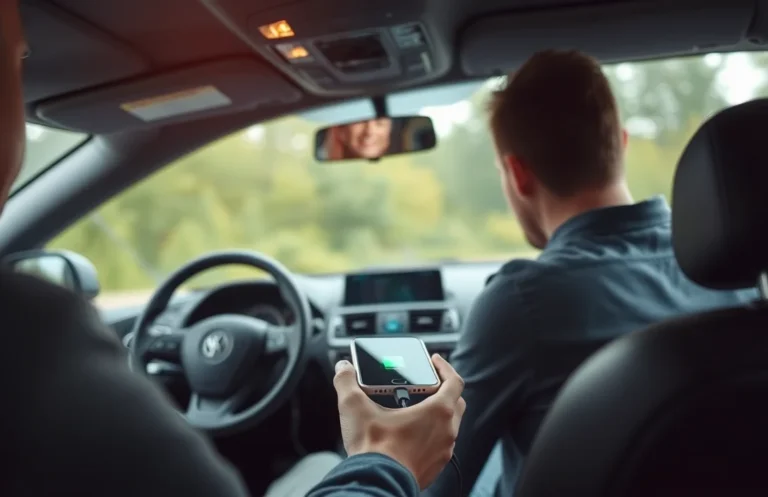
Does Charging Your Phone in the Car Drain the Battery?
Many drivers wonder if charging their phone while driving can drain their car battery. This concern is valid, especially for those who rely heavily on their devices. Understanding the impact of phone charging on your vehicle’s battery can help you make informed choices on the road.
Charging your phone does not significantly drain your car battery under normal circumstances. Key points include: the car’s alternator recharges the battery while driving, most phones require minimal power, and using a quality charger can prevent excessive battery drain.
Power Consumption of Charging
Charging a phone in your vehicle consumes a specific amount of power from the car’s battery, which can contribute to battery drain if used excessively. Understanding the power consumption involved can help you gauge its impact on your car’s electrical system.
- Most smartphones require about 5 to 20 watts of power to charge, depending on the model and charging speed. Typical USB ports in cars deliver around 5 volts at 1 or 2 amps, translating to 5 to 10 watts.
- The charging process can take anywhere from 1 to 3 hours, depending on the phone and its battery capacity. This duration affects how much energy is drawn from the car’s battery.
- If the vehicle is running, the alternator helps replenish the battery while charging your phone. This reduces the net impact on the car’s battery.
- Charging a phone when the engine is off can deplete the car battery significantly, especially if the car is older or has a weaker battery, leading to potential starting issues.
Monitoring your charging habits can mitigate any adverse effects on your vehicle’s battery life.
Impact on Car Battery
Charging your phone in the car does have implications for the vehicle’s battery health and overall lifespan. Understanding these effects can help you make informed decisions about when and how to charge your devices while driving.
When you connect your phone to your car’s charging port, it draws power from the car’s battery. If the engine is running, the alternator typically compensates for this power draw, keeping the battery charged. However, if the engine is off, this process can drain the battery, leading to potential issues starting the vehicle later. Frequent charging while the engine is off can gradually diminish the battery’s capacity and health.
To mitigate the impact of charging your phone, consider charging while the engine is running. This ensures that the alternator is replenishing the power used, preventing excessive strain on the car battery. Additionally, avoid using multiple power-hungry devices simultaneously, as this can exacerbate battery drain. Overall, being mindful of your charging habits can significantly influence the longevity and reliability of your car’s battery.
Alternating Current vs. Direct Current
Understanding the difference between Charging Your Phone in the Car versus at home is crucial. The type of current used in these scenarios impacts efficiency and battery health. Cars typically use direct current (DC), while most home charging setups utilize alternating current (AC). This distinction can influence how your phone charges and how much it may affect the vehicle’s battery.
In a car, the battery provides DC, which is ideal for charging devices like smartphones. This direct current is consistent and allows for a stable charge. However, charging at home often involves an AC power source, which is converted to DC through a charger. This conversion process can lead to slightly different charging rates, affecting how quickly your phone charges and how much power is drawn from the car’s battery.
Charging your phone in the car can drain the battery, especially if the vehicle is off, as it draws power directly from the battery. In contrast, home charging is generally more efficient, benefiting from a stable AC source that can handle multiple devices without straining the main power source. Understanding these differences helps clarify whether charging in the car is a practical option or a drain on your vehicle’s resources.
Car Battery Capacity Considerations
The capacity of your car’s battery plays a significant role in determining how well it can handle the demands of charging devices like smartphones. Understanding this aspect can help you make informed decisions about when and how to charge your phone without negatively impacting your vehicle’s battery life.
- Know your battery’s capacity: Car batteries are rated in amp-hours (Ah), which indicates how much energy they can store. A higher capacity battery can handle more power demands simultaneously.
- Evaluate your vehicle’s electrical system: Newer cars often have more robust electrical systems that can manage multiple devices without compromising battery performance. Older vehicles may struggle under the same conditions.
- Consider your usage: If your phone is charging while you’re driving, the alternator helps replenish the battery. Charging it when the engine is off can drain the battery significantly, especially if the battery is smaller.
- Monitor battery health: An older or weak battery may not perform well under extra load. Regular maintenance checks can ensure your battery is in good condition to handle additional power demands.
By understanding how your car battery’s capacity interacts with charging devices, you can better assess whether charging your phone will drain your car battery under various circumstances.
When the Engine is Off
Charging your phone while the car is parked can significantly impact the vehicle’s battery. When the engine is off, the car’s electrical systems rely solely on the battery’s stored energy. If you plug in your device, it draws power from the battery without any recharge from the alternator.
The extent of battery drain depends on several factors, including how long the charging occurs and the phone’s power requirements. Most smartphones require 5 to 20 watts for charging, which can deplete the battery if left connected for extended periods. For example, charging a phone for an hour could consume a noticeable amount of battery capacity.
To minimize the risk of draining the car battery, consider charging your phone only for short periods when the engine is off or using a portable power bank instead. This method avoids unnecessary strain on the car’s battery and ensures your phone stays charged without compromising your vehicle’s starting power.
Using USB Ports vs. Adapters
Charging your phone in the car can vary in efficiency depending on whether you use built-in USB ports or external adapters. Understanding this difference is crucial for managing power consumption and ensuring your car battery remains charged, especially during longer trips.
Built-in USB ports are typically designed to provide a steady power output, usually around 1 to 2.1 amps, which can efficiently charge most smartphones. They draw power directly from the car’s electrical system, reducing the risk of draining the battery excessively. However, their charging speed may not match that of dedicated wall adapters used at home.
On the other hand, external adapters, particularly those with fast-charging capabilities, can draw more power and charge devices more quickly. This can be beneficial in situations where you need a rapid charge. However, using high-capacity adapters may increase the risk of depleting the car battery if the engine is off or if the car’s electrical system is not robust enough to support that demand.
Ultimately, the choice between USB ports and adapters impacts not only charging efficiency but also the overall health of your car battery. Opt for built-in ports for regular use and reserve high-capacity adapters for emergencies or when the engine is running.
Examples: does charging phone drain car
To minimize the impact on your vehicle’s battery while charging your phone, consider a few practical tips. These steps ensure that you can stay connected without significantly draining your car’s power source. Implementing these strategies can help extend your battery life and avoid potential issues.
- Charge while driving: The best time to charge your phone is when the engine is running. This allows the alternator to replenish the battery while you use the power.
- Limit charging duration: If possible, avoid charging your phone for extended periods while the car is off. If you need to charge when stationary, aim for a short duration.
- Use energy-efficient chargers: Opt for chargers that have efficient power output to reduce the strain on your car’s battery.
- Turn off accessories: Minimizing the use of other electronic devices in the car can help conserve battery power, making it easier to charge your phone.
By following these tips, you can effectively manage power consumption while ensuring that your phone remains charged and ready for use.
Quick Summary
- Charging a phone in a car can draw power from the car’s battery.
- Modern vehicles have systems that can handle small power draws without significant impact.
- Excessive phone charging while the car is off can drain the battery over time.
- Using the car’s USB ports is generally safer than using a lighter adapter.
- Regularly starting the car while charging can help maintain battery health.
- Older cars may be more susceptible to battery drain from phone charging.
- It’s important to monitor battery health, especially if frequently charging devices.
Frequently Asked Questions
Does charging my phone drain my car battery?
Yes, charging your phone can drain your car battery, especially if the engine is off. The car battery provides power to the charging port, which can lead to battery depletion over time.
How much battery does charging a phone use?
Charging a phone typically uses a small amount of power, but the total drain depends on how long the phone is plugged in. If the vehicle is not running, this drain can accumulate and potentially lead to a dead battery.
Can I charge my phone while the car is off?
You can charge your phone while the car is off, but it’s not recommended for extended periods. It’s best to charge your device while the engine is running to avoid draining the car battery.
How long can I charge my phone in the car before it drains the battery?
The duration varies depending on the car battery’s health and capacity. Generally, charging for about 30 minutes to an hour is safe, but longer periods could risk depleting the battery.
What should I do if my car battery is dead from charging my phone?
If your car battery is dead, you can try jump-starting it with jumper cables or a portable jump starter. If the battery continues to drain frequently, consider having it tested or replaced.

- How to Jump-Start a Motorcycle with a Car Battery Safely - February 22, 2026
- Does Life360 Really Drain Your Battery? What You Should Know - February 22, 2026
- Do Hardwired Smoke Detectors Need Batteries for Backup Support? - February 22, 2026