Charging Your Phone in the Car: Does It Drain Your Car Battery?
Charging your phone in the car can be convenient, especially on long drives. However, many people wonder if this practice actually drains their car battery or affects the phone’s battery health. Understanding the implications can help you make informed decisions while on the road.
Charging your phone in the car does not drain your car battery under normal conditions. Modern vehicles are designed to handle additional power loads, and smartphones typically use minimal energy while charging, ensuring both devices function efficiently.
Impact on Car Battery Life
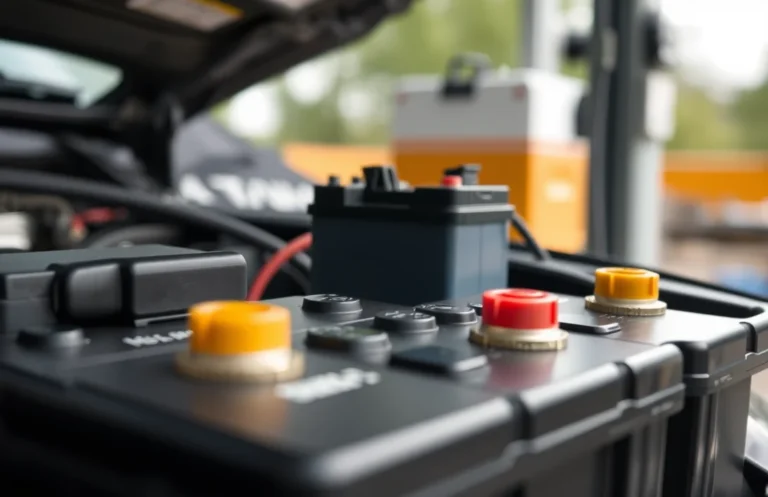
Charging your phone in the car can have implications for the longevity of your vehicle’s battery. Understanding how this process works is essential for maintaining battery health. When you charge your device, the car’s battery is utilized, which can impact its overall life if not managed properly.
- Monitor Usage: Keep an eye on your phone’s charging habits. Frequent use of the car battery for charging can lead to a gradual decline in its capacity.
- Limit Idle Time: Avoid charging while the engine is off. Charging your phone with the engine not running drains the car battery without recharging it.
- Use Efficient Chargers: Invest in a high-quality car charger that minimizes energy waste. Cheaper chargers may not provide efficient power transfer, leading to unnecessary strain on the car battery.
- Balance Charging Needs: If you’re using additional power for other devices, consider limiting phone charging to avoid overloading the car battery.
By following these guidelines, you can help maintain your car battery’s health while still enjoying the convenience of charging your phone on the go.
Alternator’s Role in Charging
The alternator is a critical component in your vehicle that plays a significant role in charging electronic devices, including your phone. It converts mechanical energy from the engine into electrical energy, ensuring that your car’s battery and connected devices receive the necessary power while the engine is running. Understanding its function helps clarify how charging your phone affects the car’s overall battery health.
- Energy Conversion: The alternator generates electricity through electromagnetic induction. As the engine runs, the alternator spins, creating a magnetic field that generates current.
- Power Supply: This electrical energy is used to power the vehicle’s electrical systems and recharge the car battery simultaneously. When you plug in your phone, the alternator provides the necessary power without drawing from the battery.
- Efficiency: Charging a phone while the engine is on is efficient, as the alternator can easily keep up with the power demands of the device without straining the car battery.
- Battery Maintenance: Keeping the engine running while charging helps maintain the health of the car battery, reducing the risk of battery drain and ensuring longevity.
Charging While Engine is Off
Charging your phone with the car engine off can significantly impact the car battery, especially if done for extended periods. The car battery supplies power to the phone charger, and without the engine running, it relies solely on the battery’s stored energy. This practice can drain your car battery, particularly if the battery is already weak or not fully charged.
When the engine is off, the car’s electrical systems are limited to what the battery can provide. If you charge your phone for a short duration, it may not cause noticeable harm. However, leaving it plugged in for several hours can deplete the battery enough to prevent the engine from starting. The more devices you charge, the greater the drain on the battery. To mitigate this risk, consider charging your phone while the engine is running, or use a portable power bank for longer trips.
Smartphone Power Requirements
Understanding the energy needs of modern smartphones is crucial for addressing any concerns about charging them in your vehicle. Smartphones typically require a consistent power supply to maintain functionality and charge effectively. This section outlines how much power your device typically consumes and what that means for your car’s battery.
Most smartphones operate with a charging requirement ranging from 5 to 20 watts, depending on the model and charging technology used. Fast charging capabilities can push this number higher, often requiring upwards of 18 watts. The average vehicle’s USB port or a dedicated charger can usually deliver sufficient power to meet these needs without significant strain on the car’s battery.
However, the impact of charging your phone while driving is minimal compared to the energy demands of the vehicle itself. Modern cars are designed to support various electrical accessories, including charging ports, without major drain on the battery. As long as the engine is running, the alternator replenishes the battery, effectively mitigating the concerns related to charging your phone.
This energy requirement is a key factor in understanding how using your vehicle’s power system for charging impacts overall battery health. Knowing your phone’s charging needs allows you to make informed decisions about when and how to charge your device in the car.
Battery Drain During Short Trips
Short trips can significantly affect your car’s battery, especially when charging your phone simultaneously. Understanding this impact is crucial for maintaining your vehicle’s health and ensuring your phone receives the charge it needs. Here’s how short drives influence battery levels:
- Engine Idle Time: If the engine is off during a brief stop, the car battery is the sole power source for charging your phone. This can lead to a quicker drain, particularly if the battery is already weak.
- Alternator Output: During short trips, the alternator may not have enough time to recharge the battery fully, especially if you’re only driving for a few minutes. This can lead to a gradual depletion of battery power.
- Battery Condition: An older or weakened battery will struggle to maintain charge levels. If you frequently charge your phone during short commutes, consider testing your battery’s health periodically.
- Accessory Load: Running multiple accessories while charging can increase the load on the battery, compounding the drain during those brief periods.
To minimize battery drain, try to limit phone charging during short trips or ensure that your vehicle is in good condition to handle the additional load.
Using USB Ports vs. AC Outlets
Charging your phone in the car can be accomplished through different methods, primarily using USB ports or AC outlets. Each method has its advantages and potential impacts on your vehicle’s battery. Understanding these differences can help you make informed choices while charging your devices.
| Charging Method | Efficiency | Impact on Car Battery |
|---|---|---|
| USB Ports | Moderate | Lower drain, especially when the engine is running |
| AC Outlets | High | Higher drain, can impact battery if used while the engine is off |
USB ports are generally more energy-efficient for charging while driving, particularly when the engine is on. This minimizes the drain on your car’s battery. In contrast, using AC outlets can provide faster charging but may lead to more significant battery drain when the vehicle is not running. Therefore, it’s advisable to use USB ports when possible to ensure your car battery remains healthy.
Examples: does charging your phone in th
Minimizing battery drain while charging your phone in the car is essential for maintaining the health of both your phone and vehicle battery. Implementing a few simple strategies can help ensure that the charging process is efficient and doesn’t negatively impact your car’s power supply.
- Turn Off Unnecessary Features: Disable Bluetooth, Wi-Fi, and location services while charging to reduce power consumption on your phone.
- Use Airplane Mode: Activating airplane mode can significantly decrease battery usage, allowing for a more efficient charging experience.
- Charge When the Engine is Running: Only charge your device while the engine is on to prevent draining the car battery, especially on longer drives.
- Limit Background Apps: Close apps running in the background that may use data and power while charging.
- Use High-Quality Chargers: Invest in a reliable charging cable and adapter that delivers optimal current to your phone, ensuring faster charging without excessive energy loss.
By following these tips, you can effectively manage the charging process in your car without compromising your vehicle’s battery life.
Quick Summary
- Charging your phone in the car does not significantly drain the car’s battery if the engine is running.
- When the engine is off, charging your phone can drain the car battery, especially if it’s an older battery.
- Using a high-quality charger can optimize charging efficiency and reduce strain on the car’s electrical system.
- Smartphones typically use less power to charge than other devices, minimizing impact on the car battery.
- Modern cars often have systems that manage power distribution, reducing the risk of battery drain.
- If the car battery is weak or old, it’s advisable to avoid charging devices when the engine is off.
- Regularly monitoring your car battery’s health can prevent unexpected issues related to charging devices.
Frequently Asked Questions
Does charging my phone in the car drain the car’s battery?
Charging your phone in the car can use some power from the car’s battery, but generally, it’s not enough to drain it significantly. Most modern vehicles have charging systems designed to handle small power draws without impacting the overall battery performance.
Is it safe to charge my phone while driving?
While it’s safe to charge your phone while driving, it’s important to avoid distractions. Make sure your phone is securely placed and use hands-free options to minimize the risk of accidents.
Will charging my phone in the car affect its battery life?
Charging your phone in the car doesn’t inherently harm its battery life. However, consistently exposing your phone to extreme temperatures in a car can lead to battery degradation over time.
What type of charger should I use in my car?
Using a quality car charger that matches your phone’s charging specifications is crucial. Look for chargers with built-in safety features like overcharge protection to ensure your device stays safe while charging.
Can I charge multiple devices in my car at once?
Yes, you can charge multiple devices in your car, but be aware of the total power draw. Using a high-quality multi-port charger can help distribute power efficiently without overwhelming your car’s electrical system.