Golf Cart Batteries: Lifespan, Factors, and Maintenance Tips
Curious about the lifespan of cart batteries? Understanding how long these batteries last can save you time and money while ensuring your cart performs optimally. From golf carts to mobility scooters, knowing what to expect is essential for any user.
Cart batteries typically last between 4 to 6 years, depending on maintenance and usage. Factors affecting lifespan include type of battery, charging habits, and environmental conditions. Regular care can significantly extend their life, making it crucial to follow best practices.
Average Lifespan of Golf Cart Batteries
The lifespan of golf cart batteries varies significantly based on their type and usage. Generally, you can expect different types of batteries to last between 4 to 10 years, depending on several factors. Understanding these variations helps in choosing the right battery for your golf cart and planning for future replacements.
Lead-acid batteries, the most common type used in golf carts, typically last about 4 to 6 years. These batteries are cost-effective but require regular maintenance, such as checking water levels and ensuring proper charging practices. On the other hand, lithium-ion batteries have gained popularity due to their longer lifespan, often ranging from 8 to 10 years. They tend to be more expensive upfront but provide greater efficiency and lower maintenance requirements.
Ultimately, the lifespan will also depend on how often the cart is used, the charging habits, and the overall care provided. Proper maintenance can significantly extend battery life, making it crucial to follow recommended guidelines for optimal performance.
Factors Affecting Battery Longevity
Understanding the various factors that influence battery longevity is crucial for optimizing performance and extending lifespan. Each aspect can significantly affect how long a battery will last, influencing both efficiency and reliability. Here are key elements to consider:
- Temperature: Extreme temperatures can shorten battery life. High heat can lead to faster chemical reactions, while freezing conditions can reduce capacity. Aim to store and operate batteries in moderate temperature ranges.
- Charging Practices: Overcharging or undercharging can harm battery health. Follow manufacturer guidelines for charging times and avoid leaving batteries plugged in for extended periods.
- Depth of Discharge: Regularly discharging batteries to very low levels can reduce their lifespan. Keep cycles shallow whenever possible to maintain battery health.
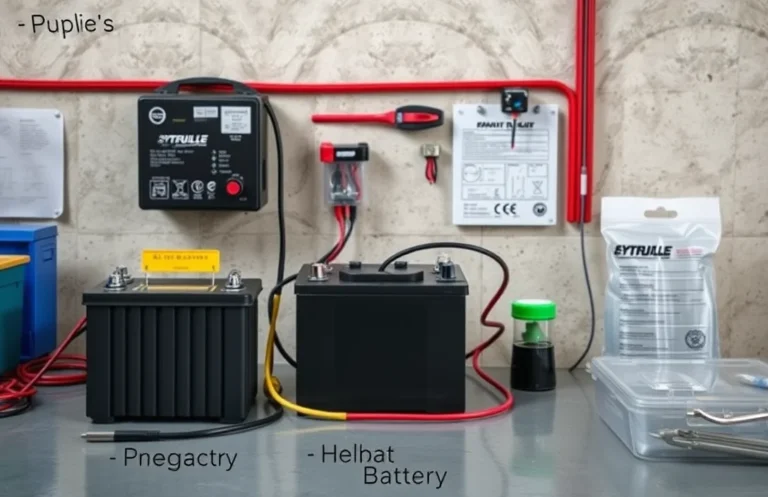
- Maintenance: Regular maintenance, such as cleaning terminals and checking fluid levels in flooded batteries, can enhance performance and longevity.
- Usage Patterns: Frequent short trips can lead to incomplete charging cycles. Consistent use of the battery can help maintain its capacity and health.
Importance of Battery Quality
The quality of golf cart batteries significantly influences their lifespan and overall performance. Higher-quality batteries are designed to withstand the rigors of frequent use, while lower-quality options may fail prematurely. Understanding the impact of battery quality can help in making informed purchasing decisions and maintaining optimal performance over time.
- Choose Reputable Brands: Opt for batteries from well-known manufacturers that have a track record of reliability and durability. Brands with good reviews and warranties often provide better assurance of quality.
- Check Specifications: Look for batteries that meet the specific requirements of your golf cart. Pay attention to factors such as voltage, capacity, and type (e.g., flooded lead-acid, AGM, lithium) to ensure compatibility.
- Research Battery Composition: Higher-quality batteries often use superior materials and technology. For instance, lithium batteries tend to last longer and require less maintenance compared to traditional lead-acid batteries.
- Consider Manufacturing Standards: Check if the batteries comply with recognized manufacturing standards, which can indicate better quality and performance. Certifications can provide peace of mind regarding the safety and functionality of the product.
By prioritizing battery quality, you can enhance the longevity of your cart batteries, ultimately leading to cost savings and improved reliability in your golf cart’s performance.
Environmental Impact on Battery Life
Weather and storage conditions significantly influence the lifespan of golf cart batteries. Extreme temperatures, humidity levels, and how you store the batteries can all lead to reduced performance and longevity. Understanding these environmental factors is crucial for maintaining the durability of your batteries.
- Temperature Extremes: High temperatures can accelerate chemical reactions within the battery, leading to faster degradation. Ideally, keep batteries in a cool, shaded area, especially during hot months. Conversely, cold temperatures can reduce battery capacity, so storing them in a temperature-controlled environment is beneficial.
- Humidity Levels: Excess moisture can lead to corrosion on battery terminals and connections. Ensure that the storage area is dry and well-ventilated to prevent moisture accumulation. If humidity is high, consider using desiccants to absorb excess moisture.
- Storage Practices: Always store batteries in a fully charged state when not in use. This practice prevents sulfation, which can occur if batteries are left discharged for extended periods. Regularly check the charge level and maintain them as needed.
- Direct Sunlight: Exposure to direct sunlight can increase battery temperatures, causing overheating and deterioration. Whenever possible, keep your golf cart and its batteries covered or in a shaded area.
Usage Patterns and Battery Life
The frequency and type of use significantly influence how long cart batteries last. Understanding these usage patterns can help optimize battery lifespan, ensuring you get the most out of your investment. Here are key factors to consider:
- Frequency of Use: Regularly using your cart can help maintain battery health. Batteries benefit from being discharged and recharged consistently rather than sitting idle for extended periods.
- Type of Terrain: Using your cart on flat surfaces typically allows for more efficient battery use compared to hilly or uneven terrain, which can strain the battery and reduce its lifespan.
- Load Weight: Heavier loads require more energy, which can deplete battery capacity faster. Be mindful of how much weight you carry in your cart.
- Speed of Usage: Operating your cart at moderate speeds can help conserve battery life. Rapid acceleration and high speeds can quickly drain the battery.
- Duration of Use: Long, continuous rides can lead to overheating and excessive drain. Plan for shorter trips and allow for breaks to optimize battery health.
By adjusting your usage patterns according to these factors, you can extend the life of your cart battery and ensure reliable performance over time.
Maintenance Practices for Longevity
Proper maintenance is essential to extend the lifespan of golf cart batteries. By implementing routine care and monitoring, you can help ensure optimal performance and longevity. Here are key practices to consider:
- Regular Charging: Always charge the batteries after use, and avoid letting them sit in a discharged state for extended periods. This practice prevents sulfation, which can diminish capacity.
- Water Levels: Check the water levels in flooded batteries regularly. Keeping them filled to the recommended level with distilled water helps prevent damage and ensures efficient operation.
- Cleaning Terminals: Clean battery terminals and cable connections periodically to prevent corrosion. Use a mixture of baking soda and water for cleaning, followed by rinsing with clean water.
- Temperature Control: Store the batteries in a temperature-controlled environment. Extreme heat or cold can negatively impact battery performance and lifespan.
- Periodic Testing: Test the specific gravity of the battery electrolyte with a hydrometer. This can help identify weak cells and assess overall health.
By adhering to these maintenance practices, you can significantly enhance the longevity of your cart batteries, ensuring reliable performance throughout their life.
Signs of Battery Aging
Recognizing the signs of battery aging is essential for maintaining optimal performance in your golf cart. As batteries age, their ability to hold a charge diminishes, which can impact your cart’s functionality. Below are key indicators that may suggest it’s time for a replacement.
One of the most noticeable signs is a decrease in runtime. If your cart is not lasting as long as it used to on a full charge, it’s likely that the battery is losing capacity. Another indicator is slower acceleration; if your golf cart takes longer to reach speed, this could signal battery issues. Additionally, physical signs like swelling or leakage should never be ignored. Any corrosion on terminals or connections can also indicate aging, leading to poor performance.
Regularly checking the voltage of your batteries can provide insights into their health. Underperformance in voltage readings may point to aging. Finally, if you’ve been charging more frequently without achieving the expected duration, this is a clear sign that the batteries may be nearing the end of their lifecycle, and considering a replacement would be prudent.
Quick Summary
- Cart batteries typically last between 4 to 6 years, depending on usage and maintenance.
- Factors affecting battery lifespan include charging habits, frequency of use, and environmental conditions.
- Regular maintenance, such as cleaning terminals and checking water levels, can extend battery life.
- Deep cycle batteries are commonly used in carts and are designed for repeated discharge and recharge cycles.
- Signs of a failing battery include reduced power, longer charging times, and physical damage or swelling.
- Proper storage during off-seasons can help preserve battery life and performance.
- Investing in a quality battery and charger can lead to better longevity and reliability.
Frequently Asked Questions
How long do cart batteries typically last?
Cart batteries usually last between 4 to 6 years, depending on usage and maintenance. Regularly charging and properly caring for the battery can help extend its lifespan.
What factors affect the lifespan of cart batteries?
Several factors can influence battery lifespan, including frequency of use, charging habits, and environmental conditions. Batteries that are overcharged or exposed to extreme temperatures may degrade faster.
How can I maintain my cart battery for optimal performance?
To maintain your cart battery, it is important to keep it clean, charge it regularly, and avoid deep discharges. Additionally, ensure the connections are tight and free of corrosion.
When should I replace my cart battery?
You should consider replacing your cart battery when you notice a significant decrease in performance, such as reduced run time or difficulty holding a charge. If the battery is more than 4 years old, it may be wise to evaluate its condition.
Are there different types of cart batteries, and do they last longer?
Yes, there are various types of cart batteries, including lead-acid, lithium-ion, and gel batteries. Lithium-ion batteries generally last longer and require less maintenance compared to traditional lead-acid batteries.

- How to Jump-Start a Motorcycle with a Car Battery Safely - February 22, 2026
- Does Life360 Really Drain Your Battery? What You Should Know - February 22, 2026
- Do Hardwired Smoke Detectors Need Batteries for Backup Support? - February 22, 2026