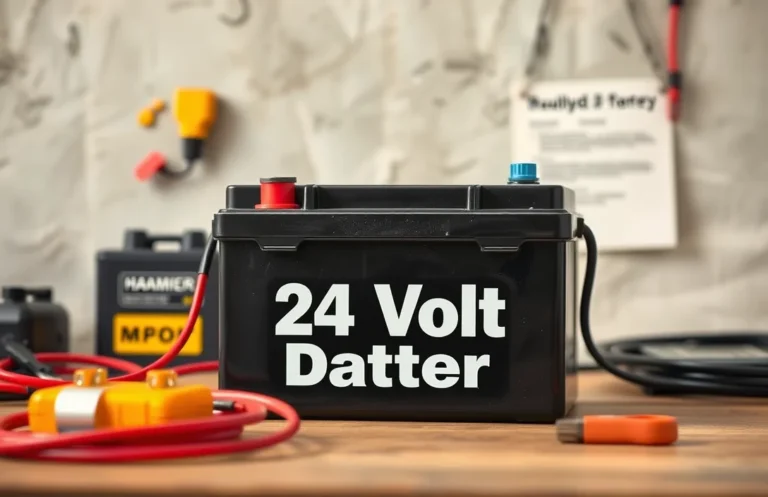
How to Properly Charge a 24 Volt Battery: Methods and Safety Tips
Charging a 24 volt battery might seem daunting at first, but understanding the process can lead to efficient power management for your devices. Whether for an electric vehicle, solar power system, or other applications, knowing how to do it correctly is essential.
To charge a 24 volt battery, you need a 24 volt charger or a series connection of two 12 volt chargers. Ensure the polarities are correct during connection, and monitor the charging time to avoid overcharging.
Choosing the Right Charger
Selecting a charger compatible with a 24-volt battery is crucial for efficient and safe charging. Using the appropriate charger ensures optimal performance and prolongs the battery’s lifespan. Chargers vary in specifications, so understanding the necessary features can help you make an informed decision.
Look for a charger specifically designed for 24-volt systems, as using a charger with a different voltage may damage the battery. Check the amperage rating; a charger with a higher amperage can charge the battery faster but may not be suitable for all battery types. For most applications, a charger with an output of 10 to 20 amps is effective. Additionally, consider whether you need a smart charger, which automatically adjusts the charge rate and can help prevent overcharging.
Always verify that the charger is compatible with the battery chemistry—be it lead-acid, lithium-ion, or another type. This compatibility ensures that the charging process is safe and efficient. Investing in a quality charger will not only enhance the charging experience but also safeguard your battery’s health over time.
Understanding Charging Methods
Charging a 24-volt battery can be accomplished using different methods based on the battery configuration. Understanding how to set up your batteries, either in series or parallel, is crucial for effective charging and overall performance.
When batteries are connected in series, the voltage of each battery adds up, allowing you to create a higher voltage system. For a 24-volt battery setup, you would typically connect two 12-volt batteries in series. This method ensures that the charger is compatible with the total voltage and can effectively charge the entire battery bank.
Alternatively, connecting batteries in parallel maintains the same voltage but increases the capacity. This is useful if you want to extend the runtime of your system. In a parallel configuration, make sure to connect all positive terminals together and all negative terminals together. When charging, ensure that the charger is suited for the total capacity of the batteries combined.
Each connection method has its benefits depending on your specific needs, such as the desired voltage and capacity. Ensure that you select the appropriate charger type that matches the configuration for optimal charging results.
Connecting the Battery Properly
Correctly connecting a 24 volt battery to the charger is crucial for effective charging and safety. Follow these steps to ensure a proper connection, preventing potential damage or hazards during the charging process.
- Turn Off the Charger: Before making any connections, ensure the charger is turned off to prevent sparks or electrical shocks.
- Identify Terminals: Locate the positive (+) and negative (-) terminals on both the battery and the charger. Typically, the positive terminal is red, while the negative is black.
- Connect Positive Terminal: Attach the positive charger lead (red) to the positive terminal of the battery. Make sure the connection is secure.
- Connect Negative Terminal: Next, connect the negative charger lead (black) to the negative terminal of the battery. Again, ensure this connection is secure.
- Check Connections: Double-check all connections to verify they are correct and tight, ensuring there are no loose wires.
- Power On the Charger: Finally, turn on the charger to begin the charging process. Monitor the setup for any unusual signs like smoke or excessive heat.
Monitoring Charging Process
Monitoring the charging process is crucial for ensuring the longevity and performance of your battery. Keeping track of voltage levels and overall charging status helps prevent damage from overcharging or undercharging. Follow these steps to effectively monitor your 24-volt battery during charging.
- Check Voltage Levels: Use a multimeter to measure the voltage across the terminals of the battery. Ensure the voltage is within the acceptable range for charging, typically between 24 and 28 volts.
- Observe the Charger Indicators: Most modern chargers have built-in indicators that show charging status. Pay attention to these lights or displays to understand when the battery is fully charged.
- Monitor Temperature: As the battery charges, it can heat up. Use an infrared thermometer to check the surface temperature. If it exceeds the manufacturer’s recommended limits, stop charging immediately.
- Listen for Unusual Sounds: While charging, listen for any hissing or bubbling sounds, which may indicate that the battery is overcharging or experiencing a malfunction.
By following these steps, you can ensure that the charging process is safe and effective, prolonging the life of your 24-volt battery.
Safety Precautions During Charging
Ensuring safety while charging a 24 volt battery is crucial to prevent accidents and damage to the battery and equipment. Following a few essential precautions can help mitigate risks significantly.
Always charge the battery in a well-ventilated area. This reduces the buildup of potentially explosive gases that can be emitted during the charging process. Ensure that the charger is compatible with the battery type, as using an incorrect charger can lead to overheating or battery damage. Keep flammable materials away from the charging area to minimize fire hazards.
Wear appropriate personal protective equipment, such as safety glasses and gloves, to protect against acid spills or accidental short circuits. Regularly inspect the charger and battery for any signs of damage, such as frayed wires or corrosion, before beginning the charging process. Additionally, never leave the battery unattended while charging and disconnect the charger immediately if you notice any unusual sounds, smells, or heat.
By adhering to these safety measures, you can ensure a safer charging experience for your 24 volt battery and help prolong its lifespan.
Troubleshooting Charging Issues
Charging problems can arise for various reasons, but identifying and resolving these issues quickly can save time and ensure your battery remains functional. If you experience difficulties while charging a 24-volt battery, follow these practical steps to troubleshoot common issues.
First, check the connections. Ensure that the terminals are clean and securely attached to the battery and charger. Corrosion or loose connections can prevent proper charging. If you notice corrosion, clean the terminals using a mixture of baking soda and water, then dry them thoroughly before retrying the connection.
Next, confirm that the charger is compatible with a 24-volt battery. Using an incorrect charger can lead to insufficient charging or damage. Look for specifications on the charger to ensure it matches the battery’s voltage requirements.
If the battery is still not charging, measure its voltage with a multimeter. A battery reading significantly below its rated voltage indicates that it may be deeply discharged or damaged. In such cases, consider using a specialized charger designed for recovery, or consult a professional for further diagnosis.
Lastly, if the charger shows signs of failure, such as unusual heat or failure to display indicators, it might need replacement. Regular maintenance checks on both the charger and battery can help prevent these issues.
Maintaining Battery Health
Proper maintenance after charging is crucial for prolonging the lifespan of a 24-volt battery. Regularly checking the battery’s condition and following a few simple practices can significantly enhance its performance and reliability. Focus on the following tips to ensure optimal battery health post-charging:
- Check electrolyte levels: For lead-acid batteries, maintain proper electrolyte levels by adding distilled water as needed.
- Keep terminals clean: Regularly inspect and clean the battery terminals to prevent corrosion, which can hinder performance.
- Store properly: If not in use, store the battery in a cool, dry place and periodically recharge it to prevent deep discharge.
- Avoid extreme temperatures: Protect the battery from extreme heat and cold, as temperature fluctuations can damage internal components.
- Use a battery maintainer: Consider using a trickle charger or battery maintainer to keep the battery charged without overcharging it.
By adhering to these maintenance practices, you can significantly enhance the longevity and overall performance of your battery, ensuring that it remains reliable for your needs.
Quick Summary
- Use a charger specifically designed for 24-volt batteries to ensure safety and efficiency.
- Check the battery type (lead-acid, lithium-ion, etc.) to select the appropriate charging method.
- Connect the charger to the battery terminals, ensuring correct polarity (positive to positive and negative to negative).
- Monitor the charging process; avoid overcharging to prevent damage to the battery.
- Charge in a well-ventilated area to dissipate any gases produced during the process.
- Always follow manufacturer instructions for optimal charging practices and safety precautions.
- Regularly check the battery’s voltage and condition to ensure longevity and performance.
Frequently Asked Questions
How do I charge a 24 volt battery?
To charge a 24 volt battery, you need a compatible 24 volt battery charger. Connect the charger to the battery terminals, ensuring the positive and negative connections are correct, and then plug in the charger to an outlet.
Can I use a regular 12 volt charger for a 24 volt battery?
No, using a 12 volt charger on a 24 volt battery can damage the battery and the charger. Always use a charger specifically designed for 24 volt batteries to ensure safe and effective charging.
How long does it take to charge a 24 volt battery?
The charging time for a 24 volt battery depends on its capacity and the output of the charger. Typically, it can take anywhere from 4 to 12 hours to fully charge, but always refer to the manufacturer’s guidelines for specific times.
What should I do if my 24 volt battery isn’t charging?
If your battery isn’t charging, first check the connections and ensure the charger is functioning correctly. If everything appears fine, the battery may be faulty or deeply discharged, requiring a specialized charger to revive it.
Can I charge a 24 volt battery while it’s connected to a device?
It’s generally not recommended to charge a 24 volt battery while it’s connected to a device. This can lead to voltage fluctuations that may damage both the device and the battery, so it’s best to disconnect before charging.

- How to Jump-Start a Motorcycle with a Car Battery Safely - February 22, 2026
- Does Life360 Really Drain Your Battery? What You Should Know - February 22, 2026
- Do Hardwired Smoke Detectors Need Batteries for Backup Support? - February 22, 2026