Golf Cart Battery Lifespan: Key Factors Affecting Duration and Care
If you own a golf cart or are considering purchasing one, understanding battery longevity is essential. Knowing how long batteries last can impact your maintenance decisions and overall golf cart experience, ensuring you get the most out of your investment and enjoy your time on the course.
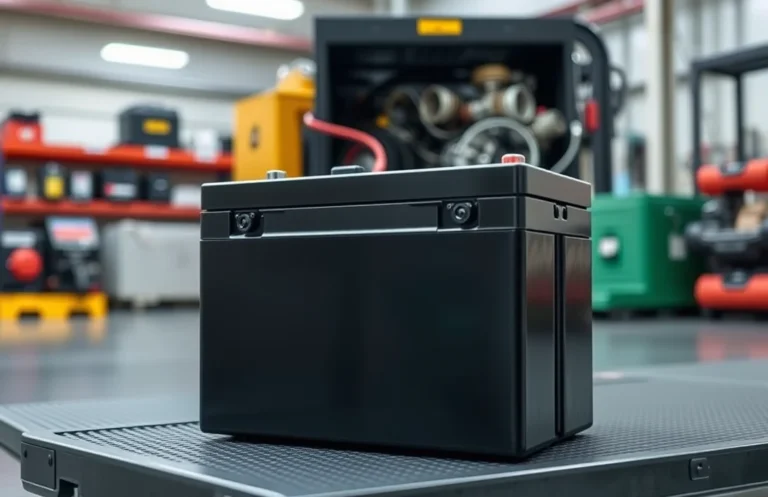
The lifespan of golf cart batteries can vary significantly based on several factors, including battery type, usage patterns, and maintenance practices. Generally, golf cart batteries last between 4 to 6 years with proper care, while some premium options may extend beyond that range.
Typical Battery Lifespan
The average lifespan of golf cart batteries varies significantly based on several factors, including battery type, usage, and maintenance practices. Typically, you can expect golf cart batteries to last anywhere from 4 to 8 years. However, some high-quality options may provide even longer service if properly cared for.
Lead-acid batteries, the most common type used in golf carts, generally have a lifespan of 4 to 6 years. On the other hand, lithium-ion batteries can last up to 8 years or more, offering a longer service life and greater efficiency. Regular maintenance, including proper charging and watering practices, can extend the lifespan of lead-acid batteries significantly.
How long batteries last in a golf cart ultimately relies on how frequently the cart is used and the conditions under which it operates. Frequent short trips may lead to more rapid wear, while consistent, longer runs are often easier on the batteries. Understanding these factors will help you make informed decisions about your golf cart battery care and replacement.
Types of Golf Cart Batteries
Understanding the different types of batteries used in golf carts is crucial for assessing their lifespan. Each type has distinct characteristics that influence how long they will last and how well they perform in various conditions. Common battery types include lead-acid, lithium-ion, and gel batteries, each with its own benefits and drawbacks.
Lead-acid batteries are the most traditional option found in many golf carts. They are generally less expensive but require regular maintenance and have a shorter lifespan compared to other types. These batteries typically last around 3 to 5 years, depending on usage and care.
Lithium-ion batteries, on the other hand, are becoming increasingly popular due to their lightweight design and longer lifespan, often exceeding 10 years. They also charge faster and require less maintenance, making them a more convenient choice for frequent use.
Gel batteries are another alternative, similar to lead-acid but with a gel-like electrolyte. They are more resistant to deep discharges and can last slightly longer than traditional lead-acid batteries. However, they tend to be more expensive, which may be a consideration for some users.
Choosing the right battery type not only impacts the initial cost but also affects the overall lifespan and performance of the golf cart. Understanding these differences can help in making an informed decision that aligns with your usage patterns and maintenance capabilities.
Charging Practices Impact
Charging practices significantly influence the longevity of golf cart batteries. Proper charging not only extends the lifespan but also ensures optimal performance. Here are essential practices to enhance battery durability:
- Avoid Deep Discharge: Regularly depleting batteries below 50% can reduce their lifespan. Aim to recharge before reaching this level.
- Use the Right Charger: Ensure you’re using a charger specifically designed for your battery type. Mismatched chargers can cause overcharging or undercharging.
- Charge After Use: Always recharge batteries after each use. This habit helps maintain battery health and ensures they are ready for the next outing.
- Monitor Charging Time: Follow the recommended charging times. Overcharging can lead to excessive heat and damage, while undercharging may not fully restore battery capacity.
- Keep Connections Clean: Regularly check and clean battery terminals and connections. Corroded or loose connections can affect charging efficiency.
Implementing these charging practices will help maximize battery lifespan, contributing to better performance and reducing the frequency of replacements.
Maintenance Importance
Regular maintenance is essential for maximizing the lifespan of your golf cart batteries. Implementing a routine care schedule not only enhances performance but also extends the overall duration of battery life. Simple yet effective practices can make a significant difference in how long these batteries will serve you.
Start with regular cleaning of the battery terminals. Corrosion can build up, which impedes electrical flow. Use a mixture of baking soda and water to scrub the terminals, ensuring they are free of any buildup. After cleaning, apply a thin layer of petroleum jelly to protect against future corrosion.
Check the water levels in your batteries, especially if they are lead-acid types. Low water levels can cause the plates to become exposed, leading to damage. Refill with distilled water only, as tap water introduces minerals that can harm the battery. Ensure that the water covers the plates but does not overflow.
Additionally, inspect battery connections for tightness. Loose connections can result in poor performance and reduce the lifespan of your batteries. Tighten any loose connections and look for signs of wear or damage.
Lastly, regularly monitor the state of charge. Keeping track of how long the batteries last during use can help identify potential issues early on. By adhering to these maintenance practices, you can significantly influence how long your batteries last, ensuring reliable performance for your golf cart.
Environmental Influences
Weather conditions significantly affect the lifespan of golf cart batteries. Extreme temperatures can lead to reduced performance and shorter battery life. Understanding how these environmental factors impact your batteries can help you take appropriate measures to maximize their longevity.
- Temperature Extremes: High heat can accelerate the chemical processes within batteries, leading to faster degradation. Conversely, cold temperatures can reduce the battery’s ability to hold a charge. Ideally, keep the batteries in a shaded or climate-controlled environment.
- Humidity Levels: High humidity can lead to corrosion of battery terminals and connections. Ensure that your batteries are stored in a dry area and check for any signs of moisture accumulation.
- Dust and Debris: Accumulated dirt can obstruct ventilation and cause overheating. Regularly clean the battery terminals and surrounding area to maintain optimal airflow.
- Altitude: Higher altitudes can affect battery performance due to lower air pressure. If your golf cart is frequently used in elevated areas, consider adjustments to the charging routine to accommodate this change.
By monitoring these environmental influences, you can extend the lifespan of your golf cart batteries and ensure they operate efficiently for longer periods.
Usage Frequency Effects
The frequency with which you use your golf cart plays a significant role in determining how long the batteries last. Consistent usage can enhance battery performance, while infrequent use can lead to complications that shorten lifespan. Here are key considerations regarding usage patterns:
- Regular Usage: Frequent use encourages proper cycling of the batteries, which can help maintain their capacity and efficiency. Aim for regular charging and discharging to keep the batteries active.
- Extended Downtime: Leaving batteries unused for long periods can lead to sulfation, where lead sulfate crystals form on the battery plates, diminishing performance. If you don’t use your cart regularly, consider charging the batteries every few weeks.
- Depth of Discharge: Avoid deep discharges, as draining batteries too much can lead to quicker degradation. Try to recharge batteries when they reach about 50% capacity to prolong their life.
- Consistent Charging: Implement a routine charging schedule after each use. Keeping batteries topped off helps maintain their health and ensures they are ready for the next outing.
- Load Considerations: The weight and load carried during use will affect battery life. Lighter loads can lead to less strain on the batteries, extending their duration during operation.
By understanding the effects of usage frequency, you can optimize your golf cart’s battery lifespan effectively.
Signs of Battery Aging
Recognizing when your golf cart batteries are aging is crucial for maintaining performance and ensuring safety. There are several signs that indicate it may be time for replacement, which can help you avoid unexpected breakdowns during your rounds of golf.
One of the most noticeable signs is a decrease in runtime. If your cart requires more frequent charges or runs out of power more quickly than before, this is a strong indication of battery deterioration. Additionally, look for physical signs such as corrosion around the terminals or swelling of the battery case, which can indicate internal damage.
Another critical aspect to monitor is the voltage levels. Regularly testing the voltage can help determine if the battery is holding a charge adequately. If you notice that the voltage drops significantly, it may be time to consider new batteries. Lastly, if you hear unusual noises, such as hissing or bubbling, during charging, it suggests possible overcharging or internal failure.
By being aware of these signs, you can take proactive steps to replace aging batteries and ensure your golf cart continues to perform optimally.
Quick Summary
- The lifespan of golf cart batteries typically ranges from 4 to 6 years.
- Battery type (lead-acid vs. lithium-ion) significantly affects longevity.
- Regular maintenance, including cleaning and water level checks, can extend battery life.
- Usage patterns, such as frequency and duration of rides, impact battery performance.
- Environmental factors, like temperature and humidity, can influence battery lifespan.
- Charging practices, including avoiding deep discharges, are crucial for maximizing battery life.
- Replacement costs can vary widely depending on the battery type and brand.
Frequently Asked Questions
How long do golf cart batteries typically last?
Golf cart batteries usually last between 4 to 6 years, depending on usage and maintenance. Proper care, including regular charging and water levels, can extend their lifespan.
What factors affect the lifespan of golf cart batteries?
Several factors can impact battery life, including the type of battery, how often the cart is used, and the charging habits. Extreme temperatures and overcharging can also shorten battery longevity.
How can I extend the life of my golf cart batteries?
To prolong battery life, ensure you charge them regularly and avoid deep discharges. Maintaining proper water levels and keeping the terminals clean will also help enhance their performance.
Are there different types of batteries for golf carts?
Yes, there are primarily two types of batteries used in golf carts: lead-acid and lithium-ion. Lead-acid batteries are more common and less expensive, while lithium-ion batteries are lighter and have a longer lifespan.
When should I replace my golf cart batteries?
You should consider replacing your golf cart batteries when you notice a significant decrease in performance, such as reduced range or longer charging times. If the batteries are over 5 years old, it’s advisable to evaluate their condition regularly.

- How to Jump-Start a Motorcycle with a Car Battery Safely - February 22, 2026
- Does Life360 Really Drain Your Battery? What You Should Know - February 22, 2026
- Do Hardwired Smoke Detectors Need Batteries for Backup Support? - February 22, 2026