Understanding Battery Lifespan in Electric Golf Carts: Key Insights
Have you ever wondered how long the batteries in electric golf carts last? Understanding battery lifespan is crucial for efficient use and maintenance of these vehicles. Whether you’re a frequent golfer or considering an electric cart for your course, knowing the facts can enhance your experience.
The lifespan of electric golf cart batteries typically ranges from 4 to 6 years depending on factors like usage, maintenance, and battery type. Regular care and proper charging practices can significantly extend their longevity.
Average Lifespan of Golf Cart Batteries
The lifespan of golf cart batteries is crucial for planning maintenance and usage effectively. Typically, these batteries can last anywhere from 4 to 6 years, depending on various factors such as type, usage, and maintenance practices. Understanding these general timelines helps owners make informed decisions regarding battery replacement and overall cart performance.
Lead-acid batteries, commonly found in electric golf carts, usually have a lifespan of around 4 to 6 years. However, advanced technologies like lithium-ion batteries can extend this duration significantly, often lasting up to 10 years or more. The difference in lifespan highlights the importance of battery selection when purchasing or upgrading a golf cart.
Moreover, battery performance tends to degrade over time, meaning that even within the typical lifespan, the efficiency and capacity may decrease. Regular maintenance, such as ensuring proper charging and water levels, can help maximize the lifespan. By being proactive, owners can ensure their golf carts remain in optimal condition for as long as possible.
Factors Affecting Battery Longevity
Several elements play a crucial role in determining how long batteries last in electric golf carts. Understanding these factors can help users take better care of their batteries and maximize their lifespan. By focusing on key aspects such as charging practices, temperature, and maintenance, owners can significantly enhance battery performance.
One of the primary factors is charging habits. Overcharging or frequent deep discharges can lead to reduced battery life. It’s advisable to charge batteries after every use and avoid letting them discharge below a certain level. Additionally, maintaining an optimal temperature is vital. Batteries should ideally be kept in a cool environment; extreme heat or cold can adversely affect their functionality and longevity.
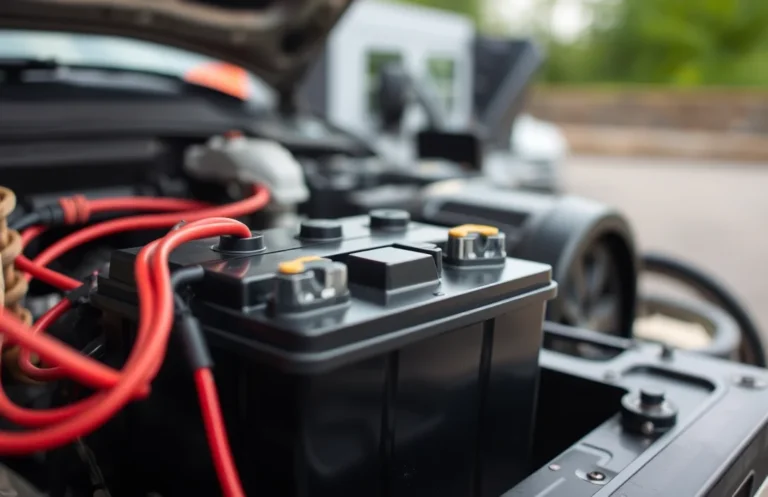
Regular maintenance also contributes to better battery health. Cleaning terminals and ensuring connections are secure can prevent corrosion and improve efficiency. Lastly, the frequency of use can influence battery lifespan. Batteries that are used consistently tend to last longer than those that remain idle for extended periods. By paying attention to these factors, golf cart owners can ensure their batteries remain reliable and effective for as long as possible.
Types of Batteries Used
Understanding the types of batteries utilized in electric golf carts is essential for gauging their lifespan. Different battery technologies offer varying performance and durability, impacting how long they can power your cart effectively.
There are primarily three types of batteries used in electric golf carts: lead-acid, lithium-ion, and AGM (Absorbent Glass Mat). Each has its unique characteristics:
- Lead-Acid Batteries: The most common type, they typically last about 4 to 6 years with proper maintenance. They are cost-effective but require regular checks on water levels and charging practices.
- Lithium-Ion Batteries: Known for their lightweight and efficient discharge rates, these batteries can last up to 10 years or more. They are more expensive upfront but require less maintenance and provide better performance over time.
- AGM Batteries: These are sealed lead-acid batteries that offer better discharge rates and are maintenance-free. Their lifespan is generally around 4 to 8 years, providing a balance between cost and performance.
Choosing the right battery type is crucial for optimizing your electric golf cart’s performance and lifespan, directly influencing how long it can serve your needs on the course.
Maintenance for Extended Life
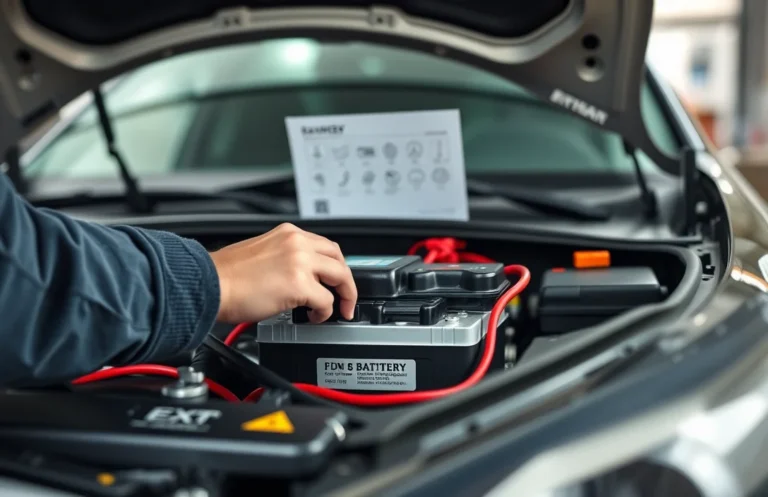
Proper maintenance is essential for prolonging the lifespan of batteries in electric golf carts. Regular attention to specific aspects of your battery care can significantly impact its performance and longevity. Implementing these maintenance practices will help ensure that your batteries serve you well over time.
- Regular Charging: Always charge your batteries after use, even if they are not fully depleted. This practice helps maintain optimal battery health.
- Water Levels: Check the water levels in lead-acid batteries regularly. Fill them with distilled water as needed to keep the plates submerged.
- Clean Connections: Keep battery terminals and connections clean and free from corrosion. Use a mixture of baking soda and water to clean any buildup.
- Equalization Charges: Perform equalization charges periodically to balance the voltage between cells and prevent sulfation.
- Temperature Control: Avoid exposing batteries to extreme temperatures. Store and charge them in a climate-controlled environment whenever possible.
By following these maintenance tips, you can extend the life of your electric golf cart batteries, ensuring they perform efficiently for as long as possible.
Signs of Battery Aging
Recognizing the signs of battery aging is essential for maintaining the performance of electric golf carts. As batteries deteriorate, their ability to hold charge and provide power diminishes, which can lead to unexpected downtime. Here are key indicators that your battery may be nearing the end of its life:
- Decreased Range: If you notice that your golf cart isn’t traveling as far on a single charge, it may signal battery deterioration.
- Longer Charging Times: An increase in the time it takes to fully charge the battery can indicate that it is losing efficiency.
- Swelling or Leaking: Physical changes such as swelling, bulging, or any leaks from the battery casing are clear signs of aging and potential failure.
- Frequent Voltage Drops: If the voltage reading drops significantly during use, it’s likely that the battery is no longer able to sustain a charge effectively.
- Unusual Noises: Strange sounds, such as hissing or popping, may indicate internal damage or malfunction within the battery.
Monitoring these signs can help you determine the health of your battery and preemptively address issues before they affect your golf cart’s performance.
Battery Replacement Timing
Recognizing the right time to replace the batteries in your electric golf cart is essential for maintaining performance and ensuring reliability. While individual circumstances vary, certain indicators can help determine when a replacement is necessary. Consider the following points to guide your decision:
- Age of the Batteries: If your batteries are approaching or have exceeded their expected lifespan of 5 to 7 years, it’s wise to start planning for a replacement. Regular performance checks can help assess their viability.
- Performance Decline: Noticeable drops in speed, range, or overall power during use are clear signs that the batteries may be nearing the end of their life. If the cart struggles to maintain speed or takes longer to recharge, consider replacement.
- Frequent Charging: If the cart requires charging more often than before, this could indicate reduced capacity. An increase in the frequency of charging sessions suggests that the batteries may not hold a charge effectively, prompting a change.
- Physical Inspection: Regularly inspect the batteries for any signs of swelling, leaks, or corrosion. These physical indicators can signal serious issues that warrant immediate replacement.
- Professional Assessment: Consulting a technician for a comprehensive battery health check can provide valuable insights. They can accurately assess performance and recommend whether replacement is needed.
Impact of Usage Patterns
The way you use your electric golf cart significantly influences how long the batteries last. Different habits can either extend battery life or lead to premature wear. Understanding these patterns can help you make informed decisions to maximize the lifespan of your golf cart’s power source.
- Frequency of Use: Regular use of your golf cart can help maintain battery health. Infrequent use may lead to discharge and degradation.
- Charging Habits: Always charge the batteries after each use. Avoid letting them discharge completely, as deep discharges can shorten their lifespan.
- Terrain: Driving on hilly or uneven terrain requires more power, which can strain the batteries. Opt for flatter courses when possible to reduce strain.
- Speed Selection: Driving at higher speeds consumes more energy. Maintain a moderate pace to enhance battery efficiency and longevity.
- Weight Load: Carrying excess weight can lead to increased battery usage. Be mindful of the number of passengers and equipment carried during outings.
By adjusting your usage patterns based on these factors, you can significantly influence how long your batteries last in electric golf carts. Implementing these simple practices will not only extend battery life but also enhance your overall golf cart experience.
Quick Summary
- The lifespan of batteries in electric golf carts typically ranges from 4 to 6 years.
- Battery longevity is influenced by usage patterns, charging habits, and maintenance practices.
- Regularly checking water levels and keeping terminals clean can extend battery life.
- Temperature extremes can negatively affect battery performance and lifespan.
- Choosing high-quality batteries can lead to better performance and longer life.
- Frequent short trips can shorten battery life; longer, consistent use is preferable.
- Monitoring battery health and replacing old batteries promptly is crucial for optimal performance.
Frequently Asked Questions
How long do batteries last in electric golf carts?
The lifespan of batteries in electric golf carts typically ranges from 4 to 6 years, depending on usage and maintenance. Proper care, such as regular charging and cleaning, can help extend their life.
What factors affect battery life in electric golf carts?
Several factors can impact battery life, including the type of battery used, frequency of use, charging habits, and environmental conditions. Extreme temperatures and long periods of inactivity can also shorten battery lifespan.
How can I prolong the life of my golf cart batteries?
To prolong battery life, ensure you charge them regularly and avoid deep discharging. Additionally, maintaining the correct water levels in lead-acid batteries and storing the cart in a temperature-controlled environment can help.
What signs indicate that my golf cart batteries need to be replaced?
Common signs that batteries may need replacing include reduced range, slower acceleration, and the need for more frequent charging. If the batteries show physical damage or leakage, they should also be replaced immediately.
Are there different types of batteries for golf carts?
Yes, electric golf carts typically use lead-acid, lithium-ion, or AGM batteries. Each type has its own advantages and disadvantages regarding cost, weight, charging time, and lifespan.

- How to Jump-Start a Motorcycle with a Car Battery Safely - February 22, 2026
- Does Life360 Really Drain Your Battery? What You Should Know - February 22, 2026
- Do Hardwired Smoke Detectors Need Batteries for Backup Support? - February 22, 2026