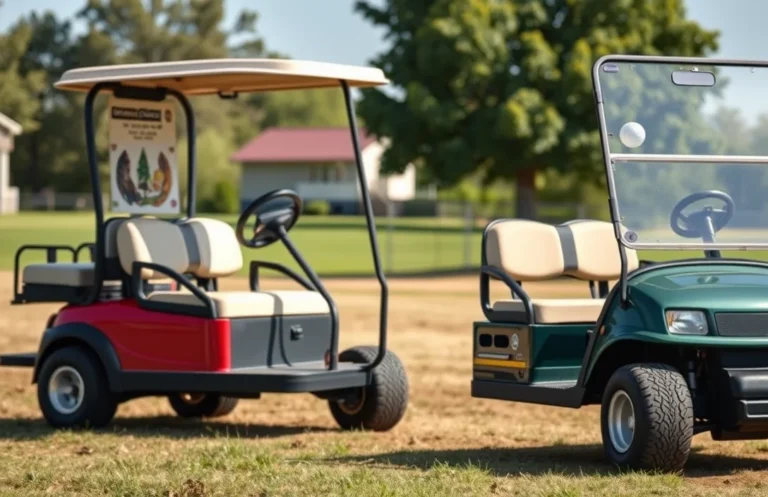
Electric Golf Cart Batteries: Lifespan and Replacement Insights
If you’re considering an electric golf cart, you might wonder how long the batteries last. Understanding battery life is crucial for maintaining optimal performance and ensuring you get the most from your investment. Let’s break down what affects battery longevity and what you can expect.
On average, electric golf cart batteries last between 5 to 7 years with proper care. Factors influencing lifespan include battery type, usage frequency, and maintenance practices. Regular checks and appropriate charging can significantly extend battery life.
Typical Battery Lifespan
The average lifespan of electric golf cart batteries typically ranges from 4 to 6 years. This duration can vary based on several factors, including the type of battery, usage patterns, and maintenance practices. Understanding this timeframe helps owners plan for replacements and ensures optimal performance of the golf cart.
Lead-acid batteries, a common choice, generally last about 4 to 5 years. In contrast, lithium-ion batteries can extend the lifespan to 6 years or more, offering a longer-term solution for users. However, the actual lifespan may fluctuate based on how frequently the cart is used and how well the batteries are maintained.
Regular charging practices, avoiding deep discharges, and keeping the batteries clean and well-ventilated contribute significantly to their longevity. Being aware of the average lifespan enables golf cart owners to make informed decisions regarding battery care and eventual replacements, ensuring that their carts remain reliable for years to come.
Factors Affecting Longevity
The lifespan of electric golf cart batteries varies widely based on several critical factors. Understanding these elements can help you maximize the life of your battery, ensuring reliable performance and reducing the need for premature replacements. Here are key factors that influence battery longevity.
Charging Practices: Consistent and proper charging habits significantly impact battery life. Overcharging or allowing the battery to completely discharge can lead to diminished capacity over time. Aim to charge the batteries after each use and avoid leaving them plugged in for extended periods.
Temperature Conditions: Extreme temperatures can adversely affect battery performance. Heat can accelerate chemical reactions inside the battery, leading to quicker degradation, while cold can reduce its capacity. Storing the golf cart in a temperature-controlled environment helps maintain optimal battery health.
Maintenance: Regular maintenance, including cleaning terminals and ensuring proper water levels in flooded batteries, can extend battery life. Neglecting maintenance can lead to corrosion and other issues that compromise performance.
Usage Patterns: How often and how heavily the golf cart is used also plays a role. Frequent, heavy use can strain the battery, while light usage may allow it to last longer. Try to balance use within the recommended guidelines.
Signs of Battery Wear
Recognizing when your electric golf cart batteries are wearing out is crucial for maintaining optimal performance. Several indicators can signal that it’s time for a replacement. Being aware of these signs can help you avoid unexpected breakdowns and ensure a smooth golfing experience.
One of the most telling signs of battery wear is reduced runtime. If you notice that your cart is not holding a charge as long as it used to, this could indicate that the batteries are nearing the end of their lifespan. Similarly, if the cart struggles to reach its normal speed, it might be a sign of diminished power output from the batteries.
Physical signs such as swelling, leakage, or corrosion on the terminals can also point to battery issues. If you see any of these symptoms, it’s advisable to have the batteries inspected or replaced. Additionally, a noticeable increase in charging time can indicate wear, as older batteries require more time to reach full capacity.
Lastly, if your cart frequently experiences power drops during operation, this can be a clear sign that the batteries are failing. Monitoring these indicators will help you determine when it’s time to consider a replacement to ensure continued performance of your electric golf cart.
Maintenance for Longevity
Proper maintenance is essential for extending the lifespan of electric golf cart batteries. Implementing consistent care routines can significantly impact overall performance and longevity. Here are key maintenance practices to consider:
- Regular Charging: Avoid letting the battery discharge completely. Charge it after each use to maintain optimal performance.
- Water Levels: For flooded lead-acid batteries, regularly check and maintain water levels. Ensure the plates are submerged but avoid overfilling.
- Clean Terminals: Keep battery terminals clean and free of corrosion. Use a mixture of baking soda and water to scrub away any build-up.
- Temperature Management: Store and operate the cart in a temperature-controlled environment. Extreme heat or cold can negatively affect battery life.
- Periodic Equalization: Perform equalization charging occasionally to balance the voltage across all cells, which can enhance battery life.
By adhering to these maintenance tips, you can help ensure that your electric golf cart batteries last longer and perform better, ultimately reducing the need for premature replacements.
Types of Golf Cart Batteries
Understanding the different types of golf cart batteries is essential for determining their lifespan and suitability for your needs. Here’s a practical comparison of the most common battery types used in electric golf carts: lead-acid, lithium-ion, and AGM (Absorbent Glass Mat).
| Battery Type | Average Lifespan | Advantages | Disadvantages |
|---|---|---|---|
| Lead-Acid | 3-5 years | Cost-effective, widely available | Heavier, longer charging time |
| Lithium-Ion | 7-10 years | Lighter, faster charging, longer lifespan | Higher initial cost |
| AGM | 4-7 years | Maintenance-free, resistant to vibration | More expensive than lead-acid |
Lead-acid batteries, while cost-effective, generally have a shorter lifespan compared to lithium-ion options, which also offer faster charging. AGM batteries strike a balance with decent longevity and maintenance-free use, though they come at a higher price point. Choosing the right type affects not only how long the batteries last but also how they perform under various conditions.
Replacement Timing Guidelines
Understanding when to replace your electric golf cart batteries is crucial for maintaining performance and ensuring reliability. Regular monitoring and awareness of specific indicators can help you determine the right time for a replacement. This proactive approach can save you from unexpected breakdowns on the course.
Consider replacing the batteries if they exhibit significant signs of wear, such as reduced capacity, longer recharge times, or diminished range. If your cart struggles to reach distances it once could, this may indicate that the batteries are nearing the end of their lifespan. Generally, if the batteries are over four to six years old, and you notice consistent performance issues, it’s advisable to start planning for a replacement.
Additionally, if you frequently find yourself needing to recharge more often than before, this is another clear sign that the batteries are losing their ability to hold a charge effectively. Regularly checking the voltage levels can also provide insights; if they fall below recommended values during use, it’s time to consider new batteries. Taking these steps will help ensure your golf cart remains reliable and efficient on the course.
Cost of Replacement Batteries
Replacing electric golf cart batteries involves various costs that can significantly impact your budget. Understanding these expenses is crucial in planning for maintenance and ensuring your cart operates efficiently. The price of replacement batteries varies based on type, brand, and capacity.
Typically, lead-acid batteries range from $800 to $1,500 for a set of four to six, depending on the voltage and brand. Lithium-ion batteries, known for their longer lifespan, can be more expensive, averaging between $1,500 and $3,000 for a complete replacement. Factors such as warranty, performance, and specific golf cart model can influence the final cost.
Additionally, consider installation fees if you opt for professional service. While some may choose to replace batteries themselves to save money, ensure you have the necessary skills and tools. Regular maintenance can extend battery life, potentially delaying the need for replacement, which is an essential factor in managing overall costs effectively.
Quick Summary
- The lifespan of electric golf cart batteries typically ranges from 4 to 6 years.
- Battery longevity is influenced by factors such as usage, maintenance, and environmental conditions.
- Regular charging and proper storage can significantly extend battery life.
- Lead-acid batteries generally last shorter than lithium-ion batteries, which can exceed 10 years.
- Monitoring battery health and replacing individual cells can improve overall performance.
- Extreme temperatures can negatively impact battery efficiency and lifespan.
- Investing in quality batteries and chargers can lead to better long-term savings and performance.
Frequently Asked Questions
How long do electric golf cart batteries typically last?
Electric golf cart batteries generally last between 4 to 6 years, depending on usage and maintenance. Regular charging and proper care can extend their lifespan significantly.
What factors affect the lifespan of golf cart batteries?
Several factors influence battery lifespan, including frequency of use, charging habits, maintenance practices, and the type of battery. Extreme temperatures and deep discharges can also shorten their life.
How can I extend the life of my golf cart batteries?
To extend battery life, ensure regular charging after each use, avoid over-discharging, and keep the batteries clean and well-maintained. Additionally, storing your cart in a temperature-controlled environment can help.
What type of batteries are commonly used in electric golf carts?
Most electric golf carts use lead-acid batteries, either flooded or sealed (AGM or gel). Lithium-ion batteries are also becoming more popular due to their longer lifespan and lighter weight, but they tend to be more expensive.
When should I replace my golf cart batteries?
You should consider replacing your golf cart batteries when you notice a significant drop in performance, such as reduced range or slow charging times. Regularly checking the voltage and overall condition can help you determine when it’s time for a replacement.

- How to Jump-Start a Motorcycle with a Car Battery Safely - February 22, 2026
- Does Life360 Really Drain Your Battery? What You Should Know - February 22, 2026
- Do Hardwired Smoke Detectors Need Batteries for Backup Support? - February 22, 2026