How Long Does It Take to Charge a 18650 Lithium-Ion Battery?
Understanding how long to charge an 18650 battery can significantly impact your devices and their longevity. Whether you’re using them in flashlights, vape mods, or power banks, knowing the optimal charging time is essential for maintaining performance and safety.
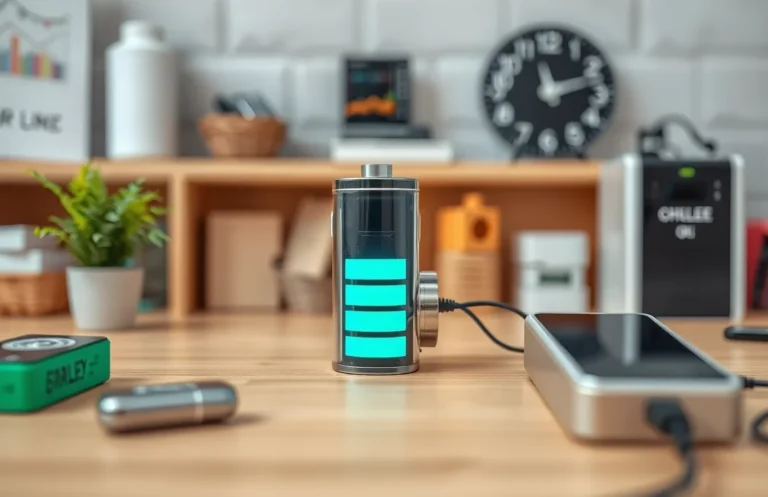
The charging time for an 18650 battery typically ranges from 2 to 4 hours depending on the charger and battery capacity. Always ensure you use a compatible charger to optimize performance and prevent overcharging.
Typical Charging Time
The time required to fully charge a 18650 lithium-ion battery typically ranges from 2 to 4 hours. This duration can vary based on several factors including the specific battery model, its current charge level, and the charger used. Understanding this average charging time is crucial for users who rely on these batteries for devices like flashlights, vape mods, and electric vehicles.
<pMost 18650 batteries are rated for a charging current of around 0.5C to 1C, meaning that a 2000mAh battery would ideally be charged at 1000mA (1A) to achieve a full charge within 2 hours. Charging at lower currents will extend the time, while using a more powerful charger can reduce it, provided the battery supports such charging rates. Always refer to the manufacturer's specifications for the best results and to prevent damage.
Charging Current Impacts
The charging current directly influences how long it takes to charge a 18650 battery. Understanding this relationship can help you optimize charging times and ensure the longevity of the battery. Here are key factors that illustrate how charging current affects charging duration:
- Higher Current = Faster Charging: A higher charging current will reduce the overall charging time. For instance, charging at 2A will typically charge a battery faster than at 1A.
- Battery Capacity Matters: Consider the battery’s capacity (measured in milliamp hours, or mAh). A larger capacity battery may take longer to charge even at a higher current due to its size.
- Charging Phases: Lithium-ion batteries, including 18650s, typically charge in two phases: constant current followed by constant voltage. The initial phase allows for faster charging, but once it shifts to constant voltage, the charging rate slows down.
- Manufacturer Recommendations: Always refer to manufacturer specifications for optimal charging current. Exceeding recommended levels can reduce battery life or lead to safety issues.
Consider these factors when determining how long to charge your battery. The right current can greatly enhance efficiency while maintaining battery health.
Charger Type Considerations
Different charger types significantly influence how long it takes to charge a 18650 battery. The charging speed is directly affected by the charger’s output current, voltage compatibility, and technology. Understanding these factors can help you select the right charger for your battery, ensuring efficient and safe charging.
There are primarily three types of chargers available for 18650 batteries:
- Standard Chargers: These chargers typically output at a rate of 0.5A to 1A. Charging time can range from 4 to 8 hours, depending on the battery’s capacity.
- Smart Chargers: Equipped with features like intelligent current adjustment and temperature monitoring, smart chargers can charge the battery more efficiently. They usually charge at a rate of 1A to 2A, reducing charging time to about 2 to 4 hours.
- Fast Chargers: These chargers can deliver up to 4A, significantly reducing charging time to as little as 1 hour. However, they may generate more heat, which can affect battery lifespan if not managed properly.
Selecting the right charger is crucial for optimizing performance and longevity. Always refer to the manufacturer’s specifications for the best results.
Battery Capacity Variations
Different capacities of 18650 batteries significantly influence charging times. As you consider how long to charge a 18650 battery, understanding the relationship between capacity and charging duration is vital. Battery capacity is typically measured in milliampere-hours (mAh), and it directly affects how long it takes to achieve a full charge.
- Identify the battery capacity: Check the specifications of your 18650 battery to determine its capacity, which usually ranges from 1500mAh to 3500mAh.
- Calculate the charging time: Use the formula: Charging Time (hours) = Battery Capacity (mAh) / Charging Current (mA). For example, if you have a 2500mAh battery and a charger that supplies 1000mA, the charging time would be 2.5 hours.
- Consider efficiency losses: Real-world charging times may be longer due to energy losses from heat and charger inefficiencies. An additional 10-20% time should be factored in.
- Adjust for charger output: If your charger has a lower output than expected, the charging time will increase. Always match your charger’s specifications with the battery’s requirements for optimal performance.
By understanding these variations in battery capacity, you can make more informed decisions about charging times and expectations.
Temperature Effects on Charging
Temperature significantly impacts the charging speed of 18650 lithium-ion batteries. Operating outside the recommended temperature range can lead to inefficiencies and potential safety hazards. To ensure optimal performance, consider the following guidelines:
- Optimal Temperature Range: Charge the battery at temperatures between 20°C and 25°C (68°F to 77°F) for the best results. This range promotes efficient chemical reactions within the battery.
- Cold Conditions: Charging in temperatures below 0°C (32°F) can slow down the charging process. If the battery is too cold, it may not accept a charge effectively, leading to prolonged charging times.
- Hot Conditions: Excessive heat (above 45°C or 113°F) can cause damage to the battery and increase the risk of thermal runaway. Avoid charging in direct sunlight or near heat sources to maintain battery integrity.
- Monitor Battery Temperature: Use a battery management system or a smart charger that includes temperature monitoring features. This ensures that charging remains within safe limits.
- Acclimatization: Allow the battery to reach room temperature before charging if it has been stored in a cold or hot environment. This practice helps prevent thermal stress during the charging process.
By adhering to these temperature guidelines, you can optimize charging efficiency and prolong the lifespan of your 18650 battery.
Safety Features and Charging
Safety features play a crucial role in determining how long it takes to charge a lithium-ion battery. These systems are designed to prevent overheating, overcharging, and short circuits, which can lead to battery damage or even safety hazards. Understanding these features can help you optimize charging times while ensuring the longevity and safety of the battery.
Most modern chargers incorporate mechanisms like thermal protection, current regulation, and cut-off systems. Thermal protection monitors the battery’s temperature during charging. If it exceeds safe levels, the charger will reduce the charging current or halt the process altogether. Current regulation controls the rate at which the battery is charged, often adjusting automatically to prevent excessive current flow.
Additionally, many batteries include built-in protection circuits that prevent overcharging. These circuits disconnect the battery from the charger once it reaches full capacity, effectively minimizing the risk of damage and extending the battery’s lifespan. While these features may slightly extend charging times compared to older models without such protections, they significantly enhance safety and reliability.
Charging Cycle Insights
Understanding charging cycles is crucial for optimizing the time needed to charge an 18650 battery. The charging cycle refers to the process of charging and discharging the battery, which directly influences its overall performance and longevity. Here are some key points to consider:
- Cycle Definition: A full charging cycle is completed when the battery is charged from 0% to 100% and then discharged back to 0%. This cycle can affect how quickly the battery reaches full capacity.
- Partial Discharges: If you frequently use the battery without fully discharging it, you are completing partial cycles. This can lead to less wear on the battery and may alter the perceived charging time.
- Fast vs. Slow Charging: Utilizing fast chargers can reduce charging time, but repeated fast charging can also stress the battery. Balancing charging speed with care for the battery’s health is essential.
- Battery Age: Older batteries may take longer to charge due to reduced capacity and efficiency. Regular monitoring and replacement of older batteries can streamline charging times.
- Environmental Factors: Temperature can impact charging cycles. Charging in extreme heat or cold can affect charging efficiency and duration, so aim for moderate conditions.
By understanding these aspects of charging cycles, you can better manage how long to charge your 18650 battery and enhance its lifespan.
Quick Summary
- The charging time for a 18650 battery typically ranges from 1 to 6 hours, depending on the charger and battery capacity.
- A standard charger usually operates at a rate of 0.5C to 1C, meaning it can charge the battery at half or full capacity per hour.
- Using a fast charger can significantly reduce charging time, but it may affect battery lifespan if used frequently.
- Always monitor the battery temperature during charging to prevent overheating, which can lead to damage or safety hazards.
- Charging a 18650 battery beyond its recommended voltage (usually 4.2V) can cause swelling and potential failure.
- It’s advisable to use a charger specifically designed for lithium-ion batteries to ensure safety and efficiency.
- For optimal battery health, avoid letting the battery discharge completely before recharging.
Frequently Asked Questions
How long does it take to charge a 18650 battery?
The charging time for a 18650 battery typically ranges from 2 to 6 hours, depending on the capacity of the battery and the charger used. Fast chargers can reduce this time significantly, while standard chargers may take longer.
What is the best charger for 18650 batteries?
A smart charger that has built-in safety features is ideal for charging 18650 batteries. Look for chargers that can handle multiple battery types and have overcharge protection to ensure safety and prolong battery life.
Can I charge a 18650 battery overnight?
Charging a 18650 battery overnight is generally safe if you are using a quality charger with overcharge protection. However, it’s best to monitor the charging process and avoid leaving it unattended for extended periods.
Is it safe to use a fast charger for 18650 batteries?
Using a fast charger for 18650 batteries is safe as long as the charger is designed for lithium-ion batteries and has appropriate safety features. Always ensure the battery is rated for fast charging to avoid overheating or damage.
How can I tell when my 18650 battery is fully charged?
Most smart chargers indicate when a 18650 battery is fully charged through a light indicator or display. Additionally, a fully charged battery will show a voltage of around 4.2 volts, while a charger will typically stop charging automatically at this voltage.