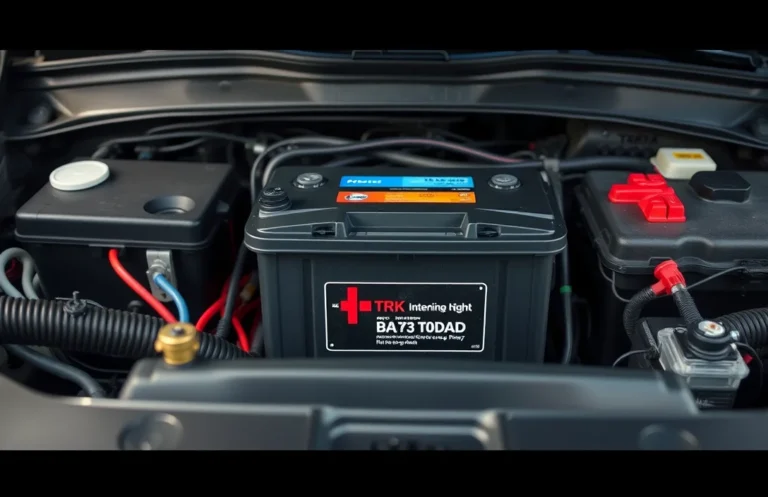
How to Accurately Check the Lifespan of Your Car Battery
Understanding how to check the life of your car battery is crucial for maintaining your vehicle’s reliability. A weak battery can lead to unexpected breakdowns, especially in inconvenient situations. Learning this skill can empower you to keep your car in top shape and avoid unnecessary repairs.
To check your battery’s life, start by inspecting it visually for corrosion or leaks. Next, use a multimeter to measure the voltage. If it reads below 12.4 volts, consider replacing it. Regular maintenance can prolong its lifespan.
Visual Inspection of Battery
Checking the physical condition of your car battery is a crucial first step in assessing its lifespan. A visual inspection can reveal signs of wear or damage that may affect its performance. Here’s how to effectively inspect your battery for any red flags.
- Check for corrosion: Look for a white, ashy substance around the battery terminals. This is corrosion, which can impede connectivity. If you see any, it’s important to clean it off with a mixture of baking soda and water.
- Inspect the battery case: Examine the exterior of the battery for any cracks or leaks. A damaged case can lead to battery failure, so if you find any significant damage, consider replacing the battery.
- Look for bulging: A swollen or bulging battery case is a sign of internal failure and should be replaced immediately. This can happen due to overheating or overcharging, which damages the battery.
- Check the age: Many batteries have a date code on them. If your battery is more than three to five years old, it’s wise to start monitoring it more closely.
By performing this visual inspection, you can catch potential problems early and ensure your car battery remains reliable.
Testing Battery Voltage
Measuring the voltage of your car battery is a straightforward way to assess its health. A healthy battery should provide a reading of around 12.6 volts or more when fully charged. Using a multimeter, you can quickly determine if your battery is holding a charge effectively. Follow these steps to get an accurate voltage reading.
- Gather your tools: You’ll need a multimeter, which is commonly available at auto parts stores or online. Ensure it’s set to measure DC voltage.
- Turn off your car and all electrical accessories to get an accurate reading.
- Locate the battery terminals: Identify the positive (+) and negative (-) terminals on your battery.
- Connect the multimeter: Place the red probe on the positive terminal and the black probe on the negative terminal. Make sure the probes have good contact with the metal.
- Read the voltage: Check the display on your multimeter. A reading of 12.6 volts or higher indicates your battery is in good condition. If it reads below 12.4 volts, it may need charging, and below 12.0 volts suggests it’s time for a replacement.
Regularly checking the voltage can help you stay ahead of potential issues with your battery’s lifespan.
Checking for Corrosion
Corrosion on battery terminals can significantly impact your car battery’s performance and lifespan. This buildup appears as a white, ashy substance around the terminals and can cause poor connections, leading to starting issues. Identifying and cleaning corrosion is a crucial step in maintaining your battery’s health.
Begin by ensuring your vehicle is turned off and the keys are removed from the ignition. Using safety gloves, inspect the battery terminals for any signs of corrosion. If you notice a buildup, you can clean it using a mixture of baking soda and water. Apply this solution to the terminals with a small brush or an old toothbrush. This will help neutralize the acids causing the corrosion.
After cleaning, rinse the terminals with water to wash away any residue from the baking soda. Dry them thoroughly before reattaching the cables. If the corrosion persists or seems extensive, consider consulting a professional, as it may indicate deeper issues with your battery or electrical system. Regularly checking for corrosion is essential for prolonging the life of your car battery.
Using a Load Tester
A load tester is a valuable tool that measures your car battery’s ability to perform under stress, simulating conditions it experiences while starting your engine. This process helps you understand if the battery can supply sufficient power. Follow these steps to effectively use a load tester.
- Ensure the battery is fully charged before testing. If it’s not, charge it for several hours.
- Disconnect the battery terminals, starting with the negative terminal to avoid any short circuits.
- Connect the load tester’s positive clamp to the positive battery terminal and the negative clamp to the negative terminal.
- Set the load tester to the battery’s CCA (Cold Cranking Amps) rating, which is often found on the battery label.
- Activate the load tester for about 10-15 seconds while observing the voltage reading. A healthy battery should maintain a voltage above 9.6 volts during this time.
- After testing, disconnect the load tester clamps and reconnect the battery terminals, ensuring the negative terminal is connected last.
This test provides a clear indication of the battery’s condition and helps you determine if it needs replacement or if it can continue to serve you reliably.
Monitoring Battery Age
Understanding the age of your car battery is crucial for determining its lifespan. Often, the manufacturing date can be found on the battery itself, allowing you to gauge how long it has been in service. Follow these steps to locate and interpret the battery date code.
- Open the hood of your vehicle and locate the battery. It’s typically situated near the front of the engine compartment.
- Look for a label or sticker on the battery casing. This label usually contains important information, including the manufacturer, specifications, and production date.
- Identify the date code, which often appears as a combination of letters and numbers. The first letter usually represents the month (A for January, B for February, etc.), while the following numbers indicate the year. For example, “C20” would mean March of 2020.
- Compare the current year with the manufacturing year to assess the battery’s age. Most batteries last around 3 to 5 years, so knowing this date can help you plan for a replacement before issues arise.
By monitoring the age of your battery, you can proactively manage its health and performance, ensuring reliable operation.
Evaluating Performance Issues
Recognizing symptoms of a failing battery is crucial for maintaining your vehicle’s reliability. Certain signs can indicate that your car battery is struggling and may need to be checked or replaced. By understanding these warning signals, you can take proactive steps to avoid unexpected breakdowns.
Common symptoms of a failing battery include:
- Slow Engine Crank: If you notice that your engine takes longer to start or turns over sluggishly, it may be a sign that the battery is weak.
- Dashboard Warning Lights: Pay attention to any battery warning lights on your dashboard. These lights often indicate that there is an issue with your battery or charging system.
- Corrosion: Check for corrosion on battery terminals. A white, ashy substance can be a sign that the battery is leaking or failing.
- Electrical Issues: Dim headlights, flickering interior lights, or malfunctioning electrical components can indicate that the battery is not supplying enough power.
If you notice any of these symptoms, it’s wise to check the life of your battery more thoroughly. Taking action early can save you from inconvenient breakdowns and costly repairs down the road.
Consulting Professional Services
Recognizing when to seek expert help can save you time, money, and potential headaches. If your battery shows signs of failure, such as frequent jump starts, slow engine cranking, or any performance issues you can’t diagnose, it’s wise to consult a professional. They have the tools and expertise to accurately assess the health of your battery and its connections.
A qualified technician can perform comprehensive tests that go beyond your typical checks, including load tests and checking for parasitic drains that could be draining your battery. If you’re unsure about your abilities to check the life of your car battery, don’t hesitate to reach out to a mechanic. They can also advise on replacement options if needed, ensuring you get a battery suited for your vehicle’s needs.
Overall, knowing when to ask for help is crucial in maintaining your car’s reliability. Trusting a professional can provide peace of mind that your vehicle is in good hands and ready to hit the road without issues.
Quick Summary
- Check the battery’s age; most car batteries last 3-5 years.
- Inspect for physical signs of damage or corrosion on terminals.
- Use a multimeter to measure voltage; a healthy battery should read around 12.6 volts or higher.
- Conduct a load test to assess the battery’s ability to hold a charge under stress.
- Look for signs of leakage or swelling, which indicate a failing battery.
- Ensure the battery connections are clean and secure for optimal performance.
- Consider professional testing if unsure about the battery’s condition.
Frequently Asked Questions
How can I tell if my car battery is weak?
A weak car battery may show signs like slow engine cranking, dim headlights, or electrical issues. If your battery is more than three years old and you experience these symptoms, it’s a good idea to have it tested.
What tools do I need to check my car battery’s life?
You will need a multimeter to measure the voltage of your battery. Additionally, a battery load tester can help assess its capacity under load, while basic tools like a wrench may be needed to clean terminals and check connections.
How do I use a multimeter to check my battery?
Set the multimeter to DC voltage and connect the red lead to the positive terminal and the black lead to the negative terminal of the battery. A healthy battery should read between 12.4 to 12.7 volts when the engine is off.
What maintenance can I do to extend my battery’s life?
Regularly check and clean battery terminals to prevent corrosion, ensure the battery is securely mounted, and avoid leaving your car unused for long periods. Additionally, consider using a battery maintainer if you have a vehicle that sits for extended times.
When should I replace my car battery?
You should consider replacing your car battery if it is over three to five years old, shows signs of wear, or fails to hold a charge. If you notice any of the symptoms mentioned earlier, it’s best to have it tested or replaced to avoid being stranded.

- How to Jump-Start a Motorcycle with a Car Battery Safely - February 22, 2026
- Does Life360 Really Drain Your Battery? What You Should Know - February 22, 2026
- Do Hardwired Smoke Detectors Need Batteries for Backup Support? - February 22, 2026