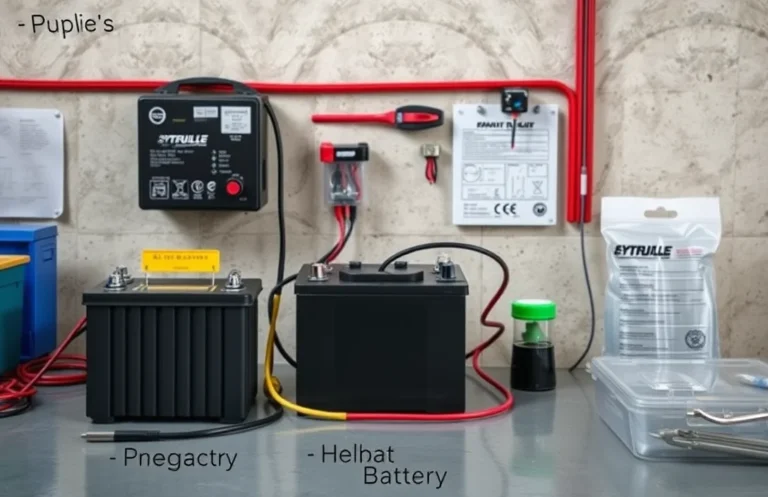
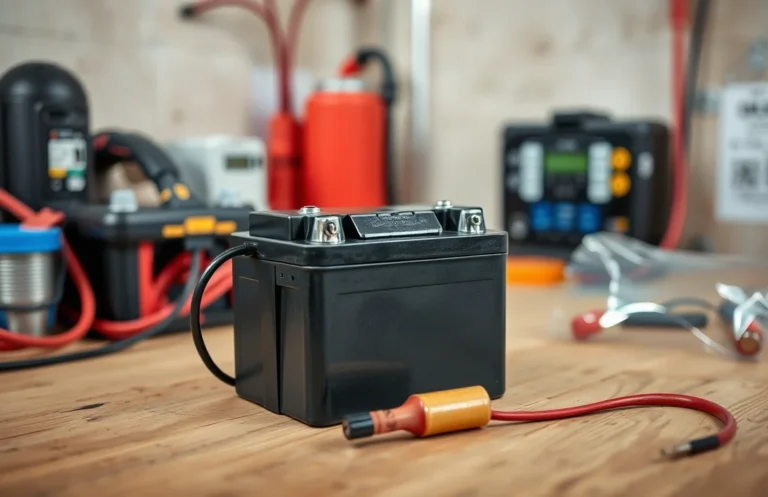
How to Properly Charge a 12 Volt Battery: Step-by-Step Instructions
Charging a 12 volt battery might seem daunting, but with the right guidance, it can be a straightforward task. Whether you’re maintaining a car battery or powering a solar setup, understanding this process is essential for anyone looking to keep their devices running smoothly.
To charge a 12 volt battery, you need a compatible charger, connect it properly to the battery terminals, and monitor the charging process. Always ensure correct polarity and follow safety precautions to avoid any accidents.
Choosing the Right Charger
Selecting the appropriate charger for a 12-volt battery is crucial for effective and safe charging. Various types of chargers are available, each designed for specific applications and battery types. Understanding these options will help ensure that you use the right tool for the job.
Look for a charger that matches the battery’s specifications, especially its voltage and chemistry. Most 12-volt batteries fall into two categories: lead-acid and lithium-ion. For lead-acid batteries, a smart charger with multiple charging stages is ideal, as it can adjust the voltage and current to optimize charging and prevent overcharging. These chargers often feature automatic shut-off and maintenance modes, which are beneficial for long-term battery health.
If you have a lithium-ion battery, ensure the charger is specifically designed for that chemistry, as using a lead-acid charger can damage the battery. Additionally, consider the charger’s amp rating; for regular use, a charger that provides at least 10% of the battery’s capacity in amps is recommended for efficient charging.
Always check the manufacturer’s recommendations for both the battery and charger to ensure compatibility and safety.
Preparing the Battery for Charging
Preparing your battery correctly is essential for safe and effective charging. This step ensures that the battery is in optimal condition and minimizes any risks associated with charging. Follow these steps to prepare your 12-volt battery before connecting it to the charger.
- Inspect the Battery: Check for any visible damage such as cracks or leaks. If the casing is damaged, do not attempt to charge it; replacing the battery is necessary.
- Clean the Terminals: Ensure the battery terminals are free from corrosion and dirt. Use a mixture of baking soda and water to clean them if necessary, and dry thoroughly afterward.
- Check the Fluid Level: If your battery is a lead-acid type, check the electrolyte levels. If they are low, add distilled water to the appropriate level. Avoid overfilling.
- Ensure Proper Ventilation: Position the battery in a well-ventilated area during charging to prevent gas buildup, which can be hazardous.
- Wear Safety Gear: Always wear gloves and eye protection while handling batteries. This protects you from potential acid spills and electrical hazards.
By following these steps, you will ensure that the battery is ready for charging, which is crucial for effective and safe use.
Connecting the Charger Properly
Connecting the charger correctly is crucial to ensure safe and effective charging of your 12-volt battery. An improper connection can lead to sparks, damage to the battery, or even personal injury. Follow these steps to connect the charger with care.
- Identify the terminals: Locate the positive (+) and negative (-) terminals on the battery. The positive terminal usually has a red cover or marking, while the negative terminal is often black.
- Connect the positive lead: Take the red lead from the charger and connect it to the positive terminal of the battery. Ensure a secure connection to avoid any disconnection during charging.
- Connect the negative lead: Next, attach the black lead from the charger to the negative terminal of the battery. Again, ensure that the connection is tight and secure.
- Double-check connections: Verify that the connections are correct and secure. Ensure that the leads are not touching each other or any metal surface, which could cause shorts.
After completing these steps, you will be ready to move on to the next phase of charging, where you’ll set the appropriate charging voltage.
Setting the Charging Voltage
Adjusting the charging voltage is crucial for the effective charging of a 12 volt battery. Using the correct voltage helps prevent overcharging and maximizes battery life. Different types of batteries may require specific voltages; therefore, confirm the recommended specifications for your battery type.
Most standard 12 volt lead-acid batteries need a charging voltage of around 13.8 to 14.4 volts. If you are using a smart charger, it will automatically adjust the voltage during the charging process. However, if you are using a manual charger, set the voltage to the appropriate level based on your battery’s specifications.
Always check the charger settings before connecting to the battery. If your battery is deeply discharged, it may require a higher voltage initially to start the charging process. Once the battery reaches a certain charge level, reduce the voltage to the float setting to maintain the charge without damaging the battery.
Monitoring the Charging Process
Tracking the progress of the charging process is essential for ensuring safety and efficiency. By monitoring the battery’s voltage and temperature, you can prevent overcharging and potential damage. Follow these steps to keep an eye on the charging status.
- Check the Voltage: Use a multimeter to measure the battery’s voltage periodically. A fully charged 12-volt battery should read around 12.6 to 12.8 volts. If the voltage exceeds 13.0 volts, it may indicate overcharging.
- Monitor Temperature: Touch the battery to feel for excessive heat. If the battery is hot to the touch, this could signal a problem. Disconnect the charger immediately if you notice unusual heat.
- Observe Charging Time: Keep track of how long the battery has been charging. Most 12-volt batteries take several hours to charge fully, depending on their capacity and the charger’s output.
- Look for Bubbles: If you see bubbles forming in the electrolyte solution (if applicable), this can indicate overcharging. It’s a sign to check the voltage and reduce the charging current if necessary.
- Be Aware of Smells: Pay attention to any strange smells, such as sulfur, which can indicate a problem. If you notice any unusual odors, disconnect the charger and inspect the battery.
Disconnecting the Charger Safely
After completing the charging process, it is crucial to disconnect the charger properly to ensure safety and the longevity of the battery. Following these steps minimizes the risk of electrical shocks or battery damage.
- Turn off the charger: Before unplugging any cables, switch off the charger to prevent any electrical surges.
- Disconnect the negative terminal: Always remove the negative (black) cable first. This helps to prevent short circuits.
- Remove the positive terminal: Next, disconnect the positive (red) cable. Ensure that the cable does not touch any metal surfaces.
- Check for any signs of damage: Inspect the cables and terminals for any wear or damage before storing the charger.
- Store the charger safely: Keep the charger in a dry, safe place, away from direct sunlight and extreme temperatures.
Following these steps ensures that you disconnect the charger safely, maintaining the health of your battery and preventing accidents during the charging process.
Maintaining Your Battery Post-Charge
After successfully charging your 12-volt battery, proper maintenance is crucial for ensuring its longevity and optimal performance. Maintenance involves regular checks and care that help to extend the battery’s life and maintain its efficiency. Follow these tips to keep your battery in excellent condition.
- Clean the terminals: Regularly inspect and clean the battery terminals to prevent corrosion. Use a mixture of baking soda and water for effective cleaning.
- Check water levels: For lead-acid batteries, monitor the electrolyte levels regularly. Ensure that the plates are submerged in the electrolyte solution, adding distilled water if necessary.
- Store properly: If not in use, store the battery in a cool, dry place. Avoid extreme temperatures as they can damage the battery.
- Charge periodically: For batteries that are not used frequently, consider charging them periodically to maintain their charge and prevent sulfation.
- Monitor performance: Keep an eye on your battery’s performance. If you notice any significant drop in its efficiency, it may be time to evaluate for potential replacement.
By following these maintenance tips, you can ensure your 12-volt battery remains in good health following a charge, ultimately enhancing its lifespan and reliability.
Quick Summary
- Use a compatible charger designed for 12-volt batteries to ensure safe and efficient charging.
- Always connect the positive (+) lead of the charger to the positive terminal of the battery first.
- Connect the negative (-) lead of the charger to the negative terminal of the battery or a grounded metal surface.
- Monitor the charging process and avoid overcharging to prolong battery life.
- Ensure the battery is in a well-ventilated area to prevent gas buildup during charging.
- Check the battery’s voltage with a multimeter to confirm it is charging properly.
- Disconnect the charger in the reverse order of connection: negative lead first, then positive lead.
Frequently Asked Questions
How do I know if my 12 volt battery needs charging?
You can check the battery’s voltage using a multimeter. A fully charged 12 volt battery should read around 12.6 volts or higher; if it’s below 12.4 volts, it likely needs charging.
What is the best way to charge a 12 volt battery?
The best way to charge a 12 volt battery is by using a battery charger specifically designed for that voltage. Ensure the charger is set to the correct charging mode (e.g., standard or maintenance) for optimal results.
Can I charge a 12 volt battery with a car’s alternator?
Yes, you can charge a 12 volt battery using a car’s alternator by connecting it to the vehicle while the engine is running. This method is effective, but make sure the battery is compatible with the vehicle’s electrical system.
How long does it take to charge a 12 volt battery?
The charging time for a 12 volt battery can vary depending on its capacity and the charger used. Typically, it can take anywhere from a few hours to a full day to fully charge a depleted battery.
Is it safe to charge a 12 volt battery indoors?
Charging a 12 volt battery indoors can be safe if proper ventilation is provided, as batteries can emit gases during charging. Always follow the manufacturer’s instructions and take precautions to avoid any fire hazards.

- How to Jump-Start a Motorcycle with a Car Battery Safely - February 22, 2026
- Does Life360 Really Drain Your Battery? What You Should Know - February 22, 2026
- Do Hardwired Smoke Detectors Need Batteries for Backup Support? - February 22, 2026