How to Properly Charge a 4 Wheeler Battery: Step-by-Step Instructions
Charging a 4 wheeler battery may seem daunting, but it’s a straightforward process that anyone can master. Knowing how to properly charge your vehicle’s battery can save you time and money, ensuring your car is always ready to go when you need it.
Key points include: identifying the battery type, using the correct charger, connecting cables in the right order, and monitoring the charging process. Following these steps will help you maintain your battery’s health and extend its lifespan.
Gather Necessary Tools
Before charging a 4 wheeler battery, it’s crucial to gather all necessary tools. Having the right equipment on hand ensures the process is efficient and safe. Below is a list of essential items you will need to successfully charge the battery.
- Battery Charger: Choose a charger that is compatible with your battery type, ensuring it provides the correct voltage and amperage.
- Safety Goggles: Protect your eyes from potential acid splashes or sparks during the charging process.
- Gloves: Wear rubber gloves to prevent skin contact with battery acid and to handle the battery safely.
- Multimeter: This tool helps measure the battery’s voltage to determine its state of charge.
- Wrench or Socket Set: Use these to securely connect and disconnect the battery terminals.
With these tools ready, you’ll be well-prepared to charge your vehicle’s battery effectively. Each item plays a significant role in ensuring both safety and functionality during the charging process.
Safety Precautions to Follow
Before charging a 4 wheeler battery, adhering to safety precautions is essential to prevent accidents and ensure a smooth process. One key measure is to always work in a well-ventilated area. Charging batteries can produce hydrogen gas, which is highly flammable. Adequate ventilation helps disperse any gas buildup and reduces the risk of explosion.
Additionally, wearing personal protective equipment (PPE) such as gloves and safety goggles can protect you from acid splashes and other potential hazards. Ensure that you have appropriate clothing that covers your arms and legs to minimize skin exposure.
Always disconnect the battery from the vehicle before charging. This prevents electrical shorts and protects the vehicle’s electronic systems. Check for any visible damage to the battery or terminals, and do not attempt to charge a battery that appears swollen or leaking.
By following these safety measures, you set the stage for a safe and effective charging process, minimizing risks and ensuring a successful outcome.
Locate the Battery in Your 4 Wheeler
Finding the location of your 4 wheeler’s battery is crucial before charging it. Batteries are typically placed in specific areas depending on the make and model of the vehicle. Here’s how to locate it effectively:
- Open the hood: Most 4 wheelers have the battery located under the hood. Pull the hood release lever inside the vehicle and lift the hood securely.
- Check the owner’s manual: If unsure, refer to the vehicle’s owner manual for the exact battery location. This guide provides detailed diagrams and specific information.
- Look for common locations: Generally, batteries are found on one side of the engine bay, often near the front. Some vehicles might have the battery in the trunk or under a seat.
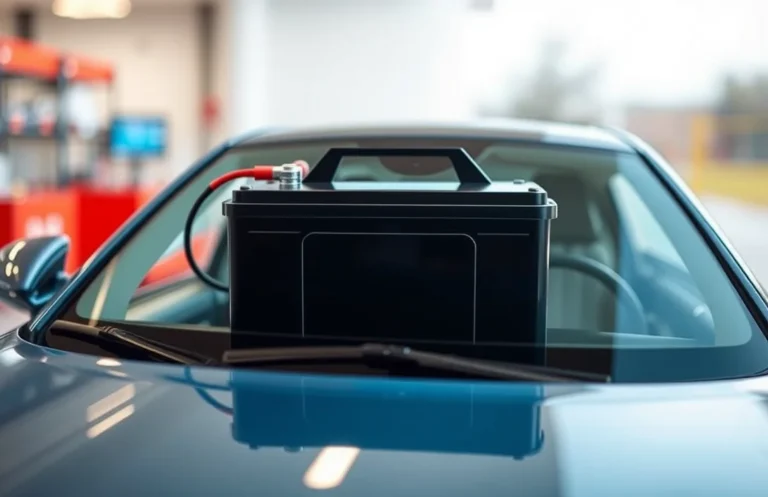
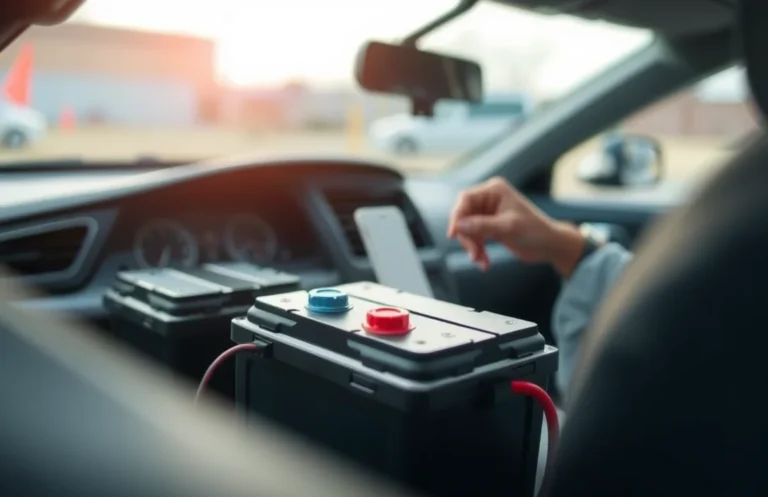
- Identify the battery housing: The battery is usually housed in a black plastic case with two cables attached — one red (positive) and one black (negative).
Once you’ve located the battery, you can proceed to the next steps in the charging process. Knowing its position will make the connection to the charger easier and more efficient.
Connect the Charger Properly
Connecting the charger clamps correctly is crucial for safely charging your 4 wheeler battery. Follow these steps to ensure a proper connection that will prevent damage to the battery or the charger. Always take precautions to avoid short circuits and ensure your safety during the process.
Begin by identifying the positive and negative terminals on the battery, typically marked with a plus (+) and minus (-) sign. Attach the red clamp of the charger to the positive terminal first. Ensure that the connection is secure and that the clamp is making good contact with the metal surface. Next, take the black clamp and attach it to the negative terminal. This order helps to prevent sparks and potential hazards.
For added safety, connect the other end of the black clamp to an unpainted metal surface on the frame of the 4 wheeler, far away from the battery. This minimizes the risk of sparks near the battery, which is especially important if the battery has been overcharged or is damaged. Once both clamps are securely attached, your charger is ready for use and you can proceed to adjust the settings as needed.
Set Charger Settings Correctly
Adjusting the settings on your charger is crucial for effectively charging a 4 wheeler battery. Proper settings ensure that the battery receives the right voltage and current, preventing damage while maximizing charging efficiency. Follow these steps to set your charger accurately.
- Select the correct voltage: Most 4 wheeler batteries are either 6V or 12V. Ensure that the charger is set to the appropriate voltage for your battery type to avoid overcharging or undercharging.
- Choose the charge rate: Depending on your charger, you may have options for different charge rates (e.g., slow, medium, fast). For optimal battery health, select a slower charge rate if time permits, as this is gentler on the battery.
- Set the timer (if applicable): Some chargers come with a timer feature. If yours does, set it according to the battery’s needs, typically between 4 to 12 hours, based on the charge rate you selected.
- Check for additional features: If your charger has smart technology, ensure it is activated. This feature can automatically adjust the settings based on the battery’s condition and prevent overcharging.
Monitor Charging Process
Keeping an eye on the charging process is crucial for ensuring the safety and longevity of your battery. By monitoring the charger and battery behavior, you can prevent overcharging and detect any potential issues early on. Here are some effective tips to help you keep track of the charging process:
- Check charger indicators: Most modern chargers have LED indicators that show the charging status. Familiarize yourself with these indicators to know when the battery is fully charged.
- Regular voltage checks: Use a multimeter to check the voltage at intervals. This will help you confirm that the battery is charging correctly and not exceeding safe voltage levels.
- Listen for unusual sounds: While charging, listen for any strange noises coming from the battery. Hissing or bubbling sounds may indicate a problem, such as overheating.
- Temperature monitoring: Touch the battery and charger periodically to ensure they are not overheating. If they feel excessively warm, it’s time to turn off the charger and investigate.
- Set a timer: If you’re using a manual charger, set a timer to remind you to check on the battery after a specific period, preventing extended charging times.
By actively monitoring these aspects, you can safely charge your 4 wheeler battery and prolong its life.
Disconnect and Test the Battery
After charging the battery, safely disconnecting and testing it ensures that the process has been effective and the battery is functioning optimally. This step is crucial for verifying the battery’s performance and preventing any potential hazards.
- Turn off the charger and unplug it from the power source.
- Remove the negative (-) terminal first, followed by the positive (+) terminal. This reduces the risk of short circuits.
- Inspect the battery for any corrosion or damage. Clean the terminals if necessary using a mixture of baking soda and water.
- Use a multimeter to test the battery voltage. A fully charged battery should read around 12.6 volts or higher.
- If the voltage is satisfactory, reconnect the terminals starting with the positive (+) terminal, followed by the negative (-) terminal.
- Double-check connections to ensure they are tight and secure.
With these steps completed, you can confidently ensure that your four-wheeler battery is charged and ready for use. Regular testing and maintenance will prolong its lifespan and enhance performance.
Quick Summary
- Ensure safety by wearing gloves and eye protection before handling the battery.
- Identify the battery terminals; positive (+) is usually red and negative (-) is black.
- Use a compatible battery charger and connect the leads properly to avoid short circuits.
- Set the charger to the appropriate voltage and amperage for your battery type.
- Monitor the charging process and avoid overcharging, which can damage the battery.
- Once fully charged, disconnect the charger and replace the battery cover if applicable.
- Regularly check battery health and connections to ensure optimal performance.
Frequently Asked Questions
How do I know if my 4 wheeler battery needs charging?
If your vehicle struggles to start, the headlights are dim, or electronic components are not functioning properly, it may indicate a low battery. It’s also a good idea to check the battery voltage with a multimeter; a reading below 12.4 volts typically suggests it needs charging.
What equipment do I need to charge a 4 wheeler battery?
You will need a battery charger suitable for your battery type, safety gloves, and goggles. Additionally, having jumper cables can be useful in case you need to jump-start the vehicle if the battery is too dead to charge directly.
Can I charge my 4 wheeler battery while it’s still in the vehicle?
Yes, you can charge the battery while it’s still installed in the vehicle, but ensure that all electronic accessories are turned off. However, for safety and better access, it’s often recommended to remove the battery and charge it on a stable surface.
How long does it take to charge a 4 wheeler battery?
The charging time can vary depending on the charger and the battery’s condition, but typically it can take anywhere from 4 to 12 hours. A trickle charger will take longer, while a fast charger can complete the job more quickly.
What should I do after charging my 4 wheeler battery?
After charging, check the battery’s voltage with a multimeter to ensure it’s fully charged, ideally between 12.6 and 12.8 volts. Additionally, inspect the battery terminals for corrosion and ensure they are clean and securely connected before starting your vehicle.

- How to Jump-Start a Motorcycle with a Car Battery Safely - February 22, 2026
- Does Life360 Really Drain Your Battery? What You Should Know - February 22, 2026
- Do Hardwired Smoke Detectors Need Batteries for Backup Support? - February 22, 2026