How to Safely Recharge a 12 Volt Battery: Step-by-Step Guide
Recharging a 12 volt battery is a practical skill that can save you time and money. Whether you’re maintaining a vehicle, powering a solar setup, or using tools, understanding how to properly recharge your battery is essential for optimal performance and longevity.
To successfully recharge a 12 volt battery, you need to follow these key points: use a compatible charger, ensure the battery is in a well-ventilated area, and monitor charging time to avoid overcharging. Safety precautions are also crucial throughout the process.
Gather Necessary Equipment
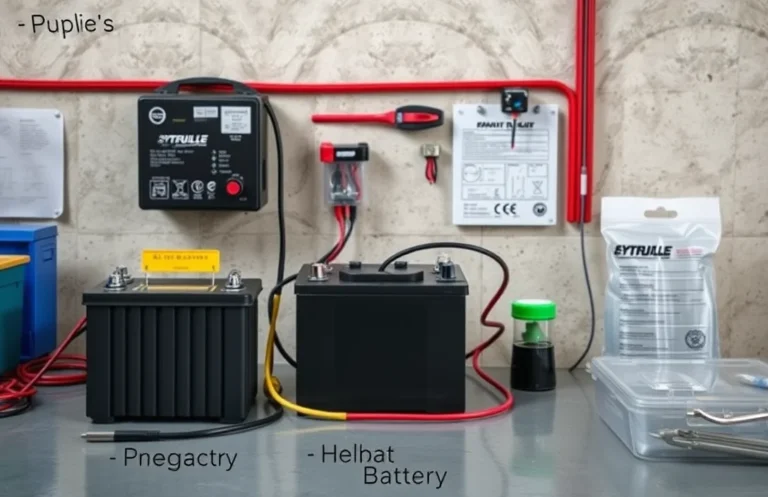
To recharge a 12 volt battery effectively, you need specific tools and equipment. Having the right items on hand ensures the process is safe and efficient. Below is a list of essential tools you will require before starting the recharging process.
- Battery Charger: A quality charger designed for 12 volt batteries is crucial. Choose one that matches the battery’s specifications for optimal results.
- Safety Gear: Wear safety glasses and gloves to protect yourself from accidental spills or electrical hazards.
- Wrenches or Pliers: These are necessary for loosening and securing battery terminals, particularly if you need to remove the battery from a device.
- Multimeter: This tool helps you check the battery’s voltage and overall health, ensuring it’s suitable for charging.
- Extension Cord: If your battery charger is not close to an outlet, an extension cord will provide the necessary reach.
Gathering these items ahead of time will streamline the recharging process and enhance safety during the operation.
Ensure Battery Safety
Prior to recharging your 12 volt battery, implement essential safety measures to prevent accidents and hazards. Proper safety precautions protect not only the battery but also you and your surroundings. Follow these guidelines to ensure a safe charging experience.
Always wear protective gear such as gloves and safety goggles. Batteries can emit harmful gases and contain corrosive materials that may cause injury. Ensure the charging area is well-ventilated to disperse any gases that may escape during the process. Avoid charging the battery near flammable materials or in confined spaces.
Inspect the battery for any visible damage, such as cracks or leaking fluid, before starting. If you notice any signs of wear or damage, do not attempt to recharge it, as this can lead to dangerous situations. Additionally, ensure the battery terminals are clean and free from corrosion. Clean terminals provide a better connection and reduce the risk of overheating.
Finally, keep a fire extinguisher rated for electrical fires nearby while working with batteries. Being prepared for emergencies can mitigate risks and enhance safety during the recharging process.
Choose the Right Charger
Selecting the appropriate charger for your 12-volt battery is crucial for efficient and safe recharging. Different types of chargers are available, each designed for specific battery needs. Understanding these options will help you choose the right tool to avoid damage and ensure longevity.
There are primarily two types of chargers: standard chargers and smart chargers. Standard chargers provide a constant voltage and can take longer to recharge a battery fully. These are often less expensive but can risk overcharging if not monitored. Smart chargers, on the other hand, automatically adjust the charge rate based on the battery’s condition. They can detect when the battery is fully charged and will switch to a maintenance mode, preventing overcharging and prolonging the battery’s life.
Consider the amp rating of the charger as well. Higher amp ratings will charge the battery faster, while lower ratings are gentler. For most 12-volt batteries, a charger with a rating between 2 to 10 amps is suitable, depending on the battery’s size and condition. Always refer to the manufacturer’s recommendations when selecting a charger to ensure compatibility and optimal performance.
Connect Charger Properly
Properly connecting the charger to the battery is crucial for safe and effective recharging. Follow these steps to ensure a secure connection that minimizes the risk of sparks and damage to the battery or charger.
- Ensure the charger is unplugged before making any connections.
- Identify the positive and negative terminals on the battery. The positive terminal is usually marked with a plus sign (+) and may be red, while the negative terminal is marked with a minus sign (−) and is typically black.
- Connect the positive (red) charger clamp to the positive terminal of the battery.
- Connect the negative (black) charger clamp to the negative terminal of the battery.
- If using a smart charger, ensure it is set to the correct voltage and type for your battery. If using a standard charger, verify the settings match the specifications of the battery.
- Double-check all connections for security and ensure there are no loose clamps or exposed wires.
- Once everything is connected and secure, plug in the charger to a power source to begin recharging.
Monitor Charging Process
During the charging process, it’s crucial to keep an eye on the voltage level of your battery. This helps ensure that you are recharging it safely and effectively without overcharging, which can damage the battery. Here’s how to monitor the charge level accurately.
- Use a Multimeter: Connect a multimeter to the battery terminals. Set the multimeter to measure DC voltage. This will provide a real-time reading of the battery’s voltage level.
- Check Voltage Regularly: Monitor the voltage at intervals throughout the charging process. A fully charged 12-volt battery should read around 12.6 to 12.8 volts. If it drops significantly below this level, it may require more charging.
- Observe Charging Indicators: If your charger has built-in indicators, pay attention to them. Many chargers will show when the battery is fully charged or if there is an issue during charging.
- Listen for Changes: Some chargers emit sounds or alarms when the battery reaches a certain charge level. Be attentive to these cues, as they can help you avoid overcharging.
By following these steps, you can effectively monitor the charging process, ensuring a safe and efficient recharge for your battery.
Disconnect After Charging
Once the charging process is complete, safely disconnecting the battery is crucial to prevent damage and ensure personal safety. Follow these steps to properly disconnect the battery and avoid any potential hazards.
Begin by turning off the charger and unplugging it from the power source. This prevents any electrical shock or short circuit during disconnection. Next, remove the negative (-) lead first. This step is essential as it minimizes the risk of a spark occurring near the positive terminal, which can be dangerous. After that, carefully remove the positive (+) lead. Make sure not to touch the two leads together, as this can cause a short circuit.
Always handle the battery with care, and ensure you are wearing appropriate safety gear, such as gloves and goggles. After disconnection, inspect the battery for any signs of leakage or damage. Store it properly in a cool, dry place if it won’t be used immediately. Following these procedures will help maintain both safety and battery integrity.
Maintain Battery Health
Prolonging the lifespan of your 12 volt battery is essential for optimal performance and reliability. By following these practical tips, you can help ensure that your battery remains in good condition and functions effectively over time. Regular maintenance and best practices will contribute significantly to its longevity.
- Keep it clean: Regularly check for corrosion on terminals and clean them with a mixture of baking soda and water.
- Avoid deep discharges: Try not to let the battery discharge below 50% before recharging.
- Store properly: If not in use, store the battery in a cool, dry place to prevent damage from extreme temperatures.
- Regular checks: Periodically test the battery’s voltage and specific gravity to monitor its health.
- Use a smart charger: Opt for a charger that can automatically adjust its output based on the battery’s needs.
Implementing these steps will help maintain battery health, ensuring reliable performance and extending its usable life. Regular attention and care will make all the difference in how well your battery serves you.
Quick Summary
- Ensure the battery is compatible with a 12-volt charger.
- Use a charger designed for the specific battery type (flooded, AGM, gel).
- Connect the charger to the battery, ensuring correct polarity: positive to positive, negative to negative.
- Set the charger to the appropriate voltage and amperage settings.
- Monitor the charging process to prevent overcharging.
- Disconnect the charger safely once the battery is fully charged.
- Check the battery’s voltage with a multimeter before use.
Frequently Asked Questions
How do I know if my 12 volt battery needs recharging?
A 12 volt battery typically needs recharging if it shows a voltage reading below 12.4 volts. Additionally, if your vehicle or device is slow to start or exhibits dim lights, it may indicate a low charge.
What equipment do I need to recharge a 12 volt battery?
To recharge a 12 volt battery, you will need a compatible battery charger, safety gloves, and eye protection. Ensure the charger is specifically designed for the battery type, whether it’s lead-acid, AGM, or lithium.
Can I recharge a 12 volt battery while it’s still connected to my device?
It’s generally recommended to disconnect the battery from your device before recharging to avoid potential damage or electrical issues. However, some smart chargers can safely charge while connected, but always check the manufacturer’s instructions first.
How long does it take to recharge a 12 volt battery?
The time it takes to recharge a 12 volt battery depends on the charger’s amperage and the battery’s capacity. Typically, it can take anywhere from a few hours to overnight for a complete charge.
What should I do if my battery won’t hold a charge?
If your 12 volt battery won’t hold a charge, it may be old and nearing the end of its life or damaged. Testing the battery with a multimeter or taking it to a professional for assessment can help determine if it needs replacing.

- How to Jump-Start a Motorcycle with a Car Battery Safely - February 22, 2026
- Does Life360 Really Drain Your Battery? What You Should Know - February 22, 2026
- Do Hardwired Smoke Detectors Need Batteries for Backup Support? - February 22, 2026