How to Safely Recharge a 6 Volt Battery: Essential Tips and Techniques
Recharging a 6 volt battery might seem daunting, but with the right knowledge and techniques, it can be an easy and rewarding task. Understanding how to properly maintain and recharge your battery will ensure its longevity and keep your equipment running smoothly.
Learning safe charging methods is essential to avoid damage. You’ll need appropriate tools, including a 6 volt charger, and to follow step-by-step instructions to ensure success. Prioritizing safety will help you gain confidence in this vital skill.
Gather Necessary Tools
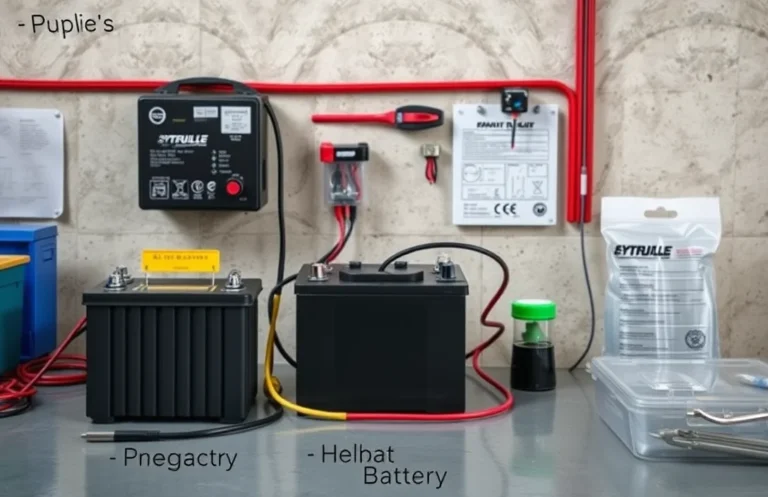
Before you start recharging your 6 volt battery, it’s essential to gather the necessary tools. Having the right equipment on hand will ensure a smooth and safe charging process. Below is a list of tools you’ll need to effectively recharge your battery.
- Battery Charger: A charger specifically designed for 6 volt batteries is crucial. Make sure it has the appropriate settings for your battery type.
- Safety Goggles: Protect your eyes from any potential splashes or sparks during the charging process.
- Gloves: Wear rubber or latex gloves to safeguard your hands from battery acid and electrical shock.
- Multimeter: This tool helps measure the battery voltage before and after charging to ensure it’s functioning properly.
- Wrench or Screwdriver: These tools may be necessary to remove or adjust battery terminals if needed.
Having these tools ready will not only make the process easier but also enhance your safety as you recharge the battery.
Check Battery Condition
Before recharging your 6 volt battery, assessing its condition is essential to ensure safety and effectiveness. A thorough inspection can help identify any issues that might prevent successful recharging or pose risks during the process. Follow these steps to evaluate your battery’s state.
Start by visually inspecting the battery for any signs of damage, such as cracks, corrosion, or leaks. These issues can indicate that the battery is beyond repair and should not be recharged. Check the terminals for corrosion, which appears as a white, powdery substance. If corrosion is present, clean the terminals with a mixture of baking soda and water, using a non-metallic brush. Ensure the terminals are dry and free from debris before proceeding.
Next, measure the voltage of the battery using a multimeter. A fully charged 6 volt battery should read around 6.3 to 6.4 volts. If the reading is significantly lower, the battery may be deeply discharged or damaged. If the voltage is below 5.9 volts, do not attempt to recharge it without further assessment. Consider consulting a professional if you suspect serious issues.
By carefully evaluating the battery condition, you can ensure that it’s safe to recharge and avoid potential problems during the charging process.
Select Proper Charger
Choosing the right charger for your 6 volt battery is crucial for safe and effective recharging. A compatible charger not only preserves battery life but also ensures optimal performance. Look for a charger specifically designed for 6 volt batteries, as using the wrong voltage can lead to damage or safety hazards.
Consider the following aspects when selecting your charger:
- Voltage Compatibility: Ensure the charger is rated for 6 volts. Chargers for 12 volt systems will not work and can cause serious harm.
- Type of Charger: Opt for either a trickle charger or a smart charger. Trickle chargers provide a slow, steady charge, while smart chargers automatically adjust the charge rate based on the battery’s needs.
- Amperage Rating: Choose a charger with an appropriate amperage output. For most 6 volt batteries, a charger with a 1-3 amp output is suitable for safe recharging.
- Safety Features: Look for chargers with built-in safety features such as overcharge protection and reverse polarity indication to prevent accidents.
By selecting the proper charger, you set the stage for a successful and safe recharging process.
Connect Charger Safely
Connecting the charger correctly is crucial for safely recharging your 6 volt battery. Follow these steps to ensure a secure and effective connection, minimizing the risk of damage or injury.
- Ensure Charger is Off: Before you start, make sure the charger is turned off. This protects you from electric shock and prevents any sparks during the connection process.
- Identify Terminals: Locate the positive (+) and negative (-) terminals on the battery. The positive terminal is usually marked with a red cover or a “+” sign, while the negative terminal may have a black cover or a “-” sign.
- Connect Positive Lead: Take the red (positive) lead from the charger and attach it to the positive terminal of the battery. Ensure a secure connection.
- Connect Negative Lead: Next, take the black (negative) lead and attach it to the negative terminal of the battery. This completes the circuit.
- Double-Check Connections: Inspect your connections to confirm that they are tight and secure. Ensure that the leads are not touching each other or any metal surface.
- Turn on the Charger: Finally, switch on the charger and set it to the appropriate voltage and current settings if adjustable. This begins the charging process safely.
Monitor Charging Process
Keeping an eye on the charging process is essential for ensuring the safety and longevity of your battery. Monitoring helps you avoid overcharging and potential damage. Here are some practical tips to help you effectively oversee the charging process:
- Check the Charger Indicators: Most chargers have lights that indicate the charging status. Pay attention to these indicators to know when the battery is fully charged.
- Use a Multimeter: A multimeter can measure the battery voltage during charging. This helps you track the charge level and ensures it does not exceed the recommended voltage.
- Listen for Unusual Sounds: If you hear bubbling or hissing from the battery, it may indicate overcharging. Disconnect the charger immediately to prevent damage.
- Temperature Check: If the battery feels excessively hot, it could be a sign of overcharging or malfunction. Allow it to cool down before proceeding.
By monitoring these aspects, you can safely recharge your 6 volt battery and maintain its health over time.
Disconnect After Charging
Once the charging process is complete, safely disconnecting your charger is crucial to prevent damage to both the battery and the charger. Follow these steps to ensure a secure disconnection:
- Turn off the charger: Before unplugging, switch off the charger to stop the flow of electricity.
- Remove the negative terminal: Always start by disconnecting the negative (black) terminal from the battery. This helps prevent any short circuits.
- Remove the positive terminal: Next, disconnect the positive (red) terminal. This order reduces the risk of sparks.
- Inspect the battery: Check for any signs of damage or leakage before putting it away. If everything looks good, you’re ready to store it.
Following these steps will help maintain the integrity of your battery and ensure safety during the disconnection process.
Store Battery Correctly
Proper storage of a 6 volt battery is essential for maintaining its performance and lifespan. When not in use, batteries should be stored in a cool, dry place, away from direct sunlight and extreme temperatures. This ensures that the battery remains in optimal condition and is ready for use when needed.
Before storing, ensure the battery is fully charged. This prevents sulfation, a common issue where lead sulfate crystals build up on the battery plates, leading to reduced capacity. If possible, check the battery’s charge level periodically and recharge it as necessary, ideally every few months, to keep it topped off.
Position the battery upright and secure it to prevent movement that could cause damage. If the battery is in a vehicle, make sure it’s disconnected and stored in a safe, ventilated area. Always keep the terminals covered with protective caps to prevent accidental short circuits. Following these guidelines will help you maintain your battery effectively, ensuring it is ready when you need to recharge a 6 volt battery again.
Quick Summary
- Ensure the battery is compatible with a 6-volt charger.
- Disconnect the battery from any devices before charging.
- Use a charger specifically designed for lead-acid or gel batteries.
- Connect the charger to the battery terminals, observing correct polarity.
- Monitor the charging process to prevent overcharging.
- Charge in a well-ventilated area to avoid gas buildup.
- Check the battery’s voltage and condition after charging before putting it back into use.
Frequently Asked Questions
How do I know if my 6 volt battery needs to be recharged?
You can check the charge level of your 6 volt battery using a multimeter, which should read around 6 volts when fully charged. If the voltage drops below 5.5 volts, it’s time to recharge the battery.
What type of charger should I use for a 6 volt battery?
Use a charger specifically designed for 6 volt batteries, preferably one with a trickle charge feature. This helps prevent overcharging, which can damage the battery.
How long does it take to recharge a 6 volt battery?
The charging time can vary depending on the charger and the battery’s state of charge, but it typically takes anywhere from 4 to 12 hours. Always refer to the manufacturer’s guidelines for more specific timing.
What safety precautions should I take while recharging a 6 volt battery?
Ensure you are in a well-ventilated area and wear safety goggles and gloves to protect yourself from potential acid spills. Additionally, avoid smoking or using open flames nearby as batteries can emit explosive gases during charging.
Can I use a 12 volt charger to charge a 6 volt battery?
No, using a 12 volt charger can overcharge and damage a 6 volt battery, leading to potential leaks or ruptures. Always stick to a charger that matches the battery’s voltage to ensure safe and effective charging.

- How to Jump-Start a Motorcycle with a Car Battery Safely - February 22, 2026
- Does Life360 Really Drain Your Battery? What You Should Know - February 22, 2026
- Do Hardwired Smoke Detectors Need Batteries for Backup Support? - February 22, 2026