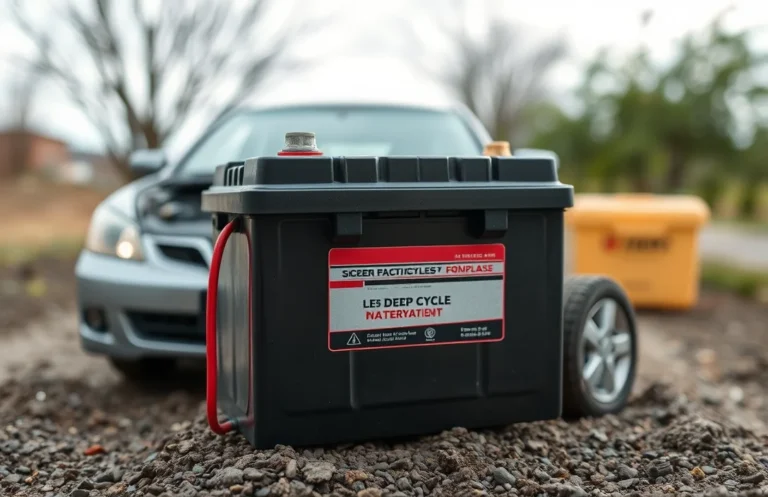
Using AGM Batteries in Older Cars: Safety and Considerations
Curious about whether you can replace your older car’s battery with an AGM battery? This question often arises among car enthusiasts and everyday drivers alike. Understanding the compatibility of AGM batteries with older vehicles can lead to better performance and reliability.
Yes, you can put an AGM battery in an older car, but ensure that the size and terminal placement match your vehicle’s specifications. AGM batteries offer better vibration resistance and longer lifespan, making them a practical choice for many applications.
Compatibility with Older Models
AGM (Absorbent Glass Mat) batteries can be a viable option for older cars, but compatibility is crucial. Before making the switch, it’s essential to check whether your vehicle’s specifications can accommodate this type of battery. Older cars typically have different electrical systems and battery requirements compared to modern vehicles.
Start by reviewing your car’s owner manual or the original battery specifications. AGM batteries generally have different dimensions and terminal configurations than traditional lead-acid batteries. Measure your existing battery space to ensure the AGM option fits physically. Additionally, check the cold cranking amps (CCA) and reserve capacity ratings. AGM batteries often provide higher performance in these areas, which can be advantageous for older vehicles that may require more power to start, especially in colder climates.
Most importantly, consult with a professional or a knowledgeable retailer to confirm that an AGM battery is suitable for your specific make and model. This step helps avoid potential compatibility issues that could arise from switching battery types.
Electrical System Considerations
Using an AGM battery in an older car can significantly affect its electrical system. AGM batteries are designed to provide higher power output and faster recharging capabilities compared to traditional lead-acid batteries. As a result, these batteries may alter how the vehicle’s electrical components operate.
Older vehicles typically have electrical systems that were designed with standard lead-acid batteries in mind. The higher voltage and discharge rates of AGM batteries can lead to potential issues such as overloading circuits or causing premature wear on electrical components. For instance, sensitive electronics may be impacted by the rapid voltage changes that can occur during the battery’s charging and discharging cycles.
To prevent these problems, it’s essential to ensure that the vehicle’s electrical system can handle the characteristics of an AGM battery. This may include upgrading alternators, fuses, or other components to accommodate the different charging profiles. Consulting with a professional mechanic or automotive electrician familiar with both AGM technology and older vehicle systems will provide tailored guidance for your specific car model.
Charging Requirements for AGM Batteries
AGM batteries have specific charging needs that differ from traditional lead-acid batteries. To ensure optimal performance and longevity when using an AGM battery in an older car, selecting the right charging equipment is crucial. Understanding these requirements helps prevent damage and maintain battery health.
AGM batteries require a charger designed for absorbed glass mat technology. Standard lead-acid chargers may not provide the appropriate voltage or charging profile, leading to undercharging or overcharging. Look for a smart charger that offers a multi-stage charging process, which typically includes bulk, absorption, and float stages. This process helps to fully charge the battery while preventing overcharging.
Additionally, the recommended charging voltage for AGM batteries is often between 14.4V and 14.8V during the bulk phase. During the absorption phase, the voltage should remain steady, allowing the battery to reach its full capacity. Always refer to the manufacturer’s specifications for your specific AGM battery model, as different brands may have slight variations in their charging requirements.
By using the appropriate charger and adhering to the specific charging parameters, you can integrate an AGM battery into your older vehicle safely and effectively, enhancing its reliability and performance on the road.
Temperature Tolerance and Performance
Understanding how AGM batteries perform in different climates is crucial for ensuring reliable operation in older vehicles. These batteries are known for their resilience, but temperature extremes can affect their performance. Below are key factors to consider:
- Cold Weather Performance: AGM batteries generally perform well in cold temperatures, maintaining their starting power better than traditional lead-acid batteries. However, ensure that your battery is rated for low temperatures if you live in a colder climate.
- Heat Resistance: High temperatures can degrade battery life and performance. AGM batteries can tolerate heat better than standard batteries but still require proper ventilation in hot environments to prevent overheating.
- Temperature Monitoring: Regularly check the battery’s temperature using a thermometer, especially in extreme conditions. If the battery feels unusually hot or cold, it may need attention or replacement.
- Installation Location: Position the battery away from direct heat sources, such as the engine or exhaust manifold, to improve lifespan and performance. Consider insulating the battery if it’s located in an area prone to temperature extremes.
By keeping these factors in mind, you can ensure optimal performance of an AGM battery in your older car, regardless of the climate.
Safety Features of AGM Batteries
AGM batteries are designed with several safety features that enhance their reliability, especially when considering their use in older vehicles. These features not only protect the battery itself but also ensure the safety of the vehicle and its occupants.
- Sealed Design: AGM batteries are sealed, which prevents spills and leaks of acid, reducing the risk of corrosion and damage to the vehicle.
- Vibration Resistance: They are built to withstand vibrations, making them suitable for older cars that may not have the same structural integrity as newer models.
- Low Gassing: AGM technology minimizes gas emissions, decreasing the likelihood of explosion or fire hazards.
- Short Circuit Protection: Many AGM batteries come with built-in features that prevent short circuits, enhancing overall safety.
- Temperature Tolerance: They can operate effectively at a wider temperature range, which is crucial for older cars that may have varying environmental conditions affecting performance.
These safety features make AGM batteries a viable option for older vehicles, allowing for peace of mind while driving.
Cost Considerations and Value
Evaluating the financial implications of choosing an AGM battery for an older car is essential for making an informed decision. While AGM batteries tend to have a higher upfront cost, their benefits can offset this initial investment over time. Consider the following factors:
- Longevity: AGM batteries generally last longer than traditional lead-acid batteries, which can reduce replacement frequency and associated costs.
- Performance: Enhanced performance in extreme temperatures means fewer breakdowns and potential repair costs.
- Maintenance: AGM batteries are maintenance-free, eliminating the need for regular checks and fluid refills, saving both time and money.
- Fuel Efficiency: Improved energy efficiency can lead to better fuel economy, indirectly impacting overall vehicle operating costs.
- Compatibility: Ensure the investment aligns with your vehicle’s electrical system to avoid further modifications that can add to expenses.
Overall, while the question of whether to put an AGM battery in an older car involves upfront costs, the long-term value and benefits may justify the expense, making it a practical choice for many vehicle owners.
Quick Summary
- AGM (Absorbent Glass Mat) batteries are compatible with older cars, but some adjustments may be necessary.
- AGM batteries provide better performance, longer lifespan, and higher resistance to vibration compared to traditional lead-acid batteries.
- Ensure that the older car’s charging system is compatible with AGM batteries to avoid potential issues.
- Older vehicles may require additional modifications, such as upgrading the alternator, to handle the different charging needs of AGM batteries.
- Check the battery size specifications to ensure proper fitment in the vehicle’s battery compartment.
- AGM batteries are typically sealed and maintenance-free, offering convenience for older car owners.
- Consult the vehicle’s manual or a professional mechanic for specific recommendations regarding battery replacement.
Frequently Asked Questions
Can I put an AGM battery in an older car?
Yes, you can install an AGM (Absorbent Glass Mat) battery in an older car as long as it fits the battery compartment and meets the vehicle’s voltage and size requirements. AGM batteries are often more efficient and provide better performance than traditional flooded batteries.
What are the benefits of using an AGM battery in an older car?
AGM batteries offer several advantages, including enhanced resistance to vibration, a longer lifespan, and faster charging capabilities. They also have a lower self-discharge rate, making them ideal for vehicles that are not used frequently.
Do I need to modify my car to use an AGM battery?
In most cases, no modifications are necessary to switch to an AGM battery. However, it’s important to ensure that the battery’s specifications match your vehicle’s requirements, and you may need to adjust the battery charger settings for optimal performance.
Will an AGM battery work with my existing charging system?
AGM batteries are generally compatible with most existing charging systems, but you should check your vehicle’s manual for any specific recommendations. Some older charging systems may require adjustments to properly charge an AGM battery.
How do I maintain an AGM battery in an older car?
AGM batteries require minimal maintenance, but it’s important to keep the terminals clean and ensure a secure connection. Regularly check the battery’s charge level and avoid deep discharges to extend its lifespan.

- 10 Best 123A Battery: Power Solutions for High-Tech Devices 2026 - March 23, 2026
- 10 Best 123 Lithium Battery Options For Reliable Power Solutions 2026 - March 23, 2026
- 10 Best 12 Volt Trolling Motor Battery: Choose the Right Power Source 2026 - March 23, 2026