Can You Charge 6 Volt Battery With 12 Volt Charger?
If you plug a 12 volt charger into a 6 volt battery, voltage is the single spec that matters most. A common mistake is assuming the charger will simply trickle or slow down once the battery is full. Before you touch terminals, check the charger output voltage label and the battery’s nominal voltage and chemistry.

Charging a 6-volt battery with a 12-volt charger is not safe, 12 volts is double the 6 volt nominal rating and will overcharge or damage the battery unless the charger is adjustable to 6V or a proper current-limited regulator or DC-DC converter is used.
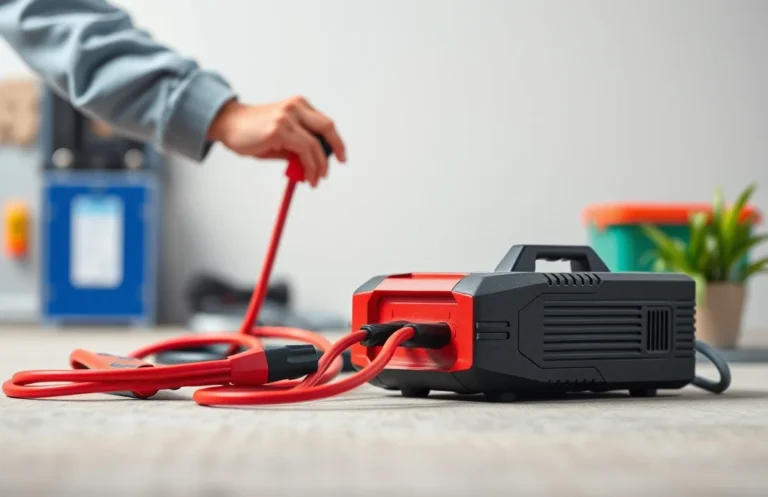
12V Automotive Battery Charger
A typical 12V automotive battery charger outputs roughly 13.6 to 14.8 volts during normal bulk charge, which is substantially higher than a 6V battery’s nominal 6.0 to 6.6 volt range. That voltage gap is the concrete reason people wonder whether a 12V charger can be safely used on a 6V battery without causing overcharge, heat, or damage.
Directly connecting a standard 12V charger to a single 6V lead-acid battery will expose the battery to excessive voltage unless the charger has a selectable 6V output or adjustable voltage control. Modern smart chargers often list supported voltages and chemistries on the label, and some include a 6V mode; always confirm the charger explicitly supports 6V before using it. If the charger only lists a fixed 12V output, do not attach it to a lone 6V battery because overvoltage will shorten life and can create safety hazards. When in doubt, choose a charger marketed for 6V batteries or use the manufacturer recommended charger for that battery type.
When to use it
For example, charging two identical 6V lead-acid batteries wired in series with a 12V charger is an accepted practice when the batteries are the same age, capacity, and chemistry and the charger matches the chemistry and charge profile. This avoids exposing a single 6V battery to excessive voltage, but it requires the batteries remain matched and wired correctly, and it still benefits from a smart charger that can regulate bulk, absorb, and float stages. If batteries are mismatched or you cannot confirm equal states of charge, use a proper single-battery 6V charger instead to avoid imbalance and premature failure.
Takeaway: do not use a fixed 12V automotive charger on a single 6V battery unless the charger explicitly supports a 6V mode; safer options are a dedicated 6V charger or charging matched 6V pairs in series with a proper 12V smart charger while monitoring temperature and state of charge.
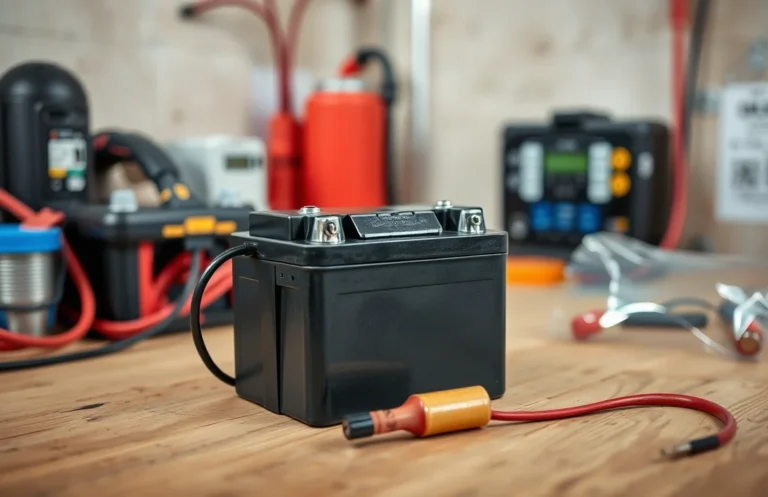
6V Lead‑Acid Charger
Because a 6 volt lead-acid battery normally needs a charging voltage near 6.8 to 7.2 volts, a 12 volt charger that outputs roughly 13.8 to 14.4 volts will supply far too high a voltage for a single 6V battery and can cause overcharge, heat, and gassing. That voltage mismatch is the primary reason this item appears in the list asking if you can charge a 6V battery with a 12V charger. Safe charging requires the charger output to match the battery nominal voltage and the correct multi-stage charging profile for lead-acid chemistry.
Use a dedicated 6V smart charger or a DC-DC step-down charger that provides a controlled 7V absorption and a lower float voltage for long storage. Check the battery amp hour rating and pick a charger whose output current is about 10 to 30 percent of the AH rating for typical safe charging speed. Beware of cheap unregulated 12V adapters that sit at 13+ volts with no current limit, they will overheat a 6V battery quickly.
For example, if you have a 20 AH 6V battery and a 2 amp charger, expect roughly 10 hours to move from low charge to full minus inefficiency; double the current and charging time halves but heat and gassing risks rise. Always monitor battery temperature and electrolyte level on flooded cells while charging, and stop if the case becomes very warm or fluid is bubbling aggressively.
Exceptions and safe methods
There are safe ways to use a 12V source indirectly, but they require proper equipment and attention, not improvisation. One common method is a DC-DC buck converter or a programmable power supply set to the 6.8 to 7.2 volt absorption range and with current limiting, so the battery never sees the full 12V. Charging two identical 6V batteries in series from a 12V smart charger can work only if both batteries are matched, at the same state of charge, and monitored during charging, because imbalance will cause one battery to overcharge while the other undercharges. If you are not using a converter or series pairing, do not connect a single 6V battery directly to a 12V charger, and avoid leaving any adapted setup unattended.
Takeaway: do not connect a single 6V lead-acid battery directly to a 12V charger. Either use a proper 6V charger, a regulated DC-DC converter with current limit, or pair batteries correctly and monitor temperature and voltage throughout charging.
DC‑DC Buck Converter
A DC‑DC buck converter can step 12 volts down to a regulated 6 volts while producing much less heat than a linear regulator, so it is useful when you want to charge a 6V battery from a 12V source without wasting power. It is effective only if you can set the correct charge voltage and limit the charge current to match the battery chemistry and capacity.
Choose a converter with an adjustable output voltage and either an adjustable current limit or an external current-control arrangement, and make sure the module rating exceeds the battery’s recommended charging current. Small hobby modules are compact and can sit inside an enclosure, but they need proper cooling if you push several amps for more than a few minutes. Always use a fuse on the input or output and good quality wiring, and verify the converter can hold a stable voltage under load.
When to use it
Use a buck converter when you have a 12V power source but need a controlled, lower voltage for a 6V battery and you can implement or monitor the correct charge profile. It is appropriate for occasional charging, maintenance charging, or when building a custom charging rig for small lead‑acid or NiMH packs, provided you can enforce bulk and float stages or CC-CV as required by the chemistry. If you cannot guarantee the proper voltage steps and current limits, or if the battery is lithium chemistry that needs precise charge termination, prefer a dedicated charger instead.
Takeaway: a DC‑DC buck converter can safely let you charge a 6V battery from 12V only if you set the right voltage, limit current, fuse the circuit, and monitor temperature or charge stages; otherwise use a charger made for that battery type.
Parallel Battery Adapter Harness
Connecting two identical 6V batteries in parallel keeps the voltage at 6V while roughly doubling amp-hour capacity, which is why a parallel battery adapter harness appears in this list about charging 6V batteries with a 12V charger. That concrete behavior matters because the voltage does not change when you wire in parallel, so a 12V charger remains inappropriate for a parallel 6V bank unless you change wiring or use a regulator.
For example, two 6V lead-acid deep-cycle batteries tied together with a parallel adapter act like one larger 6V battery and should be charged with a 6V charger at the correct amp-rate for the combined capacity. Typical harnesses use 10 to 14 AWG cable and SAE or ring terminals for battery posts; many are inexpensive and sold as ready-made leads for lawn tractors, RVs, and vintage vehicles. Always match capacity and state of charge, fit a properly rated fuse, and never mix chemistries or very old batteries in parallel.
When to use it
Use a parallel adapter when you want more amp-hours at 6V, for example to extend run time for a 6V lawn tractor or a set of vintage radio batteries, and when you will charge the bank with a proper 6V charger. Do not use a 12V charger on a parallel 6V pack, because the charger will try to push the bank toward higher voltages and can overheat, overcharge, or cause cell damage; if you need to charge from a 12V source, rewire the batteries in series to make 12V or install a DC-DC charger or step-down regulator that limits charging voltage for each 6V section. Also confirm batteries are matched in age and capacity before paralleling, and monitor temperature during the first charge cycle.
Takeaway: a parallel adapter keeps voltage at 6V and does not make a 6V battery safe to charge with a 12V charger. Either use the correct 6V charger, rewire batteries in series for a genuine 12V pack, or add proper voltage regulation and fusing before attempting to charge from a 12V source.
Smart Multi‑Stage Charger
Smart multi-stage chargers are essential for safely charging batteries with different voltage ratings, including 6 volt batteries. Using these chargers can prevent overcharging, overheating, and potential damage to the battery. They automatically adjust their output based on the battery’s needs, making them a practical choice for users who need to charge various battery types.
When considering whether to charge a 6 volt battery with a 12 volt charger, it is crucial to understand that a standard 12 volt charger can potentially damage a 6 volt battery if not designed for such use. Smart multi-stage chargers can accommodate both voltages, providing the correct output to avoid issues. For example:
When to use it
Using a smart multi-stage charger is ideal when you need flexibility in charging different types of batteries. If you frequently switch between 6 volt and 12 volt batteries, a smart charger can simplify the process, ensuring each battery receives the appropriate voltage. Additionally, these chargers often come with safety features like temperature monitoring and reverse polarity protection, which enhance charging safety and battery lifespan. This makes them a reliable choice for diverse charging needs.
In summary, while a 12 volt charger is not typically suitable for directly charging a 6 volt battery, a smart multi-stage charger can effectively and safely manage the process. Always verify your charger specifications to ensure compatibility with your battery type to prevent damage or safety hazards.
Adjustable DC Power Supply
Using an adjustable DC power supply can be an effective way to charge a 6-volt battery with a 12-volt charger, but it requires careful consideration. Many adjustable power supplies allow you to set the output voltage to match the battery’s requirements, making them versatile for different charging scenarios.
When using an adjustable DC power supply, it is crucial to set the output voltage to 6 volts before connecting the battery. This prevents overcharging and potential damage to the battery. Here are some features to look for:
For instance, a model like the Korad KA3005P allows for precise voltage and current control, which can be particularly useful for charging sensitive batteries. Always ensure that the power supply is set correctly to avoid overheating or damage to the battery.
When to use it
An adjustable DC power supply is ideal when you need to charge different types of batteries with varying voltage requirements or when you do not have a dedicated charger for your specific battery voltage. It is especially useful in repair shops or DIY projects where multiple battery types may be encountered. Moreover, having such a tool means you can fine-tune the charging process to enhance battery life and performance. However, it requires careful monitoring to ensure safe operation.
Always verify the compatibility of your battery with the charger settings to prevent any accidents. Taking the time to properly set your equipment can lead to more efficient charging and prolong the lifespan of your batteries.
Quick Summary
No, not without an adjustable charger set to 6 volts and proper current control, otherwise you risk overcharging damage.
Frequently Asked Questions
Can you charge a 6 volt battery with a 12 volt charger?
You can only do this safely if the charger is adjustable or explicitly supports 6V output, otherwise a standard 12V charger that delivers about 13.8 to 14.4 V will overcharge and damage a single 6V battery.
Can you charge 6 volt battery with 12 volt charger and expect it not to get hot or swell?
You should not expect that, because using higher voltage can cause overheating, gassing, and case swelling; stop charging if the battery temperature exceeds 50 degrees C or if you see bulging.
Can you charge 6 volt battery with 12 volt charger, how long will it take if done correctly?
You can charge a 6V battery safely only with a properly set 6V charger, and charging time is capacity divided by current, for example a 20 Ah battery charged at 2 A takes about 10 hours.
Can you charge 6 volt battery with 12 volt charger for emergency use or jump-starting?
You should avoid using a fixed 12V automotive charger on a single 6V battery unless the charger has a 6V mode or you put two 6V batteries in series, because a typical 12V charger outputs 13.8-14.4 V which will overcharge one 6V unit.
Can you charge 6 volt battery with 12 volt charger, what buying mistakes should I avoid?
You can avoid common mistakes by not buying a 12V-only charger, instead buy a charger that lists a 6V setting or adjustable output (for example 2 A to 10 A) and has voltage regulation and current limiting.

- Top 10 Best Solar Backup Batteries Austin 2026 - July 28, 2026
- Top 10 Best Solar Battery Charger For Rv 2026 - July 28, 2026
- Top 10 Best Solar Charger For Trolling Motor Battery 2026 - July 28, 2026