Can You Charge A Non Rechargeable Battery?
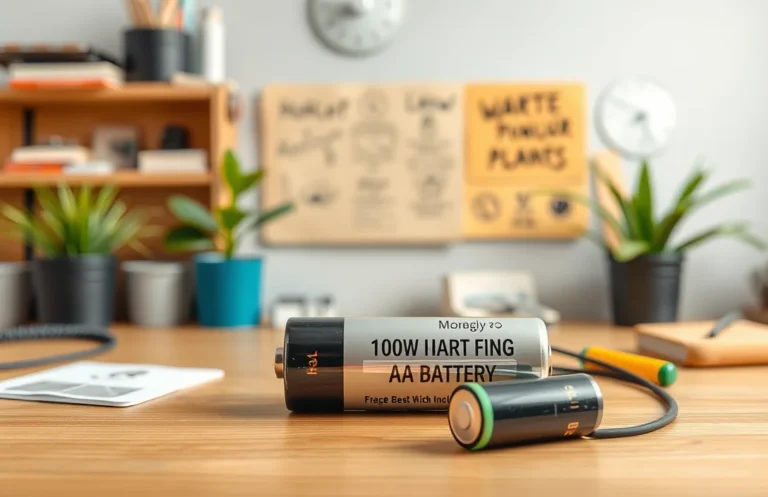
Most disposable batteries are built to be used once, not recharged, and trying to force current back into them is a safety gamble. The single spec that matters is the cell chemistry marking on the label. A common mistake is assuming any AA or coin cell can be topped up – first check for words like “Rechargeable”, “NiMH”, or IEC codes like LR6 versus HR6.

Can you charge a non rechargeable battery? No. Primary cells such as alkaline (nominal 1.5 V), zinc-carbon, zinc-air, and CR-series coin cells (3 V) are not designed for recharge; forcing current can cause heat, leakage, pressure venting, or fire. Occasional low-current top-up of alkalines is unreliable and risky.
Quick verdict & warning
No, do not try to recharge non-rechargeable (primary) batteries. Attempting to charge disposables can force chemical reactions they were not built to accept, which often produces heat, gas, leakage, swelling, rupture, or fire.
Primary cells are made so the discharge reaction proceeds in one direction and their electrodes, separators, and seals are not sized for repeated charge reversal. For many primary chemistries, putting current back in melts or degrades internal parts and creates pressure or hotspots that can vent or ignite.
| Chemistry | Label clues | Charge? (short) |
|---|---|---|
| Alkaline (AA, AAA – IEC LR6/LR03) | “Alkaline”, LR6, LR03 | Not recommended, low-current top-up sometimes attempted but risky |
| Primary lithium (CR, BR coin and cells) | CR2032, CR123A, BR | Do not charge, high danger of fire or explosion |
| Zinc-carbon / Zinc-chloride | “Zinc”, heavy wear markings | Do not charge |
| Rechargeable chemistries | NiMH, NiCd, Li-ion, marked “Rechargeable” | OK with the right charger |
Warning: if a battery is swollen, hot, leaking, or smoking, treat it as hazardous and keep people and pets away until it is safe or professionals arrive.
Chemistry comparison table
Short answer: generally no, you should not try to recharge batteries labeled non-rechargeable. Charging primary cells risks leakage, heating, venting, and rupture; only a few alkaline cells tolerate a cautious low-current top-up and even that is a compromise, not a safe routine.
| Chemistry | Nominal voltage (per cell) | Rechargeable? | Main risks if charged | Typical uses | Label clues |
|---|---|---|---|---|---|
| Alkaline (AA, AAA, 9V) | ~1.5 V | No (primary) | Heat, leakage, casing rupture, reduced capacity after partial charge | Remote controls, clocks, toys | Marked LR6, LR03, “alkaline”, rarely “rechargeable” |
| Zinc‑carbon | ~1.5 V | No (primary) | Leakage, casing failure, bad heat tolerance | Low-drain use, cheap disposables | Often “zinc carbon”, “R6” without “rechargeable” |
| Primary lithium (CR, BR coin, CR123A) | ~3.0 V (coins), ~3.0 V (CR123A) | No (primary) | Fire, explosion, thermal runaway if charged | Cameras, security devices, watches | CR2032, CR123A, BR prefix, “non-rechargeable” |
| Zinc‑air (hearing aid) | ~1.4 V | No (primary) | Rapid failure if sealed and charged, leakage | Hearing aids | Marked “zinc air”, vents, hearing-aid sizes |
| NiMH | ~1.2 V | Yes (secondary) | Overcharge causes heat, but modern chargers use delta-V or temp to stop | AA/AAA high-drain devices, cameras | Marked “NiMH”, “Rechargeable”, HR6 for AA |
| NiCd | ~1.2 V | Yes (secondary) | Memory effect if abused, overcharge causes heat/gas | Legacy tools, industrial | Marked “NiCd”, “Ni-Cd” |
| Li‑ion (18650, pouch) | ~3.6 – 3.7 V | Yes (secondary) | Overcharge can cause thermal runaway without proper protection | Power banks, laptops, flashlights | Marked Li-ion, cell model, protected/unprotected |
How to read the table: match nominal voltage and size to your device, and check whether the cell is labeled rechargeable. Some devices accept the slightly lower 1.2 V of NiMH in place of 1.5 V alkaline, but device manuals or markings will say if that swap is safe.
For example, charging an AA alkaline briefly at a very low current can sometimes restore a small amount of capacity, but that is not the same as safe cycling and may shorten life or cause leakage. By contrast, attempting to charge a CR2032 coin cell, CR123A, or zinc-air cell can cause fire or explosion because their chemistry and construction cannot accept reverse current.
What happens chemically
No, you should not charge non rechargeable, primary batteries. Attempting to recharge them forces chemical reactions that were not designed to reverse, producing heat, gas, seals failing, internal shorts, leakage, rupture, or fire.
Primary cells use chemical changes that are effectively one-way under normal conditions, while rechargeable, secondary cells use reactions that can be driven back by applying current. In a secondary cell the electrode materials and electrolyte support repeated plating and stripping or insertion and extraction of ions without destroying the active structure. In a primary cell the active materials change into products that block or damage the electrode structure when you try to reverse the reaction.
Alkaline and zinc‑carbon cells use zinc metal and manganese dioxide in a paste. Charging forces hydrogen gas to form at the zinc and inside the can, the paste and separators break down, zinc can convert to powder and lose mechanical integrity, and pressure builds until the cell leaks or bursts. Leakage is common, and the leaked alkali attacks device contacts and electronics.
Primary lithium cells like CR, BR, CR123A, and CR2032 have lithium metal or lithium compounds that are not plated safely back and they use organic electrolytes. Pushing current into them can cause local lithium plating, internal short circuits, rapid heating, venting, and thermal runaway, which can produce fire or explosion. Coin cells and small lithium primaries are especially hazardous because they have little headspace and can fail violently.
Zinc‑air and many button cells activate on exposure to air; their cathode chemistry is consumed as oxygen reacts. The active chemistry is air dependent and contaminated easily, so reversing current will not restore structure and will promote corrosion, leakage, and contamination that ruins the cell and the device.
| Chemistry | Why it is non-rechargeable | What happens if charged |
|---|---|---|
| Alkaline / Zinc‑carbon | Active materials irreversibly change and separators degrade | Hydrogen gas, swelling, leakage, reduced capacity, possible rupture |
| Primary lithium (CR/BR/CR123A/CR2032) | Lithium plating and organic electrolyte not tolerant of reverse current | Heat, internal short, venting, fire, explosion risk |
| Zinc‑air / Button cells | Air‑dependent cathode and contamination of active layers | Corrosion, leakage, ruined cell, device contamination |
Stop charging immediately if a cell gets hot, bulges, or leaks. Move it to a nonflammable surface, isolate it, and follow local battery disposal instructions.
For example, applying a tiny trickle to an old alkaline can sometimes restore a small voltage, but the recovered capacity is small, the cell can still fail unpredictably, and manufacturers do not guarantee safety. Chargers sold for “disposable” cells often use weak, timed currents that reduce but do not eliminate risk, and they can give a false sense of safety.
Identify rechargeable cells
You cannot safely charge non-rechargeable batteries, such as alkaline or zinc-carbon cells, because they are designed for single-use only. Attempting to recharge them can lead to leakage, venting, overheating, or even rupture due to the chemical reactions that occur within their construction.
To distinguish between rechargeable and non-rechargeable batteries, look for specific indicators:
Using a multimeter can provide additional confirmation:
Visual cues can also help identify rechargeable batteries:
Warning: Never attempt to recharge non-rechargeable batteries. The risks include severe overheating, leakage, and potential fire hazards.
Annotated diagrams or photographs can be beneficial to illustrate these differences. Suggested images might include:
By understanding these markers, you can avoid the dangers associated with charging non-rechargeable batteries and make informed choices when selecting batteries for your devices.
Borderline cases & myths
Charging non-rechargeable batteries is generally unsafe and not recommended. While some low-current “top-up” methods for alkaline batteries exist, they carry significant risks including leakage, overheating, and potential fire hazards. Attempting to recharge other primary chemistries like lithium and zinc-carbon is even more dangerous, often leading to catastrophic failures.
For instance, if you have a CR123A lithium battery, charging it can cause a violent reaction, including fire or explosion. Always check labels before attempting any form of charging.
When dealing with spent disposable batteries, proper disposal is essential. Many areas have recycling programs specifically for batteries to prevent environmental hazards. Store used batteries in a cool, dry place until you can dispose of them responsibly.
Charger features & compatibility
Charging non-rechargeable batteries is unsafe and not recommended. Primary batteries, like alkaline and lithium types, are designed for single use and can pose serious safety hazards if charged, including heat generation, leakage, and even fire.
Understanding the differences between rechargeable and non-rechargeable battery chemistries is essential for safe usage. Primary cells, such as alkaline (IEC code LR6), zinc-carbon, and primary lithium (CR2032), lack the necessary internal mechanisms to handle the charging process. Attempting to recharge these can lead to dangerous conditions.
Note that while some may suggest “trickle charging” of alkaline batteries, this method is fraught with risks and is not advisable for regular use. Always prioritize safety by recycling used primary batteries and opting for rechargeable alternatives where possible.
Alternatives, visuals & disposal
Charging a non-rechargeable battery is highly unsafe and not recommended. Attempting to recharge primary cells like alkaline, zinc-carbon, or lithium (CR/BR) can lead to overheating, leakage, or even explosion due to their chemical structure designed solely for single-use. Instead, consider using rechargeable batteries like NiMH for common sizes (AA/AAA) or protected Li-ion cells for high-drain devices.
For practical alternatives, here are recommended battery types and their uses:
Charger Shopping Checklist
When purchasing chargers, look for these essential features:
Disposal and Recycling
Spent disposable batteries should never be thrown in regular trash. Instead, store them safely until you can bring them to a local recycling program. Check for these symbols on batteries to identify proper disposal methods:
| Symbol | Description |
|---|---|
| ☢️ | Contains hazardous materials, do not dispose of in regular trash. |
| ♻️ | Recyclable materials; check local guidelines. |
Always check with local authorities for recycling locations and guidelines to ensure safe disposal of batteries.
For visuals, a flowchart titled ‘Can I Charge This?’ can help quickly identify whether a battery is rechargeable. Additionally, photos of swollen or leaking batteries with clear captions demonstrate potential hazards. Lastly, a printable quick-reference card can summarize key points on battery types, charger features, and disposal methods for easy access.
Quick Summary
You cannot charge a non-rechargeable battery safely, as it can lead to leaks or explosions.
Frequently Asked Questions
Can you charge a non-rechargeable AA or AAA battery?
You should not attempt to recharge disposable AA or AAA cells, they are primary cells with a nominal voltage of 1.5 V and are labeled “Do not recharge”, charging them risks leakage or rupture.
Will charging a non-rechargeable battery make it hot or dangerous?
Yes, charging a disposable cell can generate heat, swelling, or leakage, so stop immediately if the cell becomes warm to the touch or exceeds 60 degrees C, and dispose of it safely.
If I try to recharge a disposable battery, how much extra runtime will I get?
You should not try, but practical results are poor and unpredictable, often giving 0 reliable additional minutes of useful runtime and risking the battery and device.
Is there any safe method to recharge a non-rechargeable battery?
No safe, manufacturer-recommended method exists, you should only use cells labeled “Rechargeable” and check the chemistry and nominal voltage, for example 1.2 V for NiMH rechargeables.
What is a common buying mistake related to recharging batteries?
A common mistake is buying disposable batteries expecting to recharge them, non-rechargeable cells have 0 recommended recharge cycles, so buy labeled rechargeables if you need repeated use.

- Top 10 Best Solar Backup Batteries Austin 2026 - July 28, 2026
- Top 10 Best Solar Battery Charger For Rv 2026 - July 28, 2026
- Top 10 Best Solar Charger For Trolling Motor Battery 2026 - July 28, 2026