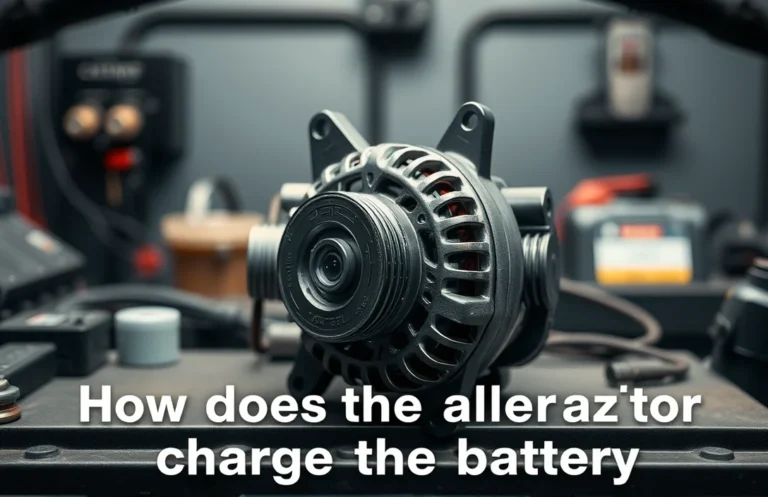
Can You Overcharge Car Battery?
Most car batteries are 12 volt lead-acid units and need tight voltage control, typically around 14.4 volts for bulk charging and 13.6 to 13.8 volts for float. The single spec that matters most is charge voltage, and a common mistake is leaving a high-voltage or manual charger connected for hours. First check the charger label or setting, confirm voltage and battery type.

Can you overcharge car battery? Yes, a 12 V lead-acid battery will overcharge if charging voltage exceeds roughly 15.0 V or if high charge current continues for several hours, causing gassing, heat, water loss, and permanent capacity damage; keep absorption near 14.4 V and float around 13.6-13.8 V.
Can you overcharge a car battery?
Yes, overcharging a car battery can occur, particularly with 12V lead-acid batteries. This happens when the battery receives too much voltage or current, leading to excessive gassing, heat, and potential damage.
Overcharging primarily applies to lead-acid batteries, including flooded, AGM, and gel types. These batteries are sensitive to voltage levels, and improper charging can significantly reduce their lifespan.
Common real-world causes of overcharging include:
For example, if you use a standard charger set for a different battery chemistry, the charger may not properly regulate the voltage, resulting in overcharge. It’s essential to use a charger designed for your specific battery type to prevent such issues.
Monitoring the charging process is crucial. Consider using a smart charger that automatically adjusts the voltage and current as needed. Regularly check the battery’s condition for signs of swelling, heat, or leakage, which indicate overcharging.
Charging stages for lead‑acid
Overcharging a car battery can occur if the charging process exceeds the appropriate voltage levels for too long, leading to detrimental effects on the battery’s health. Understanding the charging stages – bulk, absorption, float, and equalization – helps clarify how overcharging happens and its consequences.
The charging process for lead-acid batteries involves several stages, each with its specific voltage behavior:
Staying too long in any of these stages, particularly at high voltages, can lead to overcharging. Overcharging results in:
Understanding these stages and their associated risks is essential for maintaining the health and safety of a lead-acid battery, ensuring it operates effectively without the risk of overcharging.
Charger compatibility and settings
Yes, you can overcharge a 12 volt car battery if the applied charging voltage is too high or maintained too long, whether from a charger or a faulty alternator regulator. Using the correct charger profile, limiting charge current, and applying temperature compensation dramatically reduce that risk.
Smart chargers use multi-stage control (bulk, absorption, float, sometimes equalize) to stop high voltage once the battery is full, so they greatly cut the chance of overcharge. Dumb constant voltage chargers keep the voltage fixed, and if that voltage is above a safe float level they will keep pushing current and can boil off electrolyte or damage AGM and gel cells.
| Battery type | Typical bulk/absorb voltage (12V nominal) | Typical float voltage | Notes |
|---|---|---|---|
| Flooded (wet) | 14.2 to 14.8 V | 13.2 to 13.8 V | Tolerant of occasional equalization, needs water top-up. |
| AGM / VRLA | 14.4 to 14.8 V | 13.6 to 13.8 V | Sensitive to overvoltage, many chargers have an AGM setting. |
| Gel | 13.8 to 14.1 V | 13.2 to 13.6 V | Low overvoltage tolerance, always use a gel profile if available. |
Choose the charger profile that matches the battery chemistry printed on the battery case, and set the maximum charge current to a safe limit. If you do not know battery capacity, default to a low charge current (C/10 or lower) for overnight charging to avoid heat and gassing. Prefer chargers with temperature compensation for cars used in hot or cold climates.
Vehicle alternators and regulators also set charging voltage, typically around 13.8 to 14.6 V while running, and modern vehicles may vary that setpoint for emissions or start-stop systems. Charging a battery with an external charger while the engine is running can cause competing control loops and higher than expected voltages, so follow both the vehicle and charger manuals. If the regulator fails it can overvoltage the battery, so a battery that is being charged while the engine runs should be checked if voltages exceed safe ranges.
Safety: sustained voltages above the table ranges or repeated charging without a proper float stage will shorten battery life and can cause overheating, gassing, or permanent capacity loss; when in doubt pick the lower voltage/profile and monitor.
Signs you’re overcharging
Overcharging a car battery produces clear, measurable symptoms you can spot before the battery fails: excessive surface heat and hissing from the cell vents, visible swelling or case cracks with possible acid leakage, and a quick fall in electrolyte level with white, crusty corrosion around terminals. Catching these signs early lets you stop charging and limit permanent damage or cell failure.
Carry a basic multimeter, an infrared thermometer or a non-contact temp check, and, if the battery is serviceable, a hydrometer for specific gravity checks. Inspect batteries visually every time you charge and compare readings to the battery’s published charge and float specification to see if numbers are out of range.
For example, if you measure charge voltage that exceeds the spec and the top of the battery reads noticeably hotter than the engine block, and you see white crust at the terminals, those combined signs confirm overcharging rather than normal charging heat. Stop charging, ventilate the area, and move to inspection or replacement.
Safety note, never ignore visible swelling, leak, or ongoing venting; those are triggers for immediate shutdown of charging and battery removal from service. Verify specs in the vehicle or battery manual when in doubt, and treat repeated signs as a sign to replace the battery or repair the charging system.
Risks and hazards
Yes, you can overcharge a car battery, and the core harm is physical and chemical: overcharging drives water electrolysis that produces hydrogen and oxygen, raises cell temperature, and can cause gas venting, case rupture, acid spray, fire, or explosion. Those outcomes can cause severe chemical burns, blindness from splashes, vehicle fires, and permanent battery failure.
Overcharge causes hydrogen accumulation inside and around the battery, and hydrogen is highly flammable. Even a small spark near the battery terminals or charger can ignite the gas mixture, producing an explosion that fragments the case and throws hot acid and shrapnel.
Sulfuric acid from a flooded or cracked battery causes severe chemical burns and corrodes clothing and metal. Direct skin or eye contact can lead to permanent injury, so assume any visible leak is hazardous and avoid contact.
If the battery is hot, swollen, sparking, smoking, or leaking, follow emergency steps in order and do not improvise. Moving a boiling or venting battery can cause spills and should be left to professionals if you have any doubt about safety.
| What you see | Immediate risk | Right-now action |
|---|---|---|
| Rapid gassing or hissing | Hydrogen buildup, explosion risk | Ventilate, remove ignition sources, stop charging |
| Liquid on top or around battery | Acid burns, corrosion | Wear PPE, contain/neutralize small spills, call for help if large |
| Smoke, flames, or case rupture | Fire, shrapnel, toxic fumes | Evacuate, call emergency services, use dry chemical extinguisher if safe |
If a battery is boiling, leaking, or producing heavy fumes, treat it as a hazardous device: stop charging if safe, get people away, ventilate, and call professionals.
After immediate hazards are controlled, have the battery inspected or replaced and dispose of it per local hazardous waste rules; do not return a visibly damaged or vented battery to service. If you need to act now, choose safety over convenience and involve trained help when in doubt.
How to prevent overcharge
Yes, you can overcharge a car battery; the cure is control, not brute force. Use a multi-stage charger or maintainer that drops to a float current once the battery reaches the proper absorption voltage, and verify both set voltages and temperature compensation against the battery maker’s specs.
| Stage | Typical 12 V lead-acid range |
|---|---|
| Bulk/Absorption | 14.4 to 14.8 V (verify battery spec) |
| Float / Maintainer | 13.2 to 13.6 V |
| Equalize (flooded only) | 15.0 to 16.0 V, short duration only |
For example, when winterizing a car you should connect a temperature‑compensated maintainer set to the battery chemistry, leave it on float, and periodically check the battery voltage. This keeps capacity up without repeated absorption cycles that pump off water or stress sealed cells.
Troubleshooting and replacement
Yes, you can overcharge a car battery; sustained charging above the recommended voltage causes water loss, plate corrosion, and heat that permanently reduce capacity and can make the battery unsafe. Short, regulated charging cycles from a proper smart charger rarely cause classic overcharge, but repeated uncontrolled charging will shorten life and may require replacement.
For example, if a flooded battery reads 1.265 specific gravity on most cells when rested but one cell reads 1.150 and stays low after charging, that cell is sulfated or shorted and the whole battery should be replaced rather than attempting spot repairs.
Safe disposal and recycling are essential. Never discard lead-acid batteries in household trash; take them to a recycling center, auto parts store, or hazardous waste pickup. Transport batteries upright, avoid shorting the terminals, and rinse acid spills with baking soda solution and plenty of water while wearing protective gear.
Quick Summary
Yes, you can overcharge a car battery, but modern alternators and smart chargers usually prevent it unless equipment or battery fails.
Frequently Asked Questions
Can you overcharge a car battery with the wrong charger?
You can overcharge a car battery if the charger supplies too high a voltage or current; keep charging voltage at or below 14.4 V for most 12 V lead-acid charging stages and use a charger with auto float to prevent overcharge.
Can you overcharge a car battery and make it get hot?
You can cause the battery to heat from overcharging, and temperatures above 50 degrees C (122 degrees F) indicate serious overheating requiring you to stop charging and ventilate the area immediately.
How long can you charge a car battery before it becomes overcharged?
You can estimate time by charge rate, for example at C/10 (10% of amp-hour) a 50 Ah battery at 50% state of charge needs about ~5 hours to reach full, charging much longer or at much higher current increases overcharge risk.
Can overcharging a sealed AGM or lithium car battery be dangerous?
You can create hazardous conditions, for lead-acid sustained voltage above 14.6 to 14.8 V causes gassing and water loss, and for lithium packs exceeding the manufacturer’s max cell voltage can cause thermal runaway, so follow the pack’s stated max voltage.
Can you overcharge a car battery, and how do you avoid buying the wrong charger?
You can avoid overcharging by buying a charger that matches the battery chemistry and has float/maintenance mode, and choose a charger with max current at or below 10% of the battery’s amp-hour rating so the charger does not supply excessive charge current.
Frequently Asked Questions
Can you overcharge a car battery with the wrong charger?
You can overcharge a car battery if the charger supplies too high a voltage or current; keep charging voltage at or below 14.4 V for most 12 V lead-acid charging stages and use a charger with auto float to prevent overcharge.
Can you overcharge a car battery and make it get hot?
You can cause the battery to heat from overcharging, and temperatures above 50 degrees C (122 degrees F) indicate serious overheating requiring you to stop charging and ventilate the area immediately.
How long can you charge a car battery before it becomes overcharged?
You can estimate time by charge rate, for example at C/10 (10% of amp-hour) a 50 Ah battery at 50% state of charge needs about ~5 hours to reach full, charging much longer or at much higher current increases overcharge risk.
Can overcharging a sealed AGM or lithium car battery be dangerous?
You can create hazardous conditions, for lead-acid sustained voltage above 14.6 to 14.8 V causes gassing and water loss, and for lithium packs exceeding the manufacturer’s max cell voltage can cause thermal runaway, so follow the pack’s stated max voltage.
Can you overcharge a car battery, and how do you avoid buying the wrong charger?
You can avoid overcharging by buying a charger that matches the battery chemistry and has float/maintenance mode, and choose a charger with max current at or below 10% of the battery’s amp-hour rating so the charger does not supply excessive charge current.
Frequently Asked Questions
Can you overcharge a car battery with the wrong charger?
You can overcharge a car battery if the charger supplies too high a voltage or current; keep charging voltage at or below 14.4 V for most 12 V lead-acid charging stages and use a charger with auto float to prevent overcharge.
Can you overcharge a car battery and make it get hot?
You can cause the battery to heat from overcharging, and temperatures above 50 degrees C (122 degrees F) indicate serious overheating requiring you to stop charging and ventilate the area immediately.
How long can you charge a car battery before it becomes overcharged?
You can estimate time by charge rate, for example at C/10 (10% of amp-hour) a 50 Ah battery at 50% state of charge needs about ~5 hours to reach full, charging much longer or at much higher current increases overcharge risk.
Can overcharging a sealed AGM or lithium car battery be dangerous?
You can create hazardous conditions, for lead-acid sustained voltage above 14.6 to 14.8 V causes gassing and water loss, and for lithium packs exceeding the manufacturer’s max cell voltage can cause thermal runaway, so follow the pack’s stated max voltage.
Can you overcharge a car battery, and how do you avoid buying the wrong charger?
You can avoid overcharging by buying a charger that matches the battery chemistry and has float/maintenance mode, and choose a charger with max current at or below 10% of the battery’s amp-hour rating so the charger does not supply excessive charge current.
Frequently Asked Questions
Can you overcharge a car battery with the wrong charger?
You can overcharge a car battery if the charger supplies too high a voltage or current; keep charging voltage at or below 14.4 V for most 12 V lead-acid charging stages and use a charger with auto float to prevent overcharge.
Can you overcharge a car battery and make it get hot?
You can cause the battery to heat from overcharging, and temperatures above 50 degrees C (122 degrees F) indicate serious overheating requiring you to stop charging and ventilate the area immediately.
How long can you charge a car battery before it becomes overcharged?
You can estimate time by charge rate, for example at C/10 (10% of amp-hour) a 50 Ah battery at 50% state of charge needs about ~5 hours to reach full, charging much longer or at much higher current increases overcharge risk.
Can overcharging a sealed AGM or lithium car battery be dangerous?
You can create hazardous conditions, for lead-acid sustained voltage above 14.6 to 14.8 V causes gassing and water loss, and for lithium packs exceeding the manufacturer’s max cell voltage can cause thermal runaway, so follow the pack’s stated max voltage.
Can you overcharge a car battery, and how do you avoid buying the wrong charger?
You can avoid overcharging by buying a charger that matches the battery chemistry and has float/maintenance mode, and choose a charger with max current at or below 10% of the battery’s amp-hour rating so the charger does not supply excessive charge current.
Frequently Asked Questions
Can you overcharge a car battery with the wrong charger?
You can overcharge a car battery if the charger supplies too high a voltage or current; keep charging voltage at or below 14.4 V for most 12 V lead-acid charging stages and use a charger with auto float to prevent overcharge.
Can you overcharge a car battery and make it get hot?
You can cause the battery to heat from overcharging, and temperatures above 50 degrees C (122 degrees F) indicate serious overheating requiring you to stop charging and ventilate the area immediately.
How long can you charge a car battery before it becomes overcharged?
You can estimate time by charge rate, for example at C/10 (10% of amp-hour) a 50 Ah battery at 50% state of charge needs about ~5 hours to reach full, charging much longer or at much higher current increases overcharge risk.
Can overcharging a sealed AGM or lithium car battery be dangerous?
You can create hazardous conditions, for lead-acid sustained voltage above 14.6 to 14.8 V causes gassing and water loss, and for lithium packs exceeding the manufacturer’s max cell voltage can cause thermal runaway, so follow the pack’s stated max voltage.
Can you overcharge a car battery, and how do you avoid buying the wrong charger?
You can avoid overcharging by buying a charger that matches the battery chemistry and has float/maintenance mode, and choose a charger with max current at or below 10% of the battery’s amp-hour rating so the charger does not supply excessive charge current.

- Top 10 Best Solar Backup Batteries Austin 2026 - July 28, 2026
- Top 10 Best Solar Battery Charger For Rv 2026 - July 28, 2026
- Top 10 Best Solar Charger For Trolling Motor Battery 2026 - July 28, 2026