Car Battery Lifespan in Texas: Factors Affecting Durability and Per…
Understanding how long your car battery lasts in Texas is essential for any proactive vehicle owner. The hot Texas climate can significantly affect battery performance and lifespan, making it crucial to stay informed about maintenance and replacement needs to avoid unexpected breakdowns.
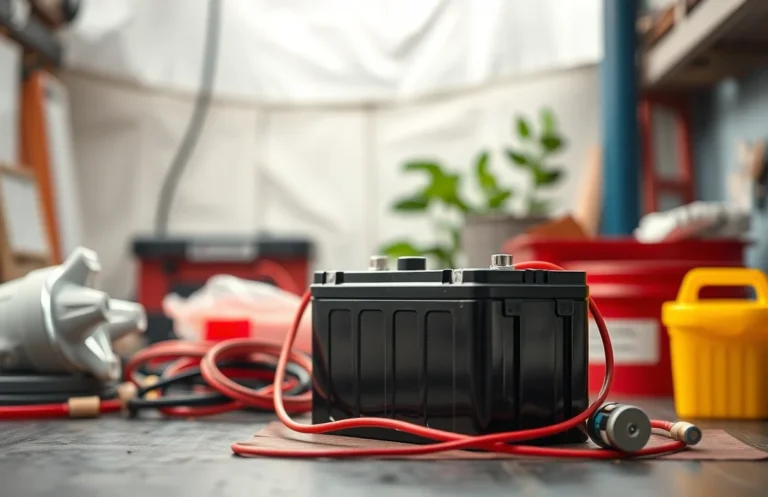
In Texas, car batteries typically last 3 to 5 years, with heat being a major factor in battery wear. Regular checks can help ensure your battery performs well and is replaced on time to avoid issues down the road.
Typical Battery Lifespan in Texas
The lifespan of car batteries in Texas typically ranges between three to five years, influenced heavily by the state’s extreme climate. High temperatures, especially during the summer months, can significantly reduce battery efficiency and lifespan. Understanding how these conditions affect your battery will help you plan for timely replacements and avoid unexpected failures.
In Texas, the intense heat causes the electrolyte solution in batteries to evaporate faster, leading to a condition known as sulfation. This process can create lead sulfate crystals that hinder the battery’s ability to hold a charge. Conversely, during cooler months, while temperatures are less harsh, the overall lifespan still trends shorter compared to cooler climates. Regular maintenance, such as checking the battery terminals for corrosion and ensuring a good charge, can help extend its life.
To effectively manage your battery’s lifespan, consider having it tested annually, especially as it approaches the three-year mark. This proactive approach allows you to address any issues before they become critical, ensuring reliable starting power and performance throughout the year.
Impact of Heat on Batteries
High temperatures significantly affect car battery performance and lifespan, especially in Texas where the heat can be extreme. Understanding how heat impacts your battery can help you take proactive measures to extend its life and avoid unexpected failures.
- Accelerated Chemical Reactions: Heat speeds up the chemical reactions inside the battery, which can lead to a faster discharge rate. This means your battery may drain more quickly than expected, especially during hot summer months.
- Increased Sulfation: Higher temperatures can lead to increased sulfation, where lead sulfate crystals form on the battery plates. This can reduce the battery’s ability to hold a charge, ultimately shortening its lifespan.
- Evaporation of Electrolyte: Excessive heat can cause the electrolyte fluid in the battery to evaporate. If this happens, it can lead to damage and may require you to replace the battery sooner than you would like.
- Internal Resistance: Heat can increase the internal resistance of the battery, making it harder for it to deliver power efficiently. This can affect starting performance and overall reliability.
To mitigate these effects, consider checking your battery regularly and maintaining it properly, especially during hotter months. Keeping your vehicle in shaded areas or garages when possible can also help protect the battery from extreme temperatures.
Role of Humidity in Battery Durability
Humidity levels can significantly influence car battery performance and lifespan. In Texas, where the climate can vary between dry heat and high humidity, understanding how these conditions affect your battery is crucial for planning its longevity. High humidity can lead to increased corrosion and reduced battery efficiency, causing premature failure.
- Corrosion Risk: High humidity can accelerate corrosion on battery terminals and internal components. This corrosion can create poor connections, leading to starting issues and reduced power output. Regularly check and clean battery terminals to prevent this.
- Evaporation of Electrolyte: In humid conditions, while the battery may not lose water to evaporation as quickly as in dry heat, it can still affect the electrolyte balance. Maintaining the correct electrolyte level is essential for optimal performance.
- Temperature Fluctuations: Humidity often accompanies temperature changes. Rapid temperature swings can put additional stress on the battery, leading to shorter lifespans. Monitor your battery’s health and consider replacements earlier if you notice performance issues.
By understanding how humidity impacts battery health, you can take proactive measures to extend its lifespan and avoid unexpected failures.
Driving Habits and Battery Life
Your driving habits significantly influence how long your battery lasts in Texas. Frequent short trips, common for many drivers, can prevent your battery from fully charging. This is especially true in hot climates where the battery works harder to power the vehicle’s systems. Over time, this can lead to reduced battery performance and a shorter lifespan.
For instance, if you typically drive less than 10 miles per trip, your battery may not reach a full charge. In Texas heat, this undercharging can accelerate the degradation of the battery. Consider incorporating longer drives occasionally to allow the battery to recharge fully. Additionally, consistent use of accessories like air conditioning or charging devices can strain the battery, further reducing its life expectancy. Proactive maintenance, such as regular checks and ensuring your battery is clean and free of corrosion, can also help mitigate these effects.
Seasonal Considerations in Texas
The Texas climate presents unique challenges for car batteries throughout the year. Understanding how seasonal changes impact battery performance can help you anticipate issues and extend its lifespan. Here’s how each season affects your battery:
- Summer: High temperatures can accelerate battery fluid evaporation and increase the risk of sulfation, which shortens lifespan. Check the battery regularly and consider using a battery blanket or shade during extreme heat.
- Fall: As temperatures begin to drop, it’s a good time to test your battery’s charge and replace it if necessary. Many people forget about their batteries during cooler months, but they can still fail due to heat damage sustained in summer.
- Winter: Cold weather can significantly reduce battery capacity. Ensure your battery is fully charged, as a weak battery may not start your vehicle on a chilly morning. A battery heater can be beneficial in particularly cold areas.
- Spring: This season is ideal for maintenance checks. Clean any corrosion from terminals and check connections. As temperatures rise, ensure your battery fluid levels are adequate to avoid damage.
By staying aware of these seasonal effects, you can better plan for battery maintenance and replacement, ensuring reliable performance throughout the year.
Maintenance Tips for Longevity
Regular maintenance significantly impacts the lifespan of your vehicle’s battery, especially in Texas’s extreme climate. By following simple care routines, you can help ensure your battery remains reliable and functions effectively for as long as possible. Here are some practical maintenance tips that can help extend battery life.
Keep your battery clean and free of corrosion. Dirt and corrosion can create resistance that affects performance. Check the battery terminals regularly for white, chalky buildup, which is a sign of corrosion. If you find any, disconnect the battery (starting with the negative terminal), and clean the terminals with a mixture of baking soda and water using a wire brush. Rinse with water and dry thoroughly before reconnecting. Additionally, ensure that the battery is securely mounted in its tray. Vibration can cause damage over time, so if you notice any movement, address it promptly.
Consider using a battery maintainer if your vehicle sits unused for extended periods. This tool keeps the battery charged without overcharging it, which can be especially beneficial during the hotter months when heat can accelerate battery degradation. By implementing these maintenance practices, you’ll be better equipped to maximize the lifespan of your battery in the Texas climate.
Signs Your Battery Needs Replacement
Recognizing the signs that indicate your battery needs replacement is crucial, especially in the extreme Texas climate. High temperatures can accelerate battery wear, making it essential to be vigilant. Here are some clear indicators to watch for that suggest it’s time to replace your battery.
One of the most common signs is a slow engine crank when starting your vehicle. If you notice that your engine takes longer than usual to start, it could mean your battery is losing its ability to hold a charge. Additionally, if your dashboard warning light for the battery illuminates, this is a direct signal that something may be wrong.
Physical signs of battery wear are also important. Look for corrosion on battery terminals or a bulging battery case, which can occur due to heat exposure. If your battery is older than three to five years, it’s wise to have it tested regularly, as batteries naturally degrade over time. Lastly, if you find that your electrical components, like headlights or radio, are dimming or malfunctioning, this could indicate a failing battery.
By keeping an eye out for these signs, you can proactively replace your battery before a total failure occurs, ensuring reliable performance in Texas’s challenging climate.
Quick Summary
- The average lifespan of a car battery in Texas is typically 3 to 5 years.
- Extreme heat in Texas can accelerate battery deterioration.
- Regular maintenance and inspection can extend battery life.
- Driving habits and frequency of use also impact battery longevity.
- Consider seasonal checks, especially before summer and winter.
- Using a battery with a higher cold cranking amps (CCA) rating can improve performance in Texas heat.
- Signs of a failing battery include slow engine crank, dim lights, and dashboard warning lights.
Frequently Asked Questions
How long does a car battery typically last in Texas?
In Texas, a car battery usually lasts between 3 to 5 years, depending on various factors such as usage, maintenance, and climate. The hot and humid conditions in Texas can accelerate battery wear, so regular checks are essential.
How does Texas heat affect my car battery’s lifespan?
The high temperatures in Texas can cause the battery fluid to evaporate, leading to internal damage and a reduced lifespan. It’s important to keep your battery clean and ensure that it is well-maintained to mitigate these effects.
What signs indicate that my car battery needs to be replaced?
Common signs that your battery may need replacing include slow engine cranking, dim headlights, and a check engine light. If you notice any of these symptoms, it’s advisable to have your battery tested as soon as possible.
How can I extend the life of my car battery in Texas?
To extend your battery’s life, ensure regular maintenance, such as cleaning terminals and checking the charge level. Parking in shaded or cooler areas and avoiding short trips can also help reduce strain on the battery.
When is the best time to replace my car battery in Texas?
It’s ideal to replace your car battery before the extreme heat of summer or the cold of winter. Consider getting a new battery every 3 years as a preventive measure, especially if you notice any performance issues or if your battery is nearing the 5-year mark.

- How to Jump-Start a Motorcycle with a Car Battery Safely - February 22, 2026
- Does Life360 Really Drain Your Battery? What You Should Know - February 22, 2026
- Do Hardwired Smoke Detectors Need Batteries for Backup Support? - February 22, 2026