How Long Do AAA Batteries Last Under Typical Usage Conditions?
If you’ve ever wondered how long AAA batteries last, you’re not alone. Many of us rely on these small power sources for everyday devices, but the lifespan can vary significantly. Understanding their longevity can help you make informed choices about your battery needs.
AAA batteries typically last between 3 to 10 hours in continuous use, depending on the device and usage patterns. Factors such as temperature and storage conditions also impact their lifespan, so it’s essential to consider these elements.
Average Lifespan of AAA Batteries
Recommended Products

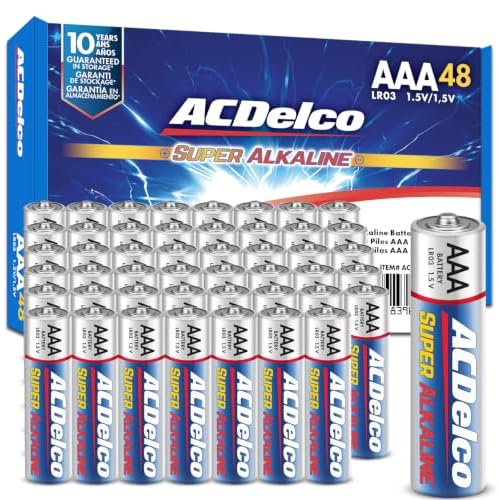
The lifespan of AAA batteries can vary significantly based on their type and the devices they power. On average, alkaline AAA batteries typically last anywhere from 5 to 10 hours in high-drain devices, such as digital cameras or motorized toys. In contrast, when used in low-drain devices like remote controls or clocks, these batteries can last several days or even weeks.
Rechargeable AAA batteries, such as NiMH (Nickel-Metal Hydride), usually have a shorter runtime per charge, often lasting between 2 to 6 hours in high-drain applications, but they can be recharged hundreds of times, making them a cost-effective and environmentally friendly option. It’s essential to consider the specific usage conditions and the power demands of your devices to get a more accurate estimate of how long batteries will last in your situation.
When people ask how long will the aaa batteries last unused, the answer depends on the battery chemistry and storage conditions. In general, fresh alkaline AAA batteries can sit on standby for several years before losing much capacity, while lithium AAA batteries often last even longer in storage. A practical aaa battery lifespan for unused batteries is often 5 to 10 years for quality alkaline cells, and sometimes more for premium brands, as long as they are kept in a cool, dry place. Heat, humidity, and exposure to metal objects can shorten shelf life, so batteries stored in a drawer near appliances or in a hot garage may not last as long.
For the best results, keep AAA batteries in their original packaging until needed and avoid mixing old and new cells. Fresh AAA batteries can last for years if stored properly, but it is still important to check the expiration date before use, since capacity can decline gradually even when the batteries are not installed. If you want reliable standby performance for remotes, clocks, or emergency devices, rotate stock and use the oldest batteries first. That simple habit helps preserve the expected aaa battery lifespan and reduces the chance of leaks or weak performance later on.
Factors Affecting Battery Life
Recommended Products
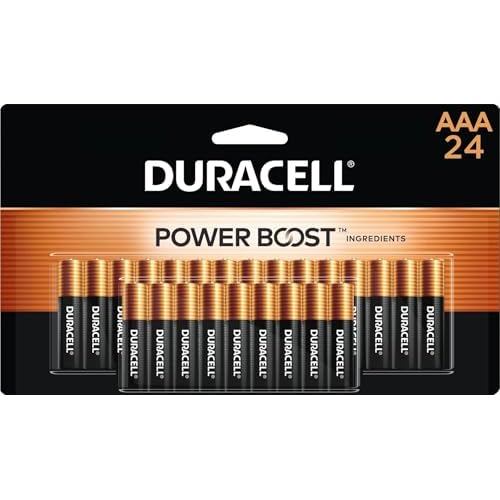
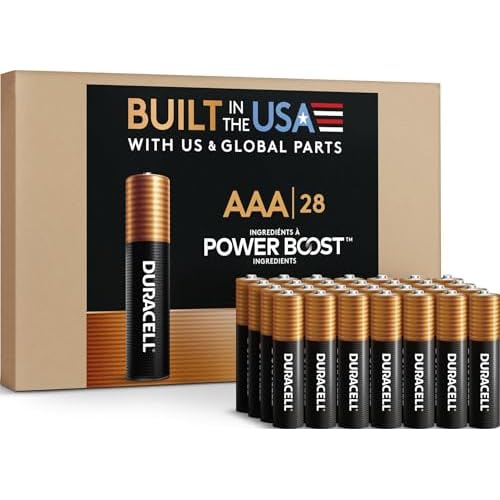
The lifespan of AAA batteries can vary significantly based on several conditions. Understanding these factors helps manage expectations regarding how long they will last in your devices. Here are the key elements that can influence battery duration.
Temperature: Batteries perform best at room temperature. Extreme cold can slow down chemical reactions, reducing the battery’s ability to produce power. Conversely, high temperatures can lead to faster battery degradation and leakage.
Discharge Rate: The speed at which a battery discharges its energy also affects its life. High-drain devices like digital cameras or toys that require a lot of power will deplete batteries more quickly than low-drain devices such as remote controls.
Storage Conditions: If batteries are stored improperly, their lifespan can diminish. Keeping them in a cool, dry place, away from direct sunlight, can help maintain their charge until you need to use them.
Age of the Battery: Batteries have a shelf life, which means that even unused batteries will lose capacity over time. It’s advisable to check the expiration date and choose fresh batteries for optimal performance.
The shelf life of AAA batteries is influenced by storage conditions as much as by the battery chemistry itself. In general, cool, dry storage helps preserve capacity, while high temperatures can accelerate self-discharge and shorten usable life. Humidity is also important: damp environments can corrode the battery terminals or packaging, which may reduce performance before the batteries are even installed. If you’re wondering how much time does aaa battery shelf life usually cover, many alkaline AAA batteries can remain usable for several years when stored properly, but that window can shrink noticeably in hot garages, bathrooms, or other humid spaces.
Once installed, the battery life of a fresh pair of aaa batteries be expected to last on standby depends heavily on the device’s power draw. In low-drain products like TV remotes, clocks, or wireless sensors, a fresh pair may last months or even longer on standby because the batteries are only supplying tiny intermittent loads. In higher-drain devices such as toys, flashlights, and portable game controllers, standby time is much shorter, and frequent bursts of power can make the batteries seem to “die” quickly. Choosing the right device matters because a pair that performs well in a remote may be a poor fit for electronics that stay active or wake often.
Usage Scenarios for AAA Batteries
Recommended Products


Different devices have varying energy requirements, significantly impacting how long AAA batteries last. Understanding these scenarios can help you gauge battery performance and plan replacements effectively.
Common devices powered by AAA batteries include remote controls, digital cameras, flashlights, portable gaming consoles, and wireless computer mice. Each of these devices consumes power at different rates, leading to varying battery lifespans.
For instance, a typical remote control may last several months to a year, depending on usage. In contrast, a digital camera can drain batteries within a few hours, especially when using features like flash or continuous shooting. Flashlights can offer longer life, averaging several hours of continuous use, while gaming consoles may require more frequent battery changes due to ongoing gameplay. Wireless mice generally provide a good balance, lasting several weeks to months based on activity levels.
Battery Types and Lifespan Comparison
Recommended Products


Understanding the lifespan of different AAA battery types is essential for making informed choices. Alkaline, lithium, and rechargeable batteries each offer unique advantages and varying durations of use based on their chemistry and design. Below is a comparison of these three common types.
| Battery Type | Typical Lifespan | Usage Suitability |
|---|---|---|
| Alkaline | 5-10 years (in storage), 1-3 months (active use) | Standard devices like remotes and clocks |
| Lithium | 10-15 years (in storage), 2-3 years (active use) | High-drain devices such as cameras and flashlights |
| Rechargeable (NiMH) | 2-5 years (with regular charging) | Devices used frequently, like game controllers |
Alkaline batteries are budget-friendly and suitable for low-drain applications. Lithium options last longer in both storage and active use, making them ideal for high-drain devices. Rechargeable NiMH batteries provide a sustainable choice, but their lifespan depends on the frequency of charging cycles. Selecting the right battery type can significantly impact performance and longevity.
Storage Conditions and Battery Life
Storage conditions significantly impact the longevity of AAA batteries. Proper storage can prevent premature depletion and maintain optimal performance. Understanding how to store batteries correctly can enhance their lifespan and ensure that they last longer when needed.
- Temperature: Store batteries in a cool, dry place, ideally between 15°C to 25°C (59°F to 77°F). Extreme temperatures can cause batteries to degrade faster.
- Humidity: Keep batteries away from humid environments. Moisture can lead to corrosion and damage the battery terminals, reducing their effectiveness.
- Original Packaging: If possible, keep batteries in their original packaging until use. This helps protect them from short-circuiting and physical damage.
- Separation: Store batteries separately from metal objects, such as coins or keys, to avoid contact that can cause short circuits.
- Expiration Dates: Check expiration dates and use older batteries first. Batteries can lose charge over time, even if unused.
Signs of Battery Depletion
Recommended Products


Recognizing the signs of battery depletion can help you avoid unexpected interruptions in device performance. AAA batteries may not provide a clear indicator of when they are running low, but several symptoms can alert you to their diminishing power. Being aware of these signs can ensure you replace them before they completely fail.
Common indicators of low battery include:
- Dimmed Performance: If your device’s output is noticeably weaker than usual, it may be a sign that the batteries are losing their charge.
- Delayed Response: A noticeable lag in device operation can indicate that the batteries are struggling to provide sufficient power.
- Frequent Interruptions: If your device shuts off intermittently or requires frequent resets, it may be time to check the battery status.
- Corrosion: Physical signs such as leakage or corrosion around the battery terminals often suggest that the battery is no longer functioning well.
By paying attention to these signs, you can anticipate battery needs and maintain optimal performance in your devices, ensuring they last as long as possible under typical usage conditions.
Maximizing AAA Battery Life
Extending the life of AAA batteries can significantly enhance their performance and reduce the frequency of replacements. By implementing a few practical strategies, you can ensure that your batteries last longer in devices, ultimately saving you time and money. Here are some effective tips:
- Turn Off Devices: Always switch off devices when not in use to prevent unnecessary battery drain.
- Use Energy-Efficient Devices: Opt for gadgets that are designed to consume less power. Look for products with energy-saving features.
- Store Properly: Keep batteries in a cool, dry place to avoid temperature-related degradation. High heat can reduce their lifespan.
- Remove Batteries: If a device will not be used for an extended period, remove the batteries to prevent leakage and corrosion.
- Regular Maintenance: Clean battery contacts on devices to ensure a good connection, as dirt and corrosion can impede performance.
- Rechargeable Alternatives: Consider using rechargeable AAA batteries, which can be used repeatedly and are more environmentally friendly.
Quick Summary
- AAA batteries typically last anywhere from 3 to 10 hours in high-drain devices, depending on usage.
- In low-drain devices, such as remote controls, AAA batteries can last several months to years.
- Battery life is influenced by factors like temperature, device type, and battery quality.
- Rechargeable AAA batteries can be used multiple times, offering a cost-effective and environmentally friendly option.
- Standard alkaline AAA batteries tend to have a longer shelf life compared to rechargeable ones when not in use.
- Regularly check and replace batteries in devices to ensure optimal performance.
- Using energy-efficient devices can significantly extend the life of AAA batteries.
Frequently Asked Questions
How long does a typical AAA battery last?
The lifespan of a typical AAA battery can vary depending on the device it’s used in and the energy consumption of that device. On average, alkaline AAA batteries can last anywhere from 5 to 10 hours in high-drain devices, while they can last several months in low-drain devices.
What factors affect the lifespan of AAA batteries?
Several factors can influence how long AAA batteries last, including the type of battery (alkaline, lithium, or rechargeable), the temperature of the environment, and the power requirements of the device they’re used in. Higher temperatures can reduce battery life, while colder temperatures may temporarily decrease performance.
How do I know when my AAA battery is running low?
Many devices have indicators that will alert you when the battery is low, but you can also notice signs like reduced performance or slower operation. For devices without indicators, it may be helpful to keep track of usage and replace batteries periodically to ensure optimal performance.
Can I extend the lifespan of my AAA batteries?
Yes, you can extend the lifespan of AAA batteries by storing them in a cool, dry place and avoiding exposure to extreme temperatures. Additionally, using devices that are designed to be energy-efficient can also help prolong battery life.
Are rechargeable AAA batteries worth it?
Rechargeable AAA batteries can be a cost-effective and environmentally friendly choice in the long run. Although their upfront cost is higher, they can be recharged hundreds of times, reducing waste and providing savings over time compared to single-use batteries.
Frequently Asked Questions
How long do AAA batteries last when unused?
When stored unused, AAA batteries can last anywhere from 3 to 10 years, depending on the chemistry and storage conditions. Alkaline AAA batteries typically have a shelf life of about 5 to 10 years, while rechargeable NiMH AAA batteries usually self-discharge faster and may need recharging after several months. To maximize how long will the aaa batteries last unused, keep them in a cool, dry place and away from heat, humidity, and metal objects that could cause shorting.
What is the average lifespan of AAA batteries?
The average life span of aaa battery use depends heavily on the device. In low-drain devices like remote controls, clocks, or wireless mice, alkaline AAA batteries may last several months to over a year. In higher-drain devices such as toys, flashlights, or game controllers, they may last only days or weeks. Rechargeable AAA batteries often provide fewer hours per charge than alkalines, but they can be reused hundreds of times, making their overall service life much longer.
How long does a fresh pair of AAA batteries last on standby?
The battery life of a fresh pair of aaa batteries be expected to last on standby can range from several months to a few years, depending on the device’s standby power draw. In very low-power electronics, a fresh pair of alkaline AAA batteries may stay usable for 1 to 3 years on standby. Devices with higher background drain can shorten that to a few months. Even when a device is “off,” small current draw can slowly reduce battery capacity over time.

- 10 Best Battery For Generator Battery Safety Option 2026 - October 12, 2026
- 10 Best Battery For Generator Battery Safety 2026 - October 12, 2026
- 10 Best Battery For Generator Battery Rv Upgrade 2026 - October 12, 2026