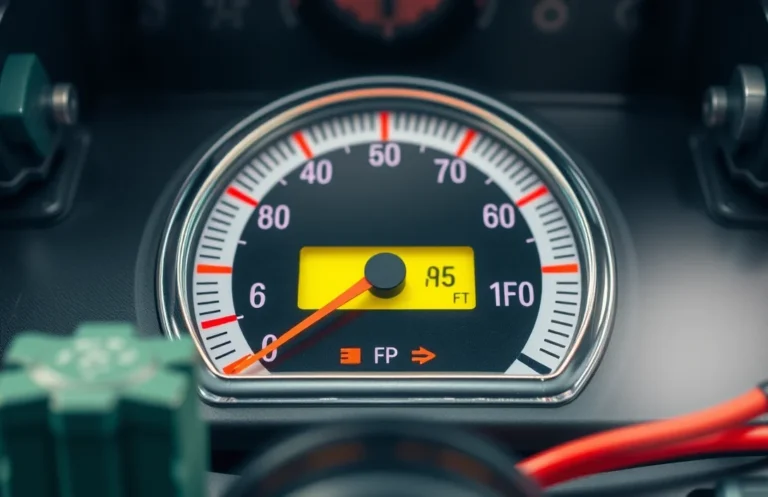
Does Revving Car Charge Battery?
Revving the engine might feel like a quick fix, but it is not a reliable way to recharge a weak or dead battery. The spec that matters most is the charging voltage, typically around 13.8 to 14.6 volts. A common mistake is thinking a few blips of throttle will restore full capacity, so check battery voltage first.

Revving a car raises alternator output and can add charge, but it will not fully recharge a deeply discharged battery quickly; expect charging voltage near 13.8 to 14.6 volts, and plan on 15 to 30 minutes of steady driving to regain usable charge.
Does Revving Charge Battery?
Yes, revving the engine can increase alternator output and raise the charging current, so it can help recharge a partially discharged battery while the engine runs. It will not permanently fix a dead, sulfated, or physically damaged battery, and any benefit often disappears once the engine is off.
Revving increases engine speed, which usually raises the alternator’s electrical output until the vehicle’s voltage regulator limits it. If the alternator, belt, and wiring are healthy, a short increase in RPM can push more current into a weak but otherwise serviceable battery and recover some lost voltage.
For example, if you left the lights on and the battery is only mildly drained, revving the engine while driving or after a jump start can restore enough charge to start the car again and top off the battery during the trip. The effect is temporary if the battery has internal damage or if parasitic loads remain high.
In practice, if the battery fails because of age, corrosion, or cell damage, revving will not produce meaningful long-term recovery, and repeated attempts can strain the starter, alternator, and belt.
| Situation | Will Revving Help? | Why |
|---|---|---|
| Mildly drained after lights left on | Often yes | Alternator can supply enough current to restore charge during driving |
| High parasitic loads or very short idles | Limited help | Revving offsets loads temporarily but does not keep battery topped off |
| Battery age, sulfation, or internal damage | No | Battery cannot accept charge properly, requires service or replacement |
| Faulty alternator, belt, or wiring | No | Revving cannot fix mechanical or electrical faults |
Safety note: prolonged cranking or repeated high RPMs to “force” a charge can overheat components and create sparks. Use a proper charger, jump starter, or professional service when revving fails to restore reliable starts.
Alternator and Regulator
Revving the engine raises alternator speed and can increase charging current, but the alternator’s voltage regulator limits output so extra RPM only helps up to that limit. Modern vehicles use smart alternator control and stop-start systems that vary output by state of charge and load, so rapid revving rarely delivers a large, sustained charge to a depleted battery.
An alternator makes electrical current by spinning a magnetic rotor inside stationary windings, producing alternating current that is rectified to DC for the battery and vehicle systems. The field coil on the rotor is fed by small DC excitation current, which controls how much output the alternator can produce at a given speed.
For example, a battery showing low resting voltage should be tested with a multimeter and charged properly; revving the engine is only a temporary assist and will not fix internal battery damage. Warning: avoid continuous high-RPM runs to “charge” a battery, and do not rely on jump-starting then revving as a long-term fix; inspect the charging system and battery health.
Why Revving Can Help
Yes, revving the engine can raise the charging current into a car battery because increasing engine speed raises generator output voltage above the battery’s terminal voltage, which forces current into the battery and can recover a light discharge enough for a slow start. The effect is usually a short-term boost, not a full recharge, and depends on wiring, connection quality, and the battery’s state of health.
Charging current follows a simple electrical relation: current is the difference between source voltage and battery voltage divided by the total resistance in the path, I = (Vsource – Vbattery)/Rtotal. Raising engine RPM tends to raise Vsource, so the voltage gap grows and current increases until the regulator or battery acceptance limits that current.
| Condition | Why terminal voltage changes | Result for charging current |
|---|---|---|
| Low idle, accessories on | Generator output is minimal relative to loads | Little or no net charge, battery may sag |
| Engine revved briefly | Generator voltage rises, overcoming voltage drops | Noticeable, short-term increase in charging current |
| Long-term charging with proper charger | Controlled voltage and current profile | Safe, sustained recharge and better battery recovery |
Temporary boost versus sustained charging is an important trade-off. A quick increase in RPM can deliver a useful surge of current that tops up a lightly discharged battery and helps the starter, but as the battery accepts charge the current naturally falls and the regulator or battery chemistry prevents limitless current. Long, controlled charging with a proper charger is required to replace lost capacity in a deeply discharged battery.
For example, if a car struggles to start after short drives with lights on, a brief increase in RPM while connected to a good connection can restore sufficient charge to start the engine on the next attempt. That same tactic will not restore a battery with internal damage or recover a battery left discharged for days.
Revving can help in the short term, but it is not a substitute for proper charging or replacing a failing battery.
Safety note: avoid excessive revving, check terminals and cable condition before relying on a boost, and if a battery heats, swells, or repeatedly fails to accept charge, stop and use a dedicated charger or professional service.
When Revving Won’t Help
Revving the engine cannot fix a failed charging system, a dead or sulfated battery, or ongoing electrical drains; it only increases alternator speed when the rest of the charging path is working. If the alternator, voltage regulator, drive belt, the battery itself, or wiring are broken, extra RPM will not restore usable capacity and can make the situation worse or unsafe.
Common failure modes where higher RPMs are pointless are below. Read the signs, stop trying to brute-force a charge, and follow the troubleshooting steps after the list.
| Failure Mode | Typical Sign | Why Revving Won’t Help | Immediate Action |
|---|---|---|---|
| Alternator / regulator / belt | Battery light, slipping belt, no charge at rpm | Damaged diodes/regulator or slipping belt stop proper output | Inspect belt/tension, check alternator output, replace faulty part |
| Battery internal failure / sulfation | Low resting voltage, quick voltage collapse under load | Cells cannot accept charge even if alternator is fine | Replace battery or perform proper battery service if possible |
| Parasitic drain or wiring fault | Battery dies after sitting, blown fuses | Continuous draw overwhelms charging at idle or steady RPM | Find and repair the drain, test circuits and fuses |
Safety warning: do not keep revving a car with a suspected charging or battery failure, if the battery is hot, swollen, leaking, or if you smell burning. Continued revving can cause belts to snap, produce sparks near hydrogen gas, or damage alternator internals, creating fire and injury risks.
Safe Revving Procedure
Revving the engine can temporarily raise alternator output and increase battery voltage, which may top off a weak but otherwise healthy battery enough to start the car. It is not a replacement for a proper charge or a repair, and you must follow safety checks and limits when trying it.
Quick checklist before you try revving: battery terminal tightness, absence of visible damage, multimeter ready, protective gear on, vehicle stable, and a plan to stop if anything abnormal appears. When in doubt, choose the safer option and call roadside assistance or use a rated charger.
Alternative Charging Options
Revving a car can provide a minimal charge to the battery, but it is generally not an effective method for fully recharging a depleted battery. Alternative options such as portable jump-starters, dedicated smart chargers, and trickle chargers offer more reliable and efficient charging solutions.
Portable jump-starters are compact devices designed to provide a quick burst of power to start a vehicle. They are ideal for emergency situations where immediate power is needed. In contrast, dedicated chargers are better for long-term battery maintenance and health. They can safely recharge batteries while monitoring the charge level, preventing overcharging.
Benefits of Smart and Float Chargers
Smart chargers automatically adjust their output to the battery’s needs, ensuring efficient charging and prolonging battery life. They often include features such as temperature compensation and multi-stage charging, which can enhance battery performance. Float chargers keep batteries at an optimal charge level without overcharging, making them suitable for batteries that are not used regularly.
For example, a smart charger might increase the voltage during the initial phase of charging and then switch to a lower voltage as the battery approaches full capacity. This prevents damage and extends the lifespan of the battery.
Specifications to Verify
When choosing a charging option, check the following specifications:
| Specification | Description |
|---|---|
| Voltage (V) | Ensure compatibility with the battery’s rated voltage (e.g., 12V for most car batteries). |
| Amperage (A) | A higher amp rating can charge the battery faster, but must match the battery’s requirements. |
| Capacity (Ah) | Indicates how much charge the battery can hold; chargers should be able to deliver sufficient capacity. |
| Battery Type | Different batteries (lead-acid, AGM, lithium) have specific charging needs; ensure the charger is rated for your battery type. |
Using the right charging method is crucial for maintaining battery health. Avoid relying solely on revving the engine, especially if the battery is deeply discharged, as this can lead to further issues. Instead, opt for dedicated charging solutions that provide safe and effective power restoration.
Troubleshooting Checklist
Revving a car can help charge the battery, but only if the alternator is functioning properly. When the engine runs at higher RPMs, the alternator produces more voltage and current, which can boost the battery’s charge, especially if it was drained. However, if the battery or alternator is faulty, revving may not yield any improvement.
To effectively troubleshoot whether revving your car is charging the battery, follow these steps:
Deciding whether to repair or replace components can depend on the following:
| Component | Signs of Fault | Action |
|---|---|---|
| Battery | Voltage below 12.4V, swelling, leaks | Replace |
| Alternator | Low voltage output, strange noises | Repair or replace |
| Drive Belt | Loose, cracked, or worn | Replace |
| Wiring | Frayed or exposed wires | Repair |
Regular maintenance and checks can prevent battery and alternator issues. If problems persist after troubleshooting these areas, consult a professional mechanic for further diagnosis.
Quick Summary
Simply revving the engine does not reliably recharge a flat battery; proper charging or alternator repair is usually required.
Frequently Asked Questions
Can revving the car really charge the battery?
Revving the engine can help charge the battery, but it is more effective when the engine is operating at a steady RPM. The alternator typically produces maximum output at around 2,000 to 3,000 RPM.
How long does it take to charge a car battery by revving?
Charging a battery by revving may take 30 minutes to several hours, depending on the battery’s state and the engine speed. It’s important to monitor the battery voltage to prevent overcharging.
Is it safe to rev the engine to charge the battery?
While it is generally safe to rev the engine, excessive revving can cause engine wear or damage. Always ensure the vehicle is in a safe environment and avoid high RPMs for prolonged periods.
Can revving the engine damage the battery?
Revving the engine itself won’t damage the battery, but overcharging can lead to battery swelling or leakage. Always ensure that the battery is in good condition and monitor the charging process.
What mistakes should I avoid when trying to charge the battery by revving?
A common mistake is assuming that revving will charge the battery quickly without considering the alternator’s output capabilities. It’s best to check the battery’s voltage and condition before relying on this method.

- Top 10 Best Solar Backup Batteries Austin 2026 - July 28, 2026
- Top 10 Best Solar Battery Charger For Rv 2026 - July 28, 2026
- Top 10 Best Solar Charger For Trolling Motor Battery 2026 - July 28, 2026