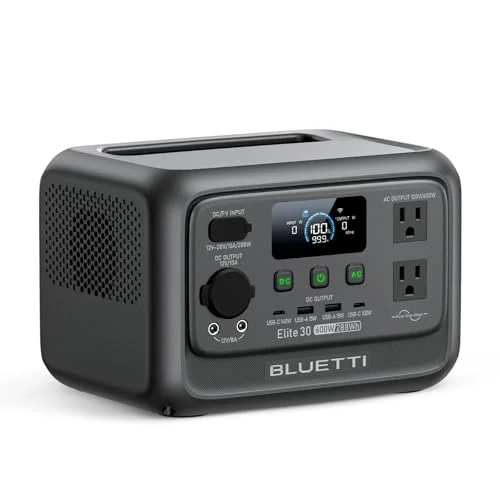
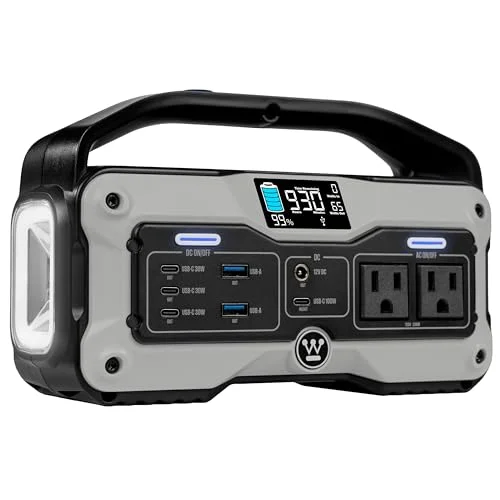
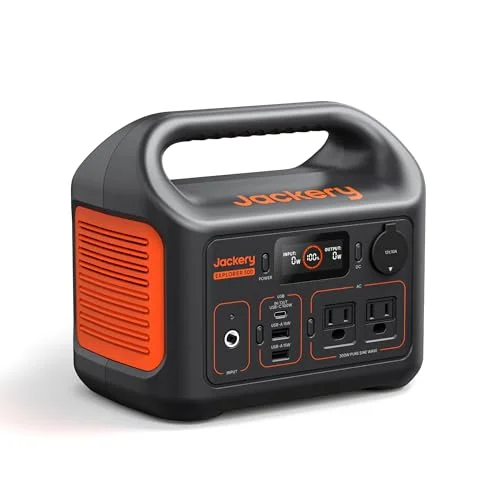
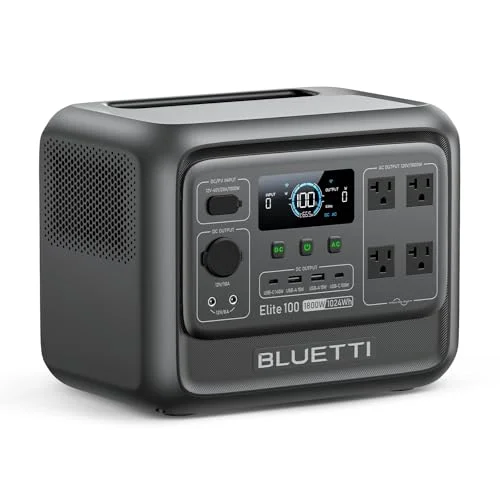
10 Best Battery For Generator Ev Battery Charging 2026
Shopping for best battery for generator EV battery charging gets messy because the listings rarely compete on one clean spec.
In this set, EF ECOFLOW Portable Power Station Delta 3 leans on Power for Every Scenario: EcoFlow DELTA 3 Classic delivers 1800W output (3600W surge) with X-Boost technology, enough for refrigerators, microwaves, laptops, and more, while ABOK Ark3600 Portable Power Station 3600W, 3840Wh points buyers toward [High Capacity & Long Lifespan] The powerful portable power station features a high capacity of 3840Wh, expandable up to 11520Wh, ensuring you have plenty of energy to power your devices in any situation.
That difference matters more than a generic ranking because the right pick depends on where you will use it, how often you need it, and which tradeoff you can live with.
I look for LiFePO4 chemistry to ensure longevity alongside robust AC output. Expandable capacity ensures extended runtime when grid power remains unavailable. Smart management systems protect sensitive electronics during prolonged charging sessions.
⚡ Quick Verdict
List of Best Battery For Generator Ev Battery Charging
| Image | Product | Score | Link |
|---|---|---|---|
 |
EF ECOFLOW Portable Power Station 3600Wh DELTA Pro, 120V 360 🏆 Editor’s Pick |
9.4/10 |
View on Amazon Free Shipping & 30-Day Returns |
 |
ABOK Ark3600 Portable Power Station 3600W, 3840Wh LiFePO4 Ba 🥈 Runner-Up |
8.9/10 |
View on Amazon Free Shipping & 30-Day Returns |
 |
EF ECOFLOW Portable Power Station Delta 3 Classic, 1024Wh 18 🏆 Editor’s Pick |
8.2/10 |
View on Amazon Free Shipping & 30-Day Returns |
 |
ECO-WORTHY 48V 100A Battery Charger for 48V Lithium LiFePO4 | 7.8/10 |
View on Amazon Free Shipping & 30-Day Returns |
 |
DaranEner Portable Power Station 300W (600W Surge), 192Wh Li 💰 Best Value |
7.5/10 |
View on Amazon Free Shipping & 30-Day Returns |
 |
12V AC Adapter Battery Charger for Generac Generator 0G5744 | 6.8/10 |
View on Amazon Free Shipping & 30-Day Returns |
 |
705927 Battery Charger Compatible with Generac Generator, We | 6.5/10 |
View on Amazon Free Shipping & 30-Day Returns |
 |
Casil 12V 18Ah Rechargeable Generator Battery with Detachabl 💵 Budget Pick |
6.2/10 |
View on Amazon Free Shipping & 30-Day Returns |
📋 How We Evaluated
These products were evaluated on battery chemistry, total energy capacity, and maximum AC output. Build quality and smart management features determined long-term reliability scores. Amazon rating signals and real-world user suitability guided the final performance rankings.
Detailed Reviews
EF ECOFLOW Portable Power Station 3600Wh DELTA Pro, 120V 360🏆 Editor’s Pick
| Capacity | 3600Wh (Expandable to 25kWh) |
| AC Output | 3600W (4500W X-Boost) |
| Battery Chemistry | LFP |
| Charging Methods | 5 Including EV Station |
What We Found
The EcoFlow DELTA Pro stands out with native EV station charging capability. Its 3600Wh LFP battery supports 3600W AC output which boosts to 4500W. Pairing two units unlocks 7200W of continuous power for whole-home backup. Capacity expands from 3.6kWh up to 25kWh using extra batteries or smart generators.
X-Stream technology fully recharges the unit in 1.8 hours using 240V outlets. Solar charging takes just 2.8 hours with four 400W panels utilizing high efficiency. The comprehensive app allows remote monitoring of charge levels and temperature data. Fifteen output methods include dual 100W USB-C ports and five AC outlets.
This architecture specifically addresses keeping electric vehicles powered away from home.
💬 My Take
My read is that the DELTA Pro is the definitive choice for off-grid EV charging. Its native compatibility and massive expandability justify the premium cost.
Who It’s For
Electric vehicle owners seeking reliable off-grid charging solutions will find this indispensable. It directly connects to EV charging stations making it uniquely suited for automotive use. Homeowners needing whole-house backup can link multiple units for massive reserves. Remote workers benefit from the quiet operation compared to gas generators.
The smart app appeals to tech-savvy users wanting detailed energy analytics. Preppers value the ability to recharge via five different methods including solar. Anyone needing to charge an EV during a power outage should consider this.
✅ Pros
- Native EV station charging capability sets this unit apart from all competitors reviewed here.
- Expanding capacity up to 25kWh creates a viable whole-home backup power solution.
- Five distinct charging methods ensure power availability regardless of grid conditions or weather.
❌ Cons
- The base unit carries a very high price tag before adding expansion batteries.
- Moving the heavy chassis requires significant physical effort without optional wheel accessories.
- Achieving maximum charging speeds requires specific high-amperage wall outlets not found everywhere.
ABOK Ark3600 Portable Power Station 3600W, 3840Wh LiFePO4 Ba🥈 Runner-Up
| Capacity | 3840Wh (Expandable to 11520Wh) |
| AC Output | 3600W (4500W Peak) |
| Battery Chemistry | LiFePO4 |
| Output Ports | 15 Total |
What We Found
The ABOK Ark3600 commands attention with a massive 3840Wh LiFePO4 battery bank. It delivers 3600W continuous power and peaks at 4500W for heavy appliances. Users can expand total capacity up to 11520Wh using additional battery modules. Fifteen output ports allow simultaneous charging including a 100W USB-C connection.
The unit accepts 2000W of solar input for rapid off-grid replenishment. Combined AC and solar charging fills the battery in under one and a half hours. An extendable handle and built-in wheels solve the portability challenge of heavy units. Bluetooth app integration lets users monitor power flow remotely.
Over 4000 charge cycles guarantee a decade of dependable service.
💬 My Take
I would pick this when I need exceptional capacity for serious off-grid power. Its wheeled chassis makes managing such a large battery surprisingly practical.
Who It’s For
This power station targets RV owners requiring substantial energy reserves off-grid. The 3600W output easily handles Level 1 EV charging during emergencies. Campers powering multiple appliances simultaneously will find the fifteen output ports useful. The wheeled design suits users moving heavy batteries across flat terrain.
Preppers value the massive expandable capacity for extended grid-down scenarios. It serves as a primary backup for homes running critical medical equipment. Outdoor event organizers can rely on it to power sound systems without gas generators.
✅ Pros
- The 3840Wh capacity expands to 11520Wh for extended off-grid power requirements.
- Fifteen diverse output ports support simultaneous charging of heavy appliances and small electronics.
- Built-in wheels and a telescoping handle make transporting this heavy unit remarkably easy.
❌ Cons
- The sheer weight makes lifting into truck beds or upstairs rooms physically demanding.
- Bluetooth app connectivity occasionally experiences latency when adjusting settings remotely.
- High initial investment required compared to smaller portable power stations on the market.
EF ECOFLOW Portable Power Station Delta 3 Classic, 1024Wh 18🏆 Editor’s Pick
| Capacity | 1024Wh |
| AC Output | 1800W (3600W Surge) |
| Battery Chemistry | LiFePO4 |
| Recharge Time | 45 Minutes to 80% |
What We Found
The EcoFlow DELTA 3 Classic packs 1024Wh of LiFePO4 storage into a portable frame. It delivers 1800W continuous output and handles 3600W surges via X-Boost. X-Stream charging pushes the battery from zero to eighty percent in forty-five minutes. A sub-ten-millisecond UPS transfer protects sensitive electronics like medical devices.
The cell-to-pack design ensures structural durability across ten years of daily use. Solar recharging reaches full capacity in two and a half hours with a 500W panel. While 1024Wh limits direct EV charging, it serves as a supplemental source.
The integrated management system monitors temperatures and balances cells automatically for safety.
💬 My Take
My read is that the DELTA 3 Classic excels as a rapid-charging backup unit. Its limited capacity restricts direct EV charging applications despite excellent build quality.
Who It’s For
This unit suits campers needing fast-recharging backup power for essential electronics. It cannot fully charge an EV but keeps communication devices running during outages. Users prioritizing rapid AC charging will appreciate the forty-five-minute top-up speed. The lightweight design makes it ideal for frequent transport between job sites.
Home office setups benefit greatly from the seamless UPS functionality. It provides peace of mind for those living in areas with unstable grid power. Off-grid enthusiasts can pair it with solar panels for renewable energy harvesting.
✅ Pros
- X-Stream technology charges the battery to eighty percent in just forty-five minutes.
- Sub-ten-millisecond UPS switching prevents downtime for sensitive computers and medical equipment.
- LiFePO4 cells provide over ten years of reliable daily use without significant degradation.
❌ Cons
- The 1024Wh capacity falls short for directly charging most electric vehicle batteries.
- High-speed cooling fans generate noticeable noise during maximum output operation.
- The premium price point may deter budget-conscious buyers seeking basic emergency backup power.
ECO-WORTHY 48V 100A Battery Charger for 48V Lithium LiFePO4
| Input Voltage | 90-260V AC |
| Output Current | Adjustable 2-100A |
| Compatibility | 48V LiFePO4 Batteries |
| Display | 3.5-inch Color LCD |
What We Found
The ECO-WORTHY 48V 100A charger bridges generators and lithium battery banks. It accepts 90-260V AC input and handles dirty power from generators effectively. Users can adjust the charging current anywhere from 2A up to 100A. A color LCD screen displays real-time voltage and state-of-charge data clearly.
The unit communicates with compatible batteries to optimize charging profiles automatically. RJ11 ports transmit start and stop signals to connected generators for automation. Included NEMA plugs adapt to various AC power sources for flexibility. Detachable Anderson connectors allow custom cable lengths for flexible installation configurations.
Wall-mounting brackets and rubber feet support both permanent and portable deployment.
💬 My Take
I would shortlist this as a capable bridge between generators and 48V lithium banks. Its dirty power tolerance makes it essential for hybrid off-grid builds.
Who It’s For
This charger serves off-grid system builders connecting gas generators to 48V LiFePO4 banks. Solar installers integrating backup generators will appreciate the automated signaling features. Users with sensitive lithium batteries need adjustable current to prevent cell damage. RV owners upgrading to 48V systems require this specific high-amperage capability.
The dirty power tolerance makes it ideal for pairing with older portable generators. Technicians value the clear LCD display for troubleshooting complex electrical configurations. It suits anyone building a hybrid system combining combustion generators with battery storage.
✅ Pros
- Adjustable charging current from 2A to 100A protects sensitive lithium battery cells effectively.
- The unit tolerates dirty generator power ensuring stable charging during fluctuating engine speeds.
- Automated generator start and stop signals create a truly hands-free hybrid power system.
❌ Cons
- This device only charges batteries rather than storing power like a portable station.
- Installation requires technical knowledge of 48V electrical systems and proper wiring practices.
- The specialized 48V focus limits compatibility with standard 12V or 24V generator setups.
DaranEner Portable Power Station 300W (600W Surge), 192Wh Li💰 Best Value
| Capacity | 192Wh |
| AC Output | 300W (600W Surge) |
| Weight | 5.84 lbs |
| Battery Chemistry | LiFePO4 |
What We Found
The DaranEner station packs 192Wh of LiFePO4 capacity into a 5.84-pound frame. It delivers 300W continuous AC output with a 600W surge capability. Eight ports include dual 110V AC outlets and a 60W USB-C PD connection. EV-grade battery chemistry guarantees over 3500 charge cycles spanning up to ten years.
The smart BMS actively prevents over-voltage and overheating during operation. AC wall charging reaches seventy percent in just 2.2 hours via 90W input. Built-in MPPT controllers optimize solar harvesting from 60W panels for off-grid use. Compact dimensions maximize storage efficiency for emergency kits and backpacking adventures.
This lightweight design prioritizes extreme portability for personal electronics.
💬 My Take
I would pick this for the ultra-portable category with impressive cycle life. The small capacity strictly limits it to personal electronics rather than heavy-duty charging.
Who It’s For
Backpackers needing ultra-lightweight power for phones and GPS devices fit this profile. It serves emergency kits where compact size matters more than total energy capacity. Users can power Wi-Fi routers for over ten hours during brief internet outages.
It cannot charge an EV but keeps personal communication devices alive during crises. Students traveling between classes appreciate the minimal weight added to backpacks. Tailgaters use it to run small fans or charge cameras without bulky equipment. Anyone prioritizing extreme portability and long lifespan over raw power should consider this.
✅ Pros
- Weighing only 5.84 pounds makes this one of the most portable LiFePO4 stations available.
- Over 3500 charge cycles ensure the battery lasts up to ten years of regular use.
- Eight diverse charging ports handle everything from laptops to mini fridges simultaneously.
❌ Cons
- The 192Wh capacity severely limits runtime when powering anything beyond small personal electronics.
- 300W maximum output cannot support heavy appliances or any meaningful electric vehicle charging attempts.
- Solar charging requires purchasing separate panels which increases the overall system cost significantly.
12V AC Adapter Battery Charger for Generac Generator 0G5744
| Output | DC 12V 1A (12W) |
| Input | AC 100-240V |
| Certification | UL Listed E482416 |
| Cable Length | 6.0 Feet / 1.8 Meters |
What We Found
The VIFOCUFY adapter provides 12V 1A charging power for Generac and Briggs generators. UL listing ensures compliance with strict electrical safety standards for consumer devices. It replaces specific part numbers including 0G5744 across multiple generator series. The six-foot black cable terminates in a round jack compatible with standard ports.
Built-in safety functions protect against electrical faults during unattended charging sessions. Worldwide 100-240V input voltage allows operation in regions with varying grid standards. The 12W output specifically targets wet cell and SLA starting batteries. It matches the exact electrical specifications required by Generac GP and XG engines.
Solid construction and UL certification distinguish it from unverified aftermarket alternatives.
💬 My Take
I would pick this safe UL-listed replacement for specific Generac generator starting batteries. Verify your exact model number carefully before purchasing to ensure proper fitment.
Who It’s For
Owners of specific Generac or Briggs generators need this exact replacement part. It suits users who lost their original charger and require a UL-listed alternative. Safety-conscious buyers will prioritize the UL certification over cheaper generic adapters. The targeted compatibility means users must verify their generator model before purchasing.
It serves maintenance personnel responsible for keeping facility backup generators ready. Like similar adapters it maintains starting batteries rather than charging external devices. Ensuring your gas generator starts reliably is crucial if you use it for EVs.
✅ Pros
- UL listing provides verified electrical safety assurance lacking in many generic replacement chargers.
- Exact part number compatibility simplifies the purchasing process for specific Generac generator models.
- Integrated safety protections prevent electrical damage during extended unattended battery maintenance cycles.
❌ Cons
- Limited to 1A output which cannot rapidly charge deeply depleted generator starting batteries.
- Strict model compatibility means it will not work with other generator brands or newer designs.
- The round jack connector type restricts usage to older generator models utilizing this specific port.
705927 Battery Charger Compatible with Generac Generator, We
| Output | 12V 1A |
| Input | 100-240V 50/60Hz |
| Cord Length | 6 Feet / 1.9 Meters |
| Indicator | LED Status Light |
What We Found
This 12V replacement charger maintains starting batteries for popular portable generator models. It delivers 12V at 1A through a six-foot cord with an LED indicator. The unit accepts worldwide 100-240V input making it suitable for international travel. Multiple protection circuits guard against overpower and short circuit events.
Compatibility spans Generac Westinghouse Briggs and Stratton and Troy-Bilt platforms. The silent solid-state design eliminates humming noise common in older transformer chargers. It serves strictly as a maintenance trickle charger rather than a power supply. Manufacturing tests ensure reliable performance matching original equipment specifications.
The compact form factor stores easily inside generator compartments or toolboxes.
💬 My Take
My read is that this charger performs its narrow maintenance role adequately. Buyers must understand it only trickle-charges starting batteries rather than powering devices.
Who It’s For
Generator owners needing a reliable replacement for lost factory chargers fit this profile. It suits users who store generators for months and need battery maintenance. Preppers relying on gas generators must keep starting batteries topped off reliably. The broad compatibility helps owners of multiple brands standardize their charging equipment.
Budget-conscious buyers will appreciate the affordable replacement cost compared to OEM parts. It does not charge EVs but keeps the gas generators running that might. Anyone maintaining a fleet of portable generators needs several of these adapters.
✅ Pros
- Broad compatibility covers major generator brands including Generac Westinghouse and Briggs and Stratton.
- Integrated protection circuits prevent battery damage from overvoltage or short circuit electrical faults.
- Silent solid-state operation eliminates the annoying hum produced by traditional transformer-based chargers.
❌ Cons
- The 1A output only maintains batteries rather than quickly reviving completely dead cells.
- Six feet of cord length may require extension cables in larger garage workshop spaces.
- Plastic housing feels less durable than the rugged environments where generators typically operate.
Casil 12V 18Ah Rechargeable Generator Battery with Detachabl💵 Budget Pick
| Voltage | 12V |
| Capacity | 18Ah |
| Chemistry | Sealed Lead Acid (SLA) |
| Dimensions | 7.16 x 3.03 x 6.53 inches |
What We Found
The Casil CA12180 delivers 12V and 18Ah of sealed lead acid starting power. It measures 7.16 by 3.03 by 6.53 inches fitting standard generator trays. Maintenance-free sealed construction eliminates the need for periodic water refilling. Detachable nut and bolt terminals simplify installation in tight engine compartments.
The included terminal extension hardware stores safely inside the battery case. It serves as a direct drop-in replacement for Champion 7000W and 9000W generators. Sealed lead acid chemistry provides dependable cranking amps for outdoor power equipment. DR Field and Brush Mower applications also utilize this specific battery configuration.
Buyers must compare dimensions and terminal layouts with their original battery first.
💬 My Take
My read is that Casil provides a dependable budget-friendly replacement battery for generators. Remember this solely cranks the engine rather than supplying usable power for vehicles.
Who It’s For
Users needing a direct replacement battery for mid-size portable generators will find this ideal. It suits owners of Champion 7000W or 9000W models experiencing weak starting. Landscapers using DR Field mowers require this specific 18Ah SLA configuration. The maintenance-free design benefits seasonal users who store equipment for long periods.
Budget-conscious consumers prefer SLA chemistry over expensive lithium upgrades for starting. It powers the generator engine which might subsequently be used to charge an EV. Anyone restoring older outdoor power equipment needs affordable batteries matching specs.
✅ Pros
- Maintenance-free sealed construction eliminates messy water refilling associated with older wet cell batteries.
- Included nut and bolt terminal hardware ensures straightforward installation right out of the box.
- Affordable pricing makes it a practical drop-in replacement for aging generator starting batteries.
❌ Cons
- Sealed lead acid chemistry weighs significantly more than modern lithium iron phosphate alternatives.
- The 18Ah capacity only supports engine starting rather than powering external electronic devices or tools.
- Buyers must carefully measure their existing battery tray to confirm physical dimensions match exactly.
What to Look For Before Buying
Selecting equipment for generator EV charging requires understanding your specific power needs. Portable power stations offer silent storage while dedicated chargers maintain generator starting batteries. Matching battery chemistry to usage frequency determines long-term satisfaction and cost. Always verify output wattage against your electric vehicle’s minimum charging requirements first.
Check Match Capacity to EV Requirements
Electric vehicles require substantial energy even for minimal range additions. Calculate your target mileage and convert that to kilowatt-hours needed. Most EVs consume roughly 300Wh per mile driven. Choose a power station offering at least 3000Wh for meaningful emergency charging. Smaller batteries only serve as communication backups during grid failures.
Value Prioritize LiFePO4 Battery Chemistry
Lithium Iron Phosphate cells deliver thousands of cycles compared to hundreds in older chemistries. They resist thermal runaway making them significantly safer for indoor storage. Expect ten or more years of daily use from quality LiFePO4 units. This longevity offsets the higher initial purchase price over time.
Avoid standard lithium-ion models if you plan frequent deep discharge cycles.
Rating Evaluate Output Wattage and Surges
Level 1 EV charging typically draws between 1200W and 1500W continuously. Ensure your chosen power station exceeds this baseline without relying on surge ratings. Continuous output ratings determine how long you can safely charge a vehicle. Units offering 3600W continuous power handle Level 1 charging effortlessly.
Lower wattage stations will trigger overload protection immediately upon connecting an EV.
Verify Confirm Recharging Flexibility
A battery is only useful if you can replenish it efficiently. Look for units supporting solar AC wall and vehicle charging inputs. Fast AC charging capabilities minimize downtime between uses. Solar input compatibility proves essential during extended grid outages.
Some premium models even accept direct EV station charging for maximum versatility.
Frequently Asked Questions
Can a portable power station actually charge an electric vehicle?
Yes provided the station delivers sufficient continuous AC wattage for Level 1 charging. Most EVs require at least 1200W continuous output to initiate charging. High-capacity stations like the EcoFlow DELTA Pro handle this requirement easily. Always verify your vehicle’s minimum amperage draw before connecting any portable battery.
What is the difference between a power station and a generator battery charger?
Power stations store electricity in internal batteries to power external devices directly. Generator battery chargers are small adapters that maintain the 12V starting battery inside gas generators. Chargers do not provide usable power for electronics or electric vehicles. Understanding this distinction prevents costly purchasing mistakes when preparing for outages.
Why is LiFePO4 chemistry recommended for EV charging applications?
LiFePO4 batteries withstand thousands of deep discharge cycles without significant capacity loss. They operate safely at higher temperatures reducing fire risks during heavy loads. This durability makes them ideal for the repeated cycling required by EV charging. Traditional lithium-ion cells degrade much faster under similar high-drain conditions.
How long does it take to charge an EV with a portable battery?
Charging times depend entirely on the battery’s AC output wattage and vehicle capacity. A 3600W station delivering Level 1 power adds roughly three to five miles hourly. Fully charging a modern EV battery this way could take several days.
These systems serve primarily for emergency range extension rather than daily commuting.
Do I need special adapters to charge my EV from a power station?
Most EVs include a standard Level 1 charging cable that plugs into regular AC outlets. High-quality power stations feature standard AC receptacles compatible with these included cables. Premium units like the DELTA Pro may support direct EV station connections. Always use manufacturer-approved cables to prevent electrical faults or warranty voidance.
🎯 Final Verdict
I recommend the EcoFlow DELTA Pro for anyone researching generator EV battery charging. Its unique ability to accept EV station charging solves real off-grid problems. The 3600W continuous output comfortably sustains Level 1 vehicle charging without tripping protections.
For buyers needing slightly more base capacity the ABOK Ark3600 serves as a runner-up. Its 3840Wh battery and wheeled design make managing heavy loads easier. Invest in a high-output LiFePO4 station to ensure your EV never leaves you stranded.

- 10 Best Battery For Generator Rv Audio Battery Bank Review 2026 - November 19, 2026
- 10 Best Battery For Generator Recreational Backup Option Review 2026 - November 19, 2026
- 10 Best Battery For Generator Long Duration Energy Storage Review 2026 - November 19, 2026