Top 10 Best Way Charge Lithium Ion Battery 2026
Best way charge lithium ion battery: When it comes to charging lithium-ion batteries, finding the right balance of power, safety, and convenience can…

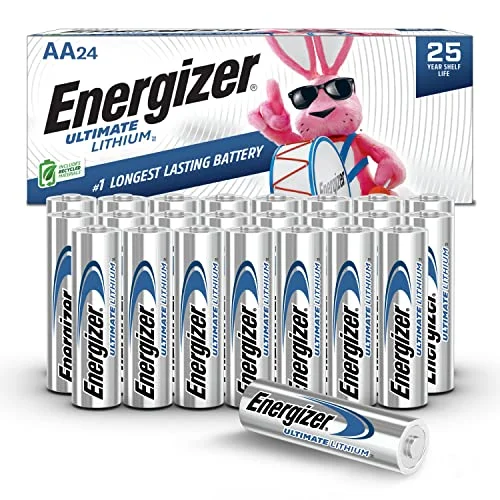
Best way charge lithium ion battery: When it comes to charging lithium-ion batteries, finding the right balance of power, safety, and convenience can…
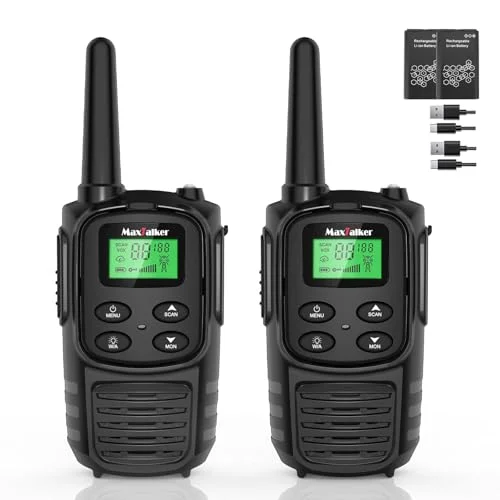
Best way to charge li ion battery: Managing lithium-ion power sources often leads to confusion regarding compatibility and safety.
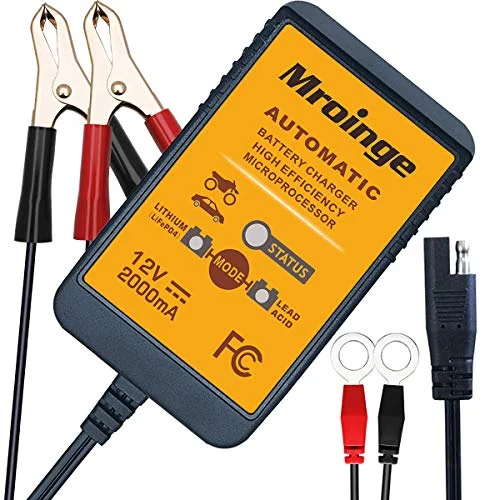
Best way to charge lithium batteries: Lithium batteries require specific charging profiles to maintain longevity and safety.
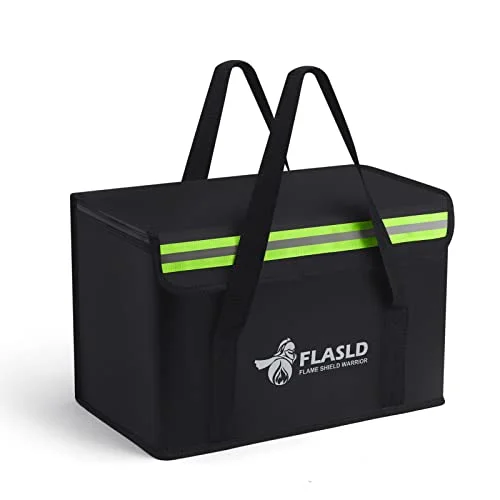
Best way to charge lithium ion battery: Looking to charge your lithium-ion battery safely and efficiently, I curated a list of 9 products that cater…

Li ion battery charging best practice: Navigating Li-ion battery charging best practices can feel overwhelming, especially with mixed availability…
Voltage cutoff is the single most important spec for safe charging, check it first on your charger label or battery datasheet. Overcharging is not a vague risk, it is a measurable excess of voltage and heat, and the common mistake is leaving cells at 100 percent while hot, which speeds irreversible wear and raises safety…
Most battery damage comes from how low individual cells are allowed to discharge, not from an occasional automatic shutdown. The spec that matters most is the pack minimum cutoff voltage and the BMS behavior, the common mistake is trying to force a dead pack to power by bypassing protection. First check the pack label or…
A fresh AA alkaline measures 1.5V, not 1.2V like NiMH, and will read down to about 1.2V or 1.1V before most devices stop. The spec that matters most is the cell label, so check for the word “Rechargeable” or “NiMH” and the charger setting first. Safety warning: fast charging disposables risks leakage, swelling, venting, fire,…
Most lithium ion batteries are rechargeable, but the number one spec that matters is the battery’s maximum charge voltage. A common mistake is using the wrong charger or a fast charge profile that exceeds that voltage. First check the battery label or device manual for the cell chemistry and the specified charge voltage before you…
Most lithium AA cells sold for flashlights and remotes are single-use, 1.5V primary batteries, not rechargeable. The single spec that matters is the cell chemistry and nominal voltage, because a charger must match both. A common mistake is trying to charge a non-rechargeable lithium AA; first, check the cell label for chemistry and the word…
Today only — huge savings on best-selling products. Don’t miss out.
See Today’s Deals