Battery Voltmeter Testing: Resting Voltage and Test Setup
How to test a battery with a voltmeter?: You twist the key and hear that sluggish crank, same sound that makes you wonder if the battery is about to…


How to test a battery with a voltmeter?: You twist the key and hear that sluggish crank, same sound that makes you wonder if the battery is about to…

How to test lithium ion battery?: What kind of test a lithium ion battery needs depends entirely on the question you’re asking.
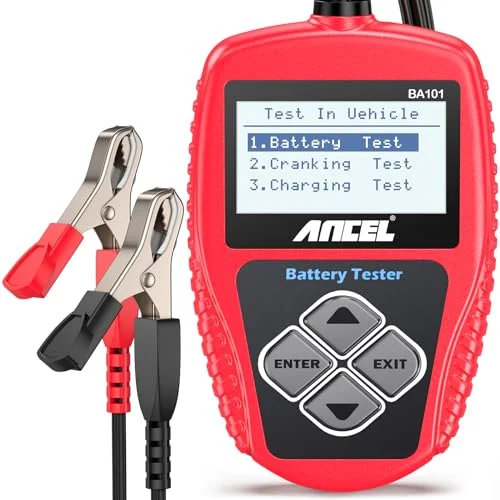
What should voltage be on car battery?: A car battery voltage reading is one of the quickest ways to investigate a slow crank, dim lights, or a…

Will accessory mode kill battery?: Nothing’s worse than turning the key and hearing silence because your dash cam, alarm, or GPS slowly sapped your…

Would a bad alternator drain the battery?: Waking up to a dead battery usually makes you suspect the battery itself, but I’ve found the alternator is…
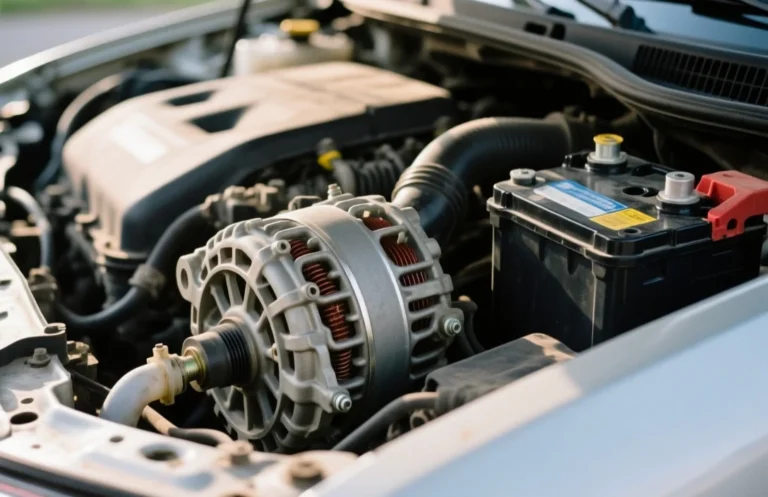
Yes. A bad alternator can drain a new battery, especially if the regulator or diodes fail and create a reverse-current path or keep the charging circuit out of spec. If the regulator sticks in a mode that keeps the alternator drawing current from the battery after the engine is off, the battery will slowly lose…
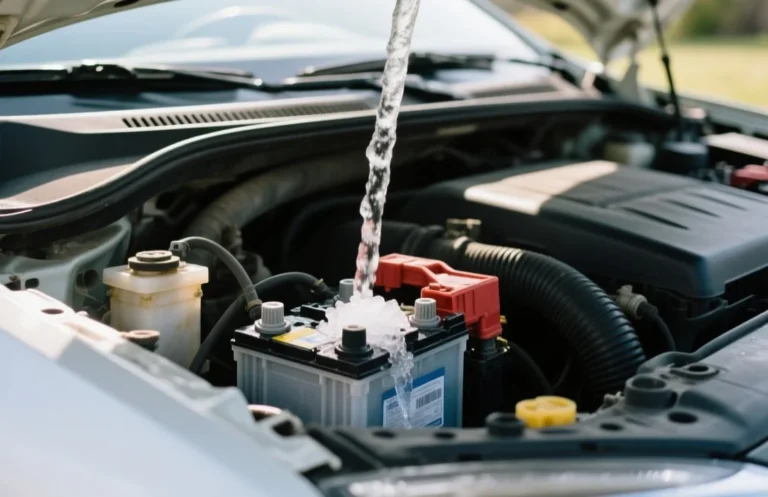
Yes. Cold temperatures drain a car battery by slowing chemical reactions inside the cells and increasing the engine’s starting demands. In freezing weather, capacity falls and cranking power drops, especially if the battery is old or the car sits idle for long periods. Understanding the mechanics helps you decide when to replace, upgrade, or pre-warm….
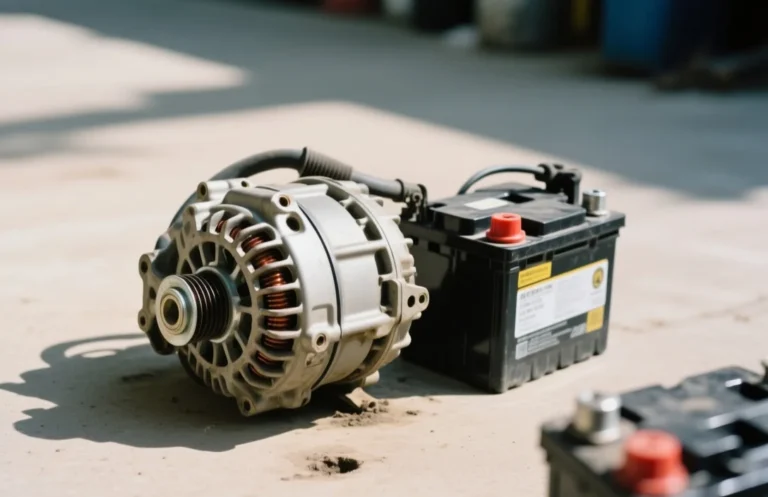
An alternator can quickly drain a new battery if it fails to recharge while the engine runs. High electrical loads or prolonged idling exacerbate the problem, leading to a dead battery and frequent jump-starts. If the alternator stops recharging, battery voltage can drop by 0.5-1.5 volts in just a few hours, especially with parasitic draws…
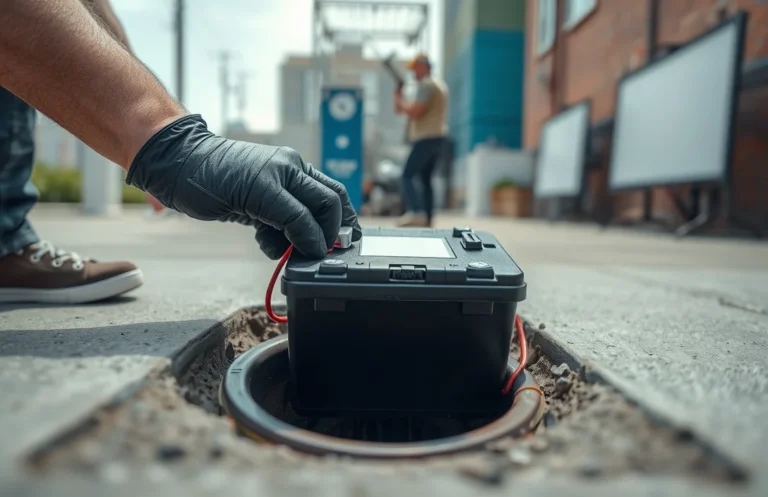
Not in any meaningful way. A battery stores charge chemically, independent of the floor it rests on. Temperature, moisture, and the battery’s chemistry are far more significant factors. In a typical garage at room temperature, a battery’s self-discharge rate is the primary cause of capacity loss, not the concrete beneath it. Key Takeaways No charge…
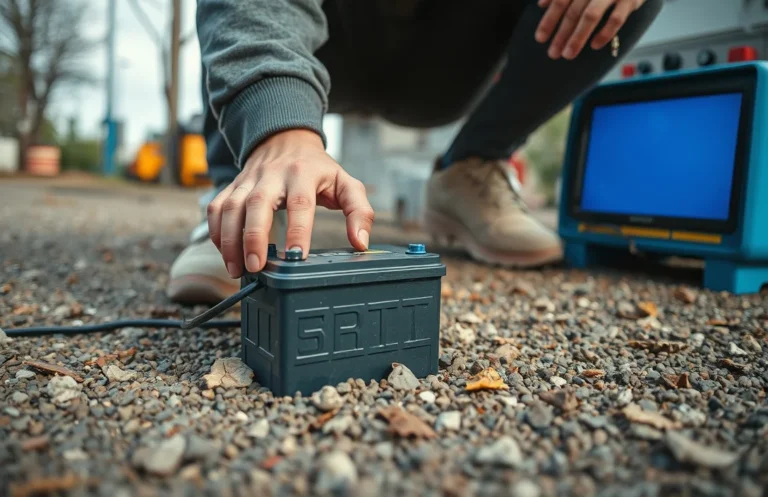
No, setting a battery on the ground does not drain it by itself. Ordinary storage conditions are not affected by the floor. Self-discharge occurs due to chemistry, temperature, and age, not because of where the battery is placed. Use a dry, non-conductive mat to prevent moisture and avoid metal surfaces that could create a leakage…
Today only — huge savings on best-selling products. Don’t miss out.
See Today’s Deals