Does Setting A Battery On The Ground Drain It?
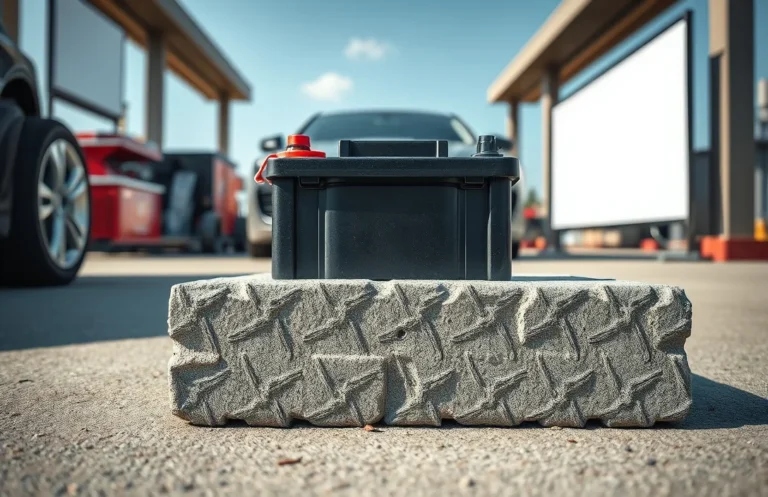
No, setting a battery on the ground does not drain it by itself. Ordinary storage conditions are not affected by the floor. Self-discharge occurs due to chemistry, temperature, and age, not because of where the battery is placed. Use a dry, non-conductive mat to prevent moisture and avoid metal surfaces that could create a leakage path to the ground.
Ground placement matters only if it creates a discharge path. A battery sitting idle on a dry, non-conductive surface experiences only normal self-discharge over weeks. Moisture, metal contact, or a live circuit can cause noticeable drain.
Key Takeaways
- Ground contact: It does not drain a healthy battery by itself; self-discharge is more significant.
- Key factors: Temperature and age influence leakage more than surface type.
- Surface choice: Use a dry, non-conductive mat or tray to minimize risk.
- Chemistry matters: Lead-acid, Li-ion, and NiMH batteries have different self-discharge rates.
- Storage rule: Aim for 50-77°F (10-25°C) and check every 1-3 months.
Setting a battery on the ground does not lead to faster drain under normal conditions. However, damp, dirty, or conductive surfaces can create leakage paths that increase discharge. Exposed terminals or proximity to live circuits can result in a small current flow, draining the battery faster than its natural self-discharge.
To ensure safety, place batteries on clean, dry, non-conductive surfaces. Options include plastic trays, rubber mats, or thick cardboard. Keep the area free of water, salts, and metal tools that could bridge contacts. Uneven surfaces can increase the risk of tipping, which might lead to short circuits through damaged terminal covers or spills.
Grounding and discharge depend on the path, not just the placement. A controlled storage environment prevents stray currents and heat buildup. High temperatures accelerate self-discharge, while extreme cold may reduce performance without increasing drain. The goal is to minimize external leakage paths and maintain stable ambient conditions.
Different battery types react uniquely to ground placement. Sealed Li-ion packs have a low self-discharge rate but can be vulnerable to external leakage if a protection circuit fails. Flooded lead-acid packs tolerate some moisture near terminals, but venting gases and water loss can be a concern on damp surfaces. NiMH cells often have higher self-discharge at room temperature, so long-term storage benefits from periodic charging or checks.
To achieve predictable results, standardize storage conditions. Avoid placing batteries on visibly damp concrete or surfaces with high moisture content. Elevate them slightly for better ventilation. If you must store near a window or heat source, use a temperature-stable enclosure to limit thermal fluctuations. These measures help prevent extra drain from moisture, heat, or accidental contact with conductive materials.
- Surface matters only if moisture or conduction is present. A dry mat minimizes the risk of leakage, while damp or metal surfaces can create a circuit to the ground.
- Temperature is a bigger driver than surface type. Maintain a stable environment around 50-77°F (10-25°C).
- Visible damage or exposed terminals create discharge paths. Always insulate terminals when storing.
- Regular checks prevent surprises. Inspect connections and charge levels every 1-3 months for idle storage.
- Different chemistries behave differently. Lead-acid, Li-ion, and NiMH all have unique self-discharge baselines that determine how often you need to recharge.
Treat the ground as a passive backdrop, not a power sink. Protect terminals, isolate from moisture, and maintain a controlled temperature range. This approach results in predictable, low-rate self-discharge that aligns with the battery’s chemistry and age.
Surface and environment play a significant role. A clean, dry, non-conductive surface minimizes the chance of forming a path to the ground, while a stable ambient temperature reduces self-discharge. In a workspace, consider using a storage tray with a lip to catch spills or condensation. This small precaution can extend shelf life and reduce surprises when it’s time to use the batteries.
Additionally, treat the storage area like a controlled lab. Keep it away from kids and pets, avoid accidental contact with metal tools, and adapt storage practices to the specific battery chemistry. These measures can make a difference in usable life.
Bottom line: storage on the ground does not inherently drain batteries. Controlling moisture, temperature, and unintended electrical paths is key. Use a dry, non-conductive surface, cover terminals, and monitor charge levels regularly. By doing so, a battery resting on the floor will discharge according to its chemistry, not because of its placement.
FAQ
Recommended Products


Does placing a battery on concrete drain it faster than on a shelf?
A concrete surface can feel damp or cool, influencing self-discharge indirectly, but does not cause faster drain by itself. The main factors are moisture, temperature, and terminal protection. Keep it on a dry mat and away from moisture to minimize extra drain.
How often should I check a stored battery’s charge?
Check every 1-3 months during idle storage to catch unexpected self-discharge or aging effects. For Li-ion batteries, avoid letting the voltage drop below the recommended minimum before recharging. Periodic checks save you from a dead battery surprise.
Can a discharged battery recover once placed on a stable surface?
Recovery depends on chemistry and depth of discharge. Some Li-ion packs may not recover fully after deep discharge, while NiMH or lead-acid batteries can regain some capacity after recharging. Don’t assume full recovery; recharge to safe storage levels.
What should I do if I must store batteries in a damp environment?
Elevate the storage surface, use a sealed, insulated tray, and ensure ventilation around the pack. Dry, stable storage minimizes leakage paths and reduces long-term self-discharge. Moisture control is essential for longevity.
Is it safe to store batteries on the ground during a power outage or camping trip?
Yes, as long as you keep them on a dry, non-conductive surface and protect terminals from contact with metals or wet surfaces. Rotate stock periodically and avoid extreme temperatures. Basic precautions prevent most ground-related drains.
Ground placement alone does not drain a healthy battery. Keep it on a dry, non-conductive surface, control temperature, and check charge levels periodically. This combination preserves capacity and reduces surprises when you need the battery again.

- 10 Best Battery For Generator Battery Safety System 2026 - October 12, 2026
- 10 Best Battery For Generator Battery Safety Option 2026 - October 12, 2026
- 10 Best Battery For Generator Battery Safety 2026 - October 12, 2026