Does A Car Warranty Cover A Battery?
Does a car warranty cover a battery? In the United States, battery coverage isn’t universal and depends on your warranty type. A typical new-car bumper-to-bumper warranty lasts 3 years or 36,000 miles; battery protection usually ties to powertrain, hybrid, or EV-specific terms. Read the fine print to determine if a failed battery is covered and under what conditions.
Battery coverage varies by plan. Most new cars include bumper-to-bumper or powertrain coverage, while hybrid and EV warranties often provide battery protection for 8 years or 100,000 miles, whichever comes first. A battery failure in a sedan may be repaired at no charge if it results from a defect and the warranty remains active. This guide helps you understand your options and avoid surprise repair bills.
Key Takeaways
- Warranty type matters. Bumper-to-bumper coverage often excludes battery wear; powertrain and hybrid warranties usually cover battery defects.
- EV and hybrid batteries. Expect coverage for up to 8 years or 100,000 miles in many plans.
- Maintenance is crucial. Failures due to poor maintenance are typically excluded.
- Transferability enhances value. Warranties often transfer to new owners, but conditions apply.
- Document everything. Keep receipts and service records to prove coverage eligibility.
How Battery Coverage Works Across Warranty Tiers
Recommended Products



Bumper-to-bumper coverage is broad at purchase but typically excludes wear-and-tear items; batteries are covered only if the failure arises from a defect in materials or workmanship. Powertrain coverage focuses on the engine, transmission, and related components; some manufacturers include hybrid or plug-in batteries in this scope, but not all. Hybrid and electric vehicle batteries often have separate terms, limits, and durations.
The exact language of your warranty matters. If the battery fails due to a defect during the coverage window, repair or replacement is usually covered at no cost. If the issue stems from improper maintenance, damage, or faulty charging practices, expect denial or prorated coverage. Check the warranty booklet or online terms for your VIN to determine specifics.
| Warranty Type | Typical Coverage Window | Battery Involvement | Common Exclusions |
|---|---|---|---|
| Bumper-to-bumper | 3 years / 36,000 miles | Battery failures due to defects sometimes covered; wear-related issues often excluded | Normal wear, neglect, accidental damage, improper charging |
| Powertrain | 5 years / 60,000 miles | Battery defects tied to the drivetrain may be covered if stated | Wear, corrosion, misuses outside drivetrain scope |
| Hybrid/EV Battery | 8 years / 100,000 miles or more | Explicit battery warranty, often includes capacity retention and defects | Damage from misuse, accidents, improper maintenance, aftermarket mods |
| Extended warranty | Varies by plan | Can include battery, depending on rider terms | Exclusions per plan; may require maintenance records |
Gaps exist between “powertrain” and “hybrid/EV” wording. Some manufacturers guarantee hybrid batteries for 8 years or 100,000 miles, with reductions if maintenance is missed. Others separate battery protection into a distinct EV/Hybrid warranty. Always pull the exact battery clause from your contract to confirm its relevance to your vehicle.
For instance, a gas car with a 3/36 bumper-to-bumper plus a 5/60 powertrain plan may cover a battery defect linked to the engine’s electrical system but not cover capacity loss due to normal wear. A hybrid or EV often comes with a dedicated battery warranty that exceeds the baseline plans. Verify exact coverage for your model and trim.
Map your vehicle’s warranty to a decision tree: Is there a separate battery or hybrid warranty? If yes, the battery is typically covered longer than the base bumper-to-bumper. If not, treat battery failures as potential out-of-pocket repairs unless clearly under a defect warranty.
Hybrid and Electric Vehicle Batteries: Special Rules
Recommended Products


Hybrid and electric vehicle batteries are often treated as core components in manufacturers’ coverage schemes. These batteries are expensive, prompting manufacturers to extend protection beyond standard bumper-to-bumper or powertrain terms. Expect warranties that cover capacity degradation, defect-related failures, and sometimes thermal management issues for a longer duration.
Many programs frame battery warranties in terms of minimum capacity retention. If the battery’s capacity falls below a specified threshold within the warranty period, replacement or repair is covered. The exact threshold, duration, and whether it covers only defects or also accelerated degradation depend on the brand and model. EVs often include language to protect module integrity and long-term performance, making these terms crucial when shopping or making a claim.
Treat EV and hybrid battery warranties as distinct products, not just subsets of overall vehicle warranties. They come with specific conditions regarding charging practices, service intervals, and maintenance by authorized centers. If shopping used or upgrading, ask for the exact battery warranty terms and transfer rules. This can save thousands by ensuring a clear claim path when needed.
Expect eight-year or longer protections on EV batteries, with mileage caps that align with typical ownership cycles. Some brands extend coverage for high-demand packs or particular battery chemistries. If you own an EV or hybrid, prioritize brand-approved service networks and maintain an up-to-date service log.
What Is Typically Not Covered?
Recommended Products



Battery wear from normal use is rarely covered unless explicitly listed in the plan. Most warranties differentiate between defects and deterioration from charging habits or environmental factors. If the battery fails due to a manufacturing defect, you likely qualify for a covered repair; if it fails due to deep discharging and irregular charging, coverage is unlikely.
Physical damage from accidents, improper installation, or aftermarket modifications usually void battery claims. Water intrusion, corrosion from accidents, or loose connections due to neglect often fall outside coverage. Manufacturers typically exclude batteries serviced by unapproved shops or not maintained within recommended intervals. The risk increases for batteries exposed to extreme temperatures or charged with non-approved devices. Follow manufacturer guidelines and use authorized service networks.
Extended or third-party warranties can complicate coverage. They may require proof of regular maintenance, receipts for parts, or pre-approval for replacements. If a claim is denied, you’ll receive a written explanation referencing the relevant clause in your contract. Reading the exact terms now prevents surprises later.
How to Check If Your Battery Is Covered
Recommended Products

Locate your warranty booklet or digital policy for your vehicle and search for “battery,” “hybrid battery,” or “EV battery.” Confirm the duration, mileage limit, and whether a separate battery warranty exists beyond the standard plan. If unsure, contact the dealership’s service department and ask for a plain-language quote of the battery section.
Verify coverage triggers. Some plans cover only defects discovered during diagnostic tests; others cover any failure within the term. Be prepared to present maintenance records and charging history when filing a claim. If any part of your battery system is unclear, request written confirmation from the dealer before authorizing any repair to avoid unexpected costs.
To expedite a claim, gather these documents: warranty certificate, vehicle VIN, battery serial number (if accessible), service records showing regular maintenance, and any diagnostic reports indicating a defect. If a claim is rejected on a technicality, escalate to the manufacturer’s regional service center or file a formal appeal per the policy’s process. This approach minimizes delays and clarifies your rights.
Essential Tools for Battery Warranty Management
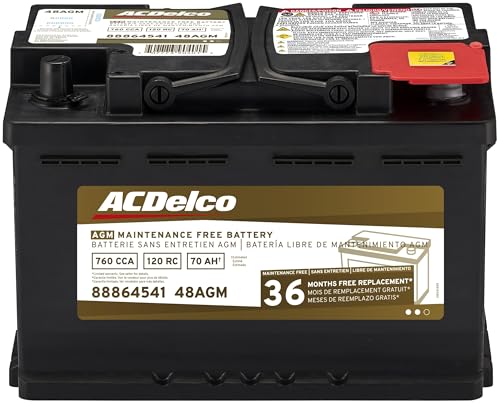
ACDelco Gold 48AGM (88864541) 36 Month Warranty AGM BCI Group 48 Battery
The ACDelco Gold 48AGM battery comes with a 36-month warranty, ensuring reliable performance and coverage for potential battery issues during that period.

Daakmax Platinum AGM Car Battery Group Size 49 H8, 12V 95Ah, 900 CCA, 160 RC, Rechargeable Start-Stop Automotive Battery with 36-Month Warranty
The Daakmax Platinum AGM Car Battery features a 36-month warranty, providing peace of mind against defects and failures, which may relate to warranty coverage on your vehicle.
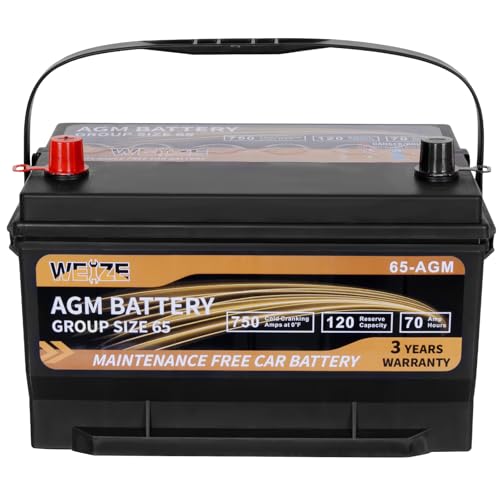
Weize Platinum AGM Battery BCI Group 65 Automotive Battery, 12V 70ah, 120RC, 750CCA, 36 Months Warranty, Replacement for Car, SUV
The Weize Platinum AGM Battery includes a 36-month warranty, offering protection against manufacturing defects, which is essential for understanding battery coverage under your car warranty.
What To Do If Your Battery Fails Under Warranty
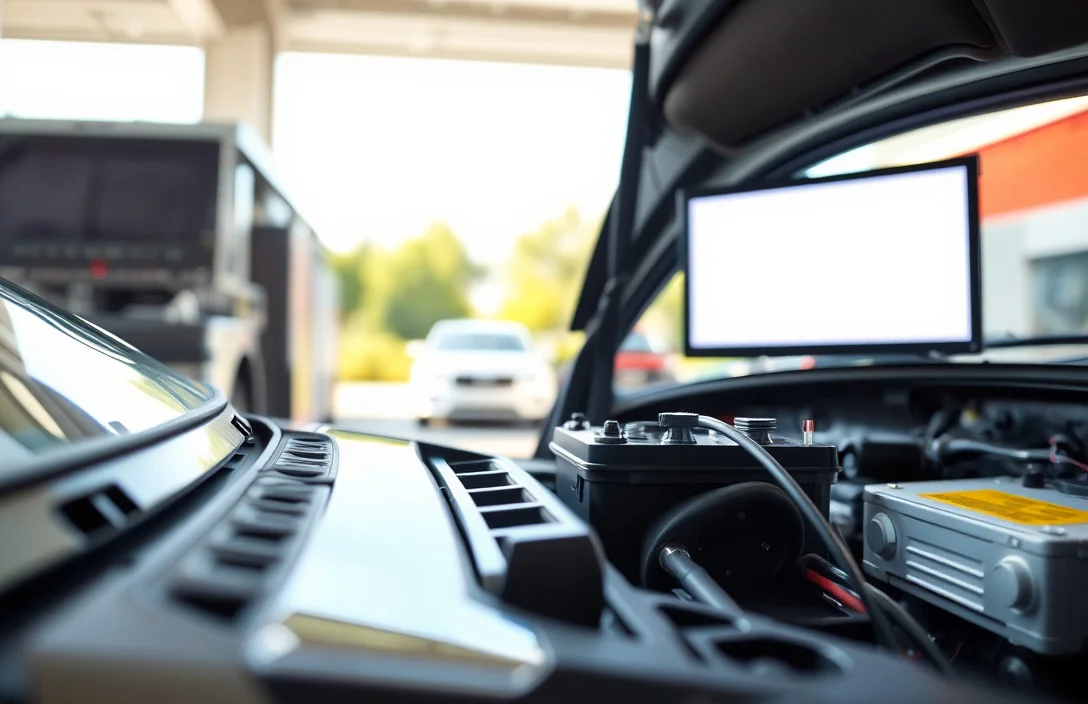
If a battery issue arises while covered, first contact your dealer or the automaker’s warranty department to request pre-authorization for repair or replacement. Don’t sign work orders or pay estimates before confirming coverage. This prevents unexpected post-repair billing.
Bring all documentation to your service appointment. A clear invoice showing diagnosis, battery model, and exact service performed helps ensure smooth claim processing. If the service department can reproduce the fault and it meets the policy’s terms, you’ll typically receive no-charge repair or replacement. If coverage is denied, request a written rationale and ask about appeal steps.
Expect a warranty claim to take a few hours to a few days, depending on whether diagnostic tests are needed and parts availability. If facing a long wait, ask for a loaner vehicle if the warranty provides one or negotiate a temporary fix to remain mobile while the claim is resolved.
Costs, Time, and Practical Takeaways
Battery failures can be costly. Replacement costs vary by battery type and vehicle. For conventional cars, repairs are usually modest if covered; outside coverage, expect out-of-pocket expenses for parts and labor. For hybrids and EVs, battery work tends to be expensive, but a solid warranty can save you from hefty bills.
Here’s a practical comparison for evaluating coverage on a new purchase or used buy:
| Scenario | What it typically costs if not covered | How long the coverage lasts | Practical takeaway |
|---|---|---|---|
| Gasoline car, bumper-to-bumper in effect | You pay for battery replacements if not defect-related | Usually up to 3 years / 36,000 miles unless the battery is listed separately | Read the battery clause; confirm if wear is excluded |
| Hybrid car, standard warranty | Likely covered for defects; wear may not be | Hybrid battery often 8 years / 100,000 miles or more | Prioritize a vehicle with explicit hybrid battery terms |
| Electric vehicle, factory battery warranty | Covered for defects; capacity degradation often included | Commonly 8 years / 100,000 miles or more | Verify capacity retention criteria and service network |
| Extended warranty | Depends on plan; may or may not cover battery | Plan-specific | Compare coverage cards before purchase; ensure battery is listed |
Practical takeaways: read your policy before you need it, confirm the battery is covered, and keep thorough maintenance records. When shopping, ask for the battery clause and consider extending the warranty only if it clearly includes the battery under favorable terms. If unsure, choose a plan with an explicit EV or hybrid battery warranty for maximum protection.
| Option | Why it helps | Price | Link |
|---|---|---|---|
| Daakmax Platinum AGM Car Battery Group Size 47 H5, 12V 60Ah, 680 CCA, 100 RC, Rechargeable Start-Stop Automotive Battery with 36-Month Warranty | This Daakmax battery offers reliable performance with a 36-month warranty, ideal for hybrid and EV battery replacements. | Check price | View → |
| Weize Platinum AGM Battery BCI Group 49-12v 95ah H8 Size 49 Automotive Battery, 160RC, 900CCA, 36 Months Warranty, Dimensions 13.9″ L x 6.89″ W x 7.48″ H | The Weize Platinum AGM Battery provides excellent capacity and warranty coverage, making it a smart choice for EVs. | Check price | View → |
FAQ
Does a new car’s bumper-to-bumper warranty cover the battery?
Yes, but only if the battery failure is due to a defect and listed as covered under the bumper-to-bumper section or a separate battery warranty. Check the exact wording for your model.
How long does battery coverage usually last on hybrids or EVs?
Commonly eight years or 100,000 miles for the battery in many programs, but confirm specific terms for your VIN.
Will maintenance affect battery coverage?
Yes. Failures due to improper maintenance or charging practices are usually excluded, so keep up with scheduled services and use approved chargers.
Can I transfer a battery warranty to a new owner?
Often, yes, but transferability comes with conditions. Read the transfer rules in your contract and complete any required notifications when selling.
What should I do if my battery dies and I think I’m covered?
Document everything, contact the dealer or warranty administrator for pre-authorization, and keep receipts. If denied, request a written explanation and review appeal options.
Battery coverage on a car warranty exists, but it hinges on your specific plan. Prioritize a model with an explicit hybrid or EV battery warranty and maintain meticulous service records. Confirm battery terms now, not at the moment of repair. If you want tailored advice for your vehicle type, share the details, and I’ll map out the best claim path and a quick checklist for you.

- 10 Best Battery For Generator Battery Safety System 2026 - October 12, 2026
- 10 Best Battery For Generator Battery Safety Option 2026 - October 12, 2026
- 10 Best Battery For Generator Battery Safety 2026 - October 12, 2026