Does Car Insurance Cover Battery Replacement?
Does Car Insurance Cover Battery Replacement?
Recommended Products



Auto insurance typically does not cover routine battery replacement due to wear or aging. A policy in the United States usually only pays for battery replacement if a covered event damaged the battery or if you have a roadside assistance rider. Before assuming your insurer will cover the cost, check for specific perils or add-on benefits in your policy.
Standard auto insurance rarely covers battery replacement unless a covered peril causes the damage. If a collision, fire, flood, or vandalism harms the battery, it may be claimable under comprehensive or collision coverage. The key is to read your policy and confirm with your insurer how they handle battery service in your situation.
Key Takeaways
- Not routine coverage. Standard policies do not pay for battery replacement due to normal wear.
- Covered perils matter. Damage from a covered event may be claimable under comprehensive or collision.
- Roadside riders help. Roadside assistance can cover battery service or replacement within limits.
- Warranties and MBIs exist. Manufacturer warranties or mechanical breakdown insurance can cover battery replacement irrespective of standard auto insurance.
- Policy language rules. Look for terms like battery protection, electrical system, or battery failure in your declarations page.
- Ask and confirm. When in doubt, call your insurer for a written statement of coverage regarding your specific case.
How Auto Insurance Treats Battery Replacement
Recommended Products


Most auto insurance policies categorize a dead battery as a wear item. This means you typically pay out of pocket when a battery fails due to age or normal use. Batteries wear out over time, and maintenance of the electrical system falls outside the scope of damage from accidents or covered perils. If a collision causes a broken battery cable or housing, insurers may cover the repair as part of the collision claim. Damage from a storm that cracks the battery case could be treated under comprehensive coverage. However, if the battery simply fails without being tied to a covered peril, standard auto insurance won’t cover it.
For instance, a driver without roadside assistance will likely incur out-of-pocket expenses for a battery replacement after years of use. Conversely, a driver with a roadside assistance rider might receive help for battery service or on-site replacement, depending on the plan’s limits. The outcome depends on the exact wording of the policy and the presence of a covered peril or add-on benefit. Always check the precise terms instead of assuming coverage.
When Battery Replacement Can Be Covered
Recommended Products

A battery replacement may be covered if it fails due to a peril listed in your policy. Events like crashes, fires, floods, or vandalism that damage the battery or its connections can lead to a legitimate claim. If approved, the insurer will cover the battery replacement as part of the broader vehicle damage claim.
Roadside assistance riders provide another avenue for coverage. If you have this add-on, you might receive help with battery replacement on the road, including jump starts, testing, or even on-site replacement within policy limits. Roadside benefits can vary significantly between providers, so confirming the specifics is worthwhile. Even if a battery dies from wear, roadside assistance may still offer help or towing to a nearby shop.
Battery replacements can also be covered under mechanical breakdown insurance (MBI) or battery-specific warranties. MBIs, offered by some insurers or as standalone products, cover many mechanical and electrical components that fail due to mechanical issues rather than wear. The exact coverage depends on the policy and vehicle, so carefully review the list of covered parts and exclusions.
Ultimately, coverage hinges on the cause of failure and the specific products. If the battery failure is linked to an insured event or an explicitly added service, you can claim reimbursement or have the service paid for by your insurer. If not, the expense falls on you. Treat battery replacement as a potential coverage path only when a peril or add-on applies.
Roadside Assistance and Add-Ons You Should Know
Recommended Products


Roadside assistance is often the quickest way to handle a dead battery if you’re stranded. A standard program may cover jump starts, battery testing, and sometimes on-site battery replacement or towing to a shop. The exact services, limits, and eligibility differ by provider and plan, so knowing your options before a breakdown is crucial.
Roadside help isn’t automatic with a basic policy. If you rely on it, understand what’s included: whether the plan covers battery service on-site, any service area constraints, and the maximum payout per incident. If your state mandates minimum coverage or your insurer offers a bundled plan, ensure battery-specific services are included.
Here are a few checks to make:
- Do you have a roadside assistance rider on your policy?
- Does the rider cover battery service and on-site replacement?
- Are there limits on payouts per incident?
- Is there a deductible or separate fee for battery-related calls?
- How quickly can you request service, and what information will the provider need?
If you’re unsure, contact your insurer or agent before needing assistance. A quick call can save you time and money when you’re stranded.
- Roadside services may include: jump-starts, battery testing and replacement, towing to a shop, and sometimes lockout help.
- Common caveats: some plans require using a preferred network, may limit to certain distances, and may cap replacements based on battery type or age.
Table: Roadside Coverage versus On-Site Battery Service
| Coverage type | On-site battery service | Tow to shop | Limits per incident | Notes |
|---|---|---|---|---|
| Roadside rider | Often available | Sometimes included | Varies by plan | Check exact terms before you need help |
| Basic auto policy add-on | May include | May include | Limited by rider | Not universal, verify coverage |
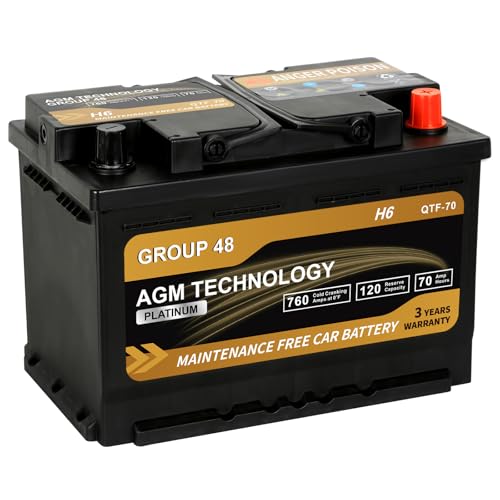
Helpful pick
Daakmax Platinum AGM Car Battery Group Size 48 H6, 12V 70Ah, 760 CCA, 120 RC, Rechargeable Start-Stop Automotive Battery with 36-Month Warranty
This Daakmax Platinum AGM battery offers reliable performance and a 36-month warranty, ideal for quick replacements.
Essential Tools for Battery Maintenance and Replacement

Mighty Max Battery MM-H6 Start and Stop Car BCI Group Size 48 12V 70 AH, 120RC, 760 CCA Rechargeable AGM Car Battery
The Mighty Max Battery MM-H6 provides reliable power for vehicles, ensuring you have a dependable battery that may help avoid unexpected costs related to battery failure.
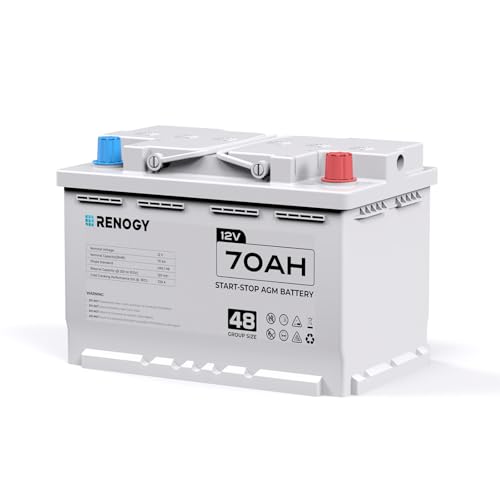
Renogy 12V 70Ah AGM Car Battery H6, Group 48 Start and Stop Automotive Battery with 720 CCA, 120RC, Reliable Power for Cars, SUVs, Trucks, and Marine Starting
Renogy’s 12V 70Ah AGM Car Battery offers robust starting power, making it a great choice for those looking to minimize battery-related issues that insurance may not cover.

Weize Platinum AGM Battery BCI Group 49-12v 95ah H8 Size 49 Automotive Battery, 160RC, 900CCA, 36 Months Warranty, Dimensions 13.9″ L x 6.89″ W x 7.48″ H
Weize Platinum AGM Battery delivers high performance and a long warranty, giving peace of mind for car owners concerned about battery replacement costs not covered by insurance.
Alternatives to Insurance Coverage and What to Choose
Recommended Products



For reliable battery replacement with predictable costs, consider options beyond standard auto insurance. Manufacturer warranties and maintenance plans may cover batteries for a specified period or usage limits. Many vehicles come with a battery warranty that lasts several years or a certain mileage, especially hybrids and newer models. Check your vehicle’s warranty terms to see if defect-related battery replacement is covered.
Mechanical breakdown insurance (MBI) covers many mechanical and electrical components that fail due to mechanical issues, not wear. Depending on the policy and vehicle, some MBIs include batteries, but not all cover every make and model. Evaluate MBIs by comparing covered parts, exclusions, deductibles, and the claims process.
Maintenance plans from dealerships or third-party providers can also be beneficial. Some plans cover routine battery checks, replacements for wear, and related services at a fixed price. If purchasing a new car, consider a maintenance plan that includes battery service, particularly for vehicles with complex electrical systems. The trade-off is paying upfront versus predictable future expenses.
To decide what to buy, assess your risk profile. If you drive an older vehicle with a high risk of battery failure, pairing a roadside rider with MBI may be wise. For newer models with a strong factory warranty, you might postpone adding a battery plan until the warranty expires. The ideal mix depends on your car’s age, reliability, driving patterns, and your willingness to pay out of pocket for battery replacements.
Table: Coverage Options at a Glance
| Option | Typical coverage focus | Best for | Pros | Cons |
|---|---|---|---|---|
| Auto insurance with roadside rider | Battery service at roadside, possible on-site replacement | Stranded drivers wanting quick help | Fast assistance, predictable costs with limits | Limited coverage, not universal |
| Manufacturer warranty or battery warranty | Replacement for defects, not wear | New or near-new cars | Peace of mind for defects, long-term coverage | Can expire, may not cover wear |
| Maintenance or battery protection plan | Scheduled checks, wear-related replacements | High-mileage or older cars | Predictable maintenance, potential savings | Upfront cost, policy details vary |
| Mechanical breakdown insurance | Broad coverage for mechanical parts including some batteries | Owners seeking broad risk protection | Extensive coverage options, simplified claims | Costs vary, not universal |
| Option | Why it helps | Price | Link |
|---|---|---|---|
| ACDelco Gold 48AGM (88864541) 36 Month Warranty AGM BCI Group 48 Battery | The ACDelco Gold 48AGM battery offers reliable performance and comes with a 36-month warranty for peace of mind. | Check price | View → |
| ACDelco Gold 94RAGM (88864542) 36 Month Warranty AGM BCI Group 94R Battery | The ACDelco Gold 94RAGM battery is a dependable option with a 36-month warranty, ensuring long-lasting power. | Check price | View → |
How to Check Your Policy Quickly
Start with your declarations page, searching for battery, electrical, or protection terms. If your agent provided a policy summary, review sections describing covered perils, roadside assistance, and add-ons. Look for exact language that defines what triggers a payout or service call for a dead battery. If anything is unclear, request a written clarification or endorsement document.
When contacting your insurer, have these details ready: your policy number, the date of the incident, a brief description of what happened, whether you have a roadside rider, and whether there was any damage beyond the battery. If your car was in an accident, gather police or incident reports, as these can influence coverage decisions. If considering MBIs or warranties, request a product brochure and a list of exclusions.
A quick check: terms like “battery protection,” “electrical system,” and “battery failure” should be present in your policy or endorsements. If you’re shopping plans, ask for a side-by-side quote that shows whether battery coverage is included in the base plan and how the rider alters those terms. Aim for clear comparisons with defined limits and deductibles.
What to Do If You Think You Were Charged Incorrectly
If you believe a denial or misapplication of coverage occurred, gather all relevant documents: the claim receipt, any applicable police report, the policy language, and endorsements related to battery coverage or roadside assistance. Call the insurer’s claims line and calmly explain why you think the battery replacement should be covered. If the agent can’t resolve the issue on the call, request to speak with a supervisor or file an appeal. You can also ask for a written copy of the claim decision and review the rationale.
Maintain a record of every conversation: date, time, person spoken to, and what was discussed. If the outcome remains unsatisfactory, escalate to the insurer’s ombudsman or state department of insurance. A formal complaint should be a last resort but often prompts a review that can yield a more accurate assessment of coverage.
In practice, a well-documented, policy-informed approach is crucial. Understanding the exact language that applies to your battery situation helps defend your position if coverage should apply. It’s not about arguing; it’s about aligning policy facts with the event that necessitated the battery replacement.
Practical Steps to Lower Costs and Avoid Surprises
- Review your policy now. Read sections on battery coverage, perils, and roadside assistance before you need help.
- Add roadside assistance if you don’t have it. This add-on is often cheaper than paying for standalone battery service.
- Consider an MBI or warranty if you’re in a higher-risk category. Weigh upfront costs against potential payouts for battery replacements.
- Keep receipts and documentation. When a claim is justified, you’ll need proof of the event and the service performed.
- Plan ahead for renewals. If you’re nearing policy renewal, ask for a rider or endorsement that explicitly covers battery replacement or extends roadside service limits.
For most drivers, routine battery replacement is not covered by standard auto insurance. If a peril or rider applies, you may receive assistance with battery costs. The smart move is to audit your policy, know whether you have roadside assistance, and consider an MBI or warranty for predictable coverage of electrical components.
FAQ
Does car insurance cover battery replacement if the car dies after a crash?
Yes, if the battery damage results directly from the crash and the claim is approved under collision coverage. Routine wear is not covered. Ask for a written explanation of how the battery was damaged and how it ties to the claim.
Will comprehensive coverage pay for a dead battery from a flood or a fire?
Yes, if the battery damage is caused by a flood or fire and the loss is part of a covered peril under comprehensive coverage. If not, the battery replacement isn’t covered. Know the exact perils listed in your policy.
Is roadside assistance separate from car insurance?
Often yes, it’s a rider or add-on that provides services like jump starts or on-site battery replacement. Verify the terms and limits before you need them. Confirm what’s included and any caps.
Can a car warranty or maintenance plan cover battery replacement?
Yes, many warranties or maintenance plans cover defect-related battery replacements; wear-related failures are usually excluded. Check the covered parts and the exclusions list.
How can I verify coverage before paying a bill?
Call your insurer, request a written explanation, and search your policy for terms like battery protection or electrical system coverage. You can also ask for an endorsement. Document the final determination in writing.

- 10 Best Battery For Generator Battery Safety Option 2026 - October 12, 2026
- 10 Best Battery For Generator Battery Safety 2026 - October 12, 2026
- 10 Best Battery For Generator Battery Rv Upgrade 2026 - October 12, 2026