Does Setting A Battery On Concrete Drain It?
A concrete floor does not drain a healthy battery. The floor itself doesn’t siphon charge; rather, temperature, self-discharge rates, and the battery’s condition play more significant roles. Modern chemistries – lead-acid, AGM, gel, and Li-ion – maintain their charge on a dry concrete surface unless exposed to heat, moisture, or faults in the cell or charger.
Setting a battery on concrete does not drain it, provided the battery is well-maintained. The real issues are temperature fluctuations, prolonged storage without use, and exposure to moisture. While concrete can affect heat transfer, it doesn’t actively drain charge. Self-discharge results from chemistry and temperature, not the floor.
Key Takeaways
- Direct answer. A concrete floor does not drain a healthy battery.
- Temperature matters. Self-discharge is about 3-5% per month at room temperature; extreme heat or cold affects this.
- Moisture risk. Damp concrete can accelerate corrosion on terminals and leads.
- Barrier helps. A pallet, mat, or insulating barrier reduces heat and moisture exchange.
- Storage guidance. Store lead-acid batteries around 50% State of Charge (SoC); Li-ion batteries around 40-60% with ambient temperature near 20°C (68°F).
Does the floor itself drain a battery, or are there other factors at play?
Recommended Products



A dry concrete surface is a poor conductor compared to metal hardware, so it won’t extract electrons from the battery just by being underneath it. The main causes of charge loss are chemical self-discharge, ambient temperature, and any leakage or charging faults. A battery on a dry, stable floor will retain its charge for a duration consistent with its chemistry and storage conditions.
For instance, if a flooded lead-acid, AGM, or Li-ion battery sits at room temperature without significant load, self-discharge will proceed at a rate linked to that chemistry. Typical self-discharge at room temperature is modest – often in the single-digit percent range per month for modern cells. Temperature is a game changer; sustained heat accelerates self-discharge and aging, while cold slows reactions, making readings appear different, but does not drain the battery due to the floor.
In practice, concrete mainly acts as a heat sink or source. On hot days, concrete can transfer heat into the battery, slightly lowering internal resistance and voltage. Conversely, on cold days, it can help cool the battery and delay chemical activity. Neither scenario means the floor actively siphons charge; it only alters temperature, affecting voltage and, over time, capacity.
The myth, the reality, and what actually drains a battery on concrete
Myth: A concrete floor will drain a battery regardless of its condition. Reality: The real risks come from moisture, leaks, and charging issues. If a battery is sealed, dry, and in good shape, contact with concrete has no practical effect on its stored energy. However, if the surface is damp, or if the battery has cracks or seal failures, moisture can create pathways for corrosion or short-term voltage dips.
In practice, the biggest concerns are damage and leaks. A cracked case, corroded terminals, or a charger that overfeeds or underfeeds can hasten battery failure far more than concrete ever could. For most households and workshops, placing a battery on dry concrete is safe if the battery is healthy and kept away from direct water sources. Remember: no surface substitutes for proper storage practices and routine maintenance.
For example, a battery on a damp concrete slab may show sluggish voltage readings after a few weeks compared to the same battery on a dry, level wooden pallet. The moisture path is the risk, not the concrete itself. If you connect a high-current charger to a weak cell, it can cause rapid gassing, water loss, and damage – again, independent of the floor.
When placement on concrete actually matters

Placement matters in extreme conditions or with compromised components. Wet concrete or proximity to fertilizers, solvents, or corrosive cleaners can harm terminals, gaskets, and casings. For older or swollen batteries with a history of venting, heat from a concrete floor can hasten failure. Charging aggressively on concrete can also push a poor charger into overcharging, affecting heat and water loss in flooded lead-acid cells.
The risk curve is clear: dry, well-maintained batteries on dry concrete have virtually zero drain risk; moisture or leaks increase risk; old or damaged batteries require closer monitoring regardless of the surface. When conditions are stable, concrete serves as a neutral platform rather than a drain.
For example, imagine a battery on a dry concrete floor in a garage at 68°F (20°C). If well-maintained, checked for terminal connections, and kept away from direct water, you should see minimal difference in stored energy over a month. Now consider damp concrete, a leaking cap, and a rough charger. You’ll observe corrosion, potential voltage dips, and accelerated aging – not due to the concrete, but because of moisture and fault conditions.
Practical guidance for storage and handling on concrete floors
Keep it dry and stable. A dry, level, clean concrete surface is suitable for storage, but adding barriers limits direct heat exchange and moisture contact. A wooden pallet, rubber mat, or insulating board can raise the risk threshold by reducing conduction and moisture transfer. Always ensure good ventilation and stay away from heat sources.
A simple storage checklist helps. Start by choosing a barrier, then confirm the battery’s state of charge and physical condition, and finally verify the storage environment. For lead-acid batteries, aim for about 50% SoC during long-term storage; for Li-ion, a typical target is 40-60% SoC. Keep ambient temperature around 20°C (68°F) if possible and avoid direct sunlight or heat sources.
For instance, in a workshop, place a dry battery on a wooden pallet covered with a thin insulating mat. This setup minimizes direct heat transfer from concrete and reduces the risk of moisture wicking up through the surface. If storing several batteries, use a vented, organized rack to allow airflow and monitor each unit for signs of swelling, corrosion, or leaks.
Quick-action storage
1) Use a barrier under every battery. 2) Set the charger to float or off when not in use to prevent overcharging. 3) Keep the area dry; wipe up spills immediately. 4) Aim for a 40-60% SoC range for Li-ion; 50% for lead-acid. 5) Check monthly for corrosion, swelling, or venting.

Helpful pick
GlossyEnd Set of 4 – Two AA and Two AAA Battery Storage Box, Battery Storage Case Holder with Tester, Clear. Each Case Stores 48 Batteries
This battery storage case keeps your batteries organized and protected, ensuring a dry and stable environment.
Essential Accessories for Safe Battery Storage

Battery Organizer Storage Box with Tester, Battery Vault Case Fireproof Waterproof Explosionproof Holder Box with Tester BT-168 Checker Carrying Case Container Bag Fit for 200+ Batteries AA AAA C D 9V
The Battery Organizer Storage Box keeps batteries safely stored and prevents contact with concrete, eliminating any risk of draining due to temperature fluctuations.

Zeee Fireproof Explosionproof Large Capacity Battery Storage Guard Pouch for Lipo Charge & Storage (8.46 x 6.5 x 5.71 in)
Zeee’s Fireproof Battery Storage Pouch protects your batteries from environmental factors, ensuring they remain charged and safe from concrete’s potential draining effects.
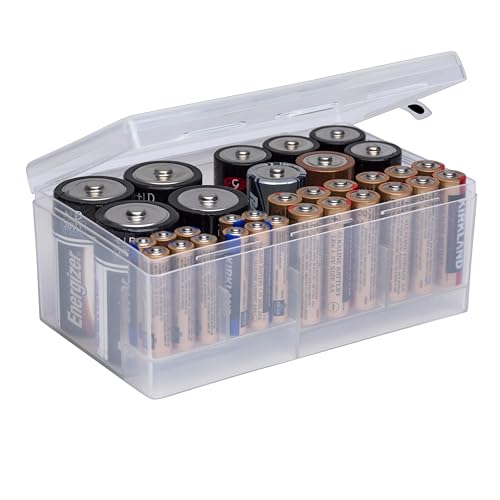
Dial Industries Battery Storage Organizer Case, 12 AAA, 12 AA, 6 C, 4 D
The Dial Industries Battery Storage Organizer Case provides a secure way to store batteries, preventing them from draining when placed on concrete surfaces.
what to know

Concrete isn’t a universal villain; its thermal and moisture properties differ from other common surfaces. Dry concrete with a barrier behaves similarly to other dry, inert surfaces for battery storage. Wood provides mild insulation and can keep moisture away; metal is more conductive and can quickly transfer heat, affecting battery temperature and life if in direct contact with hot or cold surfaces. Tile and laminate floors vary in moisture absorption and can create slightly different climates around battery terminals.
Here’s a concise view of how surface choices influence practice: dry concrete is generally low risk for drain; wet concrete increases risk via moisture; wood offers insulation benefits; metal can lead to heat transfer and safety concerns; tile or stone floors are similar to concrete if dry, with minor moisture considerations at grout lines.
| Surface | Drain risk on battery | Key considerations |
|---|---|---|
| Concrete (dry) | Low | Stable temperature, minimal moisture transfer. |
| Concrete (wet) | Moderate | Moisture accelerates corrosion at terminals. |
| Wood (bare) | Low to moderate | Adds insulation; watch for moisture absorption. |
| Metal (uninsulated) | Moderate to high | Conducts heat; risk of short-term temperature spikes. |
| Tile/Laminate (dry) | Low | Similar to concrete; grout moisture can affect connections if wet. |
In practice, the best choice is to keep the environment dry, avoid direct water exposure, and use a barrier regardless of surface. The goal is to minimize temperature fluctuations and moisture exposure around battery terminals.
Real-world tests and what you’d likely observe
In a practical test, you’ll see negligible voltage drift for a healthy battery on a dry concrete floor over short periods. Long-term tests will show expected self-discharge consistent with chemistry, temperature, and resting state. A battery in a hot garage or freezing shed will exhibit different voltage readings than the same unit in a climate-controlled room, but again, the floor is not the issue.
Factor in real-world scenarios – humid air, a leaky cap, or a charger delivering excessive current – and the story changes. In these cases, you’ll notice a significant drop in charge or accelerated aging, not due to the concrete itself, but rather moisture exposure or improper charging. For the informed DIYer, this means the floor remains neutral if conditions stay dry and the charging system is healthy.
For example, a battery on a dry concrete floor in a climate-controlled garage over a month typically maintains its voltage within the normal self-discharge range for its chemistry. Move the same battery to a damp concrete floor with a small leak, and you’ll observe more corrosion, potentially increased surface resistance, and more contact resistance at the terminals. The difference lies in moisture and maintenance, not the concrete alone.
A practical verdict and next
If you’re storage-stable and the surface is dry, placing a battery on concrete is acceptable. The concrete doesn’t drain your battery. The primary factors are temperature, moisture, and proper storage state of charge. Keep the surface dry, use a barrier, and store as you would on any inert surface. The next step: check your battery’s state of charge, inspect terminals, and ensure the storage environment is dry and thermally stable.
FAQ
Does placing a battery on concrete drain it?
Answer: Not in any practical sense for modern chemistries. The floor does not conduct charge; temperature and storage state of charge determine discharge rates, not the concrete itself. For a healthy battery, expect minimal drain purely from sitting on concrete.
Will temperature differences between concrete and air affect performance?
Answer: Yes, temperature shifts influence self-discharge and capacity. At room temperature, self-discharge is typically 3-5% per month for many chemistries; heat accelerates aging, while cold slows reactions but can temporarily reduce usable capacity.
Are all battery chemistries affected the same way?
Answer: No. Lead-acid, AGM, and Li-ion behave differently with temperature. Li-ion is more sensitive to high temperatures, while flooded lead-acid is more prone to water loss on overcharge. The floor’s role remains secondary to charging control and environmental conditions.
How should I store a battery long-term on a concrete floor?
Answer: Store on a barrier at a moderate temperature, ideally around 20°C, with a state of charge in the 40-60% range for Li-ion and about 50% for lead-acid. Keep the area dry, ventilated, and away from direct sunlight or solvents.
What common mistakes should I avoid when placing batteries on concrete?
Answer: Avoid placing batteries on damp concrete, leaving them in contact with water, and ignoring a faulty charger. Also steer clear of extreme temperatures and ensure terminals are clean and connections tight to prevent corrosion and voltage drops.

- 10 Best Battery For Generator Battery Safety System 2026 - October 12, 2026
- 10 Best Battery For Generator Battery Safety Option 2026 - October 12, 2026
- 10 Best Battery For Generator Battery Safety 2026 - October 12, 2026