Can You Battery Share On Iphone?
Title
can you battery share on iphone? Not today. iPhones don’t support reverse charging, and iOS provides no built-in power-sharing control. If you need to top up a friend’s device, you’ll rely on external gear or different charging workflows, such as carrying a separate battery pack or using multiple chargers. No built-in way exists to do this.
Battery sharing reality: iPhones do not natively share power with other devices; there is no reverse wireless charging in iOS. You cannot charge a friend’s phone directly from yours, and Apple has not exposed a built-in setting for power sharing. Workarounds require external hardware or different charging workflows.
Key Takeaways
- No built-in reverse charging. iPhone cannot charge another device directly via wireless or wired methods.
- External options exist. Wireless battery packs or adapters can share power, but not from iPhone to iPhone.
- Extra gear needed. You typically need a battery pack, MagSafe accessory, or a pass-through charger to enable sharing.
- Compatibility varies. Not every accessory works with every iPhone model; check specific device compatibility.
- Watch heat and battery impact. Reverse charging can generate heat and drain your iPhone if misused.
- Future updates possible. Apple could enable power sharing in a future iOS version, but there is no official timeline.
Can You Battery Share on iPhone?
Recommended Products

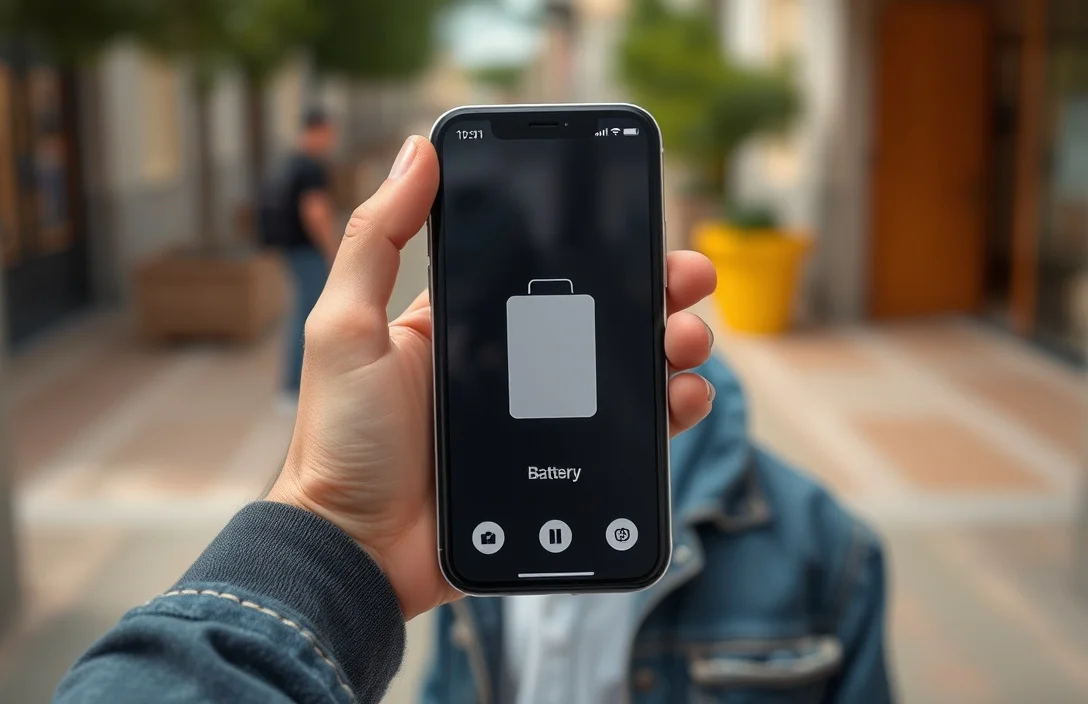
Not yet. There is no native reverse charging feature in iPhone, and iOS has no built-in toggle to turn battery sharing on. If you hear about “PowerShare” or similar terms, those are typically third-party concepts or marketing terms, not a supported iPhone-to-device sharing workflow. In practice, sharing power means using separate hardware rather than feeding energy directly from one iPhone to another.
In practice, many people mistakenly assume a simple toggle will turn on energy sharing between phones. Real-world use requires specialized accessories or entirely different charging setups. The limiting factor is clear: Apple hasn’t opened a safe, reliable way to stream power from one iPhone to another without an intermediary device.
- Direct sharing is not supported by iPhone firmware.
- Third-party solutions rely on separate hardware and do not route energy from iPhone to iPhone.
- If you see claims of built-in battery share, verify the details against actual iOS capabilities.
Why Apple Hasn’t Enabled Battery Sharing
Recommended Products

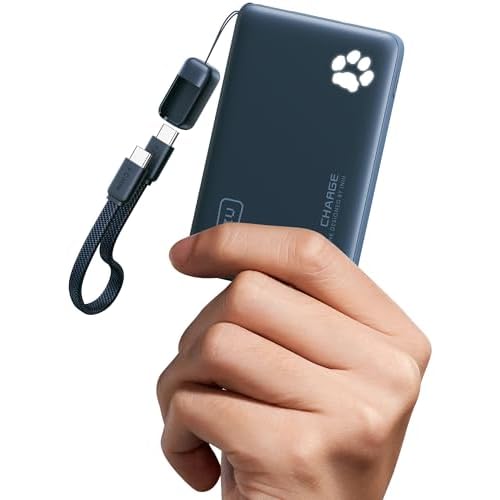
Apple designs around safety, heat, and battery longevity. Reverse charging adds thermal and power-management complexities that iPhone hardware and iOS have not been configured to handle. At scale, enabling a true energy-sharing feature would require a coordinated approach to temperature management, charging profiles, and cross-device compatibility.
Some hardware on certain models could theoretically support reverse charging, but the software layer remains the gating factor. If a future update unlocks it, Apple would need to publish clear guidelines on safe operation, device compatibility, and battery-health implications. Until then, there’s no reliable, Apple-sanctioned way to share energy from an iPhone to another device.
For most users, the practical takeaway is simple: you’ll manage power with separate gear, not by turning your iPhone into a charging pad for others. The absence isn’t about a single model or year; it’s a product-wide stance tied to safety, software control, and user experience.
- Apple prioritizes consistent battery health and heat management over ad hoc sharing.
- Implementing reverse charging would require broad ecosystem support, not just a single accessory.
- Third-party devices can offer convenience, but they aren’t a native solution.
What You Can Do Right Now to Manage Battery While Others Need Power
Recommended Products

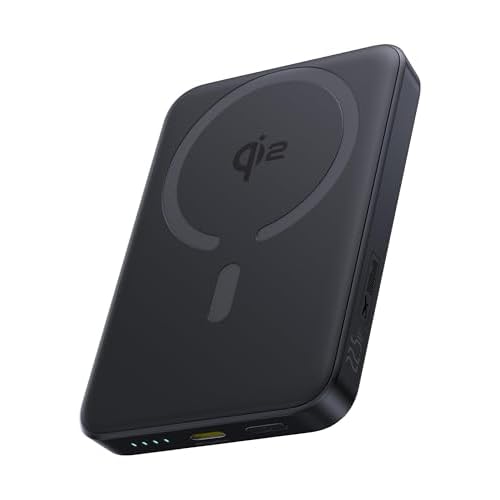
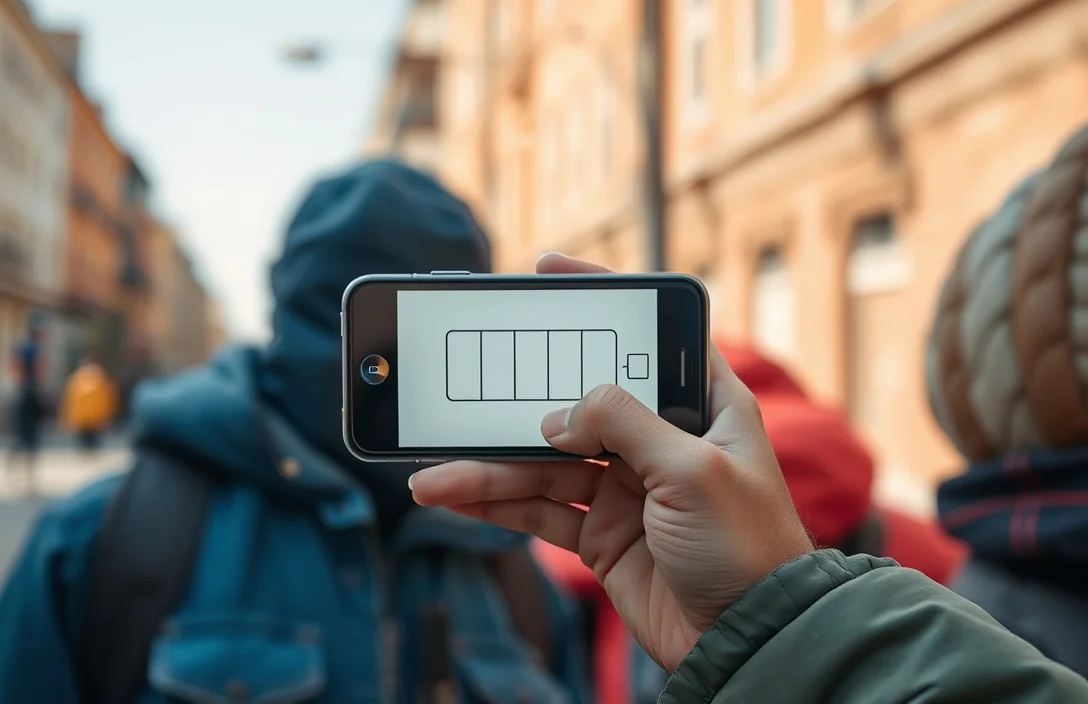
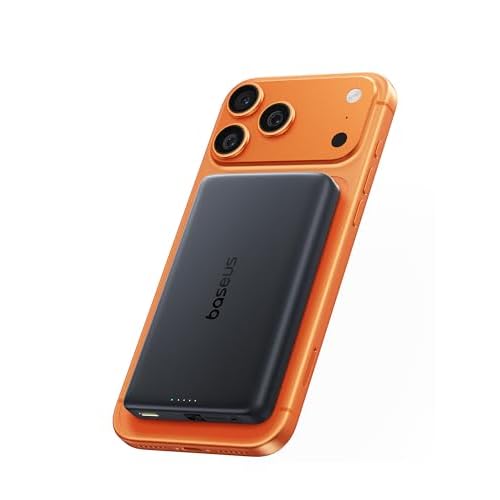
Two mornings of thinking about this, and the practical reality remains the same: carry the right external gear. The simplest, most reliable approach is to keep a portable power bank with you or rely on a MagSafe Battery Pack to extend your own phone’s life when you’re away from outlets. If someone else needs a boost, you hand them a separate charger or a battery pack instead of trying to siphon power from your iPhone.
For example, a compact USB-C power bank with a 10,000 to 20,000 mAh rating gives you enough headroom to top up another device while keeping your iPhone alive. A MagSafe Battery Pack is ideal for you, not for sharing, because it attaches magnetically and seamlessly extends your own charge without introducing extra cables. If you’re stuck at a desk or in a car, a multi-port USB-C car charger can keep both phones powered via separate cables.
Power-sharing today is about planning, not magic. Here are the practical options you can rely on:
- Carry a high-capacity power bank with USB-C output to top up a friend’s device when you’re away from outlets.
- Use a MagSafe Battery Pack to extend your own iPhone battery life, especially during travel or long days.
- Utilize a wireless charging pad or stand that supports two devices, knowing energy transfer will occur from the pad to each phone, not from one iPhone to another.
- In a car or office, use a USB-C multi-port charger to power both devices simultaneously, again with separate cables.
Table: Power-sharing options you can actually use today
| Accessory Type | How it helps | Best For | Limitations |
|---|---|---|---|
| External power bank (USB-C/Lightning) | Provides external power to devices when away from outlets | People on the go needing to top up other devices | You must carry the pack; not a direct iPhone-to-device share |
| MagSafe Battery Pack | Extends iPhone battery life | Solo iPhone use; quick top-ups | Cannot directly charge another device |
| Dual-device wireless charger pad | Charges two devices at once if both support Qi/MagSafe | Desk or bedside charging; convenient for two phones | Depends on device compatibility; not reverse charging |
| USB-C car charger with multiple ports | Powers two devices from a vehicle’s outlet | Travel by car; keeps devices ready | Still requires separate cables; no iPhone-to-iPhone sharing |
Safety, costs, and practicality matter here. A power bank is a useful, proven solution, but it’s another gadget to manage. Higher-capacity packs cost more, add weight, and require careful charging discipline. If you need to share energy often, you’ll probably settle on a favorite pack and a reliable car charger. The practical rule: don’t stretch your phone beyond safe temperatures in an attempt to push power to another device.
If you’re curious about attempts at making sharing work, you’ll see a lot of marketing chatter and device catalogs. The reality is that none of these provide a true, Apple-sanctioned battery-share workflow for iPhone to iPhone. They either enable energy to flow into other devices via an intermediary charger or simply extend your own phone’s life. That distinction matters when you’re choosing gear.
How to Choose Accessories if You Really Need Power Sharing
Recommended Products


If you want to prepare for moments when someone nearby needs a boost, pick accessories that make sense for your typical scenarios. Start with your day-to-day routine: do you travel a lot, or do you spend long hours at a desk? Your answer shapes which gear you carry. Prioritize universal compatibility, safety certifications, and a clear trade-off between weight and energy capacity.
When evaluating devices, look for safety standards (UL or equivalent), solid temperature management, and reputable brands with clear warranty terms. If you frequently share power in a vehicle, a high-quality USB-C car charger with multiple ports, and a robust 20,000 mAh power bank, can be a winning combination. If your primary need is portability, a compact MagSafe Battery Pack is hard to beat for personal runtime.
- Compatibility matters more than headline claims. Verify that the accessory supports the devices you carry and the charging standards you rely on (Qi, MagSafe, USB-C Power Delivery).
- Battery health is worth tracking. A high-quality pack can keep devices topped up for years, while a cheap option often costs more in frustration than it’s worth.
- Weight and form factor matter. A 10,000 mAh pack is usually a good balance for daily carry; 20,000 mAh adds bulk but extends time away from outlets.
Safety, Costs, and Practicality of Battery Sharing
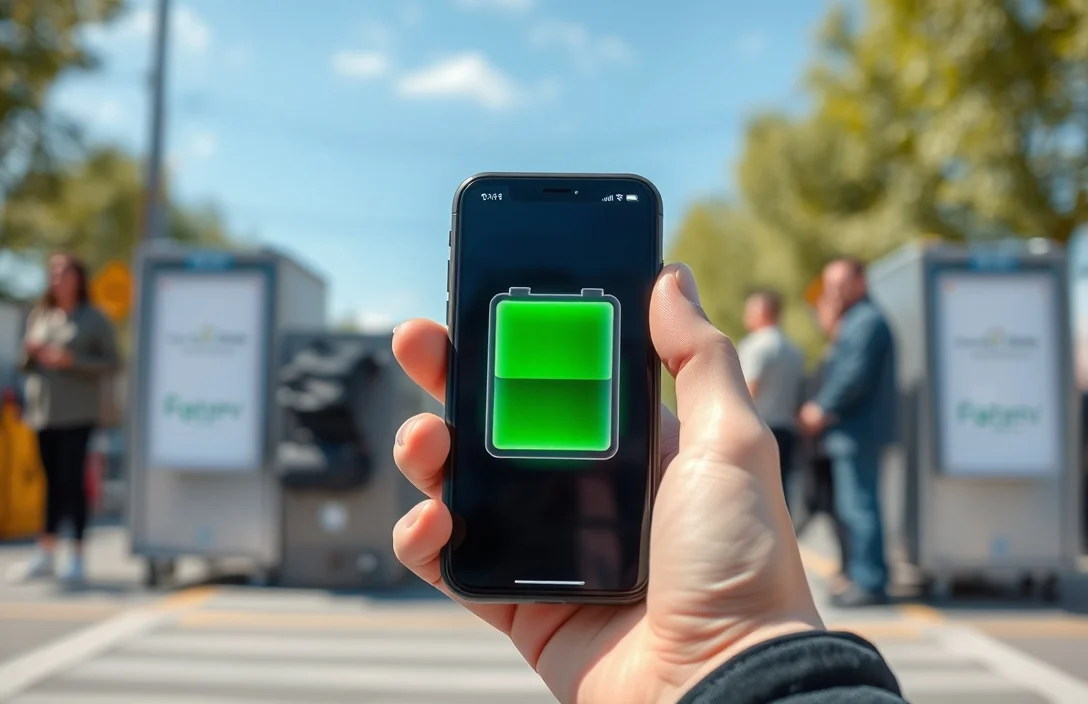
The practical reality is straightforward: Apple hasn’t enabled a universal battery-sharing feature, and any sharing today relies on external gear. The upside is clear – there are solid, proven ways to keep devices charged when you can’t rely on a wall socket. The downside is equally clear – carrying extra gear adds cost, weight, and dependence on third-party devices.
From a cost perspective, you’ll typically spend more upfront for a reliable power bank than for a single quick-charge cable. If you’re traveling or commuting, the investment pays off quickly. If you only occasionally need a boost, a smaller, lighter pack plus a car charger can cover most scenarios. The practical verdict: plan around external solutions, not internal sharing.
In practice, the best approach is to equip yourself with one dependable, portable power bank and a MagSafe Battery Pack for day-to-day reliability. You’ll avoid the risk of heat buildup and the frustration of limited compatibility, while still helping others stay powered when you’re away from outlets.
What to Expect in the Future
Recommended Products


Apple continues to evolve the iPhone ecosystem, but there is no official timetable for native battery sharing. If a future update does unlock reverse charging, Apple will likely publish clear safety guidelines and device-compatibility notes to prevent misuse. Until then, the status quo remains the same: external power and careful planning.
For most users, the prudent stance is simple: don’t count on a built-in battery-share feature. Prepare with external gear, stay within safe charging temperatures, and keep an eye on iOS release notes for any substantial changes. If you’re optimizing for reliability, you won’t regret carrying a compact power bank and a car charger on long days.
Closing verdict: you won’t be able to share energy directly from one iPhone to another today. The practical step is to pack a small, capable power bank and a MagSafe Battery Pack to extend your own life, and rely on separate chargers if someone else needs a boost. Watch for official updates, but don’t depend on a built-in battery-sharing feature to solve power gaps in the near term.
FAQ
Can you share battery from iPhone to another device today?
No built-in feature supports reverse charging on iPhone, and you cannot power another device directly from your iPhone. No native reverse charging means you’ll use external battery packs or chargers instead.
Will Apple ever add a battery sharing feature?
There is no official timeline from Apple for a native battery-sharing feature. Future support would require software enablement and clear safety guidelines, so expect formal announcements only if and when they decide to ship it.
What is the best workaround if I need to share power with someone?
Carry a portable power bank with USB-C output to top up another device, or use a MagSafe Battery Pack for your own device’s extended life. These options are reliable and do not rely on unimplemented native functionality.
Is reverse charging safe for the iPhone?
If a future reverse-charging feature is enabled, it will include safety protections to manage heat and battery health. Today, Apple has not enabled it, so safety considerations apply to third-party solutions and generic charging workflows rather than a sanctioned iPhone-to-device share.
Are there third-party devices that claim to share battery with iPhone?
Some accessories claim to enable energy sharing, but they rely on external hardware and do not provide true iPhone-to-iPhone power transfer. Verify compatibility and safety certifications before purchase, and treat any such claim with healthy skepticism.

- 10 Best Battery For Generator Battery Safety System 2026 - October 12, 2026
- 10 Best Battery For Generator Battery Safety Option 2026 - October 12, 2026
- 10 Best Battery For Generator Battery Safety 2026 - October 12, 2026