Does Car Battery Have Warranty?
Does a car battery have a warranty? Yes. Most car batteries come with some form of warranty, but terms vary by brand, retailer, and battery type. A typical new battery offers a free replacement window of 24 to 36 months, with prorated coverage that can extend several additional years. The important part is understanding what’s covered, what voids coverage, and how to file a claim quickly when a battery fails.
Car battery warranty basics are straightforward: defects in materials or workmanship are covered, normal wear isn’t. The exact window, how prorating works, and any exclusions shift by manufacturer and seller. If you know where to look and what to ask, you can avoid surprises and get a fair replacement or credit when a battery dies prematurely.
Key Takeaways
- Warranty window. Most car batteries include a free replacement period of 24-36 months.
- Prorated coverage. After the free window, coverage reduces over time rather than ending abruptly.
- What voids it. Misuse, improper installation, or extreme heat can void the warranty.
- Proof required. Keep the receipt and the battery label in case you need to file a claim.
- Shop smart. Dealers and large retailers often offer installation options and terms that affect value.
How car battery warranties work
Recommended Products


Warranty structures break into two parts: a free replacement window and prorated coverage. If a defect shows up inside the free window, you get a new battery or a near full replacement at no cost. Once you’re past that window, you still have protection, but the credit you receive scales with age and remaining life. The older the battery, the smaller the refund.
OEM batteries installed by a dealer or in a new car often come with the manufacturer’s warranty that passes to you as the owner. Aftermarket batteries sold at parts stores or online carry retailer-specific terms. Some warranties mirror the OEM warranty, while others offer longer prorated terms or different requirements for installation and documentation. In practice, you’ll see two knobs you can turn: the length of the free replacement window and the shape of the prorated benefit.
In practice, how this plays out depends on your situation. You buy a brand-new battery for your daily driver. If it fails from a defect within the free window, you’re usually entitled to a free replacement. If it fails in year four, you might receive a credit toward a replacement battery that reflects the battery’s age and the amount of life left. The exact premium you pay for extended coverage varies by brand and retailer, but the concept is consistent: you pay upfront for a longer safety net, and you get a smaller refund as years pass.
For a battery that dies due to a manufacturing defect, the warranty can save you real money. For a battery that dies because of heat exposure, deep discharging, or poor charging habits, the warranty may not apply. The boundary between defect and wear is not always crystal clear, so knowing the terms before you need service matters.
What counts as a valid warranty claim
A warranty claim hinges on the cause of battery failure. If the cause is a manufacturing defect or a problem covered by the warranty terms, you can pursue a replacement or credit. If the failure stems from normal wear, improper installation, or external damage, the claim is typically denied or partially denied under standard exclusions.
To file a claim, you’ll normally need proof of purchase and the battery’s serial number or part number. Many warranties require the original receipt and proof that the battery was installed correctly, sometimes by an authorized technician. If the vehicle had a professional installation, that can help demonstrate the product was not mishandled after purchase.
Common exclusions are deliberate misuse, improper charging, physical damage to the battery case, electrolyte leakage due to cracking, and damage caused by external electrical faults in the vehicle. Some warranties also exclude misuse in extreme temperatures or if the battery is used in a non-standard application. Manufacturers and retailers publish these exclusions; read them carefully so you don’t accidentally void coverage.
In practice, a typical claim flow looks like this: diagnose a failure that looks like a defect, locate the warranty paperwork, gather proof of purchase and installation, and present the claim to the retailer or manufacturer. If the claim is approved, you’ll receive a replacement battery or a prorated credit toward a new battery. If it’s denied, you’ll usually get a written explanation with the reason and any options to appeal.
For example, if you bought the battery at a parts store and it fails within the free replacement window, you’ll likely receive a no-charge replacement. If it fails in year four, you may receive a prorated credit based on the battery’s age and remaining life. The process can take a few days to a few weeks depending on whether the retailer handles the claim directly or you need to coordinate with the manufacturer.
OEM vs aftermarket warranties

OEM batteries installed by a dealer or in a new car tend to follow the car maker’s warranty framework. The terms are typically aligned with the vehicle’s maintenance plan and may be easier to transfer when you sell the car. In some cases, the dealership handles warranty administration, which can simplify the experience but may limit where you can file the claim.
Aftermarket batteries vary a lot by brand and retailer. Some offer lengthy prorated terms and clear documentation requirements, while others provide shorter free replacement windows. The key is to read the terms: what counts as a defect, how to prove purchase, and whether installation by a professional is required for coverage. A longer free replacement window is valuable, but it often comes with stricter documentation or more stringent installation requirements.
Warranty terms also shape the process after a failure. OEM warranties might direct you to the dealer network for service, while aftermarket warranties could require you to file through the retailer or the battery manufacturer’s customer service line. Either path benefits from keeping receipts, battery labels, and a straightforward installation record. This reduces friction when you actually need to claim coverage.
To help compare quickly, here is a snapshot of typical terms by category. The table shows general ranges you’ll encounter in the market, not guaranteed values for every product.
| Category | Typical Free Replacement Window | Typical Prorated Coverage | Common Exclusions |
|---|---|---|---|
| OEM battery (in a new car) | 24-36 months | 3-7 years prorated | Misuse, improper installation, severe heat, non-standard use |
| Aftermarket battery (retail brand) | 24-36 months | 2-6 years prorated | Installation by non-authorized shop, abuse, battery modification |
| Aftermarket battery (value brand) | 12-24 months | 1-4 years prorated | Non-receipt of purchase, improper storage, extreme conditions |
This table isn’t a universal map, but it covers the three common paths you’ll see in the market. OEM warranties often feel simpler to manage if you stay within the dealer network, while aftermarket options reward you with longer prorated terms in some cases but demand careful documentation and proper installation.
How to check if yours is still under warranty
Start with the label on the battery. The label usually shows the warranty start date, the type of coverage, and sometimes the serial or part number. If you don’t have the label handy, pull up the purchase receipt or the installation invoice. The invoice date often determines the warranty start date, especially if the battery was installed during a service visit.
Next, search for the exact battery model online. Manufacturer pages and retailer product listings typically publish the warranty terms for that model. Some warranties are transferable, which matters if you bought the car used. If you’re unsure, call the retailer or the manufacturer with the model number and serial number in hand. They can confirm the status and guide you through any required steps to file a claim.
Warranty coverage can also transfer when you sell the vehicle, depending on the terms. If the warranty is transferrable, you’ll usually need to provide proof of the transfer to the new owner and update the warranty records with the retailer. This transfer can preserve the remaining coverage, which adds real value if you’re selling the car or passing it on to a family member.
For most people, the quickest path is to locate the receipt, check the battery label, and then call the retailer’s customer service line. If the purchase was through a dealership, you can often confirm the warranty status at the service desk during a routine maintenance visit. In all cases, having the model number, serial, and purchase date ready speeds things up.
Essential Tools for Managing Your Car Battery Warranty

ACDelco Gold 94RAGM (88864542) 36 Month Warranty AGM BCI Group 94R Battery
The ACDelco Gold 94RAGM battery comes with a 36-month warranty, ensuring peace of mind against defects and performance issues.
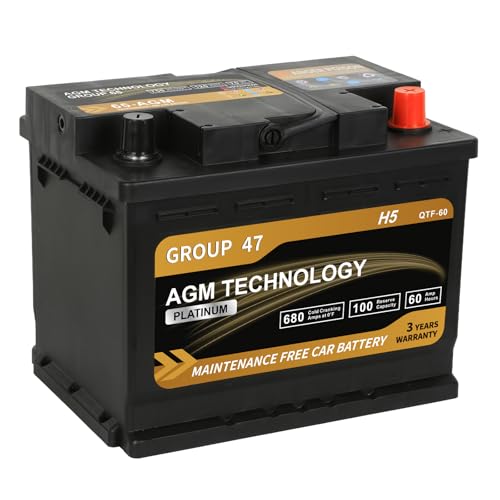
Daakmax Platinum AGM Car Battery Group Size 47 H5, 12V 60Ah, 680 CCA, 100 RC, Rechargeable Start-Stop Automotive Battery with 36-Month Warranty
Daakmax Platinum AGM Car Battery offers a 36-month warranty, providing assurance for reliable performance in start-stop automotive systems.

Weize Platinum AGM Battery BCI Group 49-12v 95ah H8 Size 49 Automotive Battery, 160RC, 900CCA, 36 Months Warranty, Dimensions 13.9″ L x 6.89″ W x 7.48″ H
With a 36-month warranty, the Weize Platinum AGM Battery guarantees dependable power and protection against manufacturing defects for your vehicle.
How to file a warranty claim

Gather proof of purchase, the battery model/serial, and any installation documentation. You’ll also want to confirm where you bought the battery and whether the warranty is transferable. With these in hand, contact the retailer or manufacturer’s warranty department to start the claim. Some processes are online; others require a phone call or an in-person visit.
The claim review usually takes a few business days. You may be asked to bring the battery to a service center for an inspection or to provide a failed battery for testing. If a defect is confirmed, you’ll receive a replacement or a prorated credit toward a new battery. If not, you’ll receive a detailed explanation of the denial and any potential next steps.
Documentation matters. Keep all copies of correspondence, receipts, and service records. If the vehicle’s charging system or electrical components caused the failure, you might need to submit additional proof that the issue was not caused by external factors. Clear communication and complete documentation shorten the path to resolution and reduce back-and-forth questions.
In practice, a smooth claim relies on preparedness. If you know your battery’s model, have your purchase date, and maintain the installation record, you’ll move through the process with less friction. The most common friction point is lacking proof of purchase or installation; avoid that by keeping digital copies in a dedicated folder and storing physical receipts in a safe place.
Common pitfalls and how to avoid them
One frequent trap is assuming a longer free replacement window automatically means better overall value. The true value comes from the combination of the free window, prorated terms, and required documentation. Always read the fine print to understand what counts as a defect and what voids coverage.
Another pitfall is letting warranties lapse due to inactivity. Many warranties require timely registration, proof of purchase, and proper installation. If you buy a battery but don’t register it or keep the receipt, you can easily lose the chance to claim even a legitimate defect.
Installing batteries yourself can void certain warranties if the terms require professional installation. If you’re not confident, use an authorized installer or the retailer’s service department. The small investment in professional installation often preserves the warranty and avoids disputes about causes of failure.
Heat, vibration, and frequent short trips shorten battery life and complicate warranty outcomes. If you live in a hot climate or drive mostly short hops, you’re dealing with a harsher operating environment. Protect the warranty by keeping the charging system healthy, ensuring the alternator maintains a full charge, and avoiding deep discharges whenever possible.
To minimize risk, keep the documentation organized, choose installers who honor warranty terms, and schedule regular electrical system checks. These steps lower the odds of accidentally voiding coverage and help you resolve claims faster when a battery does fail.
Practical tips to extend battery life and protect warranty
Heat is the silent killer of battery life. Park in shade when possible, use a battery insulation cover in extreme climates, and ensure your cooling system keeps the engine bay temperatures in a reasonable range. Clean terminals remove resistance that can accelerate discharge and stress the charging system.
Drive cycles matter. Short trips prevent the battery from fully recharging and can shorten its lifespan. When practical, combine errands into longer drives to let the alternator top off the battery after starting the engine. If you notice symptoms like slow crank or dim headlights, test the battery and charging system soon to avoid a warranty dispute later.
Regular health checks help you catch issues before they become claims. A simple volt test with the engine off and then on can reveal whether the alternator is charging properly. Some garages offer a free battery test; others charge a small diagnostic fee that’s worth the investment if it saves you a denied warranty claim later.
Battery maintenance isn’t a substitute for a failing cell, but it buys time and can prevent unnecessary warranty complications. Use a voltmeter or a battery tester to monitor state of charge, and address parasitic draw sources such as interior electronics or a stuck relay that drains the battery while the car sits.
If you manage the basics – store receipts, verify terms, ensure proper installation, and drive regularly to keep the battery charged – you protect the warranty while extending the battery’s usable life. The practical rule: know the terms, document everything, and treat the warranty as a backstop rather than a guarantee against all failure.
Helpful pick
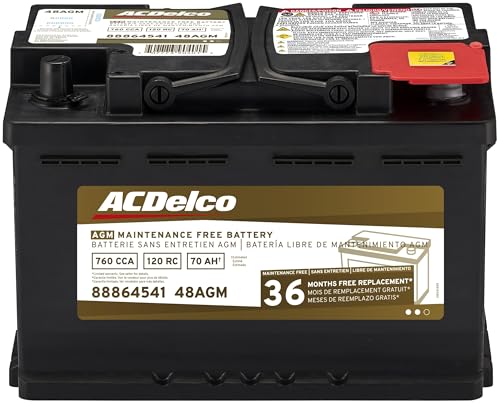
ACDelco Gold 48AGM (88864541) 36 Month Warranty AGM BCI Group 48 Battery
The ACDelco Gold 48AGM battery is designed to withstand heat, helping to extend your battery life.
FAQ
How long is a typical car battery warranty?
Most car batteries come with a free replacement window of 24-36 months. After that, prorated coverage can extend for several additional years, depending on brand and retailer. Always confirm the exact terms at purchase because transfer rules and exclusions vary.
Does an OEM battery have a longer warranty than aftermarket?
OEM batteries often follow the vehicle maker’s warranty terms, which are generally straightforward and transferable in many cases. Aftermarket warranties vary widely by brand and retailer, with some offering longer prorated terms but stricter installation or documentation requirements.
What voids a car battery warranty?
Common causes include improper installation, misuse, physical damage to the case, and charging system abuse that leads to improper charging. Extreme heat and deep discharges can also void coverage in some plans. Always read the exclusions for your specific battery.
What documents do I need to file a warranty claim?
You typically need proof of purchase, the battery’s model/serial number, and installation documentation. Some claims require proof that the battery was installed by an authorized technician or retailer. Keep receipts and warranty cards in a safe place.
Can a weak battery still be covered if it dies during a trip?
Warranty coverage depends on the cause of failure. If the defect is linked to materials or workmanship, it may be covered. If the failure results from wear, improper use, or external factors, coverage is unlikely. Check the exact terms for any claim.
A practical verdict: yes, car batteries usually have warranties, but the real value shows up in the free replacement window, prorated terms, and how easy the claim process is. Protect yourself by keeping receipts, understanding the terms before you buy, and choosing installation options that keep coverage intact. If you’re due for a battery replacement, ask about the warranty options up front and get everything in writing.

- 10 Best Battery For Generator Battery Safety Upgrade 2026 - October 12, 2026
- 10 Best Battery For Generator Battery Safety System 2026 - October 12, 2026
- 10 Best Battery For Generator Battery Safety Option 2026 - October 12, 2026