Can You Leave Batteries In A Hot Car?
Heat in a car can push a battery well beyond its normal operating range within minutes. This rapid warming accelerates chemical aging, increases internal pressure, and can cause swelling or leakage. In summer, a closed sedan traps heat quickly enough to degrade battery capacity and shorten life, even for everyday devices. Leaving batteries in a hot car is a bad idea; they should always be brought indoors.
Batteries left in a hot car degrade faster. Heat speeds chemical aging and can cause swelling or leakage, with lithium cells especially at risk. Store spares indoors or in a cool bag, avoid charging in heat, and inspect for damage before reuse.
Key Takeaways
- Heat speeds aging. High temperatures accelerate electrolyte breakdown and capacity loss, shortening battery life.
- Direct sun harms. Car interiors spike temperatures quickly, stressing seals and casings.
- Li-ion are most sensitive. Lithium cells are prone to swelling or thermal events when exposed to heat.
- Store cool and dry. Keep batteries in a climate-controlled space away from heat sources.
- Check before reuse. Look for swelling, leaks, or corrosion, and test performance before reusing.
What happens when a battery overheats
Recommended Products


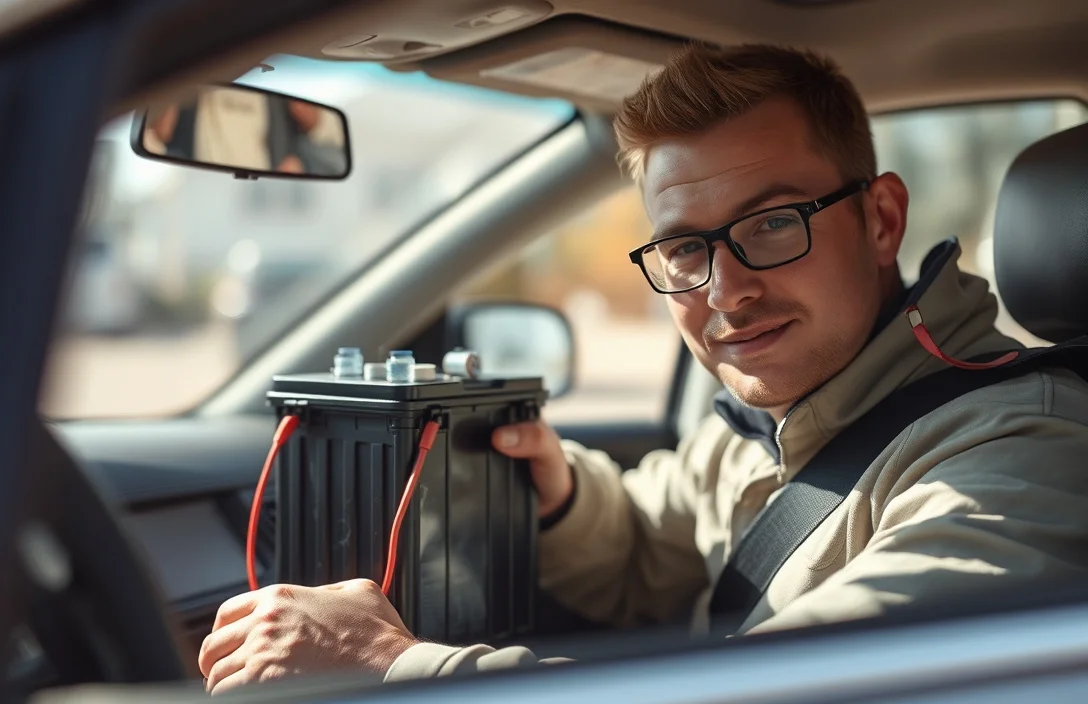
Heat raises the internal temperature of a cell, speeding chemical reactions and shifting electrode balance. Electrolyte degradation accelerates, separators can break down, and gas formation increases internal pressure. These changes can lead to swelling, venting, or, in extreme cases, internal shorts.
Different chemistries react differently to heat. Lithium-ion cells are particularly prone to swelling and, if damaged or exposed to enough heat, can enter a thermal event. Lead-acid batteries may vent water and gas, risking electrolyte loss and corrosion of terminals. Nickel-metal hydride cells fade faster under heat, though their responses are usually less dramatic than those of lithium-ion.
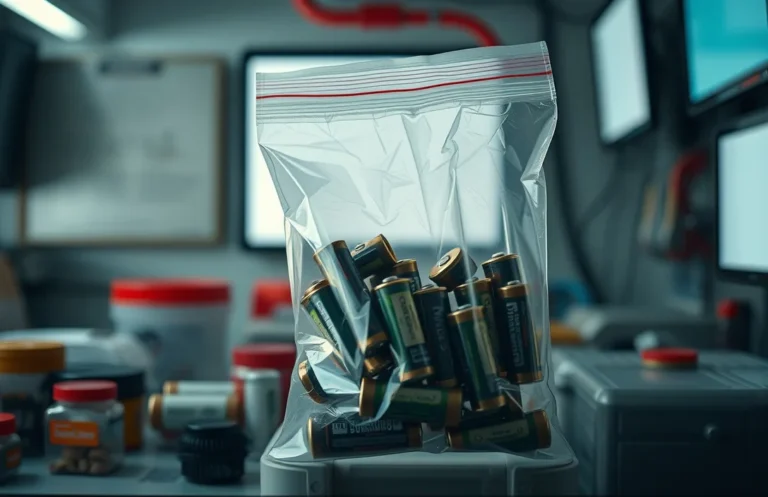
For example, a battery that spends hours in a hot car may show visible signs of swelling or emit a noticeable odor of gas. Treat any suspect pack as potentially damaged, and replace or recycle it according to local guidelines. If you have to transport spares, keep them in a cool bag and away from metal objects that could short-circuit terminals.
Common failure modes include swelling or venting, leakage or corrosion at terminals, and rapid capacity loss that makes a device unreliable. A damaged pack can heat unevenly, creating a cycle of rising temperature and further degradation. The risk extends beyond diminished performance; heated packs can become unsafe to handle.
Heat effects by battery chemistry
Recommended Products


Li-ion cells respond quickly to heat. Thermal stress accelerates aging and can trigger safety mechanisms in protected packs. However, a damaged cell can still pose a risk. Store Li-ion packs in a cool, dry place and avoid charging in hot environments.
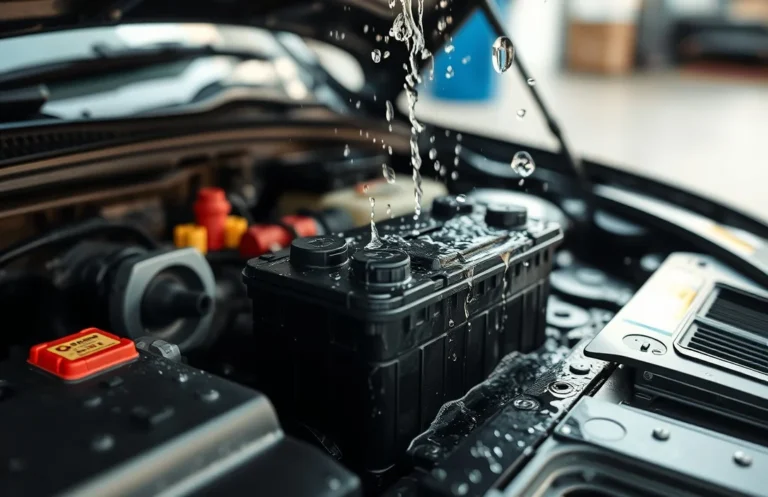
Lead-acid batteries react to heat by gas formation and electrolyte loss if venting occurs, which can corrode terminals and reduce overall capacity. Store lead-acid packs upright in a ventilated area to mitigate risks; keep them away from moisture and heat sources.
Nickel-metal hydride cells exhibit increased self-discharge and capacity fade when exposed to heat, though they are generally less volatile than lithium-ion under similar conditions. Cool, dry storage remains the safest default for NiMH packs.
Table: Heat effects by chemistry and storage guidance
| Chemistry | How heat affects | Safe storage guidance |
|---|---|---|
| Li-ion | Thermal runaway risk; faster aging | Cool, dry place; avoid charging in heat; store at partial state of charge for long-term storage when recommended by manufacturer |
| Lead-acid | Water loss via gassing; plate sulfation | Store upright in ventilated area; cool, dry environment; check electrolyte levels if applicable |
| NiMH | Capacity fade; higher self-discharge with heat | Cool, dry storage; avoid full charge in heat; remove from devices if they feel hot |
What to do if left in a hot car
Recommended Products



If a battery has sat in a hot car, move it to a cool place immediately. Do not plug it into a charger while it’s hot. Inspect for signs of damage such as swelling, leaks, or corrosion at terminals. If any damage is evident, do not reuse; dispose of it properly and replace it with a new pack.
Implement a quick three-step check: move the battery to shade or indoors, let it cool to ambient in a ventilated space, and then decide on reuse only after a careful visual and performance check. If the battery remains hot to the touch after a reasonable cooling period, treat it as potentially compromised and replace it.
Storage and transport best practices
Recommended Products


Store batteries in a cool, dry place away from direct sunlight and heat sources. Keep spare packs in their original packaging or a protective case, and use insulated bags when transporting them over long distances. Avoid leaving batteries in vehicles, especially on warm days, and never place them near metal objects that could short terminals.
For long-term storage, follow the manufacturer’s guidance on state of charge and temperature. If unsure about a pack’s condition after overheating exposure, replace it rather than risk unexpected failure in use.

Helpful pick
Ontel Battery Daddy Smart – Battery Organizer Storage Case with Tester, Stores & Protects Up to 150 Batteries, Clear Locking Lid, As Seen On TV, Smart – 150 Batteries (BADAS-MC4)
This organizer stores and protects up to 150 batteries, ensuring they remain safe during transport and storage.
Essential Tools for Battery Protection in Heat

GlossyEnd Set of 4 – Two AA and Two AAA Battery Storage Box, Battery Storage Case Holder with Tester, Clear. Each Case Stores 48 Batteries
The GlossyEnd Battery Storage Box keeps batteries organized and protected, preventing damage from heat exposure when stored in a hot environment.

Zeee Fireproof Explosionproof Large Capacity Battery Storage Guard Pouch for Lipo Charge & Storage (8.46 x 6.5 x 5.71 in)
The Zeee Fireproof Battery Storage Pouch is designed to safely contain batteries, minimizing risks associated with high temperatures and potential explosions in a hot car.
Safety considerations and replacement guidelines

Any sign of swelling, warping, leakage, or a strong chemical odor warrants immediate action. Do not handle or charge a damaged pack. Dispose of damaged batteries according to local regulations and replace them with a pack that passes a manufacturer-recommended inspection. Regular checks after heat exposure help prevent sudden device failures.
Even healthy packs degrade with heat exposure. If you notice noticeably reduced performance, longer recharge times, or abnormal warmth during charging, plan for replacement and reevaluate your storage practices.
Common scenarios and quick decisions
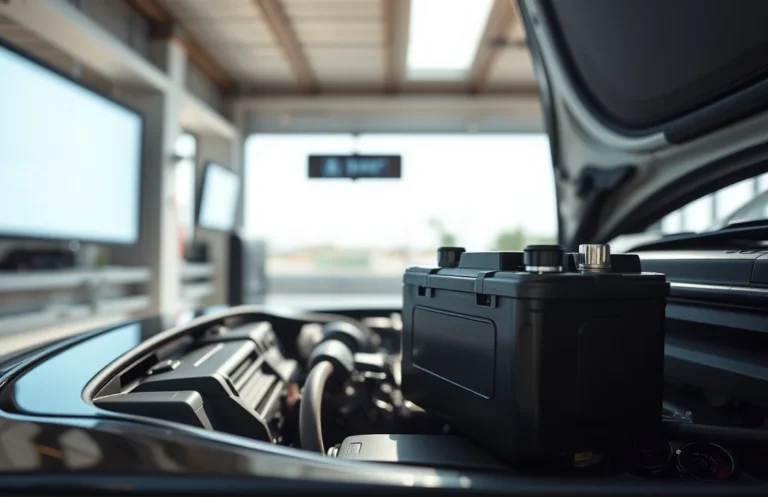
Phone and tablet batteries rise in risk when left in a hot car, especially during summer. If a spare pack for a laptop or camera has spent time in high heat, assume it needs testing and possibly replacement. Vehicle starting batteries can handle short heat spikes, but prolonged exposure reduces their reserve capacity and lifespan.
Power tools and e-bike batteries require particular care. Don’t leave fast-charging packs in a hot vehicle after a long job; instead, move them to a cool place and allow a full cool-down before charging. In every case, if you observe swelling, deformation, or leakage, replace and recycle according to local rules.
Heat is the single biggest factor driving battery degradation outside normal use. Treat heat exposure as a deal-breaker for storage, transport, and charging. Keep packs cool, inspect after any heat exposure, and replace damaged or suspicious cells promptly. A cool, consistent storage habit is the best guarantee of longer life and safer operation.
| Option | Why it helps | Price | Link |
|---|---|---|---|
| Ontel Battery Daddy Storage & Organizer Case w/Tester, Stores & Protects Up to 180 Batteries, Double-Sided, Clear Locking Lid, Secure Latches & Portable Carrying Handle – Red (Batteries Not Included) | Keep your batteries organized and tested to ensure they are safe after exposure to heat. | Check price | View → |
| Amazon Basics Portable Battery Storage Case with Tester, Wall-Mounted Design, Carrying Handle, Holds 110 Batteries, 9.37 x 11.69 x 2.91 inches, Clear/Black | This portable battery storage case helps you manage and test batteries that may have been overheated. | Check price | View → |
FAQ
Can leaving a battery in a hot car permanently ruin it?
Yes. Prolonged heat accelerates aging, can cause swelling or leakage, and may reduce capacity permanently. If you suspect damage, replace rather than reuse.
How hot is too hot for a battery in a car?
Temperature is not a fixed threshold; interior car temperatures can exceed ambient by tens of degrees in minutes. Avoid leaving any battery inside a vehicle on warm days, and never charge in a hot environment.
Will a swollen battery recover after cooling down?
Swelling indicates internal damage. Cooling does not restore the cell; it should be replaced and recycled, not recharged.
Is it safe to charge a battery that was in a hot car?
No. Charging while a battery is hot can worsen damage or trigger safety protections. Allow a full cool-down first and inspect for signs of distress before charging.
What about car batteries vs device batteries?
Car batteries and consumer device batteries share heat-related risks, but car batteries are larger and less forgiving of heat. Treat both as heat-sensitive assets and prioritize cool storage, safe handling, and proper disposal if damaged.

- 10 Best Battery For Generator Battery Safety System 2026 - October 12, 2026
- 10 Best Battery For Generator Battery Safety Option 2026 - October 12, 2026
- 10 Best Battery For Generator Battery Safety 2026 - October 12, 2026