Can A Car Battery Last 10 Years?
Can a car battery last 10 years? Rarely for a typical 12V lead-acid pack, but possible with LiFePO4 or premium AGM technology in mild climates and with careful maintenance. Most cars see 3-5 years from a flooded lead-acid battery, 4-7 years from AGM, and 8-12 years from LiFePO4 under ideal conditions. This guide provides practical ranges, a simple formula, real-world caveats, and a method to estimate your odds.
Most drivers won’t achieve a full decade from a conventional car battery. Lifespan depends on chemistry, climate, and daily usage. A quick forecast can be made using a few inputs and a straightforward multiplier model, then cross-checked with your car’s charging habits and maintenance routine.
Key Takeaways
- Typical lifespans: 3-5 years for flooded lead-acid; 4-7 years for AGM; 8-12 years for LiFePO4 under ideal care.
- Climate matters: Hot climates shorten lifespan; mild climates enhance longevity; extreme cold impacts chemistry differently.
- Usage depth: Deep discharges reduce life; keep average depth of discharge low to maximize cycles.
- Maintenance matters: Proper charging and clean terminals extend life; neglect increases failure risk.
- Plan for replacement: Budget for a battery change every 4-7 years, with LiFePO4 nearing a decade only in ideal conditions.
Lifespan by Chemistry and Climate
Recommended Products



Lead-acid batteries power most cars today, and chemistry influences lifespan. Flooded lead-acid packs (the traditional type) are inexpensive but degrade faster with deep discharges or heat exposure. AGM (absorbed glass mat) packs resist vibration and handle deep cycling better, but heat and heavy use still reduce their lifespan. Lithium iron phosphate (LiFePO4) 12V systems offer longer cycle life but come with higher costs and specific charging requirements.
In mild, well-managed conditions, typical lifespans are:
- Flooded lead-acid: about 3-5 years
- AGM lead-acid: about 4-7 years
- LiFePO4: about 8-12 years
Best-case scenarios with careful maintenance can push these upper limits higher, especially for LiFePO4. Conversely, high heat, heavy usage, and poor charging practices can significantly shorten lifespans for flooded and AGM types.
Table: Typical Life by Chemistry and Climate
| Battery Type | Typical Life (Years) | Best Climate | Worst Climate |
|---|---|---|---|
| Flooded lead-acid | 3-5 | Mild temperatures, moderate use | Hot summers, high humidity |
| AGM lead-acid | 4-7 | Mild temperatures, steady charging | Very hot or extreme cold, frequent deep cycling |
| LiFePO4 12V | 8-12 | Mild climates, good BMS, light use | Very hot climates, high load, deep cycling |
LiFePO4 batteries excel in longevity, but they still require maintenance and proper charging. Poor conditions can lead to failure, regardless of the technology.
What Wears a Car Battery Down
Recommended Products


Batteries age due to heat, discharge depth, and cycling frequency. Heat speeds up corrosion and electrolyte loss, reducing usable life. Short trips prevent full recharges, leading to deeper discharges over time. Electronics can drain the battery, accelerating sulfation on lead-acid plates.
A new battery can also suffer if the charging system is faulty. Undercharging or overcharging from a malfunctioning alternator accelerates aging. Loose or corroded terminals add internal resistance, generating heat and increasing wear. Vibration from rough roads compounds these issues. Optimal lifespan comes from keeping batteries within normal operating temperatures, with regular driving that achieves full charge cycles.
For instance, a driver with 20-minute commutes in a hot climate who frequently uses power-hungry accessories will see accelerated aging. In contrast, a highway driver with a LiFePO4 pack and a solid charging routine can minimize wear and maximize lifespan.
A Simple Calculator to Estimate Lifespan
Recommended Products



To approximate your battery’s lifespan, use a base life by chemistry and apply multipliers for climate, usage depth, and charging quality. Multiply a base lifespan by adjustments for actual conditions.
Base lifespans by chemistry (years):
- Flooded lead-acid: 4
- AGM lead-acid: 5
- LiFePO4: 9
Multipliers (0.75-1.0 range):
- Climate: Mild = 1.0, Hot = 0.85, Cold = 0.95
- Usage depth (average annual discharge): Low = 1.00, Moderate = 0.95, High = 0.85
- Charging/maintenance quality: Good = 1.00, Mixed = 0.95, Poor = 0.90
Estimated years = Base life × Climate × Usage × Maintenance
Worked Example 1
- Battery: AGM lead-acid
- Climate: Mild (1.0)
- Usage: Moderate (0.95)
- Maintenance: Good (1.0)
- Estimated life: 5 × 1.0 × 0.95 × 1.0 = 4.75 years
Worked Example 2
- Battery: Flooded lead-acid
- Climate: Hot (0.85)
- Usage: High (0.85)
- Maintenance: Mixed (0.95)
- Estimated life: 4 × 0.85 × 0.85 × 0.95 ≈ 2.74 years
Worked Example 3
- Battery: LiFePO4
- Climate: Mild (1.0)
- Usage: Low (1.00)
- Maintenance: Good (1.0)
- Estimated life: 9 × 1.0 × 1.0 × 1.0 = 9 years
To use the calculator, select your battery type, estimate the climate, assess usage depth, and evaluate charging habits. The result offers a rough forecast, useful for planning and timing replacements.
How to Maximize Lifespan
Recommended Products


Longer battery life comes from consistent care, smart charging, and sensible usage. Key practices include:
- Keep the battery within its ideal temperature range and park in shade during hot days.
- Avoid short trips that don’t fully recharge the battery; longer drives help reset the charge.
- Use a battery maintainer or trickle charger when the vehicle sits unused for extended periods.
- Clean and tighten terminals and apply anti-corrosion spray as needed.
- Choose a battery type suited to your climate and driving pattern; LiFePO4 may offer longer life but isn’t always the best value.
Regular checks on the alternator output and battery voltage under load reveal early faults that can shorten lifespan.
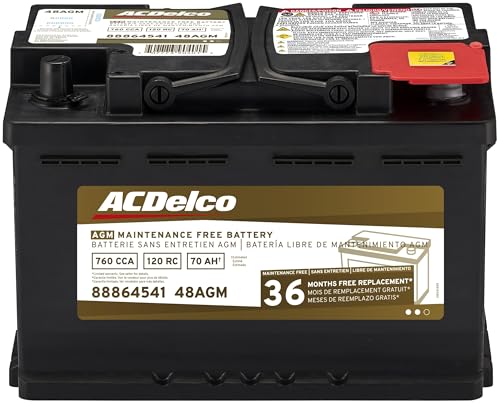
Helpful pick
ACDelco Gold 48AGM (88864541) 36 Month Warranty AGM BCI Group 48 Battery
The ACDelco Gold 48AGM battery offers reliable performance, helping maintain optimal power for longer battery life.
Top Tools for Extending Car Battery Life
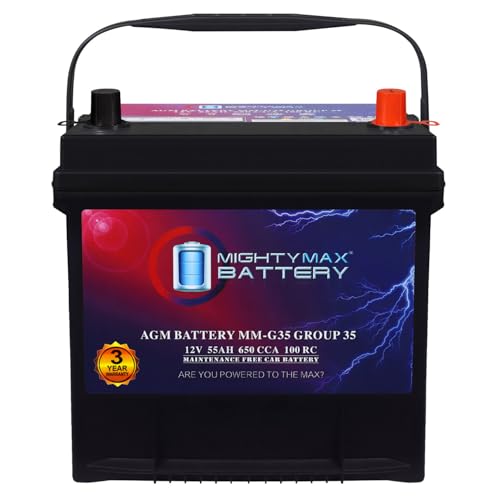
Mighty Max Battery MM-G35 Start and Stop Car BCI Group Size 35 12V 55Ah, 100RC, 650 CCA Rechargeable AGM Car battery
The Mighty Max Battery MM-G35 offers reliable performance with a 650 CCA rating, making it a strong choice for longevity in various driving conditions.
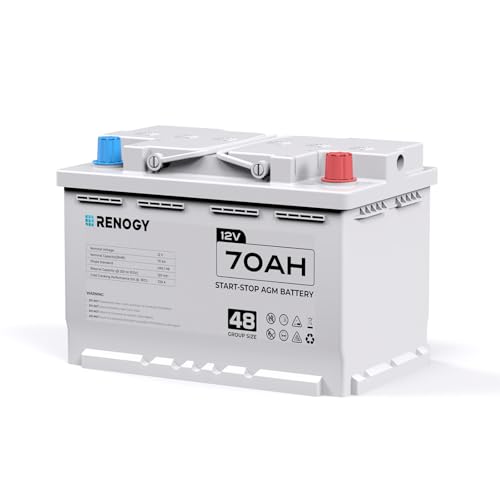
Renogy 12V 70Ah AGM Car Battery H6, Group 48 Start and Stop Automotive Battery with 720 CCA, 120RC, Reliable Power for Cars, SUVs, Trucks, and Marine Starting
Renogy’s 12V 70Ah AGM Car Battery is designed for durability and high performance, providing dependable starting power that can help extend battery life.

OPTIMA Batteries High Performance 34/78 RedTop Sealed AGM Car, Truck, and SUV Starting Battery, 800 CCA, Dual SAE and GM Terminals, Maintenance Free, Versitile Mounting
OPTIMA Batteries’ High Performance 34/78 RedTop features maintenance-free technology and high CCA, ensuring consistent starting power that contributes to a longer battery lifespan.
When to Replace and How to Choose
Recommended Products



A battery often shows its age through slow engine starts, dashboard warnings, or reduced cranking power. If cranking slows or voltage drops below a threshold, replace it promptly. A professional battery test can assess health, reserve capacity, and the charging system’s recovery ability.
Selecting a replacement requires balancing cost, longevity, and compatibility. Flooded lead-acid batteries are the most affordable, but they require diligent maintenance. AGM batteries handle vibration better and generally last longer. LiFePO4 packs offer the most extended lifespan and tolerate frequent deep cycling, but their higher cost and specific requirements must align with your vehicle’s needs.
For most drivers, AGM batteries with a solid warranty are ideal in climates averaging above 70 degrees Fahrenheit in summer. In hotter regions or for vehicles that remain unused for long periods, LiFePO4 can provide real benefits, provided the system supports it.
As a rule of thumb: for the longest service life with moderate upfront costs, choose AGM in temperate climates; if cost is less pressing and you seek long-term performance, consider LiFePO4 with appropriate charging support.
Real-World Scenarios and Caveats
Real-world lifespans can vary widely from the calculator’s estimates. A car in a hot southern city with frequent short trips and a parasitic draw from an aftermarket stereo may see a flooded lead-acid battery degrade in 2-3 years. Conversely, a well-maintained vehicle with a LiFePO4 pack primarily used for highway driving in a mild climate may approach 9-12 years, particularly with a BMS that protects cells and a charging system that maintains healthy voltage.
The key caveat is the interdependence of factors. Battery health results from a combination of design, charging behavior, climate, driving patterns, and maintenance. Treat the calculator as a planning tool, not a precise predictor. If you expect a 7-year lifespan for an AGM in a warm climate, you’ll be prepared for potential early failures and replacement costs.
Consider a city commuter who drives 5-6 days a week with mostly short trips in a warm climate. This driver’s battery will age rapidly due to insufficient recharging. In contrast, a highway-oriented driver in a temperate climate who regularly uses a battery maintainer can push lifespan toward the higher end of the range.
FAQ
How much does a new car battery cost on average?
A new battery typically costs $70-$120 for flooded lead-acid, $100-$250 for AGM, and $250-$700 for LiFePO4, depending on capacity and vehicle requirements. Installation, if needed, adds a small charge on most models.
How long does it take to replace a car battery?
Replacing a battery usually takes 15-30 minutes, depending on vehicle access and whether the battery tray or cables need extra work. In casual settings, expect 30-60 minutes from start to finish.
Can extreme heat damage a car battery faster than cold?
Heat accelerates aging by speeding up chemical reactions and causing electrolyte loss, often reducing lifespan by months. Cold can reduce capacity but generally does not shorten life as dramatically as heat, especially for LiFePO4.
Is it worth upgrading to LiFePO4 for longevity?
If you want the longest service life and your vehicle supports it, LiFePO4 can offer 8-12 years in ideal conditions. However, the trade-offs include higher upfront costs and compatibility with the vehicle’s charging system.
What maintenance steps prevent premature failure?
Maintain a healthy charging system, clean terminals, avoid deep discharges, and use a battery maintainer during long idle periods. For LiFePO4, rely on the BMS to protect cells and ensure proper charging.
Bottom line: a 10-year car battery is possible but not typical for most drivers or battery types. Use the calculator to set expectations, then invest in a battery and charging routine that fit your climate and driving style. To run the numbers yourself, identify your battery type, estimate climate, assess daily usage, and evaluate charging behavior – then plan around the likely range and be ready for occasional mid-life replacements.

- 10 Best Battery For Generator Battery Safety System 2026 - October 12, 2026
- 10 Best Battery For Generator Battery Safety Option 2026 - October 12, 2026
- 10 Best Battery For Generator Battery Safety 2026 - October 12, 2026