Does Concrete Drain Car Batteries?
Concrete does not drain a car battery in ordinary conditions. The old belief that a battery sitting on damp concrete loses charge faster is a garage myth. Modern batteries, especially sealed lead-acid and AGM types, aren’t affected by floor material under normal storage. The real killers are battery age, extreme temperatures, and parasitic draws, not the concrete surface. Concrete drain? Not in ordinary conditions.
Myth: does concrete drain car batteries? On a clean concrete floor, a standard 12-volt lead-acid or AGM battery shows no measurable discharge over days of storage. Tests and field observations show essentially zero difference in resting voltage after 24-72 hours on concrete versus on wood or shelves. If the battery dies, it’s due to age, extreme temperatures, or parasitic draws, not the concrete.
Key Takeaways
- No sustained drain. Concrete does not cause measurable discharge on a healthy battery during normal storage.
- Moisture is not a reliable path. Floor moisture or salts do not reliably sap charge from a battery.
- Battery health matters. A failing battery loses charge for internal reasons, not because of the floor.
- Storage duration matters. Extended storage requires proper maintenance, but the floor surface remains a minor factor.
- Other factors dominate. Temperature, parasitic draw, and charging system efficiency drive battery longevity far more than the surface.
How car batteries work and storage realities
Recommended Products


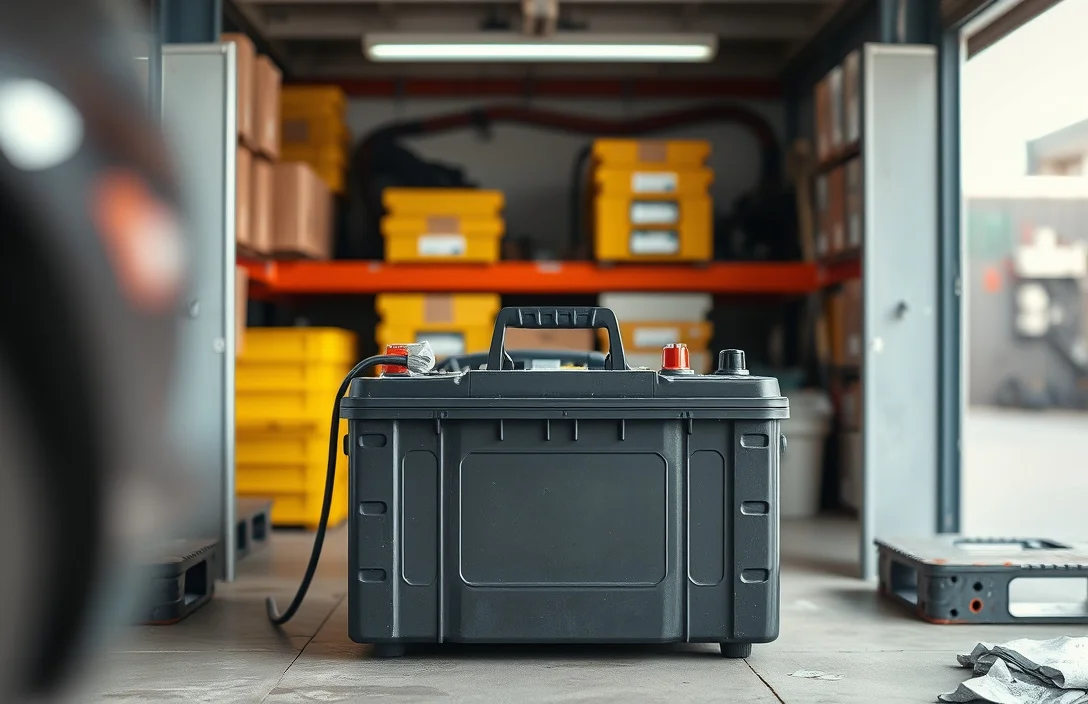
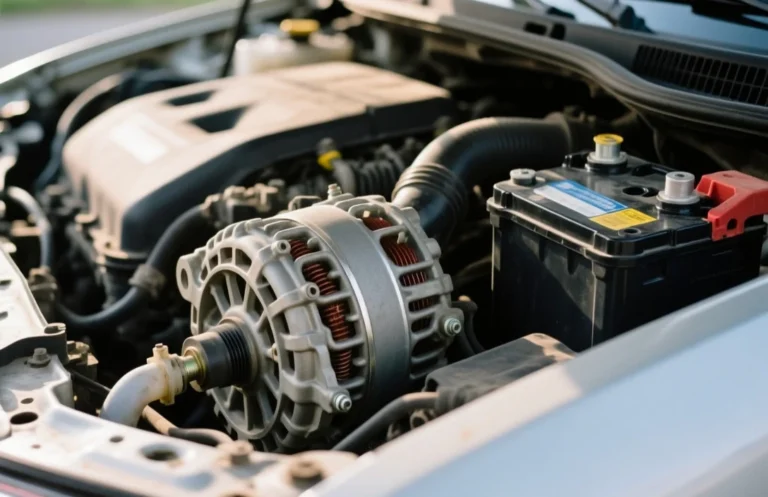
A car battery stores chemical energy and converts it to electrical energy when you crank the engine and run accessories. In most passenger cars, you’re looking at a 12-volt lead-acid battery. Some newer vehicles use AGM (absorbed glass mat) or other sealed formats. The battery’s health depends on cell integrity, temperature exposure, and how well a charging system can replace the energy you use. In practical terms, a healthy battery on a normal surface will perform the same whether it sits on concrete, wood, or a plastic tray, provided there’s no leakage or extreme heat buildup.
When you store a car battery, temperature stability and ventilation matter more than the floor underneath. Heat accelerates chemical aging; cold slows chemical reactions but increases the risk of sulfation if the battery is not charged. A battery on a flat, non-conductive stand helps prevent heat pockets and ensures air circulation around the case. A bare battery placed directly on a damp floor can condense moisture on its surface, but that moisture rarely creates a meaningful discharge path through the case and terminals. Storage surface is a minor variable next to the big players: battery age, state of charge, temperature exposure, and any parasitic drain from the vehicle’s systems.
In practice, keep the battery dry, off extreme heat or cold, and away from direct leaks. If you store in a garage that regularly drops below freezing or heats above comfortable room temperature, plan for a maintenance routine or a battery maintainer to hold a proper charge. The surface you set the battery on matters far less than you might think.
For example, a weekend storage scenario shows the difference. A battery stored on a damp concrete slab with a small parasitic draw can still hold charge if the surface is dry and the battery remains within a normal state of charge. By contrast, the same battery stored on a metal tray in a hot, unventilated space ages faster and is more prone to leakage-related failure. The concrete floor, in these cases, is a non-factor compared to temperature, age, and electrical load.
where it comes from and what is true
Recommended Products


The concrete drain idea traces back to older workshop lore and misinterpretations of how current can move through moist materials. In older garages, batteries were sometimes exposed to humidity, porous floors, or metal supports that could, under rare circumstances, influence charging behavior. Modern automotive batteries are sealed and have internal protections. The era of free-flowing moisture causing rapid discharge simply isn’t how today’s batteries work.
What still matters is temperature exposure and charge state. A battery sitting on a cold concrete slab can experience slower chemical reactions, which may feel like a weak start on a cold morning. That does not equate to a sustained discharge caused by the concrete itself. Likewise, a damp or wet floor can contribute to corrosion at the terminals if condensation leads to moisture infiltration, but that is a maintenance issue, not a direct drain from the surface. In short, the myth is persistent, but the physics and the typical battery designs in use today don’t support it as a reliable discharge mechanism.
You’re better off focusing on the battery’s age, the vehicle’s electrical load, and storage conditions. If you notice consistent dead batteries in a stored vehicle, the problem is more likely parasitic draw, a failing alternator, or sulfation from chronic undercharging rather than anything to do with the concrete underfoot. The surface may be a minor factor in extreme, abnormal conditions, but it isn’t the root cause you should plan for.
What actually drains a car battery
Recommended Products


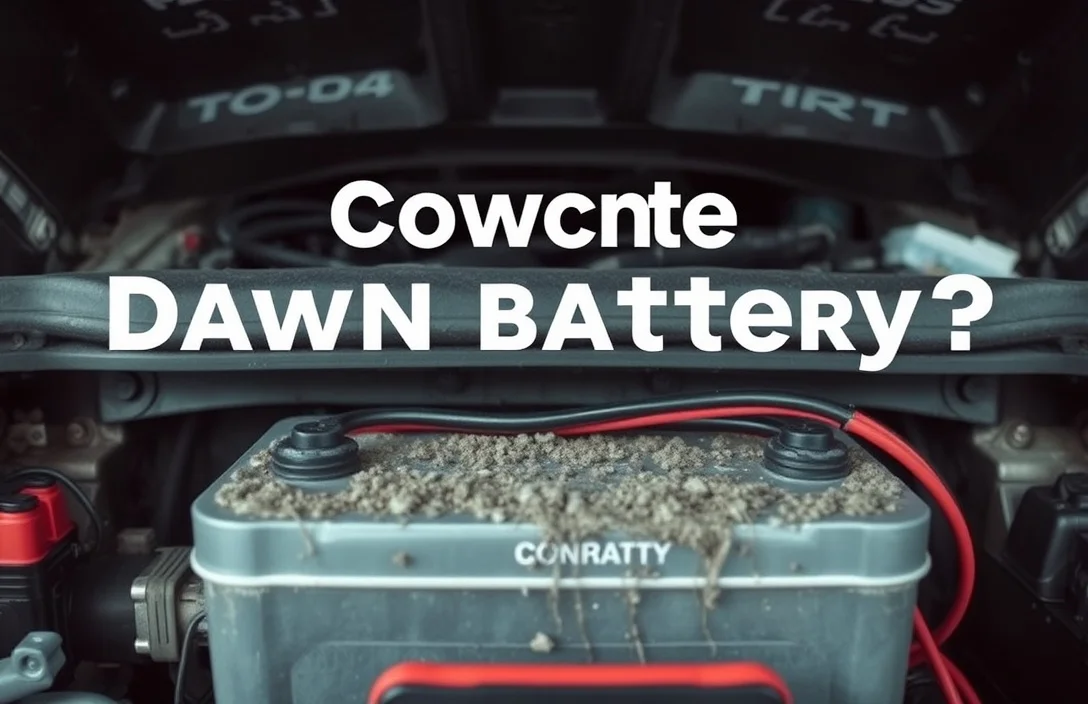
A handful of real, repeatable causes produce a dead battery far more reliably than concrete ever would. Understanding these helps you diagnose and fix the issue faster.
- Parasitic draws. After you turn the car off, clocks, security alarms, ECU modules, and other systems continue to pull current. If the draw exceeds normal levels or persists longer than a few hours, the battery can be depleted.
- Battery age and sulfation. Lead-acid batteries lose capacity as they age. Sulfation from chronic undercharging reduces the battery’s ability to hold a charge, especially after repeated short trips that don’t fully recharge.
- Extreme temperatures. Very cold temperatures reduce chemical reaction rates inside the battery; heat accelerates aging and can increase water loss in flooded designs. Both conditions shorten life and can feel like a drain when you try to start after storage.
- Charging system failure. If the alternator or belt is failing, the battery won’t get recharged while the engine runs, leading to a dead battery after a few cycles.
- Short trips and insufficient recharge. Frequent short trips don’t give the alternator enough time to replenish the battery, so the overall state of charge declines over days and weeks.
- Serious leaks or damage. Physical damage, cracked cases, or electrolyte leaks create rapid, irreversible capacity loss and should be treated as a failure.
- Measure resting voltage with the battery disconnected from the vehicle or after a long period of rest. A healthy, fully charged 12-volt battery sits around 12.6-12.8 volts. If you see 12.4 volts or lower, charge and retest.
- Inspect for physical damage, terminal corrosion, or electrolyte leaks. Clean the terminals and reseat all connections before retesting.
- If resting voltage is acceptable but the battery dies under load, you may have a parasitic draw or a failing alternator. A professional load test or parasitic-current measurement can verify the issue.
- If the battery repeatedly fails after charging, sulfation from chronic undercharging could be to blame, and replacement is often the most reliable option.
- Confirm the battery is properly charged before each test.
- Inspect terminal connections for corrosion and tightness.
- Check for obvious parasitic drains by disconnecting fuses one at a time and observing whether the draw drops.
- Test the charging system with the engine running to confirm proper alternator output.
- Consider a full battery replacement if the battery is older or shows consistent poor performance after tests.
- Keep terminals clean and tight; corrosion accelerates resistance and reduces effective charging.
- Use a charger or maintainer appropriate for your battery type (flooded, AGM, or gel).
- Test the battery at least twice a year, or more often in extreme climates.
- Replace the battery every 3-5 years depending on climate and usage; older batteries are more prone to unexpected failure.
- If you tow or store a vehicle for weeks, consider disconnecting the negative terminal to minimize parasitic draw, while noting that some electronic systems may reset.
| Cause: Parasitic draws | Symptom: Car won’t start after overnight rest | Fix: Identify and disconnect constant-draw circuits; replace faulty modules. |
|---|---|---|
| Cause: Age and sulfation | Symptom: Quick discharge after storage | Fix: Replace battery; consider high-CCA or AGM type for harsh climates. |
| Cause: Temperature stress | Symptom: Sluggish starts in cold or rapid aging in heat | Fix: Store in climate-controlled area; use a battery maintainer in winter. |
| Cause: Faulty charging system | Symptom: Engine runs but battery does not recharge | Fix: Inspect alternator, belts, and wiring; repair as needed. |
| Cause: Short trips | Symptom: Dips in charge over days | Fix: Take longer drives or use a maintainer to keep charge between uses.Does concrete matter in storage? Practical scenarios |
Concrete is not a reliable discharge path for a healthy battery in normal garage storage. The focus should be on temperature control, ventilation, and avoiding leaks.
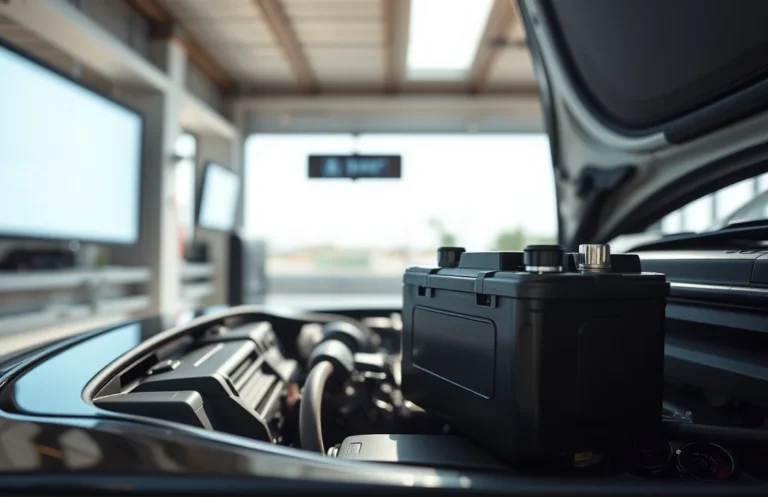
Use a non-conductive stand or tray to keep the battery dry and off metal rims, especially in damp environments. If you use a battery maintainer, connect it to a fully charged battery on a stable, ventilated surface away from heat sources. A simple setup: store on a plastic tray or wooden platform; keep the battery closed; ensure ventilation around the case.
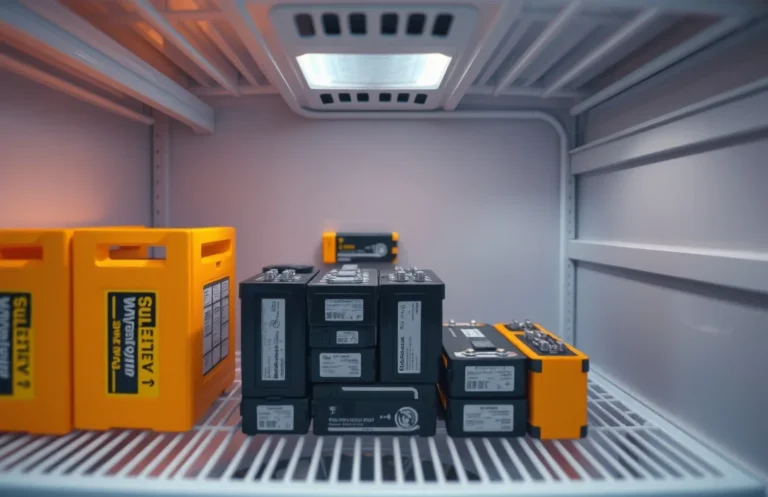
In colder climates, move the stored battery to a slightly warmer location or use a trickle charger that maintains a full state of charge. In hot environments, shade the battery or move it away from direct sunlight to reduce temperature-induced aging. These practices address the real failure modes far more reliably than worrying about the concrete itself.
For example, a weekend-swap scenario shows the difference. A battery stored on a damp concrete slab with a small parasitic draw can still hold charge if the surface is dry and the battery remains within a normal state of charge. The same battery stored on a metal tray in a hot, unventilated space ages faster and is more prone to leakage-related failure. The concrete floor is a non-factor compared to temperature, age, and electrical load.
Diagnosing a dead battery: a practical workflow
When you suspect a battery issue, start with the simplest check and move toward more precise tests. Begin with voltage and a basic inspection, then proceed to load tests or alternator checks if needed.
A quick checklist helps isolate the problem:
Essential Tools for Battery Care and Maintenance

NOCO GENIUS2: 2A 6V/12V Smart Battery Charger – Automatic Maintainer, Trickle Charger & Desulfator with Overcharge Protection & Temperature Compensation – for Lead-Acid & Lithium Batteries
The NOCO GENIUS2 charger ensures your car battery remains charged and healthy, preventing any potential drainage caused by contact with concrete surfaces.

NOCO GENIUS10: 10A 6V/12V Smart Battery Charger – Automatic Maintainer, Trickle Charger & Desulfator with Overcharge Protection & Temperature Compensation – for Lead-Acid & Lithium Batteries
With the NOCO GENIUS10, you can maintain optimal battery health, mitigating the risk of drainage from concrete exposure through smart charging technology.

1.75-Amp Car Battery Charger, 6V and 12V Smart Fully Automatic Battery Charger Maintainer, Trickle Charger, Battery Desulfator for Car, Lawn Mower, Motorcycle, Boat, Marine Lead Acid Batteries
This 1.75-Amp Car Battery Charger automatically maintains your battery, helping to prevent drainage issues that can arise from prolonged contact with concrete.
Prevention: storage, maintenance, and replacement
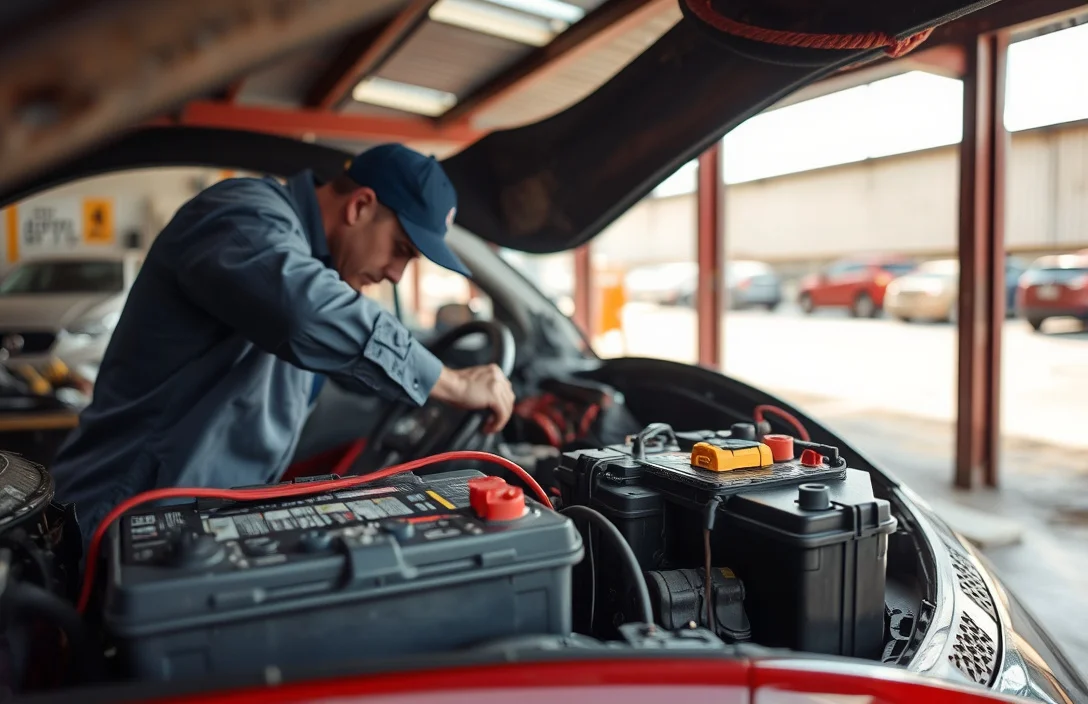
Prevention combines proper storage, regular maintenance, and timely replacement. Treat the battery as a living component with a finite life, not a disposable part you can ignore until it fails. For storage in a garage or shed, keep the battery in a dry, ventilated space away from direct heat or freezing temperatures. Use a battery maintainer if you expect long terms of inactivity; it keeps the charge topped up without overcharging.

Helpful pick
NOCO GENIUS1: 1A 6V/12V Smart Battery Charger – Automatic Maintainer, Trickle Charger & Desulfator with Overcharge Protection & Temperature Compensation – for Lead-Acid & Lithium Batteries
This smart charger automatically maintains your battery, ensuring it stays healthy during storage.
Practical maintenance steps:
| Environment: Cold, damp garage | Recommendation: Use a battery maintainer; store on insulating material; check electrolyte levels if applicable. |
|---|---|
| Environment: Hot pantry-like shed | Recommendation: Keep in shade; ensure ventilation; use a high quality AGM if storage is long. |
| Environment: Frequent short trips | Recommendation: Use a portable charger or drive regularly to replenish charge. |
| Environment: Long-term storage | Recommendation: Disconnect battery, store at moderate temperature, monitor with a maintainer.The practical verdict and next steps |
Concrete is not a reliable drain path for car batteries under normal conditions. If a battery dies, look to age, temperature exposure, and parasitic draws rather than the surface it sits on. Use a battery maintainer for long storage, inspect terminals regularly, and test the charging system if you notice repeated failures. If you’re unsure about a specific setup, a quick professional check can save you time and money.
If you’re trying to avoid future dead batteries, start with a simple routine: keep the battery charged, check terminal cleanliness, and use a maintainer during long storage periods. The concrete floor is not your main adversary; your goal is to keep the battery chemistry happy, the surface dry, and the electrical system healthy.
| Option | Why it helps | Price | Link |
|---|---|---|---|
| NOCO GENIUS5: 5A 6V/12V Smart Battery Charger – Automatic Maintainer, Trickle Charger & Desulfator with Overcharge Protection & Temperature Compensation – for Lead-Acid & Lithium Batteries | This smart charger automatically maintains and protects your battery, ensuring optimal performance and longevity. | Check price | View → |
| Battery Tender 3 AMP Battery Charger and Maintainer – Automotive Switchable 12V or 6V Smart Automatic for Cars SUVs and Trucks – Lead Acid, AGM, Gel, & Lithium Battery Charger – 022-0202-COS | This versatile charger works with various battery types, providing reliable maintenance for your vehicle’s battery. | Check price | View → |
FAQ
Does leaving a car battery on concrete cause faster discharge in cold weather?
No. Cold weather slows chemical reactions inside the battery, but concrete itself does not provide a reliable discharge path. A battery stored on concrete will hold charge comparably to other surfaces if conditions are controlled.
How long can a car battery sit before it starts to fail due to aging?
Most conventional 12-volt lead-acid batteries last 3-5 years under normal use, longer with careful maintenance. Aging reduces capacity and increases the chance of failure after storage or heavy use.
Can a parasitic draw drain a battery even if I drive it every week?
Yes. If the draw exceeds normal levels or the charging system can’t replenish it, the battery will gradually lose charge even with weekly driving. A diagnostic check can pinpoint the culprit.
What’s the best way to store a car battery for the winter in a US garage?
Store on a dry non-conductive surface, in a climate-controlled area, with a battery maintainer connected if possible. Keep terminals clean and covered to avoid corrosion.
If the battery dies after a winter, is it the floor or the battery?
Usually the battery. Winter stresses, sulfation, and parasitic drains are common culprits; the floor usually plays no direct role in the discharge.

- 10 Best Battery For Generator Battery Safety System 2026 - October 12, 2026
- 10 Best Battery For Generator Battery Safety Option 2026 - October 12, 2026
- 10 Best Battery For Generator Battery Safety 2026 - October 12, 2026