Do Unused Batteries Go Bad? Aging Signs And Storage Tips
Unused batteries lose capacity and can drift out of spec even without use. The degradation rate depends on chemistry, storage temperature, and duration of idle time. By following simple guidelines, you can minimize aging and keep batteries usable for years. Here are practical steps to extend shelf life and prevent unexpected failures.
Unused batteries degrade over time, with the pace varying by chemistry and storage conditions. Li-ion and LiFePO4 batteries perform best at about 40-60% state of charge, while lead-acid batteries should remain fully charged. Store all types in a cool, dry place to minimize aging. Regular checks help catch deterioration before it affects device performance.
Key Takeaways
- Degradation occurs naturally. Unused batteries lose capacity over time, even without use.
- Storage conditions matter. Temperature and humidity significantly influence aging rates.
- Li-ion prefers mid charge. A state of charge around 40-60% reduces long-term wear.
- Lead-acid needs full charge. Discharged lead-acid batteries risk sulfation.
- Check and rotate. Inspect voltage or health every 6-12 months to prevent surprise failures.
- Recycle responsibly. Degraded batteries should be recycled according to local guidelines.
What Counts as Unused and How Aging Happens
Recommended Products


Unused batteries are those in storage, not powering devices. Internally, chemical reactions continue at a slow pace even when idle. This self-discharge reduces usable capacity and gradually shifts the chemistry toward lower performance. Temperature plays a crucial role: heat accelerates aging, while cold slows it down but may cause condensation if devices transition between environments.
Two main consequences drive practical decisions. First, voltage sag leads to shorter run times when you finally use the battery. Second, some chemistries experience irreversible changes if stored in the wrong state of charge for too long. The combination of storage temperature, charge level, and chemistry determines whether aging is barely noticeable or significant within months.
You’ll notice the effect most with rechargeable chemistries. Lead-acid batteries tend to sulfate if kept discharged, permanently reducing available capacity. Lithium-based cells lose usable capacity slowly, especially in heat. Nickel metal hydride and nickel cadmium batteries shed capacity faster when idle due to higher self-discharge rates, although the exact pace varies with construction and age.
For example, a Li-ion pack stored at room temperature in a safe, dry area typically ages more slowly than a NiMH pack stored the same way. The best results come from pairing the chemistry with a storage plan that respects its strengths and weaknesses, starting with a clear understanding of what “unused” means for your devices.
How Unused Batteries Age by Chemistry
Li-ion and LiFePO4 cells hold energy efficiently and tend to age slowly when stored properly. Heat is the primary enemy; high temperatures increase electrolyte loss and capacity fade. Avoid leaving packs on chargers or devices that generate heat while idle. A cool, stable environment is crucial, and it’s important to avoid deep discharges or extreme voltage levels.
NiMH and NiCd cells store less energy for long periods and self-discharge more quickly. If stocking these for a camera or remote control, expect noticeable capacity loss after a year of dormancy compared to Li-ion. They tolerate partial recharging better than being left completely discharged, but the aging curve is steeper. In short, idle NiMH and NiCd batteries require more attentive storage and more frequent checks.
Lead-acid batteries are particularly vulnerable to sulfation if left discharged. A fully charged lead-acid battery ages more slowly, but sulfation risk rises if the voltage falls too low. Keep lead-acid packs charged and top off as needed. Exposure to extreme temperatures can ruin electrolyte balance, leading to gassing and capacity loss.
Non-rechargeable alkaline batteries age mainly due to long-term chemical stability and seal integrity. They don’t “age” in the same way as rechargeable cells, but temperature and humidity still matter. A shelf life of several years is typical if stored in a dry, cool place away from sunlight. Expect diminished usability after 10 years without testing.
The rate of decline during idle storage depends on three factors: chemistry, storage temperature, and remaining charge state. To maintain your batteries, establish a storage plan that aligns with your battery types and check voltages periodically. This strategy keeps your unused batteries ready when needed.
Storage Best Practices by Chemistry
| Chemistry | Self-discharge tendency (idle) | Storage temperature sweet spot | Charge state in storage (SOC) | Best practice notes | Typical shelf-life when unused |
|---|---|---|---|---|---|
| Li-ion | Low | 20-25 C | 40-60% | Avoid full charge and deep discharge; use a compatible charger before re-use | 2-3 years |
| LiFePO4 | Low to moderate | 20-25 C | 40-60% | Very forgiving; monitor for swelling and heat | 3-5 years |
| NiMH | Medium | 20-25 C | Partial charge preferred | Rotate or recharge periodically if possible; avoid leaving fully discharged | 1-2 years |
| NiCd | High | 20-25 C | Partial charge preferred | Memory effect more common; periodic cycling helps | 1-2 years |
| Lead-acid | Moderate | 20-25 C | Fully charged | Sulfation risk if discharged; top off regularly; keep electrolyte balanced | 2-6 years |
| Alkaline (non-rechargeable) | Very low | Cool, dry | Not applicable | Store away from heat and moisture; check dates on the package | 5-10 years |
Storage practices vary by chemistry, especially for spares you don’t expect to use soon. Li-ion and LiFePO4 benefit from a mid-range SOC; NiMH and NiCd tolerate partial charge better but degrade faster if left idle. Lead-acid batteries should remain charged to prevent sulfation, particularly in warmer environments. Alkaline cells are the most forgiving regarding temperature but should still be kept dry and out of direct sunlight.
Signs of Aging in Stored Batteries and How to Respond
Voltage drift is the first practical signal of aging. If a pack reads significantly below its nominal voltage during measurement, it’s a sign that aging has progressed beyond normal self-discharge. Swelling or physical distortion is a clear warning; do not use a swollen cell, and isolate it carefully for disposal. Leakage, terminal corrosion, or strong chemical smells also indicate damage or deterioration.
For a trained eye, capacity tests reveal the real story. A used pack that delivers notably less run time than its rated capacity, or fails to return to near-full voltage after a light load test, is aging. It’s best not to push a suspect pack back into service; instead, retire it or recycle it according to local guidelines. Regular checks are essential to catch these issues early.
When in doubt, run a controlled test with the device you expect to power. If the battery fails to provide consistent output across a short cycle, replace it. The goal is to identify aging before it disrupts daily use, rather than chase tiny performance differences after storage.
Aging is rarely dramatic over short periods. The real danger lies in long-term storage in the wrong conditions. A small amount of intentional care now yields significant benefits when you pull the battery back into service months or years later.
Essential Tools for Battery Care and Maintenance

Ontel Battery Daddy Smart – Battery Organizer Storage Case with Tester, Stores & Protects Up to 150 Batteries, Clear Locking Lid, As Seen On TV, Smart – 150 Batteries (BADAS-MC4)
The Ontel Battery Daddy Smart keeps your unused batteries organized and protected, helping to prevent corrosion and extend their lifespan.

Ontel Battery Daddy Storage & Organizer Case w/Tester, Stores & Protects Up to 180 Batteries, Double-Sided, Clear Locking Lid, Secure Latches & Portable Carrying Handle – Red (Batteries Not Included)
The Ontel Battery Daddy Storage & Organizer Case allows you to securely store up to 180 batteries, minimizing the risk of deterioration due to exposure.

Battery Daddy Storage & Organizer Case w/Tester, Stores & Protects Up to 180 Batteries, Double-Sided, Clear Locking Lid, Secure Latches & Portable Carrying Handle – Charcoal (Batteries Not Included)
The Battery Daddy Storage & Organizer Case provides a reliable way to manage your batteries, ensuring they remain in good condition until needed.
Practical Steps for Long-Term Storage at Home
First, separate battery packs by chemistry and keep them in clearly labeled containers. Temperature stability is vital; a closet or cabinet away from heating vents and sunlight is ideal. Store Li-ion and LiFePO4 batteries at 20-25 C and around a 40-60% SOC; keep lead-acid batteries fully charged with periodic recharging to prevent sulfation. Handle all packs with care, avoid punctures, and use original packaging or protective sleeves when possible.
Second, create a simple monitoring routine. Check voltage and look for swelling at least once every 6-12 months for rechargeable packs. If you notice voltage drift or physical signs, reevaluate the storage plan or retire the unit. A dedicated battery storage box with desiccant can reduce humidity and temperature fluctuations, further slowing aging.
Third, maintain a waste and recycling plan. Degraded packs should be recycled according to local rules. Do not toss them in household trash. For mixed battery storage, separate packs by chemistry to prevent cross-contamination or unsafe interactions. A small, labeled bin for each type keeps everything organized and safer.
The best storage plan is simple and consistent. Temperature stability, appropriate SOC for most rechargeables, and periodic checks are more effective than any complicated strategy. By following these rules, unused batteries remain usable longer, avoiding the alarmingly short shelf life that neglect can cause.

Helpful pick
GlossyEnd Set of 4 – Two AA and Two AAA Battery Storage Box, Battery Storage Case Holder with Tester, Clear. Each Case Stores 48 Batteries
This battery storage box keeps your batteries organized and labeled, making it easy to separate battery packs by chemistry.
Safe Handling and Recycling
Never pry a swollen or leaky cell; the risk of chemical exposure or fire is real. If you must move a compromised pack, place it on a non-flammable surface and contact local recycling programs for proper disposal. Many stores and municipal programs accept used and end-of-life batteries for safe processing. Treat all damaged packs as hazardous until proven otherwise by a qualified technician.
If you’re stocking a backup kit, implement a rotation plan. Swap in fresh batteries or rechargeables periodically to prevent dead stock when you need power. Safety, organization, and a straightforward rotation schedule are your best allies for long-term storage.
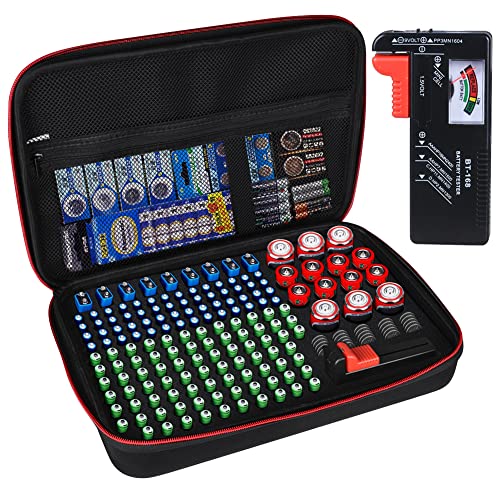
Helpful pick
Battery Organizer Storage Box with Tester, Battery Vault Case Fireproof Waterproof Explosionproof Holder Box with Tester BT-168 Checker Carrying Case Container Bag Fit for 200+ Batteries AA AAA C D 9V
This fireproof and waterproof battery storage case ensures safe handling of your batteries, reducing risks of leaks or fires.
Common Mistakes to Avoid
- Storing Li-ion batteries at full charge in hot spaces. This combination accelerates aging and increases swelling risk.
- Leaving NiMH or NiCd batteries completely discharged for extended periods. The self-discharge rate compounds capacity loss and reduces cycle life.
- Ignoring signs of swelling or leakage. A swollen cell can fail catastrophically and should be removed by a professional.
- Mixing chemistries in one storage container. Cross-interaction can cause safety hazards and degraded performance.
- Skipping periodic checks. A yearly review of voltage and signs of wear can prevent surprises later.
- Not recycling degraded packs. Proper disposal mitigates environmental impact and prevents leaks or contamination.
Unused batteries degrade over time, but you can significantly minimize aging with a straightforward, chemistry-aware storage plan. Cool, dry storage, appropriate charge levels, and periodic checks keep more of the original capacity available when you need them. Set a 12-month check cycle and stick to it.
FAQ
How long can I store a Li-ion battery unopened?
A Li-ion pack stored at 20-25 C and around 40-60% charge typically remains usable for about 2-3 years. Expect gradual capacity loss and test before heavy use after long storage.
Do alkaline batteries go bad if not used?
Non-rechargeable alkaline cells have a long shelf life in cool, dry environments, typically 5-10 years. They can leak if stored too warm or damaged, so check dates and inspect packaging before use.
What storage temperature is best for unused batteries?
Cool, dry storage around 20 C is generally optimal. Extreme heat accelerates aging, while freezing can cause condensation issues. Keep batteries away from direct sun and ensure consistent environmental conditions.
What are the signs that stored batteries are degraded?
Look for swelling, leakage, corrosion on terminals, and significant voltage drops under light load. If any signs appear, retire the pack or recycle it according to local guidelines.
What should I do with old or degraded batteries?
Recycle through local programs or retailer take-back services. Do not throw batteries in the trash; follow your city or state guidelines to prevent environmental harm and safety risks. Keep chemistry types separate to streamline disposal.

- 10 Best Battery For Generator Battery Safety Option 2026 - October 12, 2026
- 10 Best Battery For Generator Battery Safety 2026 - October 12, 2026
- 10 Best Battery For Generator Battery Rv Upgrade 2026 - October 12, 2026