Can I Jump A Lawn Mower Battery?
Yes, you can jump a lawn mower battery, but it requires the right tools and precautions. Most lawn mowers use a 12V lead-acid battery. Improper connections or rushed attempts can cause sparks, vent gas, or damage the starter circuit. A dedicated 12V jump starter or a quality battery charger is a safer choice than a DIY power swap.
When jumping a lawn mower battery, use either a 12V jump starter or a reliable pair of jumper cables. Connect positive to positive, then negative to a solid ground away from the battery. Keep sparks away from venting caps, and never jump a damaged or swollen cell.
Key Takeaways
- Use proper gear. A 12V jump starter or reliable jumper cables are essential; avoid improvised power sources.
- Inspect the battery. Do not attempt to jump if the battery is swollen, cracked, or venting gas.
- Connect with care. Attach positive to positive and negative to a solid ground.
- Limit attempts. If the mower doesn’t start within two tries, stop and recharge.
- Wear protection. Safety glasses and gloves minimize risks from sparks.
- Disconnect properly. Remove clamps in reverse order after starting.
Battery Types Found in Lawn Mowers
Recommended Products


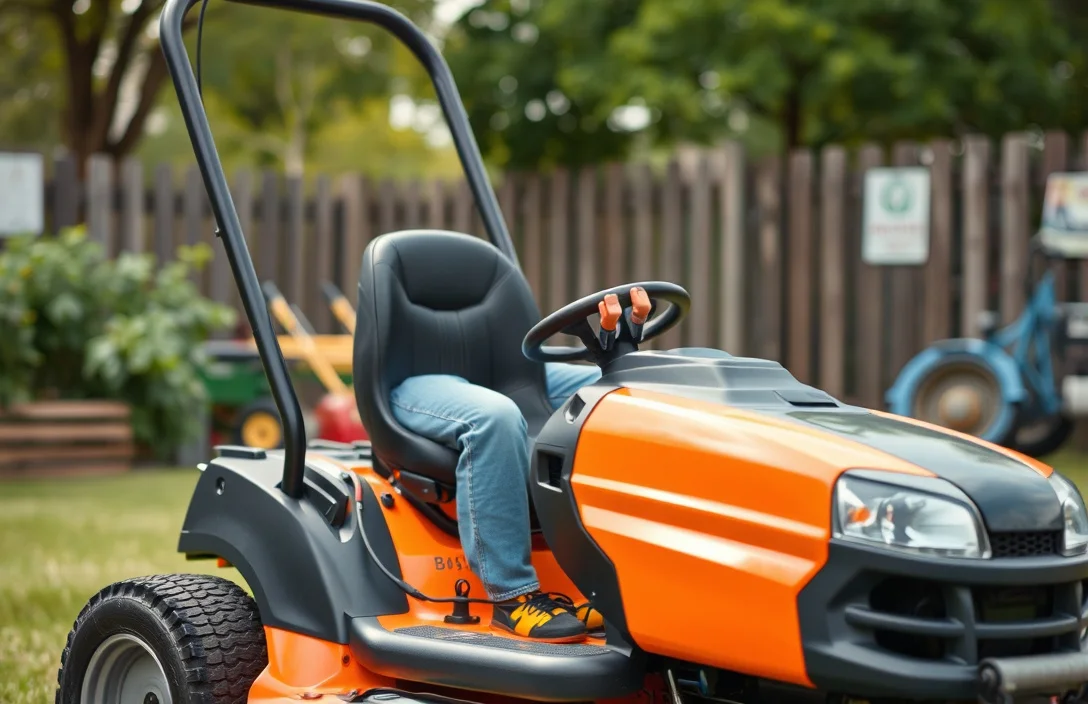
Most lawn mower powertrains use either lead-acid or lithium-based batteries. The traditional option is a 12V lead-acid battery available in flooded and AGM varieties. Flooded cells require occasional water top-ups and handling of venting; AGM packs are sealed and maintenance-free but cost more upfront. For seasonal users, the maintenance trade-off often outweighs performance concerns.
Cordless electric mowers typically use lithium-based packs, like Li-ion or LiFePO4. These packs power the motor directly and require a specific charger. Jump-starting a cordless mower from a car battery is generally unnecessary and risky because the battery management system and chemistry aren’t designed for automotive surges. Instead of jumping, charge the pack and rely on built-in safety electronics.
| Battery Type | Common Chemistry | Pros | Cons | Jump-Start Notes |
|---|---|---|---|---|
| Lead-Acid Flooded | Lead-acid (flooded) | Affordable, easy to replace | Requires water, vents gas, needs maintenance | Can deliver high surge; use venting caps and maintain airflow |
| Lead-Acid AGM | Lead-acid (AGM) | Spill-proof, maintenance-free | Higher initial cost | Safer to handle; ensure charger compatibility |
| LiFePO4 | Lithium iron phosphate | Safer chemistry, long lifespan | Higher upfront cost, BMS limits current | BMS can interrupt if overcurrent; use appropriate charger |
| Li-ion (cordless packs) | Lithium-based | High energy density, lightweight | Not designed for starting engines | Not intended for jump-start; charge with manufacturer’s charger |
Most commonly, gas-powered mowers feature a flooded or AGM 12V lead-acid battery. While lithium-based packs are found in newer cordless models, they are not meant to be jumped like car batteries. For cordless mowers, charging the pack or swapping it out during maintenance is the standard practice.
Safety First: Risks and Guardrails
Recommended Products


Hydrogen gas can accumulate around a charging lead-acid battery, so perform jump-starts in a well-ventilated area away from flames. Battery acid can burn skin and eyes; wear eye protection and gloves, and keep metal jewelry away. A small mower battery is close to the operator, so keep hoses, fuels, and solvents at a safe distance to minimize fire risks.
The mower’s battery is part of the electrical system. Incorrect connections can feed back into circuits not designed for automotive-scale power. Always verify polarity before connecting. If you notice swelling, cracks, or leakage, replace the battery instead of attempting a jump. Never jump a battery that feels hot or emits gas or displays corrosion on terminals.
- Sparks near the battery are dangerous when gas is present; work in a ventilated area.
- Keep clamps clear of moving parts during engine cranking.
- If uncertain about the battery’s health, replace it rather than risking an attempt.
Charging and replacing batteries are safer long-term solutions. Jumping serves as a quick fix, not a replacement for failing batteries.
How to Safely Jump a Lawn Mower Battery
Recommended Products

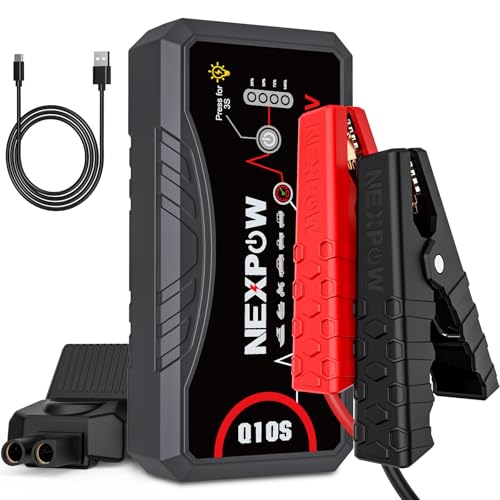
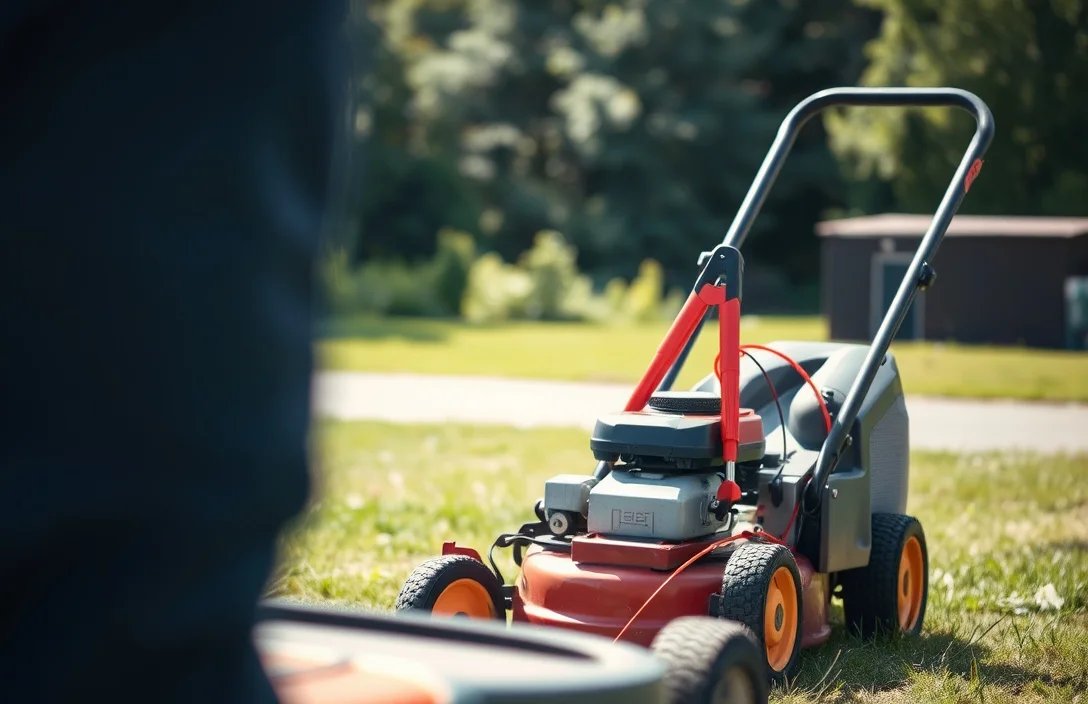
Turn off the mower and position it on a stable, level surface. Remove the key and engage the parking brake, if applicable. Inspect the battery area for cracks, swelling, or leaks; do not attempt a jump if you find any damage.
Gather the necessary gear. You’ll need a 12V jump starter suitable for automotive loads or a reliable pair of heavy-gauge jumper cables connected to a known-good donor battery.
Connect with care. Attach the red clip to the mower battery’s positive terminal, and connect the black clip to a solid ground on the mower’s engine block or a clean metal surface away from the battery. Avoid letting the clamps touch each other during connection.
Power up and start. If using a jump starter, turn it on, then try to start the mower. If using a donor car, keep that engine running to provide power, then start the mower. Limit cranking to 10-15 seconds at a time, allowing brief rests between attempts.
Remove clamps in reverse order. First, detach the black ground clamp, then the red positive clamp. Close the hood or battery cover, and let the mower run for a few minutes to stabilize.
A cautious, methodical approach is key. If the mower doesn’t start after two attempts, stop and evaluate the battery’s health or the starter circuit. Avoid prolonged cranking with a weak battery; excessive heat can shorten its lifespan.
Alternatives When Jumping Isn’t the Right Move
Recommended Products

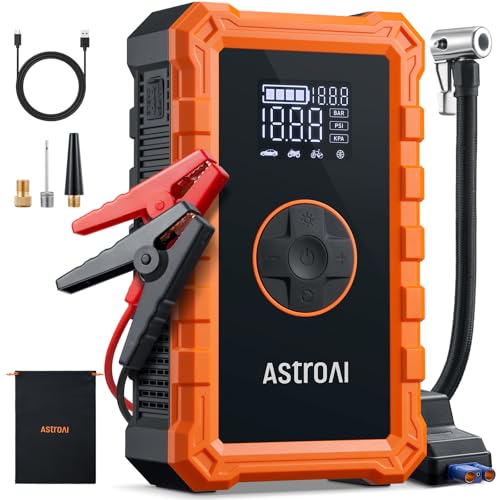
Charging the battery with a quality 12V charger is the safest first step. A full recharge can restore cranking capacity without the risks associated with jump-starting. If a charger isn’t available, consider replacing the battery if it’s older than a few years or shows visible signs of wear.
Testing the battery with a load tester provides a more accurate assessment of health than voltage alone. If the chemical health is poor, replacement is usually the best option. In some cases, cleaning corroded terminals and securing clamps can restore enough contact to start, but only if the battery is otherwise healthy.
When in doubt, replace the battery rather than attempting repeated jumps. A new battery is a safer and more cost-effective solution than repetitive jump attempts that can damage sensitive starter circuitry.
Maintenance to Prevent Future Jumps
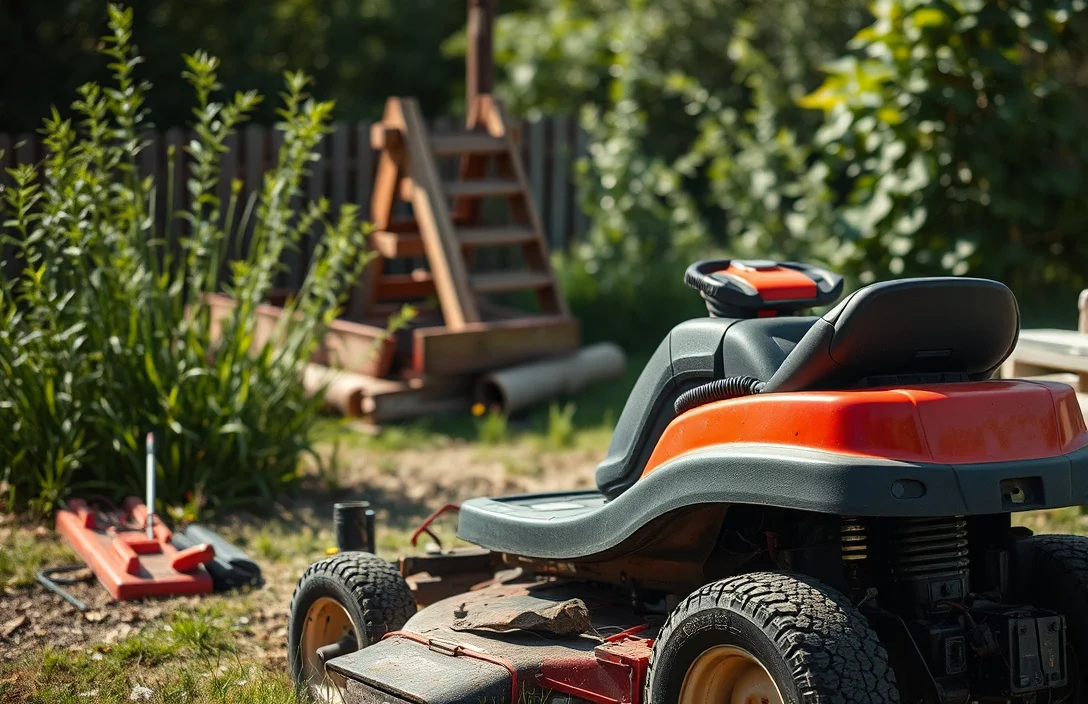
Regular charging keeps a lawn mower battery in good condition. If storing the mower for the off-season, either remove the battery or place it on a low, trickle-maintain charge. Clean battery terminals with a mixture of baking soda and water to neutralize corrosion, then dry and protect them with terminal protectors.
Check electrolyte levels in flooded batteries and add distilled water as necessary. For AGM packs, ensure the vent caps are closed and the pack is secure in its tray. Replace the battery if it exceeds the typical service life for your model or fails a simple voltage test under load.
Keep the mower and its battery contacts clean and dry. Tighten all terminal connections to reduce resistance, which can generate unnecessary heat. When storing, protect the battery from freezing temperatures, which can reduce capacity and shorten lifespan.
Common Mistakes and Pitfalls
Recommended Products


Avoid connecting negative to the wrong point; always orient clamps according to their respective polarities. Never attempt a jump if the battery is swollen or leaking gas. Jumping a damaged battery magnifies risks significantly. Ensure the donor battery can handle the mower’s load; use a compatible donor for safe cranking.
Do not bypass safety interlocks or jump directly to the starting motor without a proper ground reference. Keep children and pets away during the jump process, and never smoke or use flames near the battery. Lastly, replace frayed or damaged jumper cables to maintain safety.
What to Buy If You Must Jump in a Pinch
A portable 12V jump starter with 150-600A peak current is typically sufficient for most gas-powered mowers. Look for models with short-circuit protection, reverse polarity protection, and a clear LED readout of battery health. Keep a set of heavy-gauge jumper cables as a backup, but prioritize the jump starter for safety and control.
In an emergency, a compact, purpose-built 12V starter pack is more reliable than improvising with a car battery. Choose a unit with an auto-shutoff feature to prevent accidental over-cranking. For those with multiple outdoor devices, a multi-use portable jump starter can power your mower along with a phone, lantern, or other small devices.
If you must jump a lawn mower battery, use a proper 12V jump starter and follow careful procedures. For everyday reliability, keep the battery charged and replace aging packs before they fail in the field. When in doubt, opt for a fresh battery and skip the jump entirely.
FAQ
Can I jump my lawn mower battery from a car battery?
Yes, but do so cautiously. The preferred method is to use a dedicated 12V jump starter or properly rated jumper cables, ensuring correct polarity. Keep the donor engine running if you use a car battery to reduce risk to the mower’s electrical system.
How long should I wait before starting after the jump?
After securing the clamps, wait a few seconds to ensure stable voltage, then crank for 2-3 brief attempts. If the engine doesn’t turn over, stop and check the connections, battery health, and starter condition.
What if the battery is swollen or leaks acid?
Do not jump it. Swelling or leaks indicate a dangerous condition; replace the battery. Jump-starting a damaged battery can lead to venting, rupture, or chemical exposure.
Can a cordless mower be jumped or started with a car battery?
No. Cordless mowers rely on a battery pack and internal controllers; they do not have a starter motor to crank. Instead of jumping, charge the pack with the manufacturer’s charger.
What’s safer for small repairs: jump-start or charger?
A quality 12V charger is safer and more reliable for routine maintenance. Jump-starts are acceptable in emergencies with the right gear and precautions, but a charger minimizes risk of damage and makes upkeep easier.
Bottom line: jump a lawn mower battery when necessary, but prioritize proper gear, careful steps, and battery health. If the battery shows signs of wear, replace it rather than chasing a quick start.

- 10 Best Battery For Generator Battery Safety System 2026 - October 12, 2026
- 10 Best Battery For Generator Battery Safety Option 2026 - October 12, 2026
- 10 Best Battery For Generator Battery Safety 2026 - October 12, 2026